
 한국어
한국어 English
 日本語
日本語 中文(简体)
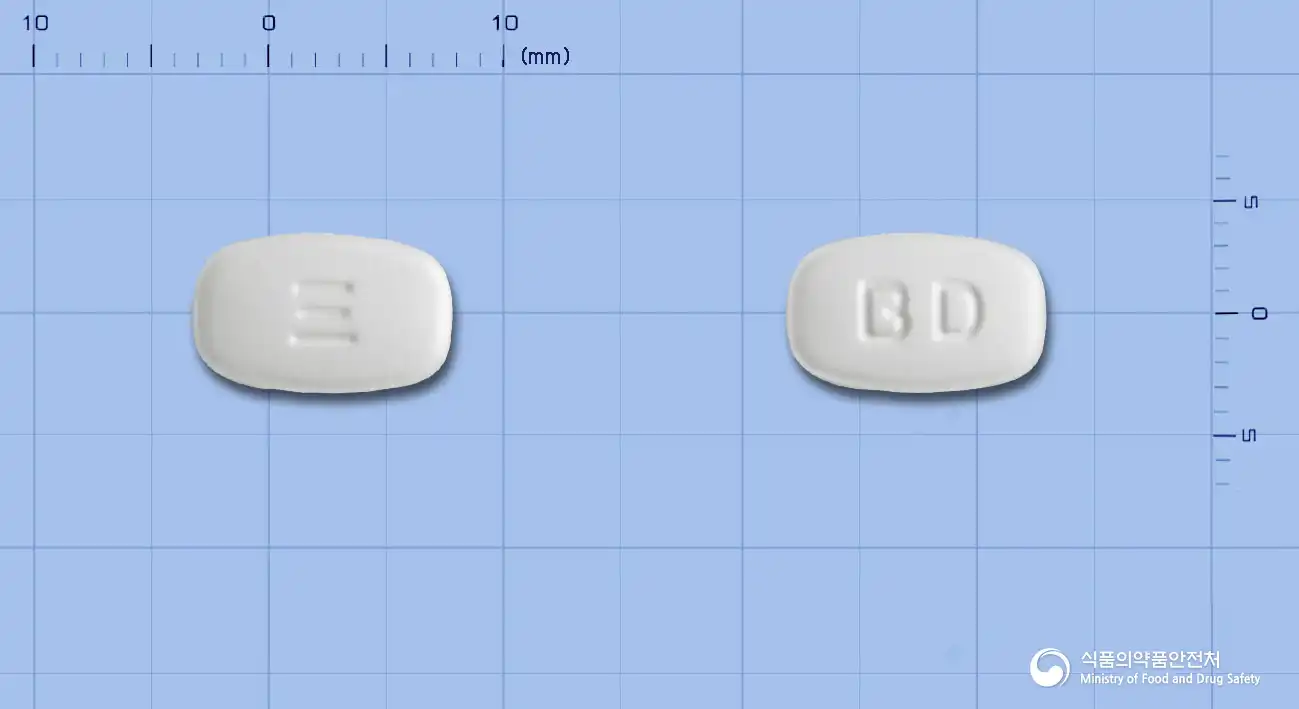 Viewing nowCombination
Bonomax Plus D Tablet
Sodium Alendronate Trihydrate 91.37mg · Cholecalciferol Concentrate Powder 53.33mg
Tablet · Prescription medication · Combination
Samik Pharmaceutical Co., Ltd.
MFDS item code 201405290 · Approved 2014.11.12 · Insurance code 644003540
Improvement of postmenopausal women's and men's osteoporosis
Used for the treatment of osteoporosis in both postmenopausal women and men.
Take 1 tablet (70 mg/2800 IU or 70 mg/5600 IU) once a week in the morning at least 30 minutes before meals, drinks, or taking other medications, with plenty of water. After taking it, do not lie down for at least 30 minutes and until the first intake of food. This medication should not be taken before bedtime or upon waking. If you forget to take it, take 1 tablet the next morning.
Children and adolescents (under 18 years): Safety and efficacy in children and adolescents have not been established.
This medication can irritate the upper gastrointestinal mucosa, causing esophageal adverse reactions such as esophagitis, esophageal ulcers, and esophageal erosion. If you experience difficulty swallowing, pain when swallowing, pain behind the sternum, or heartburn after taking the medication, stop taking it immediately and consult a doctor. Always take with a sufficient amount of water, and do not lie down for more than 30 minutes after taking it. Patients with esophageal motility disorders, those who cannot sit upright for at least 30 minutes, those who are hypersensitive to the ingredients, patients with hypocalcemia, or those with certain genetic metabolic disorders should not take this medication. In clinical trials, gastrointestinal symptoms such as abdominal pain, nausea, dyspepsia, constipation, and diarrhea were reported, as well as musculoskeletal pain and neurological symptoms such as headaches and dizziness. The risk of gastrointestinal adverse reactions may increase when taken with calcium supplements, antacids, aspirin, or non-steroidal anti-inflammatory drugs, so it should be taken at different intervals. During pregnancy, it should be administered cautiously considering the risk to the fetus, and nursing mothers should be careful as some ingredients can pass into breast milk. Not recommended for children or patients with severely impaired kidney function. Always take this medication in the morning before the first food, drink, or other medication with plenty of water, and do not chew or suck it. In rare cases, serious side effects such as atypical femoral fractures or osteonecrosis of the jaw may occur with long-term use, so regular check-ups and caution are necessary. In case of overdose, avoid inducing vomiting and maintain a stable posture with plenty of water; dialysis is not effective. Store this medication out of reach of children and do not transfer it to another container.
Urticaria, severe swelling (edema), esophageal strictures or perforation, severe allergic reactions, severe skin adverse reactions (Stevens-Johnson syndrome, toxic epidermal necrolysis), hypocalcemia, severe edema, serious neurological symptoms (seizures, confusion, etc.)
Not everyone experiences these, and they can vary from person to person.
This medication is sensitive to air and moisture, so it must be stored in a tightly closed container. Also, keep it in a cool place between 1 and 30 degrees Celsius, avoiding direct sunlight.
White to grayish-white rectangular tablet
4 tablets/PTP
Even with the same ingredient, strength, dosage form and how it is taken can differ.
Viewing nowCombinationSodium Alendronate Trihydrate 91.37mg · Cholecalciferol Concentrate Powder 53.33mg
Tablet · Prescription medication · Combination
Samik Pharmaceutical Co., Ltd.
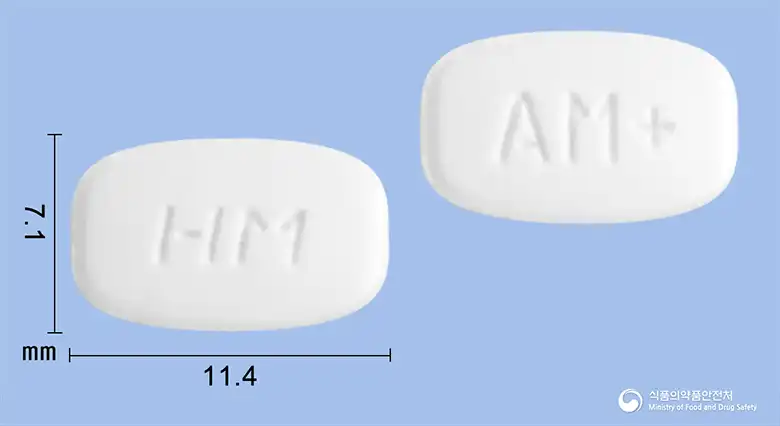 Combination
Sodium Alendronate Trihydrate 91.37mg · Cholecalciferol Concentrate Powder 53.33mg
Tablet · Prescription medication · Combination
Hanmi Pharmaceutical Co., Ltd.
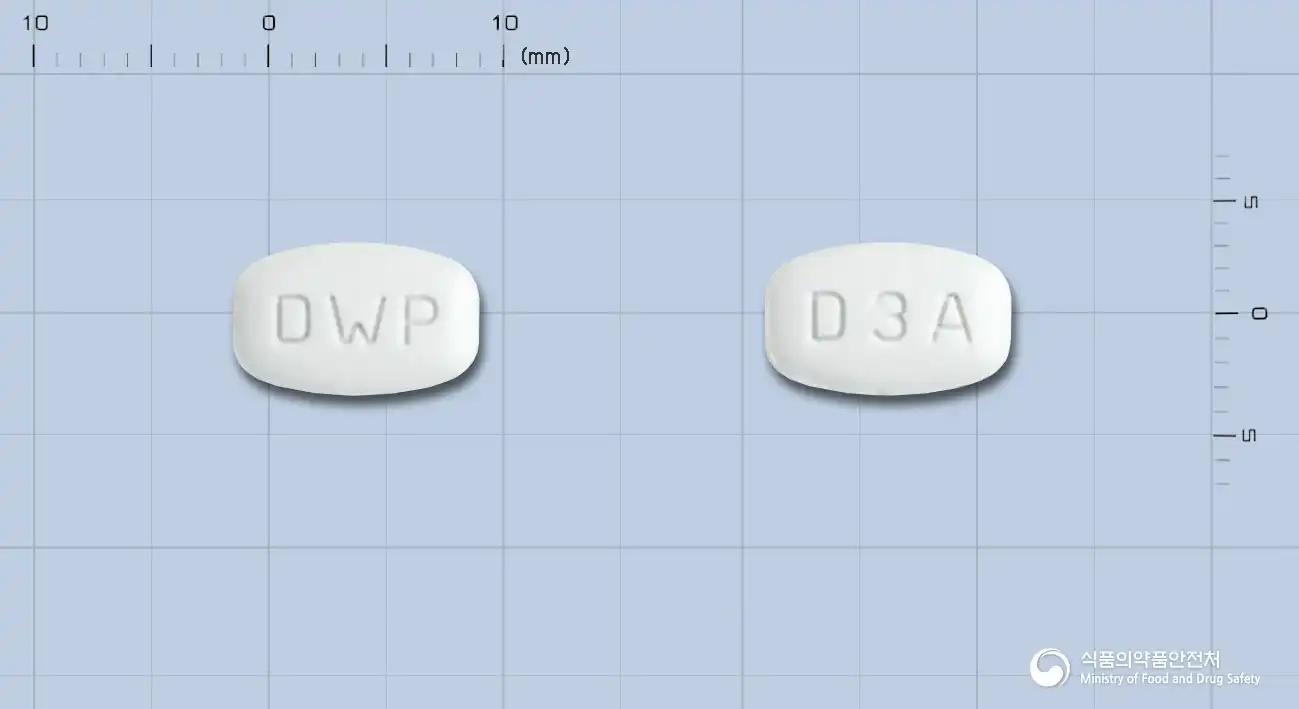 Combination
Sodium Alendronate Trihydrate 91.37mg · Cholecalciferol Concentrate Powder 53.33mg
Tablet · Prescription medication · Combination
Daewon Pharmaceutical Co., Ltd.
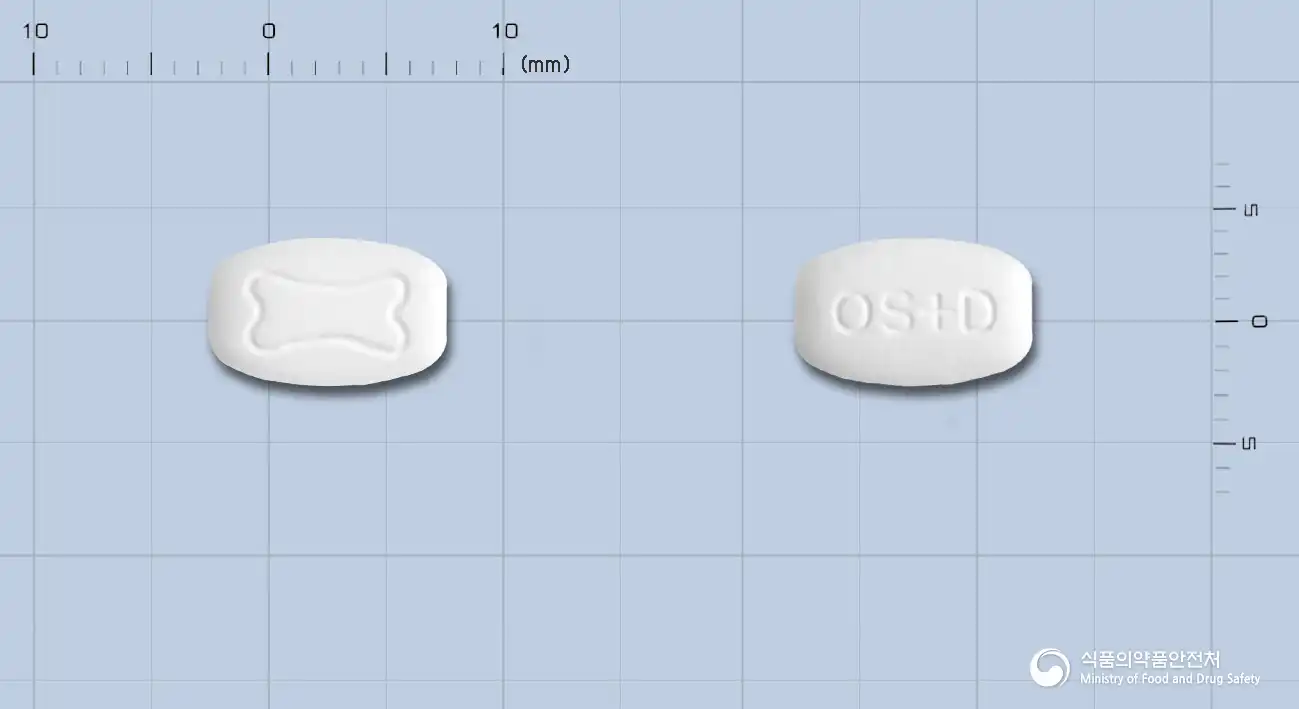 Combination
Sodium Alendronate Trihydrate 91.37mg · Cholecalciferol Concentrate Powder 53.33mg
Tablet · Prescription medication · Combination
Unimed Pharmaceutical Co., Ltd.
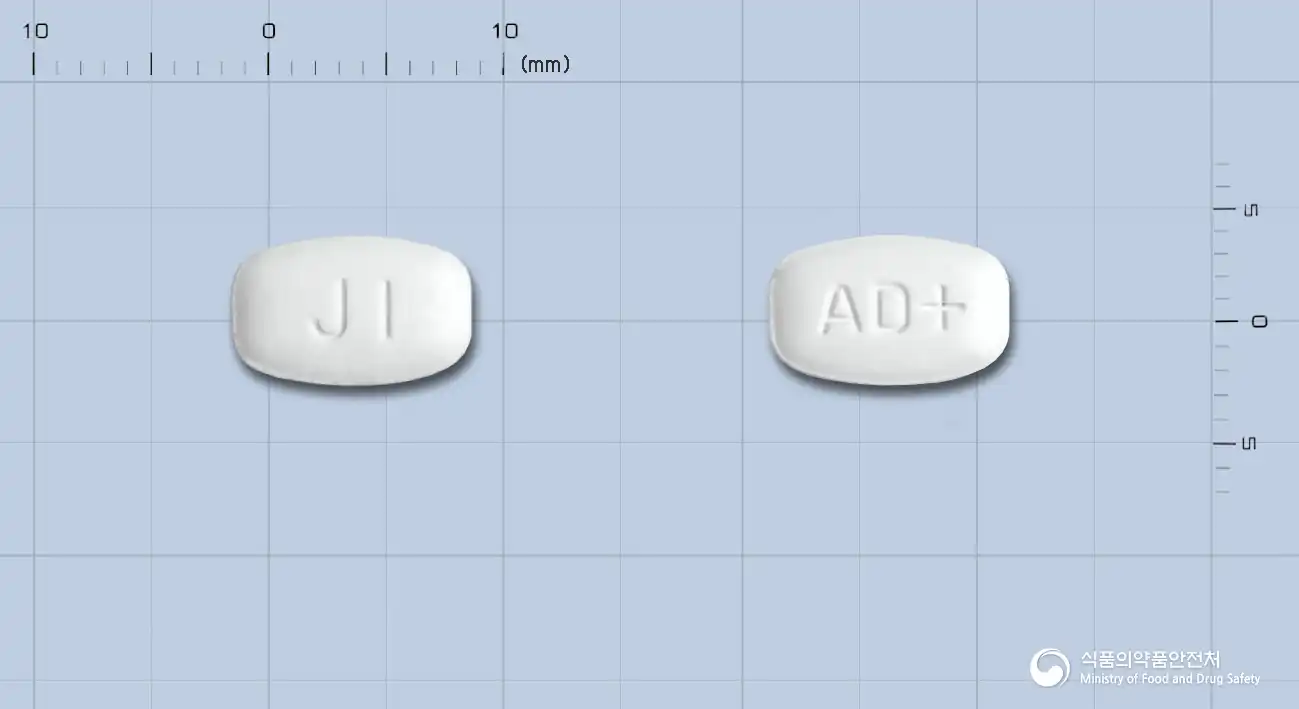 Combination
Sodium Alendronate 91.37mg · Cholecalciferol Concentrate Powder 53.33mg
Tablet · Prescription medication · Combination
Jeil Pharmaceutical Co., Ltd.
Sodium Alendronate Hydrate · Cholecalciferol Concentrate Powder
Prescription medication · Combination
Youngjin Pharmaceutical Co., Ltd.
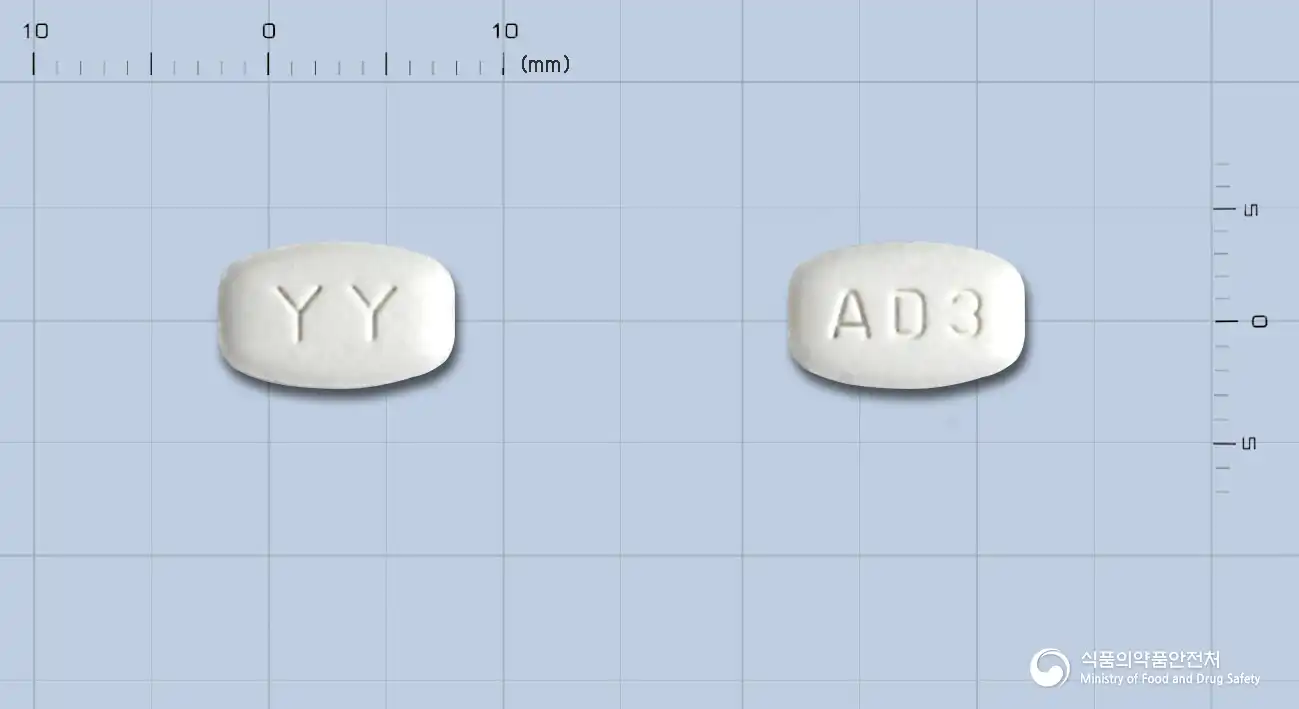 Combination
Sodium Alendronate Trihydrate 91.37mg · Cholecalciferol Concentrate Powder 53.33mg
Tablet · Prescription medication · Combination
Yuyu Pharmaceutical Co., Ltd.
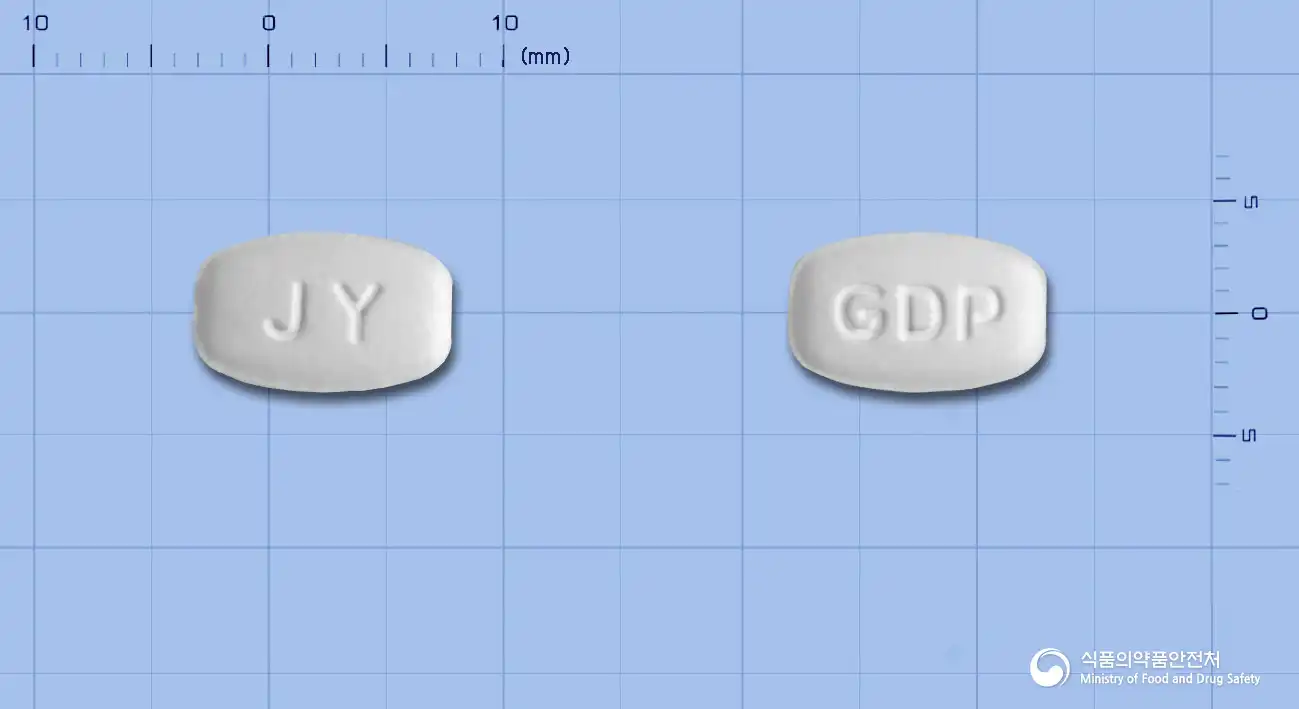 Combination
Sodium Alendronate Trihydrate 91.37mg · Cholecalciferol Concentrate Powder 53.33mg
Tablet · Prescription medication · Combination
Jinyang Pharmaceutical Co., Ltd.
Even with the same ingredient, the dose and directions can differ by strength and dosage form. Talk to a doctor or pharmacist before switching from a medication you are already taking.
No questions yet.
For anything that needs medical judgment, consult a doctor or pharmacist.
This drug information is based on data provided by the Korea Ministry of Food and Drug Safety.
Consult a doctor or pharmacist for accurate dosage, administration, and usage instructions.