
 한국어
 English
 日本語
 中文(简体)
 Viewing now
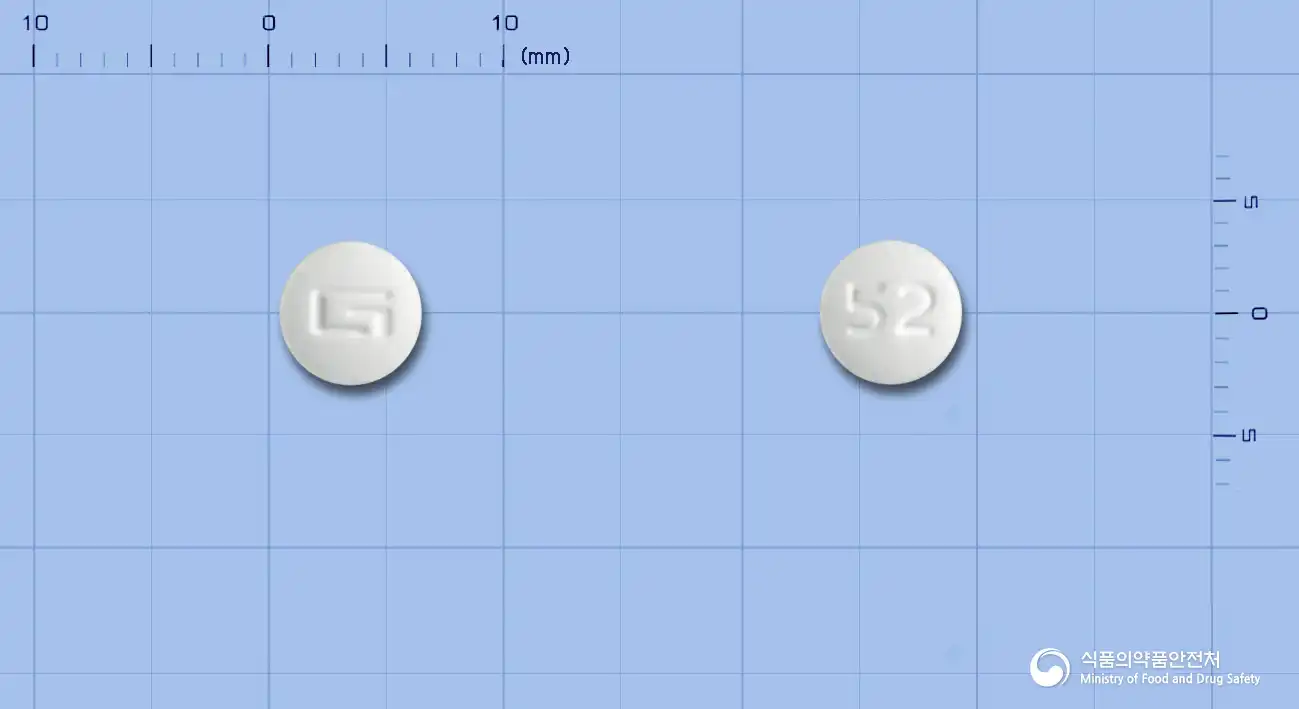
Dongkwang Minoxidil Tablet 5mg
Minoxidil 5mg
Tablet · Prescription medication
Dongkwang Pharmaceutical Co., Ltd.
MFDS item code 201405252 · Notified 2014.11.10
Treatment of resistant hypertension and symptomatic hypertension with target-organ damage
This medication is used to treat hypertension caused by symptoms or target organ damage, as well as resistant hypertension that does not respond to the combination of diuretics and two types of antihypertensive agents.
Adults (12 years and older): The initial dose of minoxidil is 5㎎ orally once daily, with a maintenance dose of 10-40㎎ daily in 1 or more divided doses. Up to 100㎎ daily may be administered. Frequency of administration: The magnitude of fluctuations in arterial blood pressure during the day while taking this medicine is proportional to the decrease in blood pressure. If the reduction in supine diastolic blood pressure is less than 30mmHg, once-daily administration is acceptable; if it is 30mmHg or greater, administer in 2 divided doses daily. Dose adjustment: Determine the dose carefully according to the patient's response. When adjusting the dose, allow an interval of at least 3 days, as an adequate response to a dose may take 3 days or more to occur. If more rapid treatment of hypertension is required, the dose may be adjusted every 6 hours while carefully monitoring the patient. Concomitant administration 1) Diuretics: In patients who rely on renal function to maintain salt and water balance, this medicine is administered concomitantly with a diuretic. It has been administered concomitantly with the following diuretics: ① Hydrochlorothiazide (50㎎ per dose twice daily) or another thiazide diuretic (equivalent effective dose) ② Chlorthalidone (50-100㎎ per dose once daily) ③ Furosemide (40㎎ per dose twice daily) If excessive salt and water retention causes a weight gain of approximately 1.8㎏ or more, the diuretic should be changed to furosemide. If the patient is already receiving furosemide, increase the dose as needed. 2) β-blockers or other sympatholytic agents: During treatment with this medicine, administer a β-blocker in divided doses equivalent to propranolol 80-160㎎ daily. If β-blockers are contraindicated, methyldopa (250-750㎎ per dose twice daily) may be used instead. Since methyldopa takes time to exert its effect, administer it at least 24 hours before starting this medicine. Sympatholytic agents may not completely block the increase in heart rate caused by this medicine, but can generally prevent tachycardia. Patients receiving a β-blocker before starting treatment with this medicine typically have bradycardia; however, the heart rate is expected to increase to normal with administration of this medicine. Concomitant use of this medicine with a β-blocker or other sympatholytic agent generally results in little change in heart rate because their opposing effects on the heart offset each other. Adjust the dose appropriately according to age and symptoms.
Children (12 years and younger): The initial dose is 0.2㎎/kg once daily. The dose may be increased by 50-100% until blood pressure is optimally controlled. The maintenance dose is 0.25㎎-1.0㎎/kg daily. Up to 50㎎ daily may be administered.
It is very important not to use this drug in certain patients. For example, in patients with a rare tumor called pheochromocytoma, this drug can increase the secretion of substances from the tumor due to its blood pressure lowering effects. Additionally, patients with high blood pressure in the lungs due to mitral stenosis or those who have experienced acute myocardial infarction should not use this drug. Patients who are allergic to this medication or have genetic issues such as lactose intolerance should also not be administered this drug. Patients with chronic congestive heart failure or angina pectoris related to heart issues, as well as those with severely impaired kidney function, should use this drug cautiously. When using this medication, there is a potential for side effects, so care is needed. Particularly, hirsutism, which is the excessive growth of unwanted hair, is commonly reported and can appear on the face or various parts of the body. This hair will gradually decrease after discontinuation of the drug but may take several months to completely disappear. Also, skin rashes or severe allergic reactions may occur, alongside reductions in blood cell counts or changes in cardiac electrical signals. Occasionally, pericardial effusion, which is the accumulation of fluid around the heart, may develop, so symptoms should be carefully monitored. Other reported side effects include weight gain, vascular edema, digestive disturbances, and gynecomastia. When using this medication, diuretics are often used in conjunction to prevent the accumulation of body fluids and salts, and it may also be necessary to combine it with other medications to prevent symptoms such as tachycardia or angina. Patients with impaired kidney function may need dosage adjustments, and patients who have experienced myocardial infarction should only use this drug once their condition is stabilized. Moreover, when first using this medication, regular examinations such as urine tests, kidney function tests, electrocardiograms, and chest X-rays should be performed to ensure safety. There are also precautions when used concurrently with other drugs. In particular, when used with a drug called guanethidine, severe hypotension can occur, so they should not be used together whenever possible, and antidepressants or antipsychotic medications may also increase the risk of hypotension. Using corticosteroid medications can lead to fluid retention, and the antihypertensive effect can be diminished when combined with anti-inflammatory analgesics. During pregnancy, the safety of this medication has not been sufficiently confirmed, so it should be avoided, and it is also recommended to avoid use while breastfeeding, if possible. In unavoidable circumstances, it is recommended to discontinue breastfeeding. For children, especially newborns, there is limited experience in use, so it should be administered with great caution. If an overdose occurs, blood pressure may drop excessively, requiring immediate medical attention for appropriate treatment. In cases of overdose, maintaining blood pressure with saline injection is essential, and it is advisable to avoid sympathomimetics that may strain the heart. If necessary, alternative medications may be required to restore blood pressure to normal levels.
Not everyone experiences these, and they can vary from person to person.
Keep this medicine in a tightly sealed container to prevent exposure to air or moisture, and it's best to store it at room temperature. In other words, it should be stored at an appropriate temperature, not too hot or too cold, to maintain its effectiveness.
White round tablet
30 tablets/bottle, 90 tablets/bottle, 500 tablets/bottle
Even with the same ingredient, strength, dosage form and how it is taken can differ.
Viewing nowMinoxidil 5mg
Tablet · Prescription medication
Dongkwang Pharmaceutical Co., Ltd.
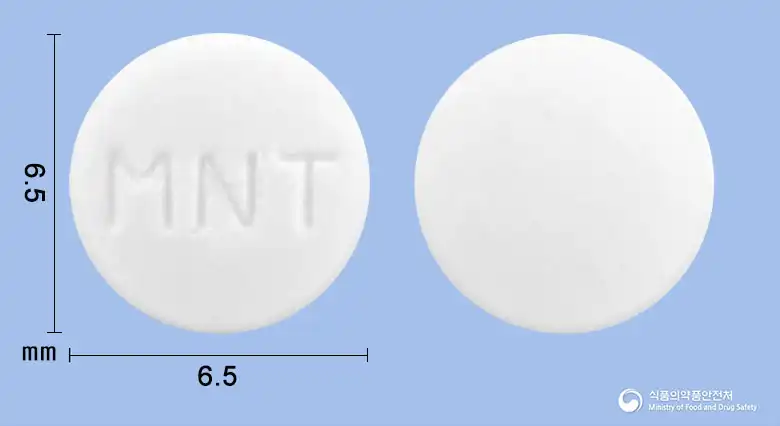
Minoxidil 5mg
Tablet · Prescription medication
Hyundai Pharmaceutical Co., Ltd.
Minoxidil 3g
OTC medication
Hyundai Pharmaceutical Co., Ltd.
Minoxidil 5g
OTC medication
Hyundai Pharmaceutical Co., Ltd.
Minoxidil 5g
OTC medication
Hanmi Pharmaceutical Co., Ltd.
Minoxidil 5g
Solution · OTC medication
JW Pharmaceutical Corp.
Minoxidil 3g
Solution · OTC medication
Haitai HTB Co., Ltd.
Minoxidil 5g
Solution · OTC medication
Ilhwa Co., Ltd.
Even with the same ingredient, the dose and directions can differ by strength and dosage form. Talk to a doctor or pharmacist before switching from a medication you are already taking.
No questions yet.
For anything that needs medical judgment, consult a doctor or pharmacist.
This drug information is based on data provided by the Korea Ministry of Food and Drug Safety.
Consult a doctor or pharmacist for accurate dosage, administration, and usage instructions.