
 한국어
 English
 日本語
 中文(简体)
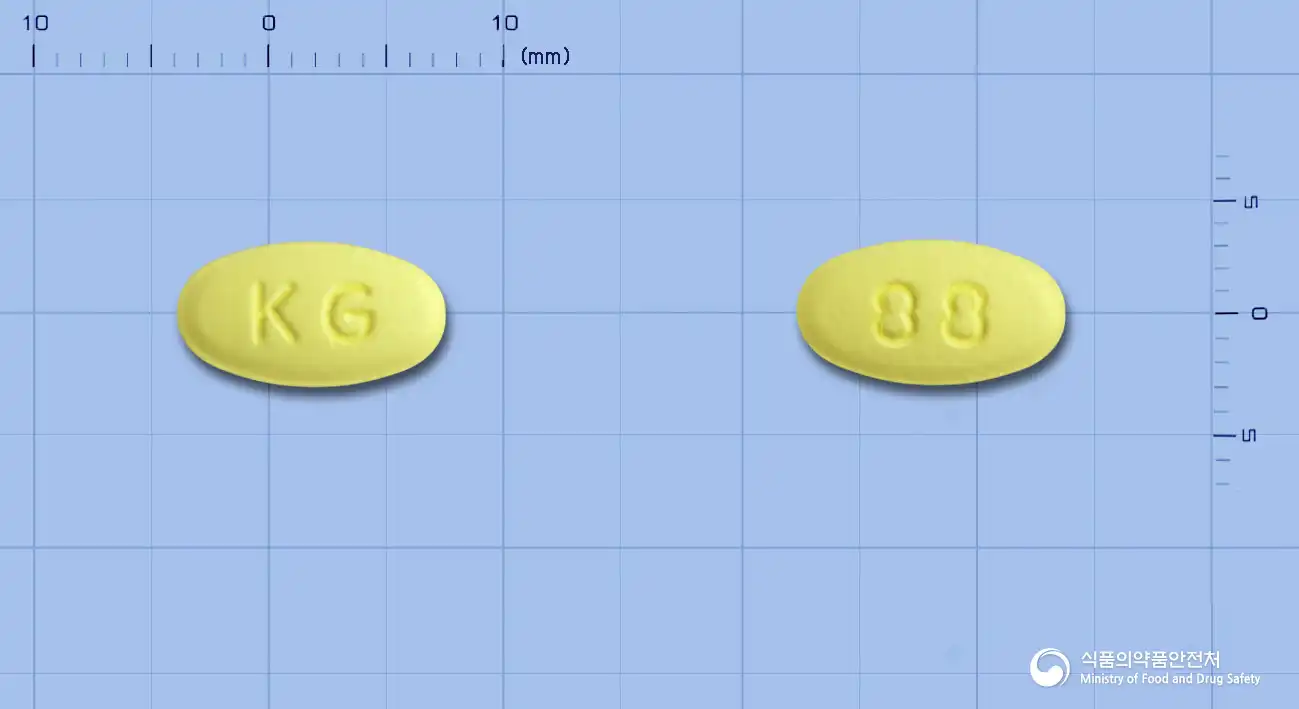 Viewing nowCombination
Rotan Plus Tablet
Losartan Potassium 50mg · Hydrochlorothiazide 12.5mg
Tablet · Prescription medication · Combination
Kips Biopharma Co., Ltd.
MFDS item code 201404809 · Approved 2014.10.21 · Insurance code 693201150
Treatment of hypertension not controlled by monotherapy
This medication is used to effectively lower blood pressure when control is difficult with monotherapy. It primarily aids in the treatment of hypertension, stabilizing blood pressure to reduce the risk of cardiovascular complications.
○ Adults The usual dose of this medication is 1 tablet of losartan potassium 50 mg/hydrochlorothiazide 12.5 mg once daily. Doses exceeding losartan potassium 100 mg/hydrochlorothiazide 25 mg per day are not recommended. In general, the maximum blood pressure-lowering effect occurs approximately 3 weeks after starting treatment. This medication may be administered with other antihypertensive agents and may be taken with or without food. To minimize adverse reactions, initiate treatment with this medication only when the expected effect is not achieved with monotherapy. 1. Replacement therapy: A combination regimen of individually dose-adjusted losartan potassium and hydrochlorothiazide may be replaced with this medication. 2. Patients whose blood pressure is not controlled with losartan or hydrochlorothiazide monotherapy: Start with 1 tablet of losartan potassium 50 mg/hydrochlorothiazide 12.5 mg once daily. If blood pressure is not controlled after 3 weeks of treatment, the dose may be increased to a maximum of 1 tablet of losartan potassium 100 mg/hydrochlorothiazide 25 mg once daily. 3. Patients whose blood pressure is not controlled with losartan potassium 100 mg monotherapy: Start with losartan potassium 100 mg/hydrochlorothiazide 12.5 mg once daily. If blood pressure is not controlled after 3 weeks of treatment, the dose may be increased to a maximum of 1 tablet of losartan potassium 100 mg/hydrochlorothiazide 25 mg once daily. 4. Patients whose blood pressure is not controlled with hydrochlorothiazide 25 mg once daily, or who have hypokalemia despite blood pressure control at this dose: Treatment may be initiated with 1 tablet of losartan potassium 50 mg/hydrochlorothiazide 12.5 mg once daily, which can reduce the hydrochlorothiazide dose without reducing the overall blood pressure-lowering effect. The clinical response to losartan potassium 50 mg/hydrochlorothiazide 12.5 mg should then be monitored continuously; if blood pressure is not controlled after 3 weeks of treatment, the dose may be increased to a maximum of 1 tablet of losartan potassium 100 mg/hydrochlorothiazide 25 mg once daily. ○ Patients with renal impairment Use the usual dose in patients with creatinine clearance of 30 mL/min or higher. Use of this medication is not recommended in patients with more severe renal impairment, because loop diuretics are preferable to thiazide-type drugs in these patients. ○ Patients with hepatic impairment Use of this medication is not recommended in patients with hepatic impairment who require dose adjustment, because the initial losartan potassium dose of 25 mg for these patients cannot be administered with this medication.
Children (under 18 years): There is no experience with use in children and adolescents; therefore, the losartan-hydrochlorothiazide combination should not be administered to children or adolescents.
This medication can pose a serious risk of damage or death to the fetus if taken during pregnancy, particularly in the second and third trimesters, so it should be discontinued immediately if pregnancy is confirmed. It should not be administered to patients with allergies to this medication or its components, or those with certain renal and liver dysfunctions or electrolyte imbalances. Patients with low blood pressure, kidney problems, elderly individuals, or a history of certain skin cancers should use this medication cautiously, and regular blood tests and kidney function tests are necessary during treatment. Side effects such as dizziness, drowsiness, skin rash, and cough may occur during the use of this medication, and if these symptoms become severe, immediate consultation with a healthcare provider is required. This medication can alter potassium levels, so potassium supplements or potassium-containing products should not be taken without consulting a physician. Caution is necessary while driving or operating machinery due to the risk of dizziness or drowsiness. Since there may be interactions with other medications, it is crucial to inform healthcare providers of any other medications being taken, especially during treatment with diuretics, antihypertensive agents, lithium preparations, and non-steroidal anti-inflammatory drugs. There is no experience with this medication in children or adolescents, so it should not be administered to these groups. This medication should be stored out of reach of children and kept sealed in the original container.
Craniosynostosis, anuria, hypotension, renal failure, death, abdominal pain, edema, palpitations, lumbar pain, dizziness, cough, sinusitis, upper respiratory infection, rash, angioedema, skin desquamation, hemolysis, chest pain, facial edema, fever, orthostatic hypotension, syncope, angina, arrhythmia, cerebrovascular accident, myocardial infarction, secondary atrioventricular block, loss of appetite, constipation, toothache, dry mouth, dyspepsia, flatulence, gastritis, vomiting, lethargy, anemia, gout, arm pain, arthralgia, arthritis, fibromyalgia, hip pain, joint swelling, knee pain, leg pain, muscle cramps, muscle weakness, musculoskeletal pain, myalgia, shoulder pain, muscle stiffness, anxiety, anxiety disorder, ataxia, confusion, depression, nightmares, sensory impairment, insomnia, reduced libido, memory impairment, migraine, neural hyperexcitability, panic disorder, sensory abnormalities, peripheral neuropathy, sleep disturbances, drowsiness, tremors, dyspnea, nasal bleeding, nasal congestion, pharyngeal discomfort, respiratory congestion, rhinitis, venous sinus disorder, chest discomfort, alopecia, dermatitis, dry skin, petechiae, erythema, flushing, photosensitivity reactions, pruritus, diaphoresis, urticaria, blurred vision, ocular pain, burning sensation, conjunctivitis, visual impairment, taste disturbances, tinnitus, erectile dysfunction, nocturia, polyuria, urinary tract infection, weakness, pancreatitis, jaundice, sialadenitis, convulsions, gastrointestinal irritation, aplastic anemia, agranulocytosis, leukopenia, thrombocytopenia, purpura, necrotizing vasculitis, fever, pneumonia, pulmonary edema, acute respiratory distress syndrome, hyperglycemia, diabetes, muscle cramps, restlessness, renal failure, renal impairment, interstitial nephritis, mucous membrane syndrome, erythema multiforme, toxic epidermal necrolysis, transient blurred vision, xanthopsia, acute myopia, acute closed-angle glaucoma, choroidal exudate, vasculitis, anaphylactic reaction, hepatitis, intestinal vascular edema, dry cough, erythematous skin syndrome, hyperkalemia, hyponatremia, rhabdomyolysis, hypotension, tachycardia, hypokalemia, hypochloremia, hyponatremia, dry mouth, thirst, weakness, somnolence, drowsiness, restlessness, confusion, seizures, myalgia, convulsions, muscle fatigue, reduced urine output, tachycardia, nausea, vomiting, foamy urine, arrhythmia, acute respiratory distress syndrome, elevated serum creatinine levels, angioedema, angioedema (laryngeal/glottic swelling that may cause airway obstruction, swelling of the face/lips/pharynx/tongue), vasculitis (including Henoch-Schönlein purpura)
Not everyone experiences these, and they can vary from person to person.
This medication is sensitive to light, so it should be stored in a tightly closed container that protects it from light. Additionally, storing it at room temperature between 1°C and 30°C is recommended.
Yellow oval film-coated tablet
30 tablets/bottle, 100 tablets/bottle
Even with the same ingredient, strength, dosage form and how it is taken can differ.
Viewing nowCombinationLosartan Potassium 50mg · Hydrochlorothiazide 12.5mg
Tablet · Prescription medication · Combination
Kips Biopharma Co., Ltd.
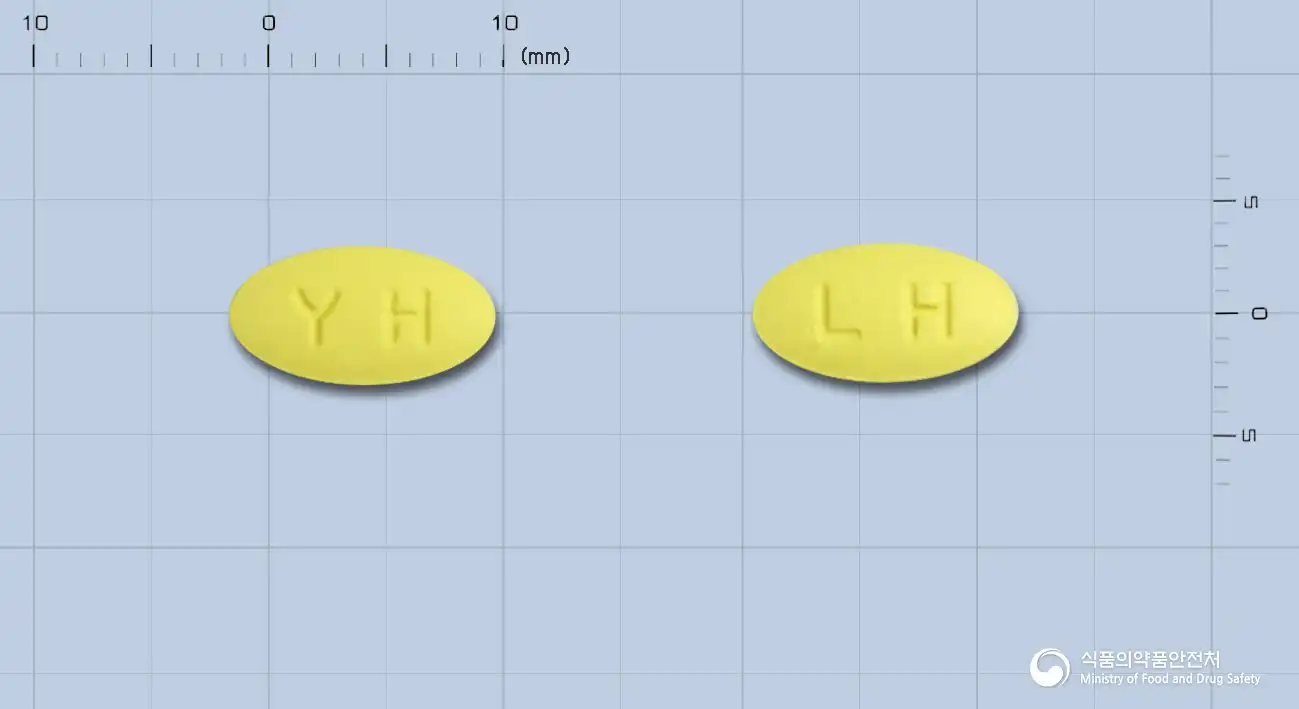 Combination
Losartan Potassium 50mg · Hydrochlorothiazide 12.5mg
Tablet · Prescription medication · Combination
(Co., Ltd.) Yuhan
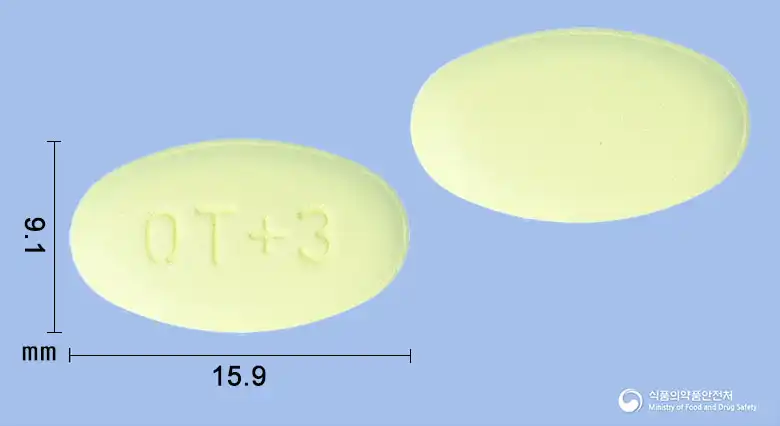 Combination
Losartan Potassium 100mg · Hydrochlorothiazide 25mg
Tablet · Prescription medication · Combination
Hanmi Pharmaceutical Co., Ltd.
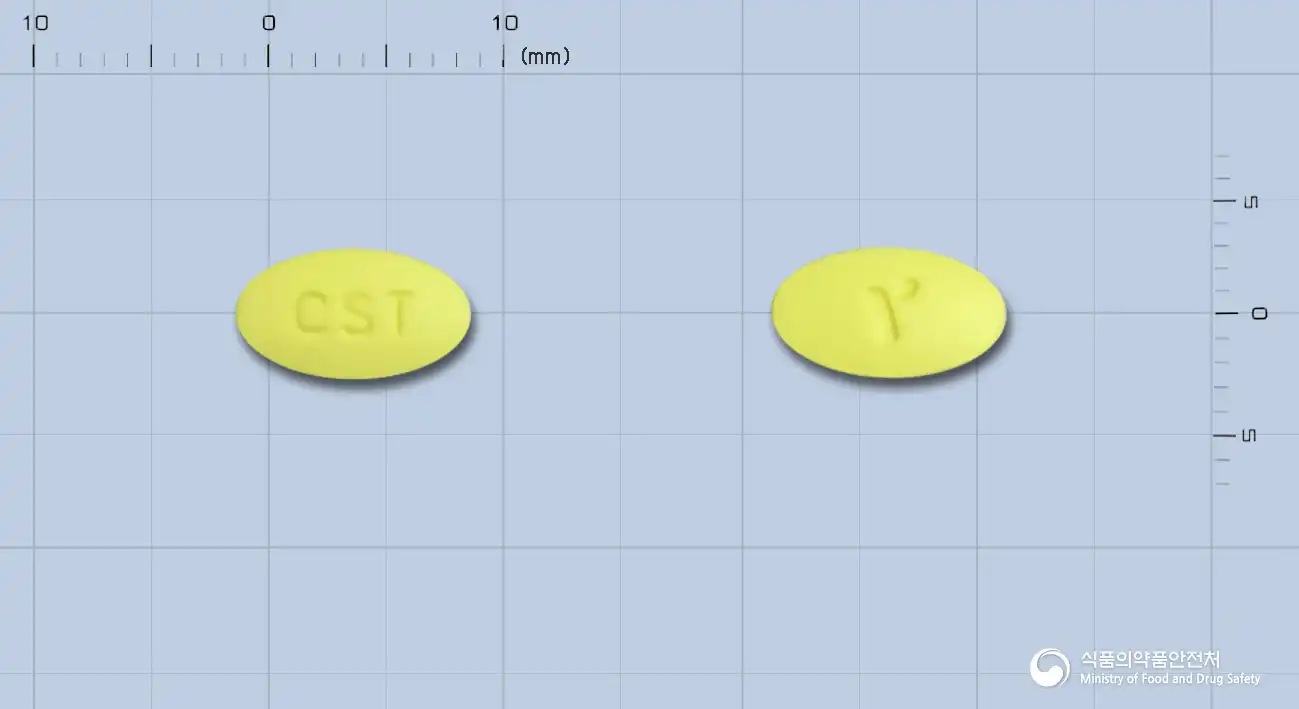 Combination
Losartan Potassium 50mg · Hydrochlorothiazide 12.5mg
Tablet · Prescription medication · Combination
(Co., Ltd. ) Yuyoung Pharmaceutical
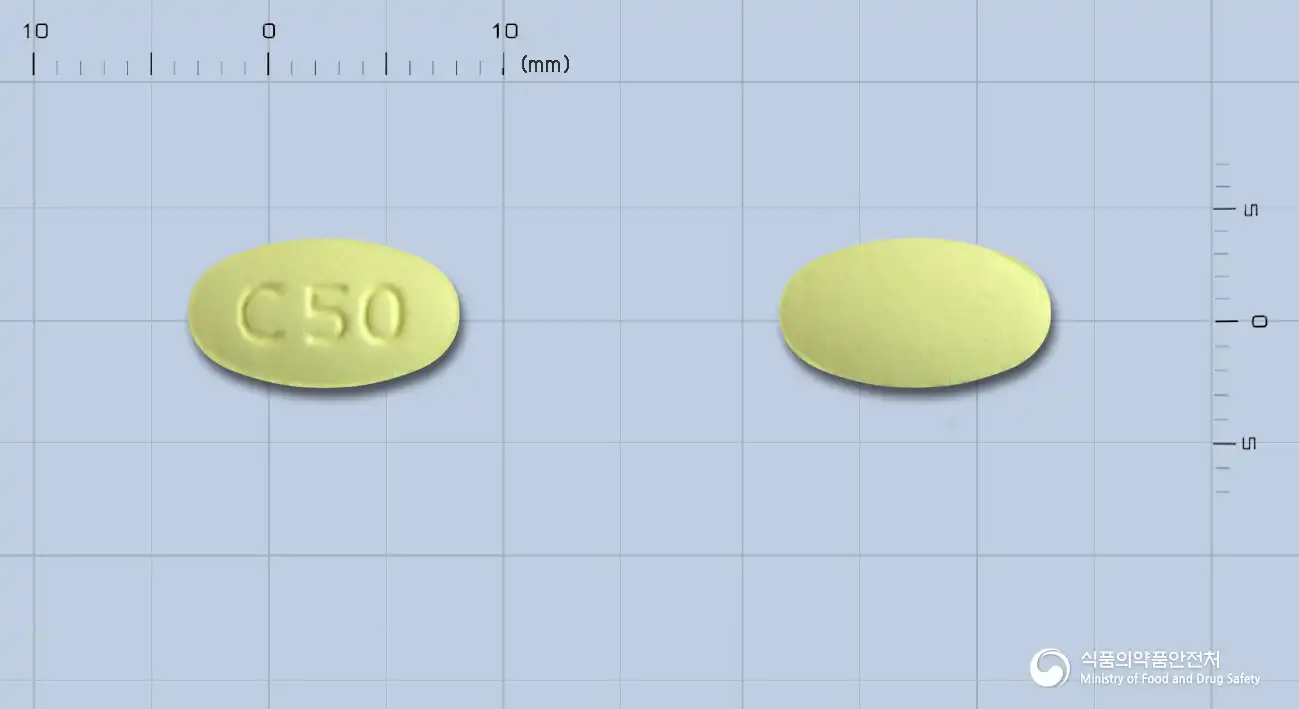 Combination
Losartan Potassium 50mg · Hydrochlorothiazide 12.5mg
Tablet · Prescription medication · Combination
Youngpoong Pharmaceutical Co., Ltd.
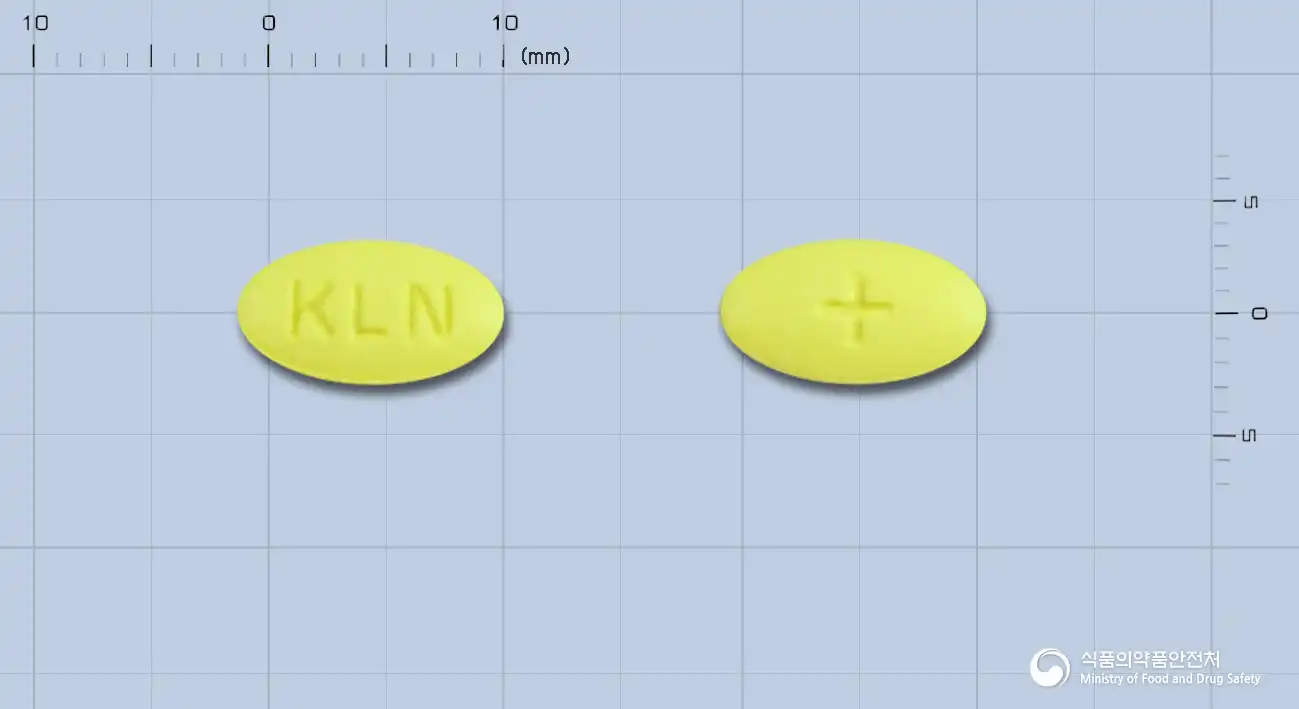 Combination
Losartan Potassium 50mg · Hydrochlorothiazide 12.5mg
Tablet · Prescription medication · Combination
Kolon Pharmaceutical Co., Ltd.
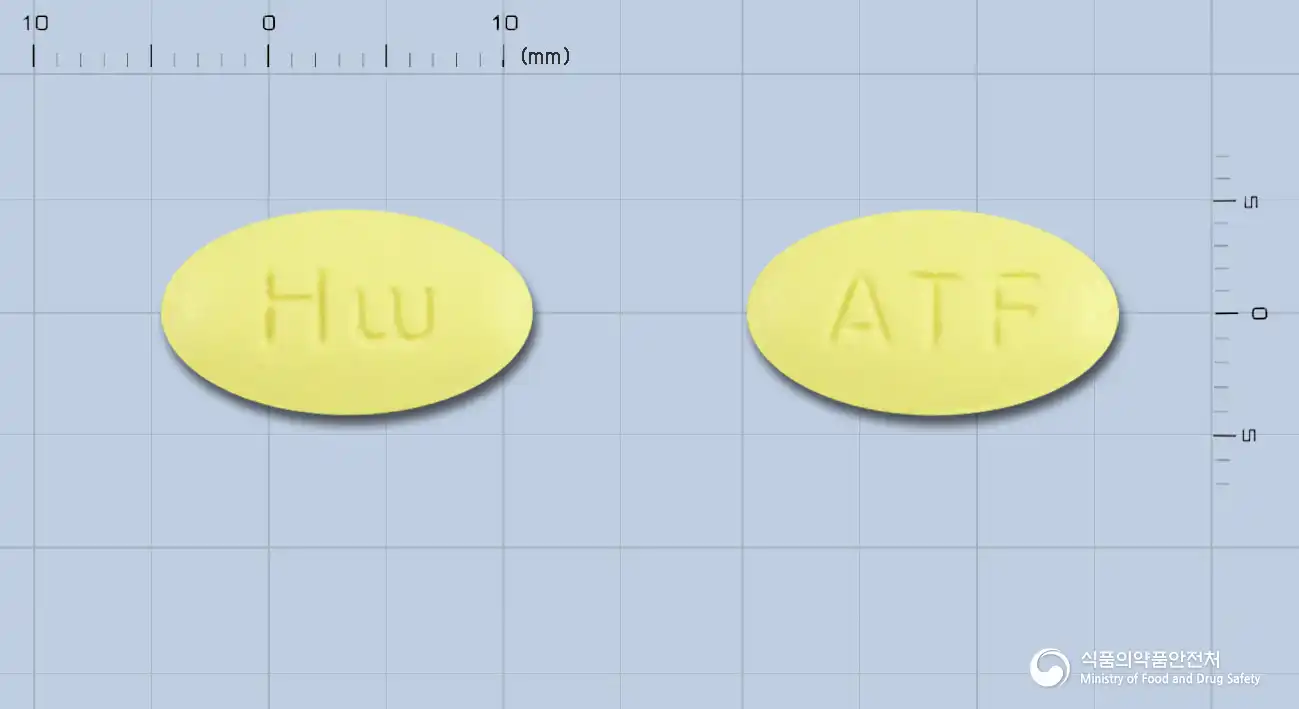 Combination
Losartan Potassium 100mg · Hydrochlorothiazide 25mg
Tablet · Prescription medication · Combination
NBK Pharmaceutical Co., Ltd.
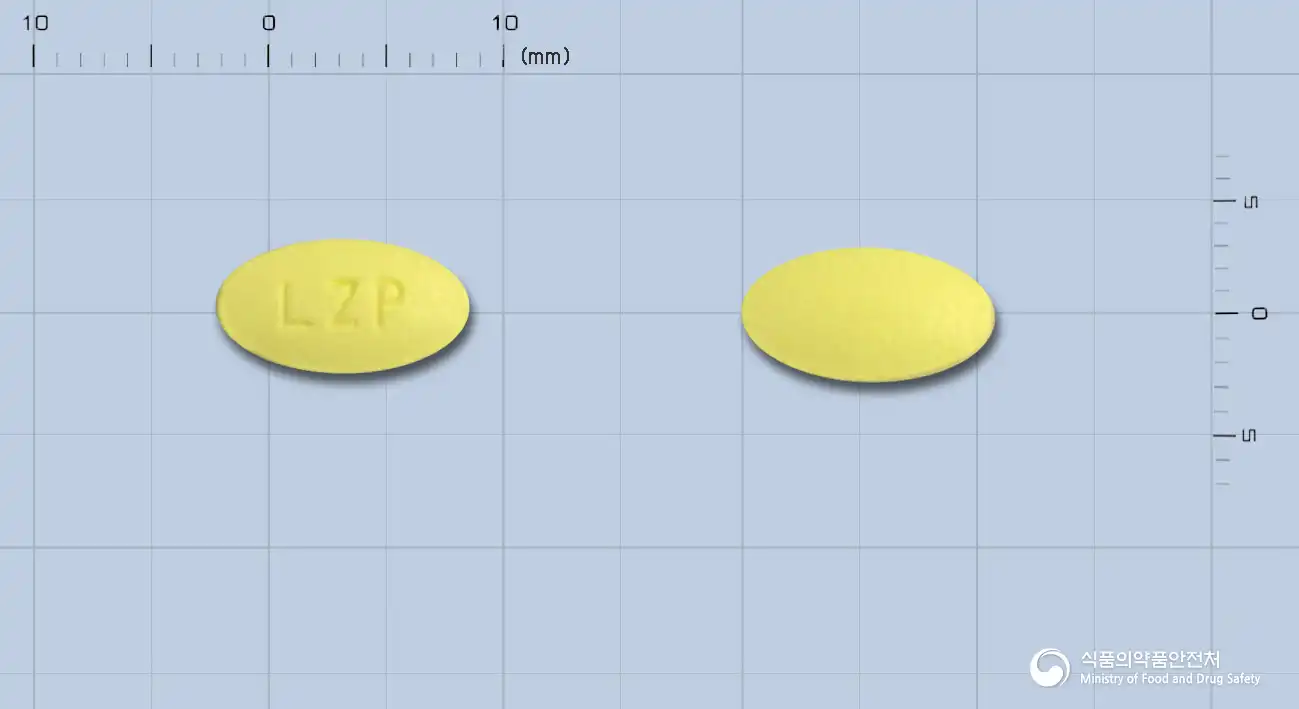 Combination
Losartan Potassium 50mg · Hydrochlorothiazide 12.5mg
Tablet · Prescription medication · Combination
Dongkwang Pharmaceutical Co., Ltd.
Even with the same ingredient, the dose and directions can differ by strength and dosage form. Talk to a doctor or pharmacist before switching from a medication you are already taking.
No questions yet.
For anything that needs medical judgment, consult a doctor or pharmacist.
This drug information is based on data provided by the Korea Ministry of Food and Drug Safety.
Consult a doctor or pharmacist for accurate dosage, administration, and usage instructions.