
 한국어
 English
 日本語
 中文(简体)
 Viewing now
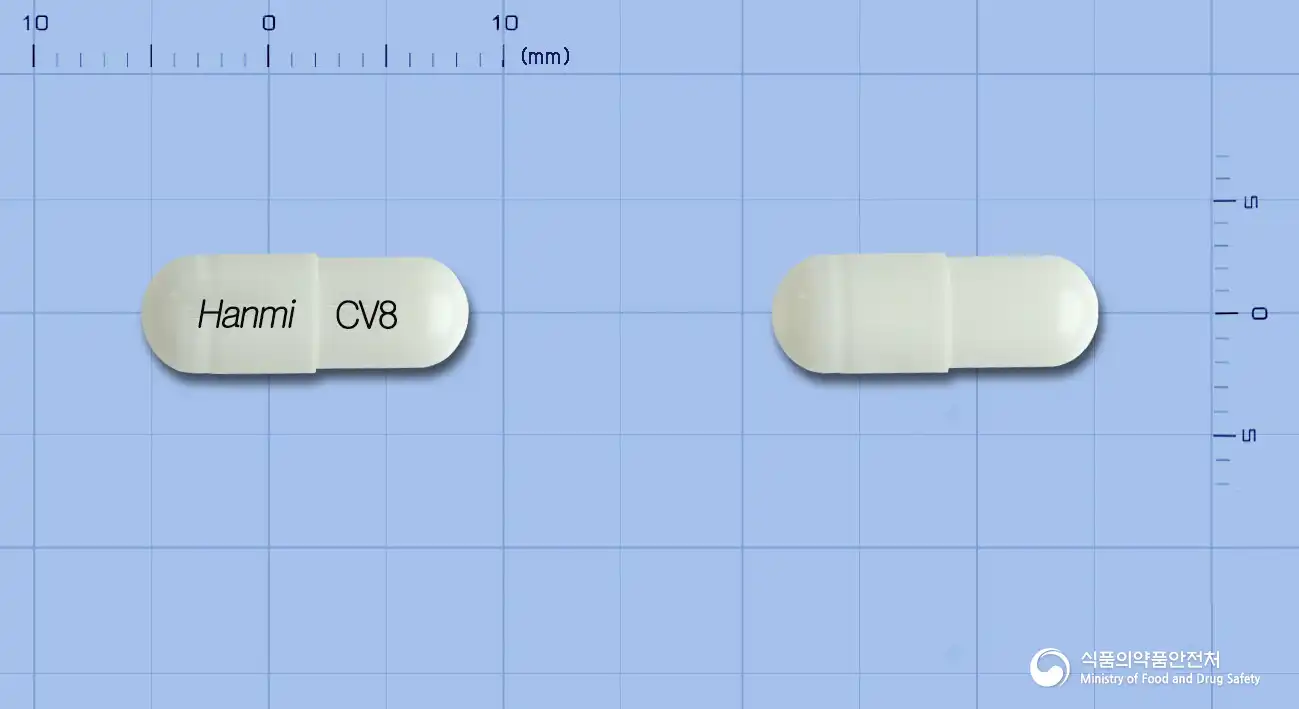
Carvedilol Extended-Release Capsules 8 mg (Carvedilol)
Carvedilol 8mg
Hard capsule · Prescription medication
Hanmi Pharmaceutical Co., Ltd.
MFDS item code 201404424 · Approved 2014.09.26 · Insurance code 643506980
Treatment of hypertension and angina; heart rate control in atrial fibrillation; adjunctive treatment of heart failure
This medication is used to treat various cardiovascular diseases, including essential hypertension, chronic stable angina, and congestive heart failure. It also provides adjunctive therapeutic effects when administered with diuretics, digitalis preparations, ACE inhibitors, and other vasodilators. It helps control heart rate in patients with atrial fibrillation. This medicine reduces the burden on the heart, stabilizes blood pressure, and contributes to symptom improvement, making it effective for managing cardiovascular diseases.
Administer this medicine orally with food. Do not increase the dose or discontinue treatment without a physician's instructions. Because this medicine is an extended-release formulation, do not break, crush, or chew it; swallow the capsule whole. Daily dose of conventional formulation → daily dose of extended-release formulation 3.125 mg per dose twice daily → 8 mg per dose once daily 6.25 mg per dose twice daily → 16 mg per dose once daily 12.5 mg per dose twice daily → 32 mg per dose once daily 25 mg per dose twice daily → 64 mg per dose once daily 50 mg per dose twice daily → 128 mg per dose once daily Essential hypertension - Adults: Administer 16 mg once daily for 2 days, then increase to 32mg once daily. Usually, after administering 32 mg once daily for 2 weeks, if the effect is insufficient, the dose may be increased to 64mg once daily. The maximum daily dose of this medicine is 64mg. Essential hypertension - Elderly patients: Administration of 16 mg of this medicine once daily may provide a sufficient therapeutic effect. If the effect is insufficient after 2 weeks of treatment, the dose may be increased. Administer cautiously while monitoring the patient's condition. Chronic stable angina: For the first 2 days, administer 32 mg of carvedilol once daily, followed by 64 mg once daily. Chronic stable angina: Usually, administer 64 mg once daily for 2 weeks. If an increase is needed (excluding elderly patients), administer 128 mg once daily. Congestive heart failure: For initial treatment, generally administer 8 mg of carvedilol once daily for 2 weeks. If the patient tolerates this treatment well, increase the dose to 16 mg once daily for 2 weeks, then to 32 mg once daily for 2 weeks, and then to 64 mg once daily. Congestive heart failure: After taking each dose for at least 2 weeks, gradually increase the dose to the maximum dose tolerated by the patient. Congestive heart failure: The minimum effective dose of this medicine is 16 mg once daily. The maximum dose is 64 mg once daily for patients weighing 85 kg or less, and 128 mg once daily for patients weighing 85 kg or more. Heart rate control in patients with atrial fibrillation: Administer 8mg of this medicine once daily. If the effect is insufficient after 2 weeks of treatment, administer 16mg once daily. If the effect is insufficient after 2 weeks of treatment, administer 32mg once daily.
This medication should not be administered to certain patients. For example, it is unsafe for those who are allergic to this drug or its components, those with cardiogenic shock, very slow heart rates, severe heart conduction disturbances, pulmonary heart disease, metabolic acidosis due to diabetes, severe heart failure, asthma, or chronic obstructive pulmonary disease. Additionally, diabetic patients, those with a history of hypersensitivity, patients with low blood pressure or poor kidney function, and the elderly should use this medication with caution and be monitored closely under a physician's guidance. During treatment, symptoms such as dizziness, headache, fatigue may occur, and cardiac-related adverse reactions such as decreased heart rate, worsening heart failure, or blood pressure drops may necessitate regular heart function checks. It may also affect liver and kidney function, so periodic monitoring of liver and kidney status is essential, and any unusual symptoms should prompt immediate consultation with healthcare providers. Women who are pregnant, possibly pregnant, or breastfeeding should avoid using this drug, and its safety in children and adolescents has not been sufficiently established, making its use inadvisable. This medication can interact with various drugs; therefore, inform healthcare providers about any other medications you are taking and monitor interactions carefully. Stopping this medication abruptly may worsen heart-related symptoms, so dosage should be gradually reduced under medical supervision, and it should not be discontinued spontaneously. This drug may discolor if exposed to light, so it should be stored in a dark, airtight container, and kept out of reach of children. Overdosing can result in serious side effects, so strictly adhere to dosages, and report any unusual symptoms immediately.
Dizziness, headache, fatigue, weakness, hallucinations, confusion, depression, sleep disorders, nightmares, psychosis, acute bradycardia, shock, complete heart block, heart failure, cardiac arrest, significant hypotension, loss of consciousness, decreased pulse rate, cold extremities, swelling, worsened renal function, renal failure, increased airway resistance, nausea, diarrhea, abdominal pain, vomiting, constipation, hives, itching, lichenoid reactions, allergic rash, thrombocytopenia, leukopenia, bradycardia, hypotension, shortness of breath, hypertension in angina, liver dysfunction, jaundice, limb pain, decreased tear production, sensory disturbance, visual impairment, eye irritation, dry mouth, urination disorders, sexual dysfunction, allergic reactions, increased triglycerides, increased blood sugar, indigestion, memory disturbances, dizziness, peripheral neuropathy, respiratory distress, epistaxis, cough, productive cough, nasopharyngitis, body ringworm, soft tissue infection, chronic tonsillitis, diverticulitis, onychomycosis, sepsis, upper respiratory tract infection, abdominal discomfort, upper abdominal pain, palpitations, chest discomfort, chest pain, fatigue, eye congestion, ligament sprain, joint swelling, pruritus, facial flushing, palpitations, heart failure, heart flutter, fainting, decreased blood pressure, increased blood uric acid, increased N-terminal brain natriuretic peptide prohormone, nausea, chest discomfort, cold, dry cough, cough
Not everyone experiences these, and they can vary from person to person.
This drug is sensitive to light and should be stored in a dark container that does not allow light in. Additionally, to maintain the efficacy of the medication, it is crucial to store it at room temperature between 1 and 30 degrees Celsius.
White to light yellow hard capsules containing immediate-release and extended-release granules.
30 capsules/bottle
Even with the same ingredient, strength, dosage form and how it is taken can differ.
Viewing nowCarvedilol 8mg
Hard capsule · Prescription medication
Hanmi Pharmaceutical Co., Ltd.
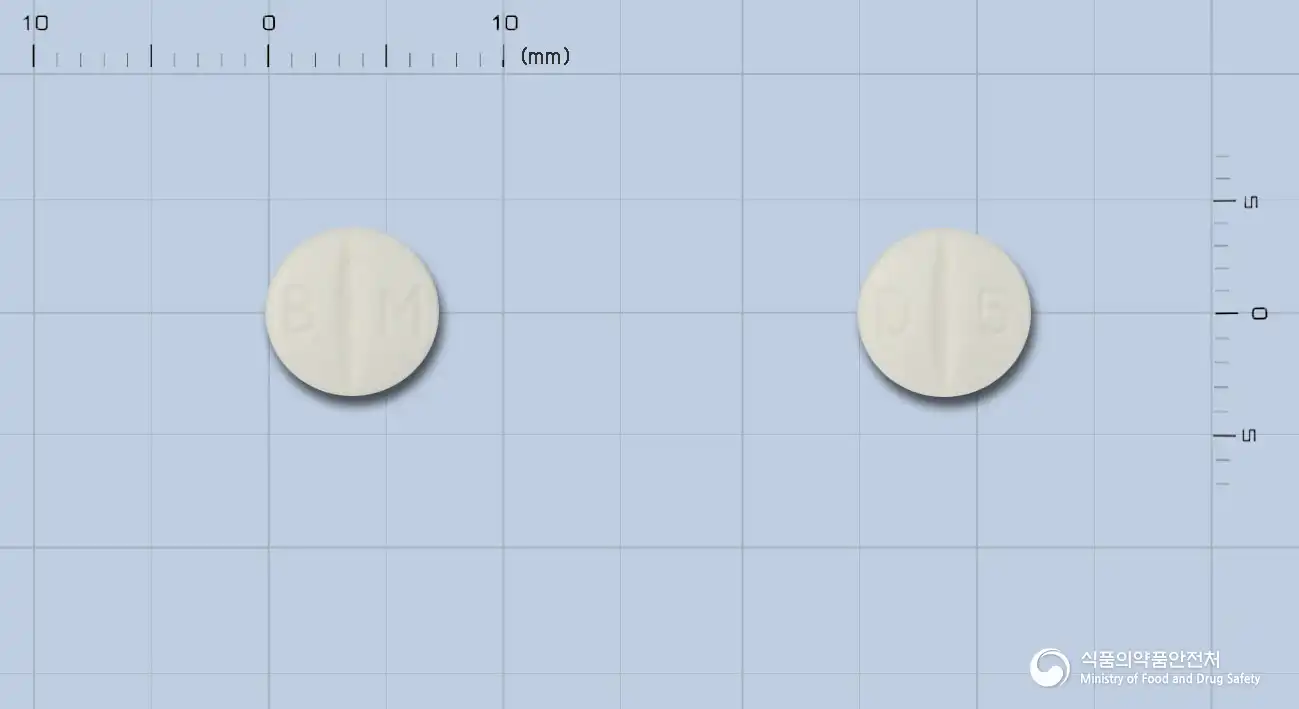
Carvedilol 25mg
Tablet · Prescription medication
Jongkun Dang Co., Ltd.
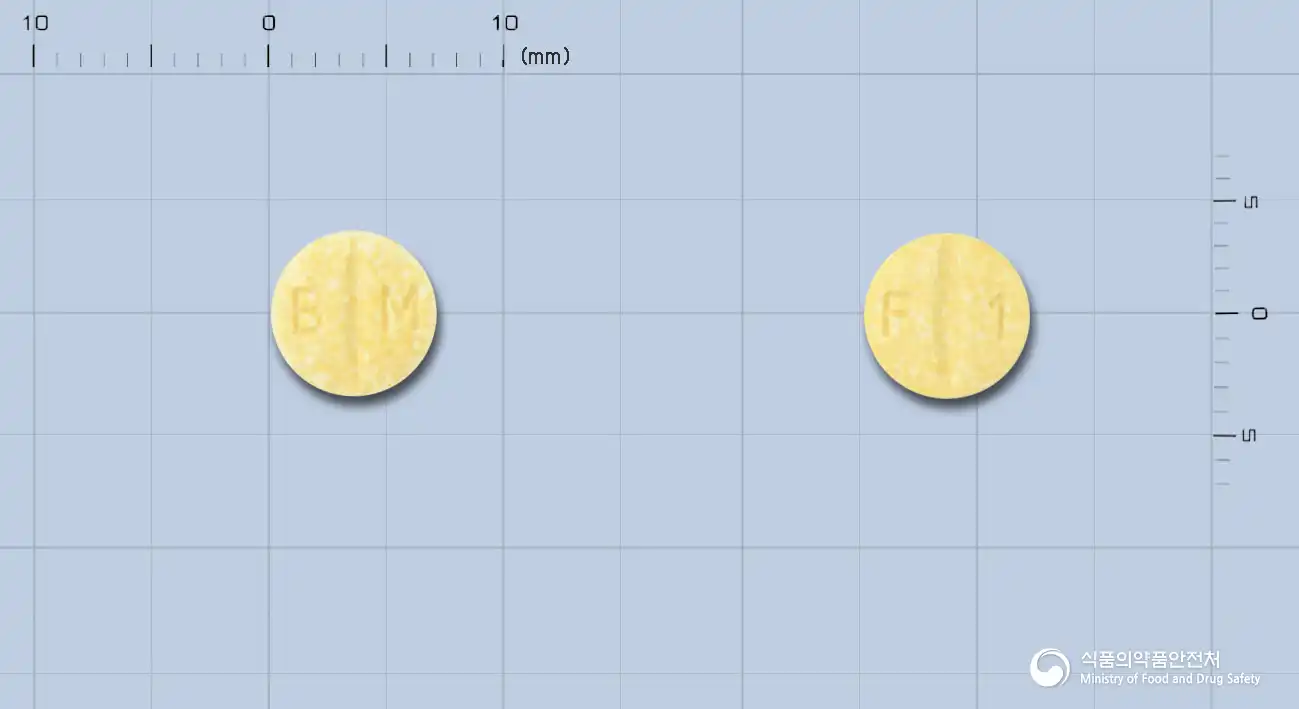
Carvedilol 6.25mg
Tablet · Prescription medication
Jongkundang Co., Ltd.
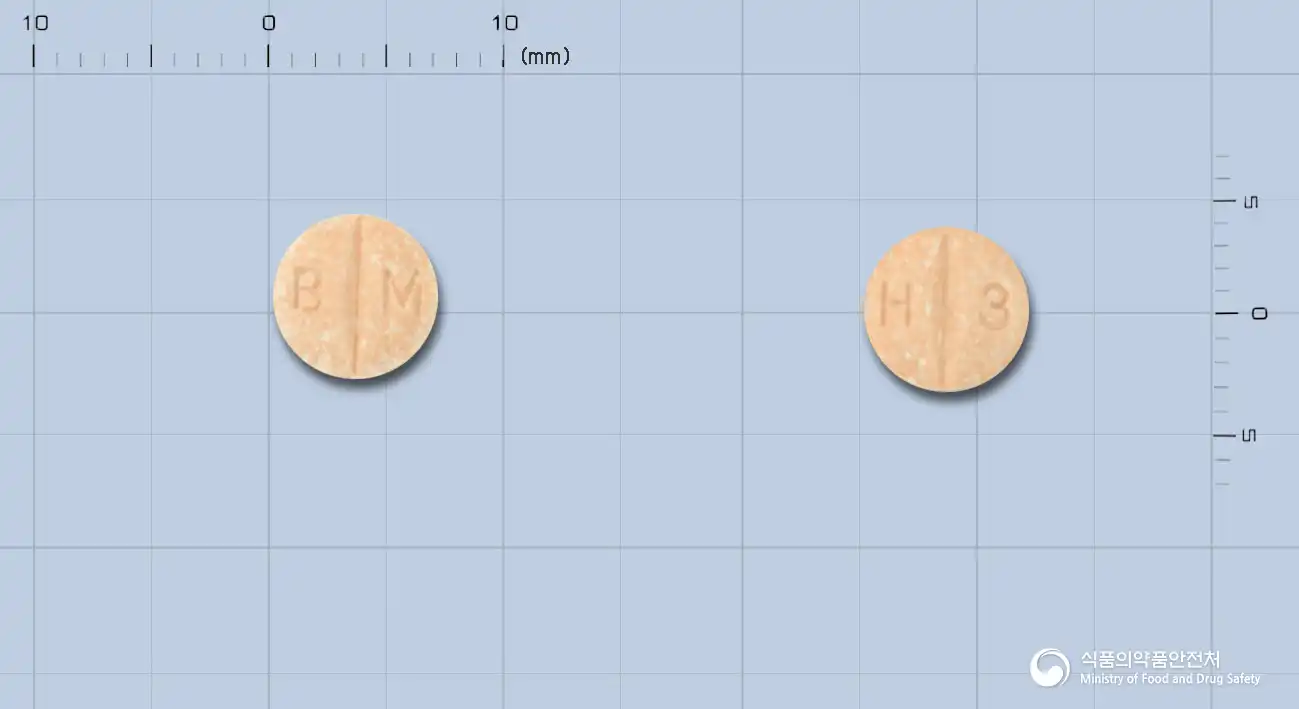
Carvedilol 12.5mg
Tablet · Prescription medication
Jongkundang Co., Ltd.
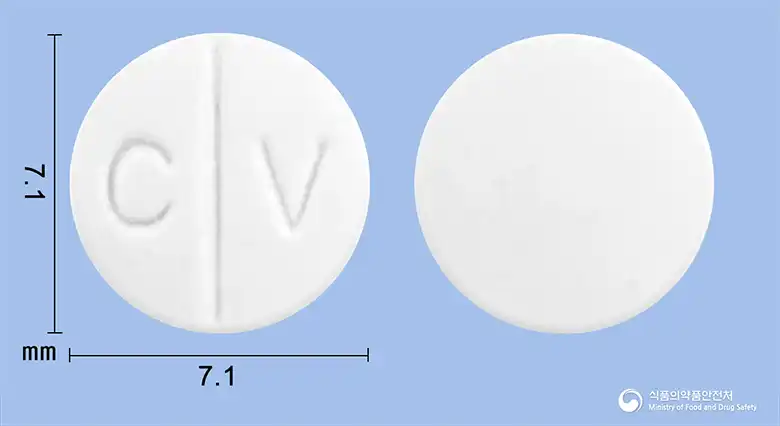
Carvedilol 25mg
Tablet · Prescription medication
Hanmi Pharmaceutical Co., Ltd.
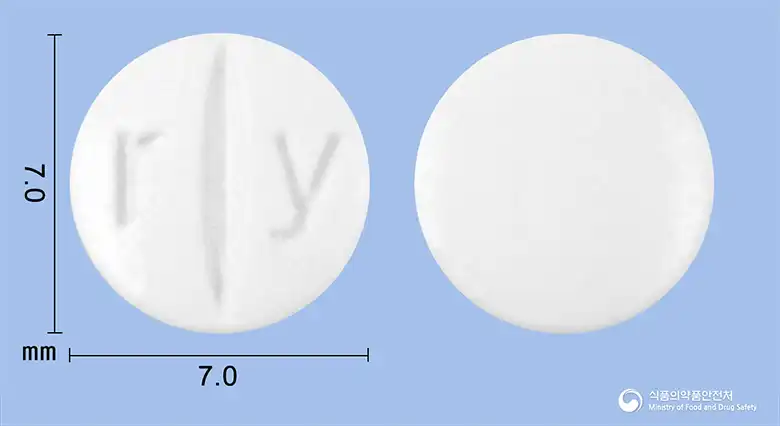
Carvedilol 25mg
Tablet · Prescription medication
Lee Yeon Pharmaceuticals Co., Ltd.
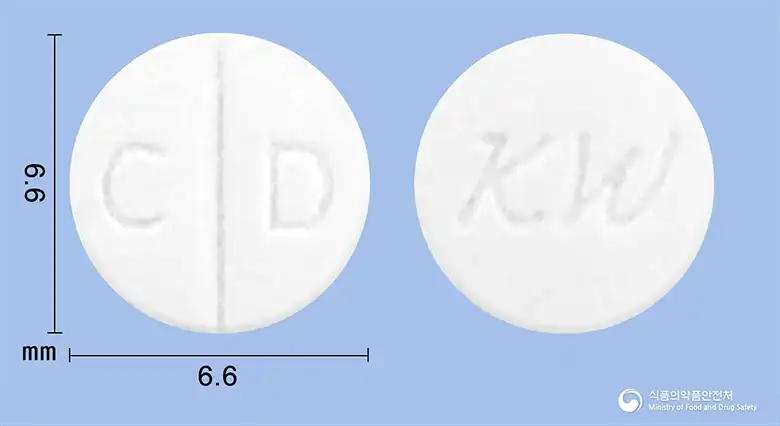
Carvedilol 25mg
Tablet · Prescription medication
Albozen Korea Co., Ltd.
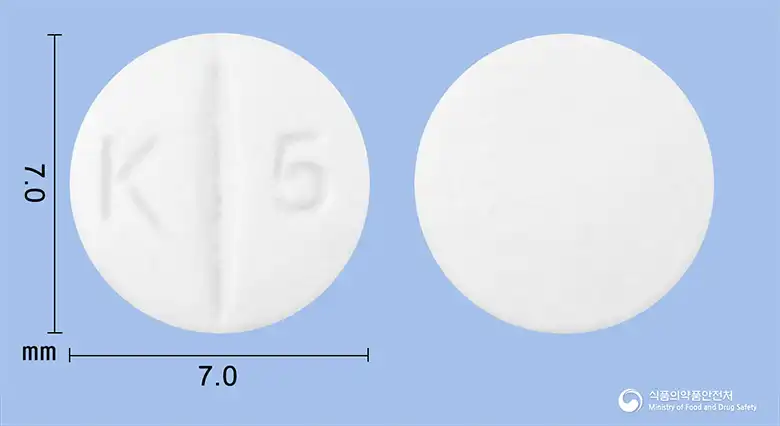
Carvedilol 25mg
Tablet · Prescription medication
Myungin Pharmaceutical Co., Ltd.
Even with the same ingredient, the dose and directions can differ by strength and dosage form. Talk to a doctor or pharmacist before switching from a medication you are already taking.
No questions yet.
For anything that needs medical judgment, consult a doctor or pharmacist.
This drug information is based on data provided by the Korea Ministry of Food and Drug Safety.
Consult a doctor or pharmacist for accurate dosage, administration, and usage instructions.