
 한국어
한국어 English
 日本語
日本語 中文(简体)
 Viewing now
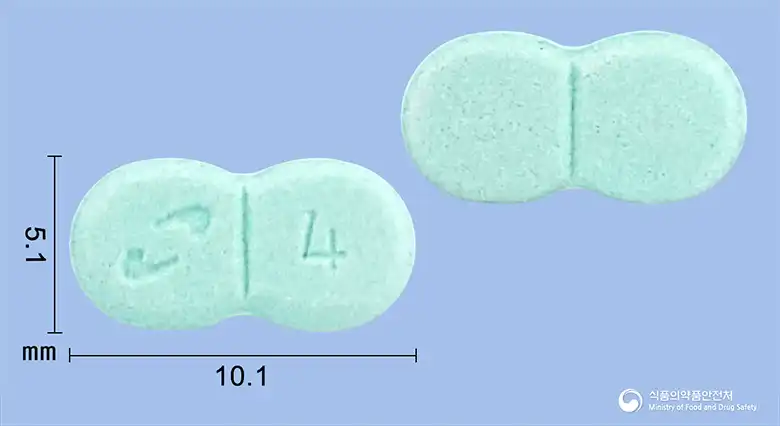
Glimepizide Tablet 4mg (Gliclazide)
Glimepiride 4mg
Tablet · Prescription medication
Celix Co., Ltd.
MFDS item code 201404009 · Approved 2014.08.28 · Insurance code 646203650
Improvement of blood sugar control in type 2 diabetes
This medication is used to improve blood sugar control in patients with type 2 diabetes. It acts as an adjunct to dietary and exercise therapy, and is administered alone or in combination with other hypoglycemic agents in cases where blood sugar control is inadequate. It is particularly used when sulfonylurea medications or monotherapy with metformin are not effective, to further enhance blood sugar control. It also aids in blood sugar management when used in conjunction with insulin. This medication improves blood sugar control by being used either alone or in combination therapy tailored to the individual’s condition.
Dosage should be individually adjusted for each patient. This medication is taken orally once a day, swallowed without chewing, with more than 1/2 cup of water. It should be taken before breakfast or immediately before the first meal. Begin with 1 mg of glimepiride once daily, and if necessary, increase the dose by 1 mg every 1 to 2 weeks. Generally, doses greater than 4 mg offer little additional effect, although some patients have shown better metabolic control with doses increased up to 6 mg (or 8 mg). If dosing 4 mg daily fails, consider switching to insulin therapy, or if not, consider combining with insulin or other oral hypoglycemic medications.
This medication is not to be used in patients with insulin-dependent diabetes or those in diabetic ketoacidosis or coma. Additionally, it is safer not to administer this medication or its ingredients to patients with known allergies or severely impaired liver or kidney function. Women who are pregnant or may become pregnant, as well as nursing mothers, should not take this medication. Patients with severe infections or those undergoing surgery, or those in severe trauma situations are advised to avoid this medication because insulin therapy is recommended. Patients with gastrointestinal disorders should be cautious due to the risk of hypoglycemia from impaired food absorption. This medication contains lactose and should not be given to patients with lactose intolerance or specific genetic metabolic disorders. During the first week of treatment, there is a higher risk of hypoglycemia, and blood sugar should be closely monitored, especially in elderly patients, those with poor nutritional status, individuals with irregular eating habits, or patients with reduced kidney or liver function. Additionally, the risk of hypoglycemia may increase in patients with certain endocrine disorders or those taking other medications, so it is essential to inform the attending physician or pharmacist. This medication can cause hypoglycemia, with symptoms including headaches, severe hunger, nausea, fatigue, confusion, drowsiness, and loss of consciousness; therefore, immediate action should be taken if these symptoms occur. Transient blurred vision may occur, as well as gastrointestinal symptoms such as nausea, vomiting, and abdominal pain. Serious side effects such as liver dysfunction or changes in blood cell counts can occur, so any unusual symptoms should be discussed with a healthcare professional. An allergic reaction can cause skin rashes, itching, and, in severe cases, breathing difficulties or shock, so if hives occur, immediate consultation with a physician is necessary. When taking this medication, dietary and exercise therapies should be maintained, and sugars should be consumed promptly to alleviate symptoms in cases of hypoglycemia. Furthermore, when receiving treatment at other hospitals or pharmacies, it is crucial to inform them about the use of this medication and the diabetic condition, and insulin therapy may be initiated during stressful situations or infections. Elderly patients should be cautious about dosage adjustments due to the potential for increased drug concentrations due to declining kidney function. In cases of overdose, severe hypoglycemia may occur, necessitating immediate emergency treatment, and appropriate care should be followed according to the physician’s directives. The safety and efficacy of this medication in children have not been established, so it should not be used in pediatric patients. When storing, keep it out of reach of children, and store it in its original container.
Hives, severe swelling (edema), difficulty breathing, hypotension, anaphylaxis, angioedema, skin and mucous membrane syndrome (Stevens-Johnson syndrome), jaundice, liver function failure, severe blood count changes (including thrombocytopenic purpura), severe hypoglycemia, stroke-like symptoms (seizures, confusion, etc.).
Not everyone experiences these, and they can vary from person to person.
This medication should be stored in a sealed container to protect it from air and moisture. It is important to maintain a storage temperature between 1 degree and 30 degrees Celsius, at room temperature.
Light blue oblong tablet
30 tablets/bottle, 500 tablets/bottle
Even with the same ingredient, strength, dosage form and how it is taken can differ.
Viewing nowGlimepiride 4mg
Tablet · Prescription medication
Celix Co., Ltd.
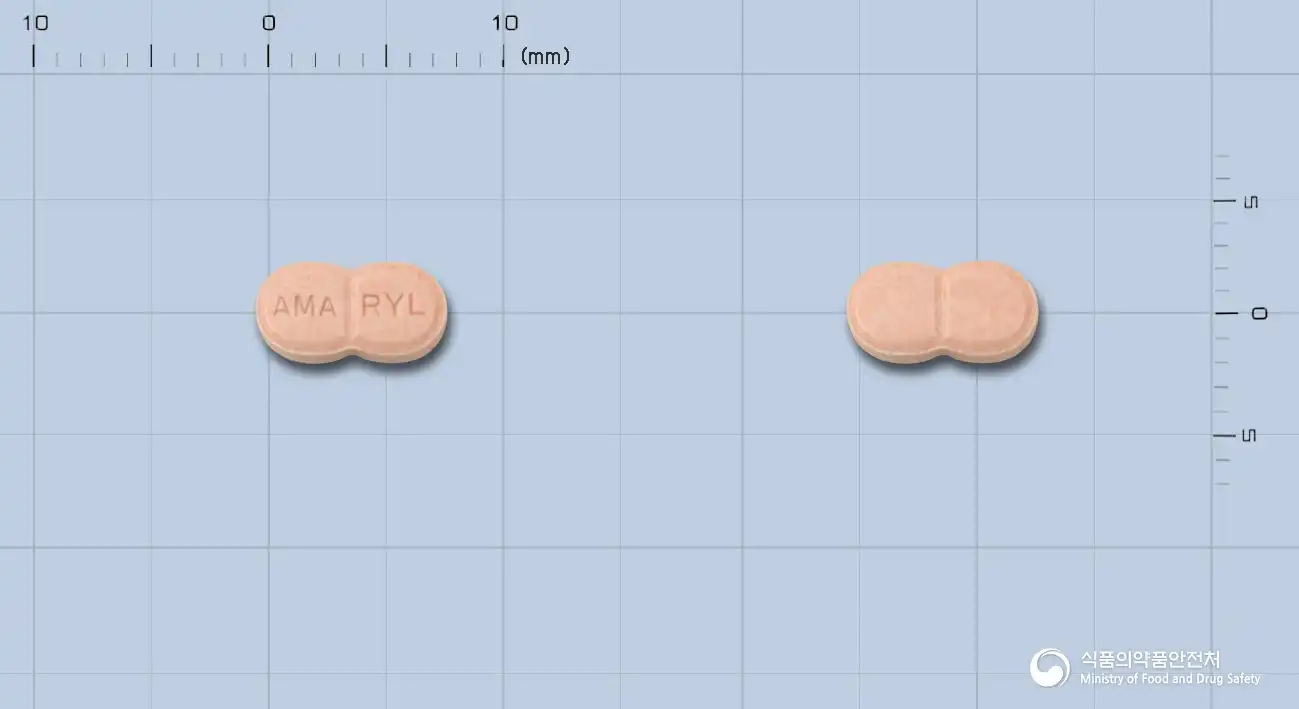
Glimepiride 1mg
Tablet · Prescription medication
Handok Co., Ltd.
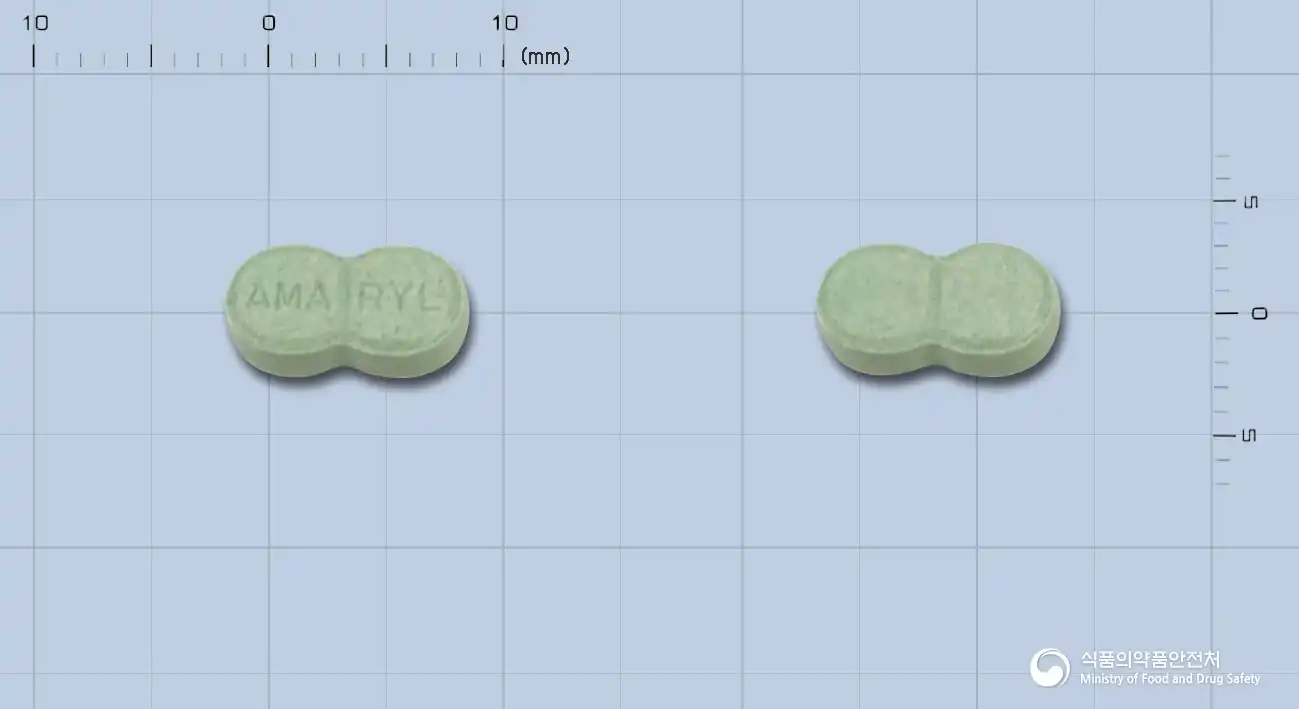
Glimepiride 2mg
Tablet · Prescription medication
Handok Co., Ltd.
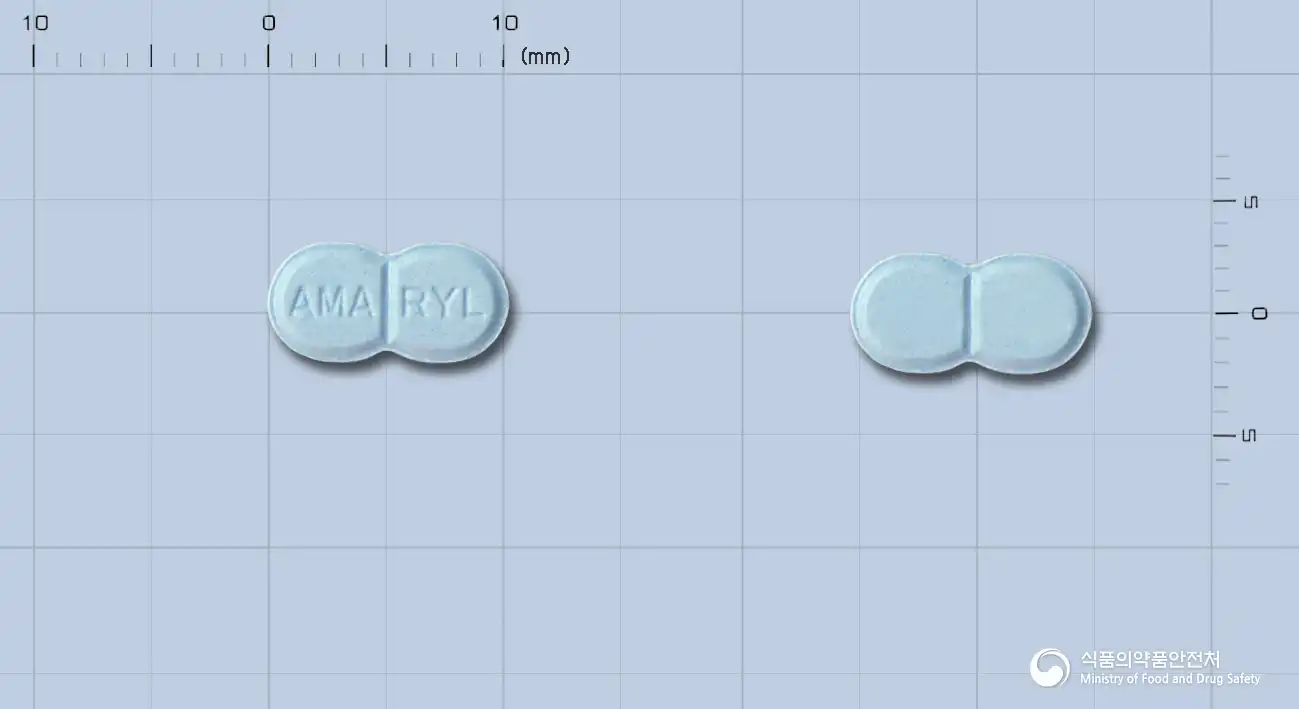
Glimepiride 4mg
Tablet · Prescription medication
(Hanmi Pharmaceutical Co., Ltd.)
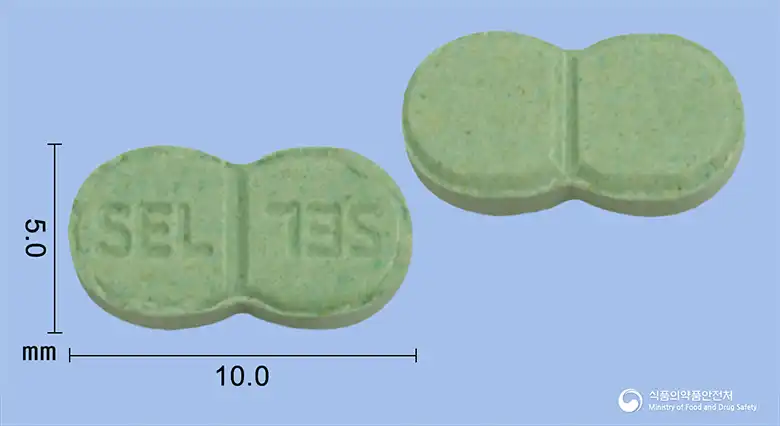
Glimepiride 2mg
Tablet · Prescription medication
Seoul Pharmaceutical Co., Ltd.
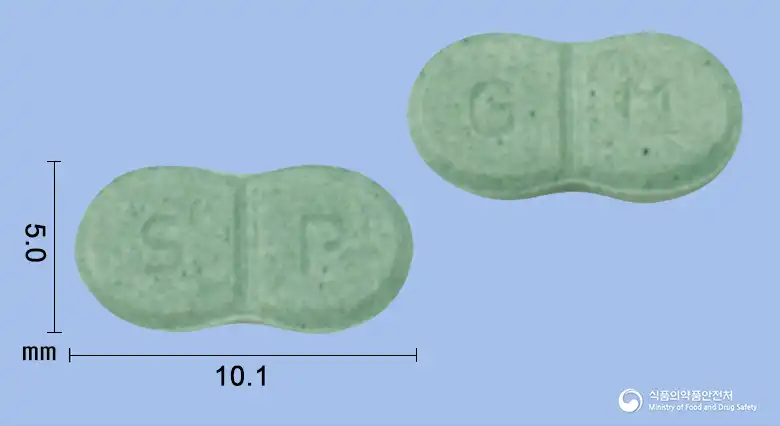
Glimepiride 2mg
Tablet · Prescription medication
Shinpoong Pharmaceutical Co., Ltd.
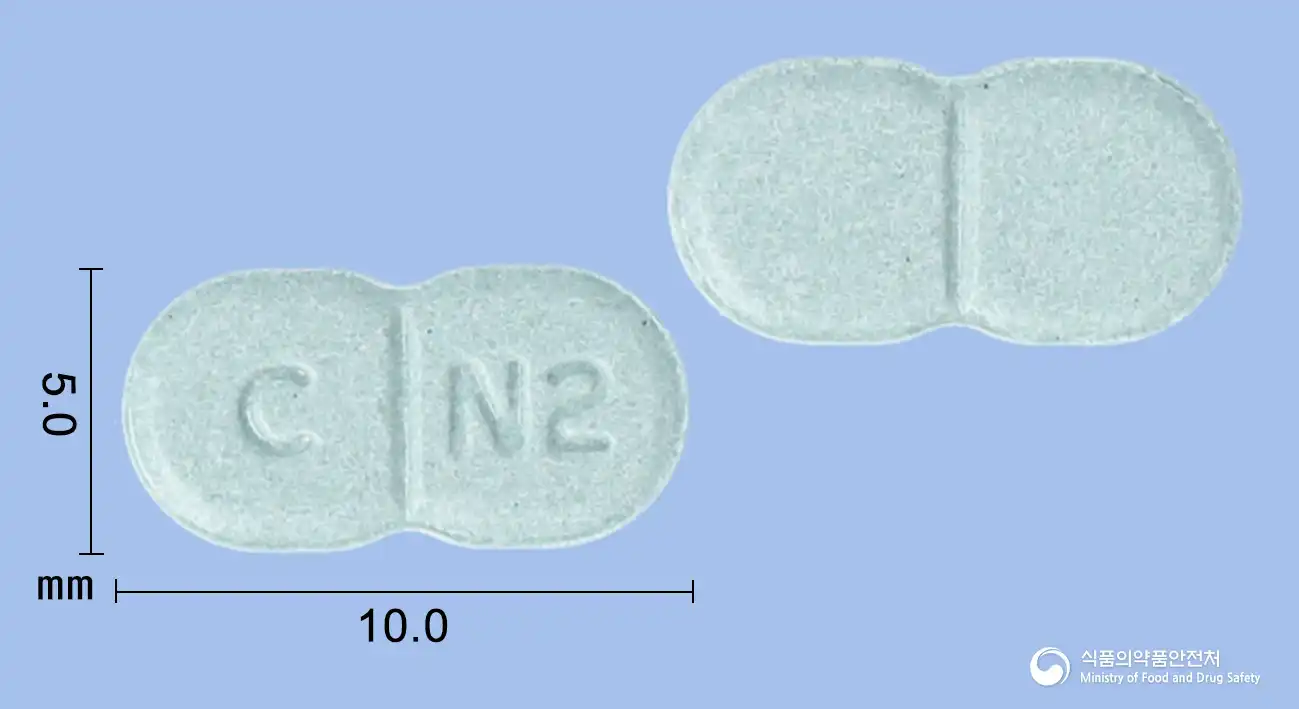
Glimepiride 2mg
Tablet · Prescription medication
Jongkundang Co., Ltd.
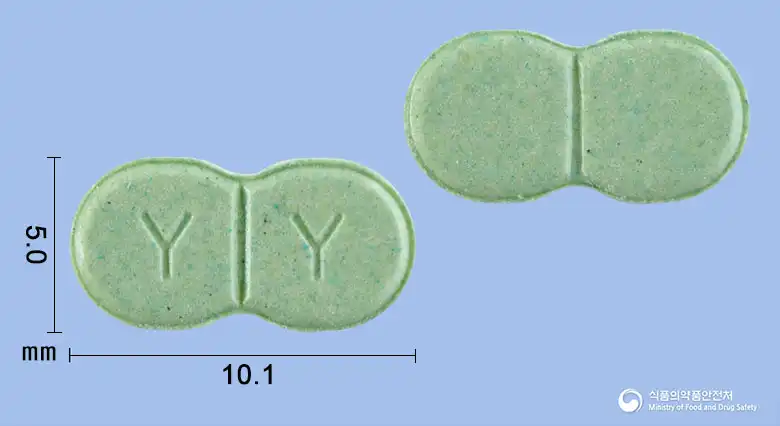
Glimepiride 2mg
Tablet · Prescription medication
IYun Pharmaceuticals Co., Ltd.
Even with the same ingredient, the dose and directions can differ by strength and dosage form. Talk to a doctor or pharmacist before switching from a medication you are already taking.
No questions yet.
For anything that needs medical judgment, consult a doctor or pharmacist.
This drug information is based on data provided by the Korea Ministry of Food and Drug Safety.
Consult a doctor or pharmacist for accurate dosage, administration, and usage instructions.