
 한국어
한국어 English
 日本語
日本語 中文(简体)
 Viewing now
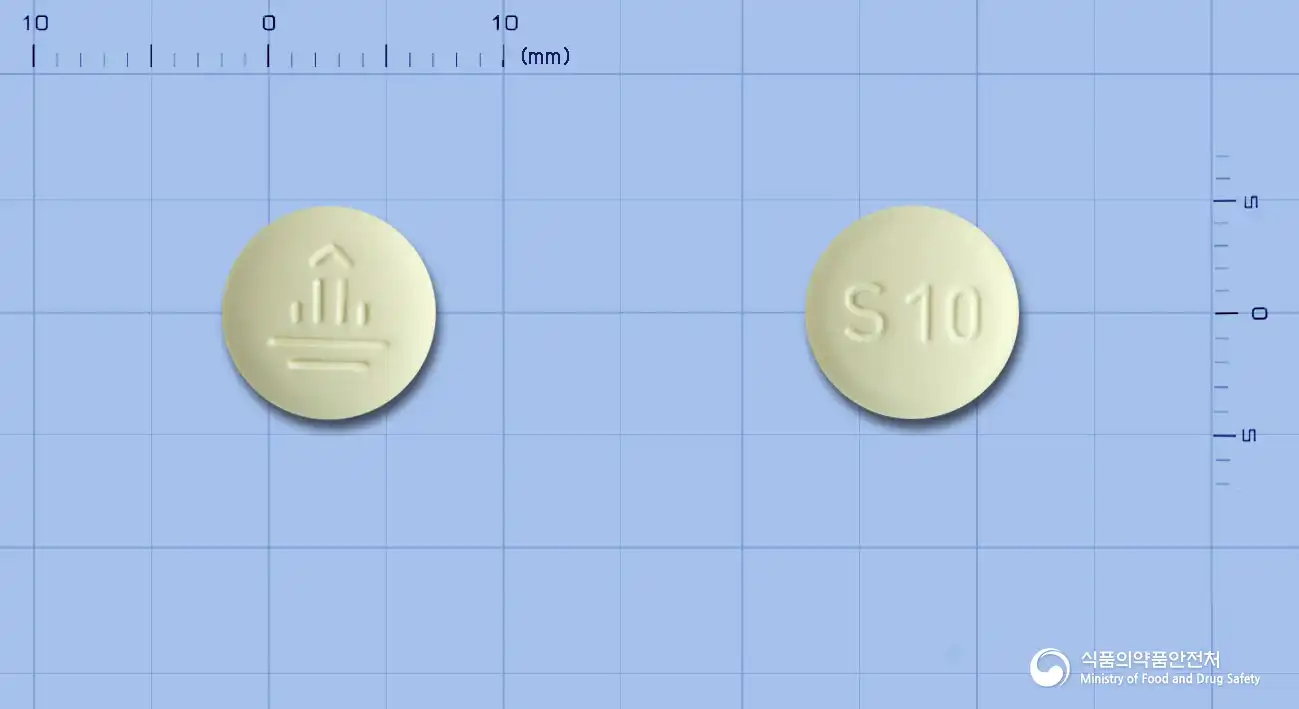
Jardiance Tablet 10 mg (Empagliflozin)
Empagliflozin 10mg
Tablet · Prescription medication
Boehringer Ingelheim Korea Co., Ltd.
MFDS item code 201403744 · Approved 2014.08.12 · Insurance code 653501460
Improvement of blood sugar control in type 2 diabetes, reduction of cardiovascular disease risk in chronic heart failure and kidney disease
This medication is used in conjunction with dietary and exercise therapy to improve blood sugar control in adults with type 2 diabetes. Additionally, it is administered cautiously to diabetic patients with accompanying cardiovascular disease. In patients with chronic heart failure, it is used together with other medications to reduce the risk of worsening heart failure and mortality from cardiovascular disease. In patients with chronic kidney disease, it helps reduce the risk of renal function deterioration and mortality from cardiovascular disease. Thus, this medication is effectively used for the treatment of diabetes, heart failure, and kidney disease.
For Type 2 diabetes: The recommended dosage is 10 mg once daily for monotherapy and adjunctive therapy with insulin and other glucose-lowering medications. If the patient exhibits good tolerability and requires additional blood sugar control, the dosage may be increased to 25 mg once daily. For chronic heart failure: 10 mg once daily. For chronic kidney disease: 10 mg once daily, co-administered with other standard therapies for chronic kidney disease. This medication can be taken regardless of meals.
This medication should not be used in patients with allergies to the active ingredient or any components. It should also not be administered to patients with type 1 diabetes or diabetic ketoacidosis. Furthermore, patients with lactose intolerance or specific genetic metabolic disorders should avoid this medication. Patients with diminished renal function should use this medication cautiously and kidney function should be regularly monitored before and during treatment. It is not recommended for patients with severe kidney impairment or those on dialysis. When taken with insulin or insulin secretagogues like sulfonylureas, there may be a risk of hypoglycemia, so dosage adjustments may be necessary. This medication can cause various side effects such as hypoglycemia, genital infections, urinary tract infections, volume depletion, and increased urination. Elderly patients or those at risk for volume depletion should be particularly cautious of side effects. Severe metabolic disturbances such as ketoacidosis can occur, so if symptoms like vomiting, abdominal pain, or difficulty breathing arise, immediate consultation with a healthcare provider is required. This medication may also pose a risk of liver damage, so symptoms of liver dysfunction should be reported. Additionally, there is a rare risk of severe infections such as necrotizing fasciitis, so if pain, swelling, or redness occurs around the genital area, immediate medical attention is necessary. Women who are pregnant or planning to become pregnant should avoid this medication, and if pregnancy is confirmed, it should be discontinued immediately. Nursing mothers should also discontinue breastfeeding while taking this medication. It is not used in children under the age of 18 as its safety and efficacy have not been established. When taking this medication, caution should be exercised to reduce the risk of hypoglycemia while driving or operating machinery. There have been no reports of specific toxicity with overdose, but if symptoms occur, immediate medical attention should be sought. This medication should be kept out of the reach of children and should not be transferred to other containers.
Hives, severe swelling (edema), ketoacidosis, angioedema, necrotizing fasciitis, urinary tract sepsis, pyelonephritis, severe rash accompanied with high fever, blisters, skin peeling, oral/ocular mucosal pain, shortness of breath or difficulty breathing, asthma attacks, respiratory abnormalities accompanied by cough + fever, yellowing of the skin or eyes (jaundice), extreme malaise, sudden and severe headache, thunderclap headache, seizures, confusion, visual disturbances.
Not everyone experiences these, and they can vary from person to person.
This medication should be stored in a tightly closed container to protect it from air and moisture, at a temperature between 1 and 30 degrees Celsius. Proper storage will maintain the efficacy and safety of the medication.
Light yellow, round, biconvex film-coated tablet with rounded edges
30 tablets/PTP [(10 tablets/PTP * 3)], 10 tablets/PTP [(10 tablets/PTP * 1)]
Even with the same ingredient, strength, dosage form and how it is taken can differ.
Viewing nowEmpagliflozin 10mg
Tablet · Prescription medication
Boehringer Ingelheim Korea Co., Ltd.
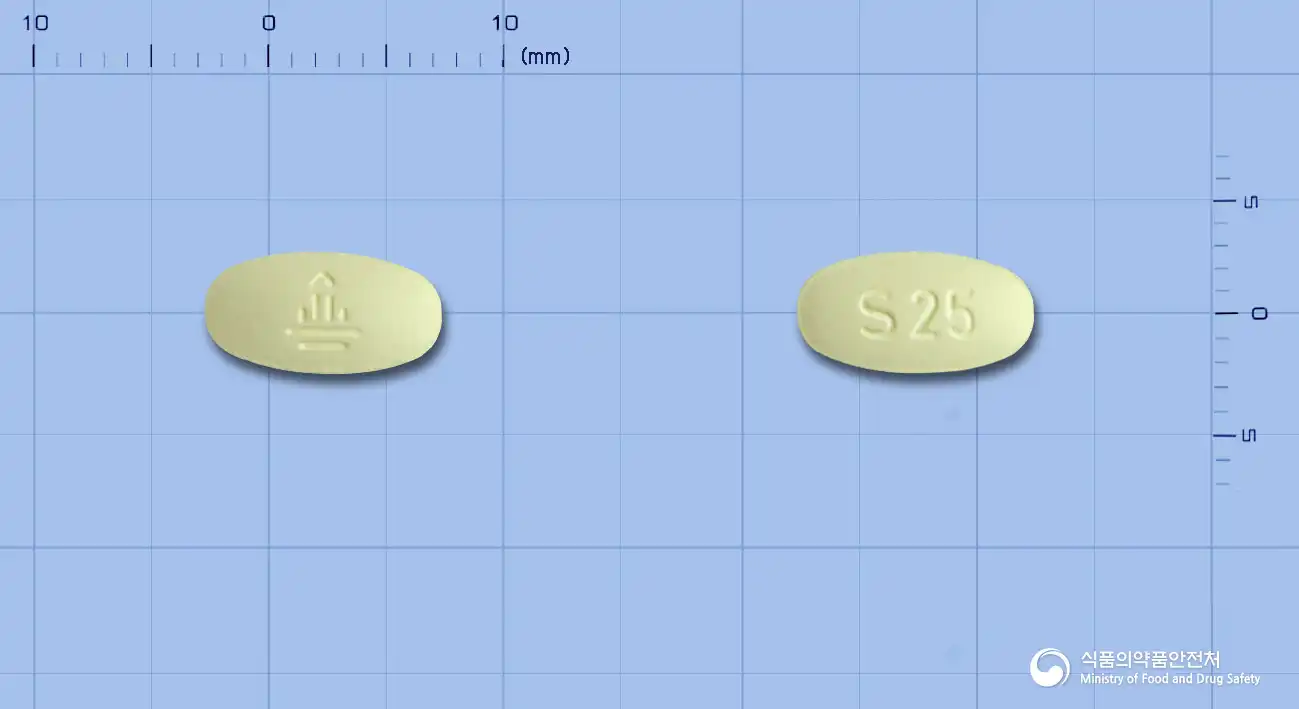
Empagliflozin 25mg
Tablet · Prescription medication
Boehringer Ingelheim Korea Co., Ltd.
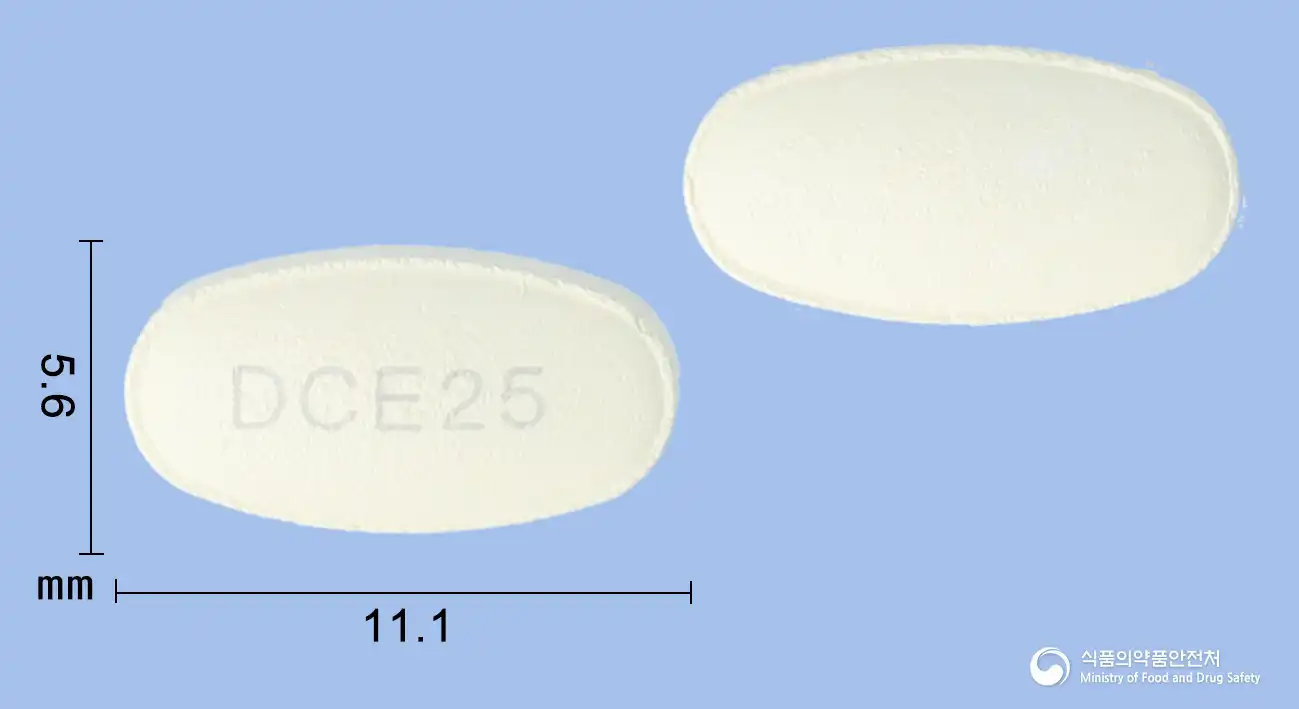
Empagliflozin 25mg
Tablet · Prescription medication
Donggu Bio Pharmaceutical Co., Ltd.
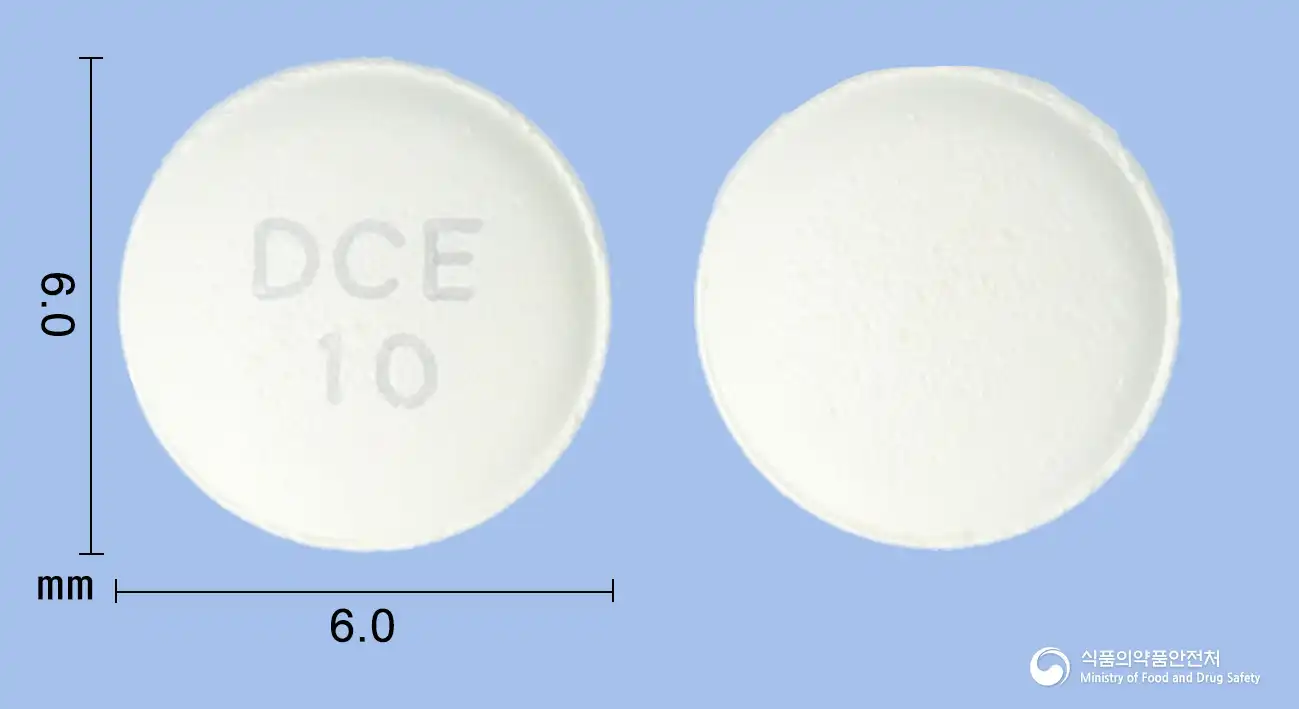
Empagliflozin 10mg
Tablet · Prescription medication
Dong Gu Bio Pharmaceutical Co., Ltd.
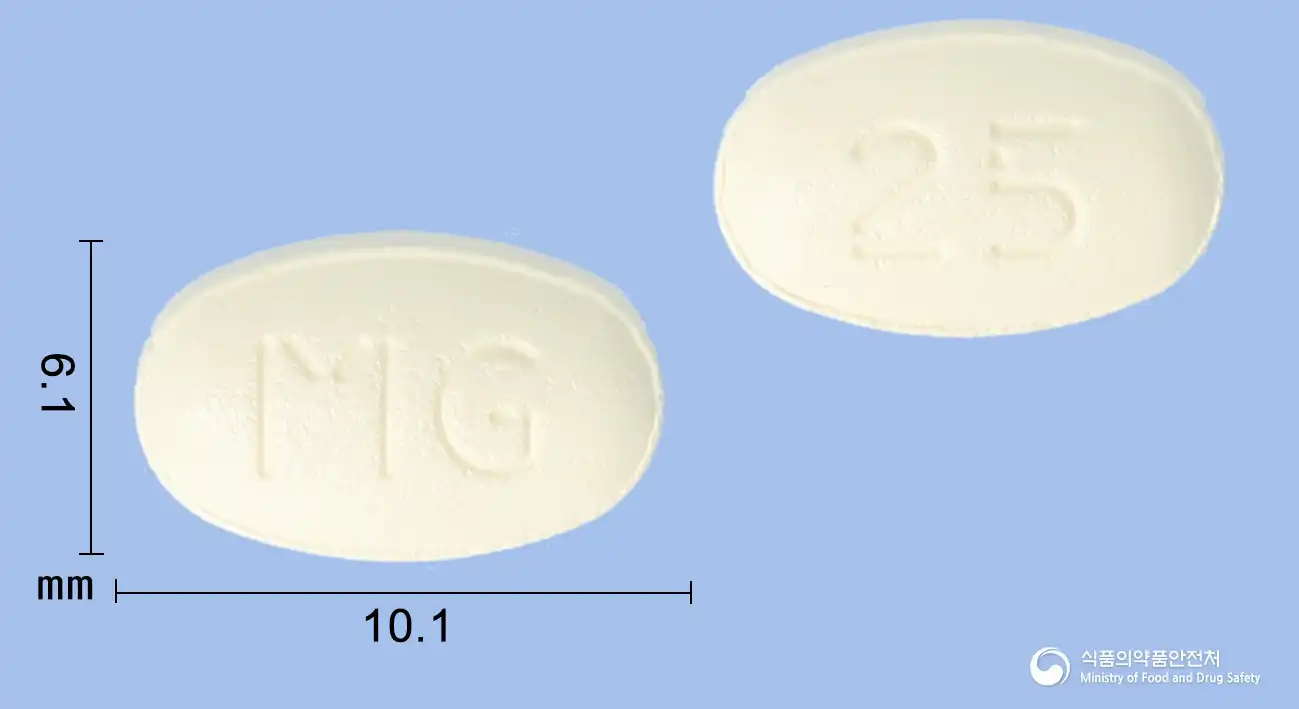
Empagliflozin 25mg
Tablet · Prescription medication
Korea Prime Pharmaceuticals Co., Ltd.
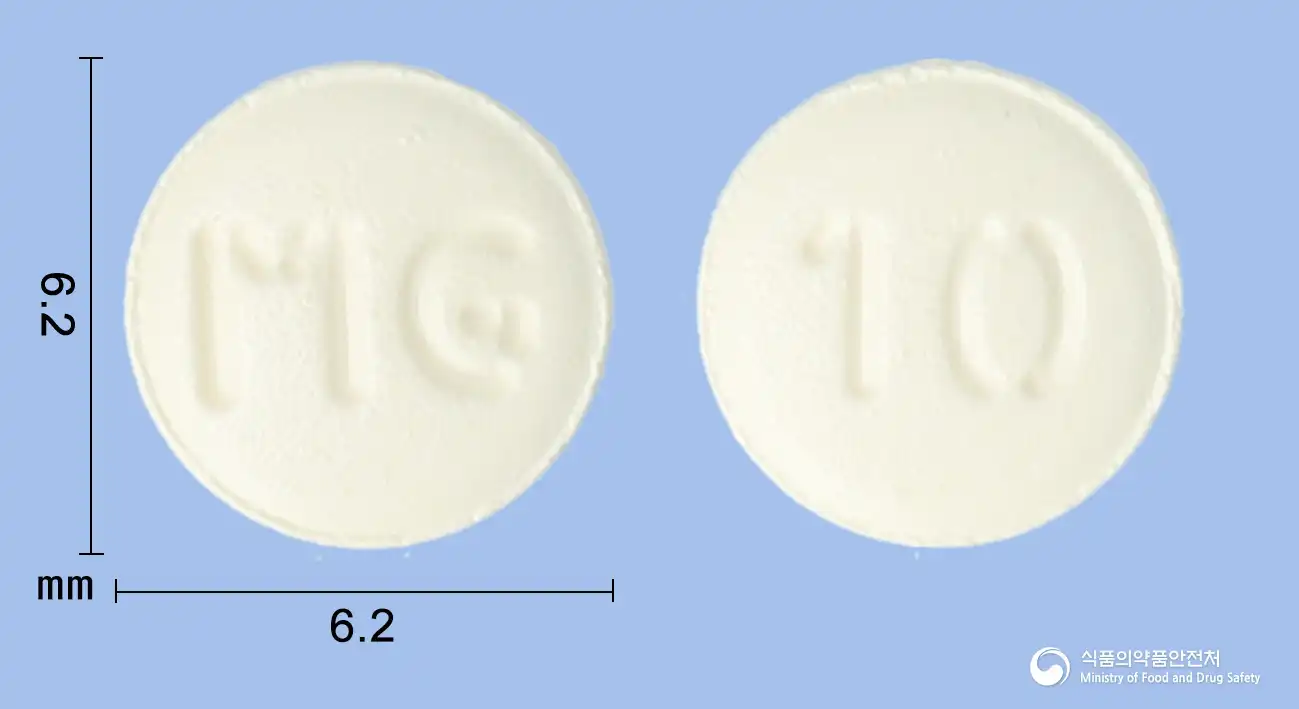
Empagliflozin 10mg
Tablet · Prescription medication
Korea Prime Pharmaceutical Co., Ltd.
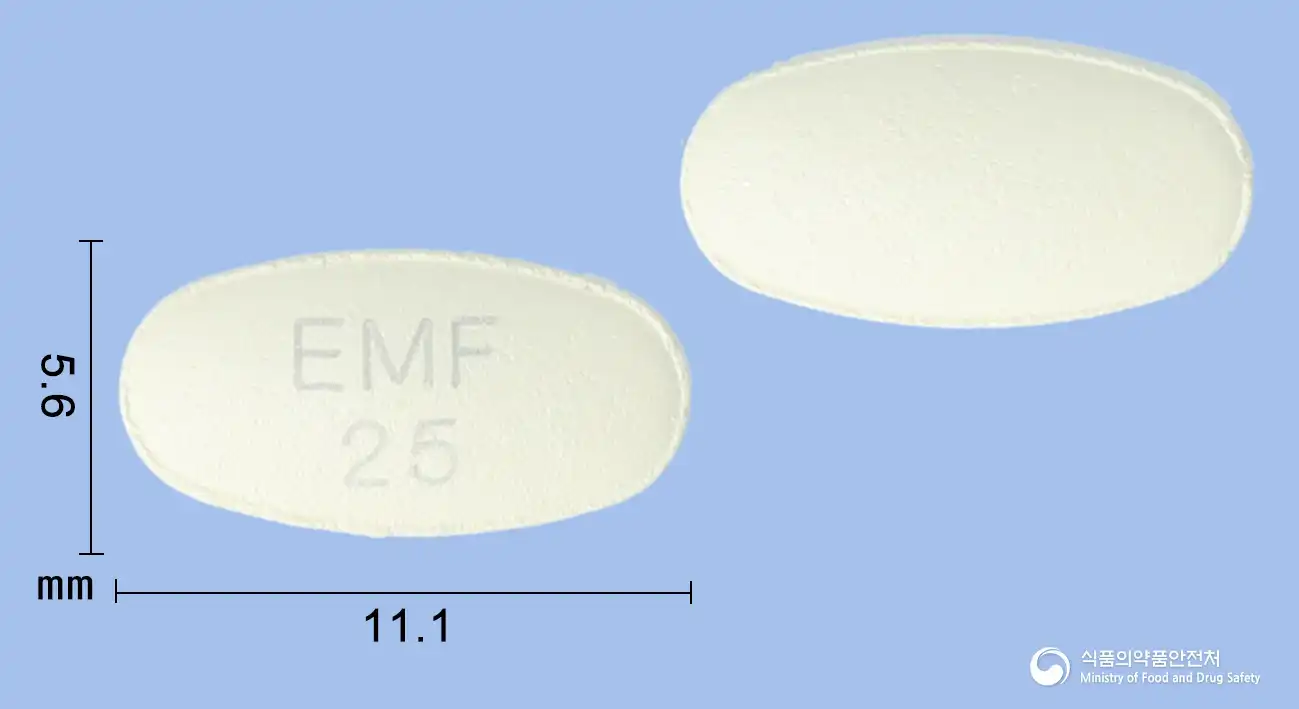
Empagliflozin 25mg
Tablet · Prescription medication
Kips Biopharma Co., Ltd.
Empagliflozin 10mg
Tablet · Prescription medication
Keeps Biopharma Co., Ltd.
Even with the same ingredient, the dose and directions can differ by strength and dosage form. Talk to a doctor or pharmacist before switching from a medication you are already taking.
No questions yet.
For anything that needs medical judgment, consult a doctor or pharmacist.
This drug information is based on data provided by the Korea Ministry of Food and Drug Safety.
Consult a doctor or pharmacist for accurate dosage, administration, and usage instructions.