
 한국어
 English
 日本語
 中文(简体)
 Viewing now
Itraconazole Tablets (Itraconazole Solid Dispersion)
Itraconazole Solid Dispersions 253mg
Tablet · Prescription medication
Hawon Pharmaceutical Co., Ltd.
MFDS item code 201403537 · Approved 2014.07.31 · Insurance code 651503550
Treatment of fungal infections of the skin and nails, mucous membranes and cornea, and systemic fungal infections
This medication is effective for fungal infections of the skin and mucous membranes, such as Candida vaginitis and tinea corporis, as well as various forms of tinea caused by dermatophytes (tinea corporis, tinea capitis, tinea manuum, tinea pedis). It is also used to treat oral candidiasis, fungal keratitis, and fungal infections of the fingernails and toenails. It can be applied to severe systemic fungal infections such as aspergillosis, candidiasis, cryptococcosis (including meningitis), and paracoccidioidomycosis. This drug helps improve the symptoms of patients by treating various fungal infections.
It is preferable to administer this drug immediately after meals. 1. Short-term treatment 1) Candidal vaginitis: Administer itraconazole 200 mg twice daily (morning and evening) for 1 day, or 200 mg once daily for 3 days. 2) Tinea versicolor: Administer 200 mg once daily for 7 days. 3) Tinea corporis, tinea cruris: Administer 100 mg once daily for 15 days. 4) Tinea manuum (interdigital type), tinea pedis (interdigital type): Administer 100 mg once daily for 15 days. 5) Tinea manuum (palms), tinea pedis (soles): Administer 100 mg once daily for 30 days or 200 mg twice daily for 7 days. 6) Oral candidiasis: Administer 100 mg once daily for 15 days. 7) Fungal keratitis: Administer 200 mg once daily for 21 days. 2. Onychomycosis 1) Pulse therapy Administer 200 mg twice daily for 1 week, followed by a 3-week drug-free interval. This constitutes 1 cycle. Administer up to 2 cycles for infection of the fingernails only and up to 3 cycles for infection of the toenails. 2) Continuous therapy Administer 200 mg once daily for 3 months. 3. Systemic fungal infections In patients with impaired immune function, such as those with neutropenia, AIDS, or an organ transplant, the oral bioavailability of this drug may be reduced; therefore, increase the dose twofold if necessary. Aspergillosis: 200mg once daily, 2~5 months. For invasive or disseminated disease, increase the dose to 200mg twice daily Candidiasis: 100~200mg once daily, 3 weeks~7 months Cryptococcal meningitis: 200mg twice daily, 2 months~1 year. Maintenance therapy: 200mg once daily Paracoccidioidomycosis: 100mg once daily, 6 months
This drug may be life-threatening to patients with reduced heart function or a history of congestive heart failure and should not be used unless the treatment purpose is critical. If signs of heart failure appear during treatment, discontinue use immediately. Patients with a history of allergic reactions to this drug, specific heart diseases, or those taking multiple drugs that interact with this drug should not take it. Pregnant women, women who may become pregnant, and breastfeeding women should also avoid using this drug and must employ effective contraceptive methods during treatment. This drug is not administered to patients with genetic metabolic issues such as lactose intolerance. Patients with impaired liver function or decreased kidney function should periodically monitor liver and kidney function while taking this drug, and dose adjustments may be necessary. Patients with weakened immune function or certain neuropathies should carefully observe the effects and side effects of this drug. This drug may interact with various drugs; therefore, consult medical personnel if other medications are being taken. Special caution is needed when used with medications affecting the heart, kidneys, and liver, and some drugs are contraindicated for concurrent use. This drug may have reduced absorption in a low acidity state, therefore patients taking medications that lower stomach acidity should take it with acidic beverages. Symptoms such as dizziness, headache, visual disturbances, and hearing loss may appear during treatment, so care should be taken when driving or operating machinery. Common side effects include headaches, nausea, abdominal pain, and in rare cases, liver dysfunction, skin rash, neurological issues, and cardiac problems may occur. If any side effects are suspected, notify medical personnel immediately and discontinue use. In case of overdose, there is no specific antidote, and it is important to receive treatment according to the symptoms. This drug should be administered cautiously to children, pregnant women, and the elderly, especially considering the potential for side effects in children and the elderly. Medications should be stored out of reach of children and kept in their original containers for safety.
Headache, nausea, abdominal pain, rhinitis, sinusitis, upper respiratory tract infection, leukopenia, hypersensitivity, taste disorder, sensory loss, sensory disturbance, tinnitus, constipation, diarrhea, dyspepsia, bloating, vomiting, liver dysfunction, hyperbilirubinemia, itching, rash, urticaria, polyuria, erectile dysfunction, menstrual disorder, edema, granulocytopenia, thrombocytopenia, anaphylactic reaction, hyperglycemia, hyperkalemia, hypokalemia, hypomagnesemia, confused state, peripheral neuropathy, dizziness, drowsiness, tremor, heart failure, left ventricular failure, tachycardia, hypertension, hypotension, pulmonary edema, dysphonia, cough, gastrointestinal disorder, liver failure, hepatitis, jaundice, erythematous rash, hyperhidrosis, myalgia, arthralgia, renal disorder, urinary incontinence, systemic edema, facial edema, chest pain, fever, pain, fatigue, chills, increased alanine aminotransferase, increased aspartate aminotransferase, increased serum alkaline phosphate, increased serum lactate dehydrogenase, increased serum urea, increased gamma-glutamyl transferase, increased liver enzymes, abnormal urinalysis, leukocytosis, eosinophilia, anemia, vascular edema, serum sickness, angioneurotic edema, anaphylaxis, anaphylactic shock, allergic reaction, diplopia, visual impairment, hearing loss, ventricular extrasystole, atrial block, palpitations, increased bowel movements, belching, glossitis, stomatitis, abdominal pain in the lower back, pancreatitis, elevated serum total protein, elevated total bilirubin, elevated LAP, decreased appetite, malaise, brown urine, Stevens-Johnson syndrome, toxic epidermal necrolysis, Riehl's melanosis, erythema multiforme, alopecia, photosensitivity reaction, exfoliative dermatitis, leukocytoclastic vasculitis, acute generalized exanthematous pustulosis, elevated BUN, positive urinary protein reaction, positive urinary glucose reaction, decreased libido, drowsiness, shoulder stiffness, insomnia, chest pain, elevated serum triglyceride levels, burning sensation, elevated serum uric acid levels, elevated serum potassium levels, serum sickness, angioneurotic edema, anaphylaxis reaction, hypertriglyceridemia, tremor, visual impairment, transient hearing loss, permanent hearing loss, congestive heart failure, dyspnea, pancreatitis, significant hepatotoxicity, toxic epidermal necrolysis, acute generalized exanthematous pustulosis, erythema multiforme, exfoliative dermatitis, leukocytoclastic vasculitis, alopecia, photosensitivity, increased serum creatine phosphokinase.
Not everyone experiences these, and they can vary from person to person.
This medication should be stored in a tightly sealed container to prevent air entry and at room temperature between 1 to 30 degrees Celsius. Storing it in this manner helps maintain efficacy and prevent degradation.
Round film-coated tablets colored white or light yellow
30 tablets/bottle, 100 tablets/bottle
Even with the same ingredient, strength, dosage form and how it is taken can differ.
Viewing nowItraconazole Solid Dispersions 253mg
Tablet · Prescription medication
Hawon Pharmaceutical Co., Ltd.
Itraconazole Solid Dispersions
Prescription medication
JW Pharmaceutical Corporation
Itraconazole Solid Dispersions
Prescription medication
Daewoong Pharmaceutical Co., Ltd.
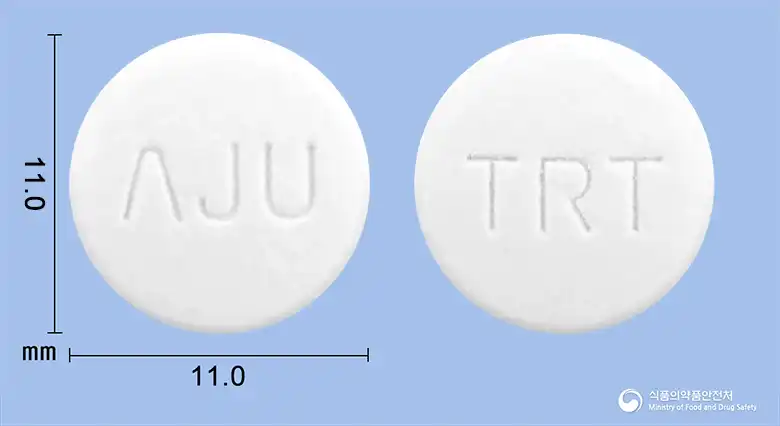
Itraconazole Solid Dispersions 253mg
Tablet · Prescription medication
Ajou Pharmaceutical Co., Ltd.
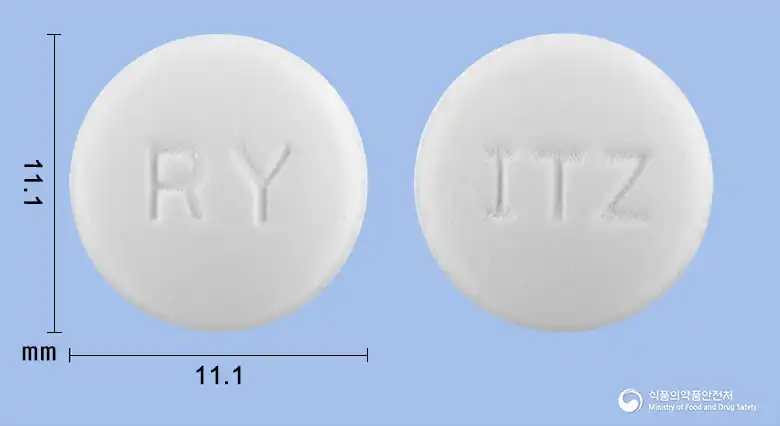
Itraconazole Solid Dispersions 253mg
Tablet · Prescription medication
IYON Pharmaceutical Co., Ltd.
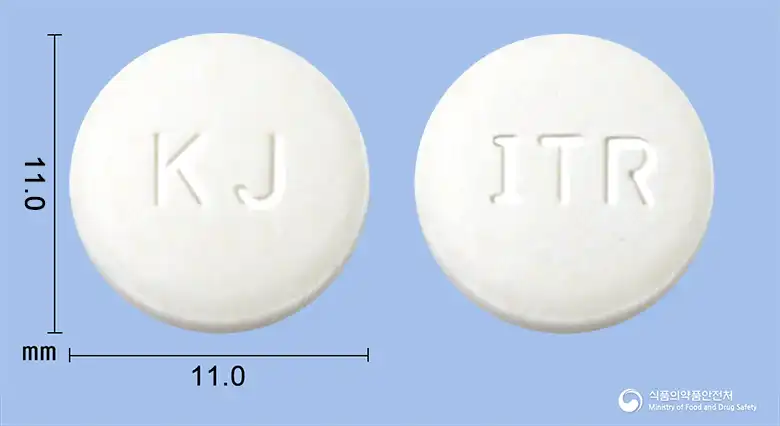
Itraconazole Solid Dispersions 253mg
Tablet · Prescription medication
International Pharmaceutical Co., Ltd.
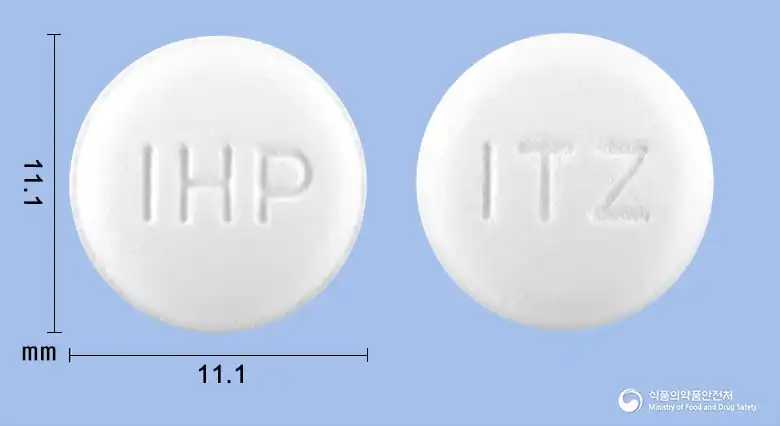
Itraconazole Solid Dispersions 253mg
Tablet · Prescription medication
Ilhwa Co., Ltd.
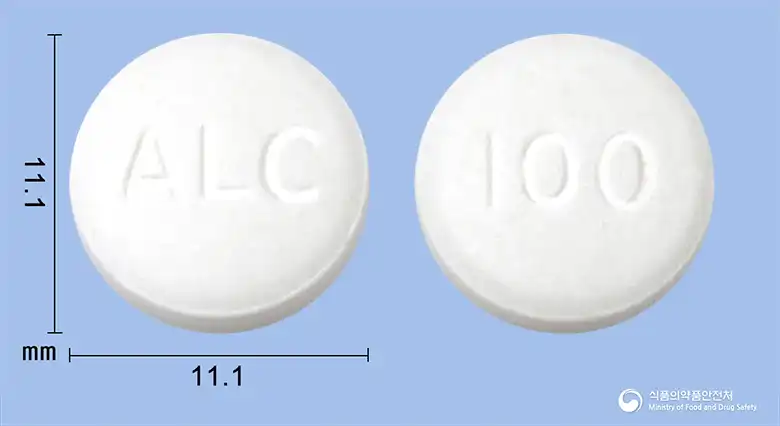
Itraconazole Solid Dispersions 253mg
Tablet · Prescription medication
Allico Pharmaceutical Co., Ltd.
Even with the same ingredient, the dose and directions can differ by strength and dosage form. Talk to a doctor or pharmacist before switching from a medication you are already taking.
No questions yet.
For anything that needs medical judgment, consult a doctor or pharmacist.
This drug information is based on data provided by the Korea Ministry of Food and Drug Safety.
Consult a doctor or pharmacist for accurate dosage, administration, and usage instructions.