
 한국어
한국어 English
 日本語
日本語 中文(简体)
 Viewing now
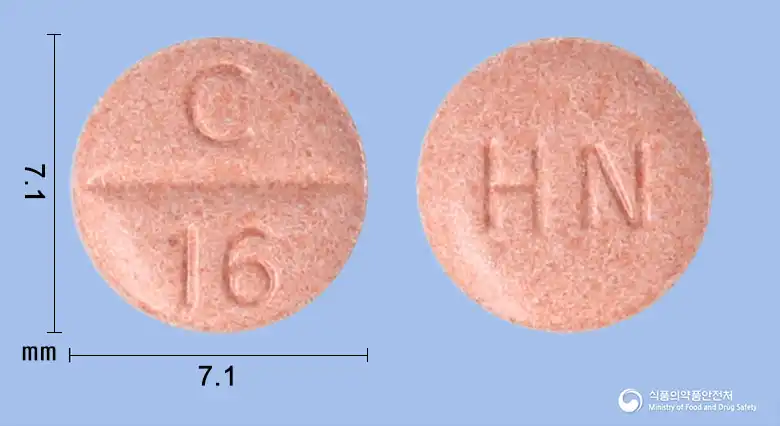
Candera Tablet 16 mg (Candesartan Cilexetil)
Candesartan Cilexetil 16mg
Tablet · Prescription medication
Hana Pharm Co., Ltd.
MFDS item code 201403519 · Approved 2014.07.31 · Insurance code 657805330
Treatment of essential hypertension and heart failure (left ventricular dysfunction)
This medication helps control blood pressure in patients with essential hypertension and is used especially in heart failure patients with impaired left ventricular contraction who require additional treatment beyond ACE inhibitors or cannot tolerate them. Thus, it is effectively utilized for the treatment of hypertension and heart failure.
Adults with essential hypertension: The recommended initial and maintenance dose is 8 to 16 mg of Candesartan Cilexetil taken orally once a day. If blood pressure is not adequately controlled after 4 weeks during treatment at 16 mg once a day, the dose may be increased to a maximum of 32 mg once a day. Adults with heart failure: The recommended initial dose is 4 mg taken orally once a day. Increase the dose by doubling at intervals of at least 2 weeks, to a maximum of 32 mg once a day, based on patient's tolerance.
Safety and efficacy in adolescents and children under 18 have not been established.
This medication can cause severe harm to the fetus during pregnancy, so it should be discontinued immediately upon confirmation of pregnancy. Women who are pregnant or may become pregnant, as well as women who are breastfeeding, should not use this medication. Patients with severely impaired liver function or problems with bile secretion should also avoid this medication. Patients allergic to this medication or its components should refrain from use. Patients with certain genetic conditions, such as lactose intolerance or lactase deficiency, should also avoid this medication. Elderly patients, those with hyperkalemia, mild liver impairment, heart valve disease, and other conditions should use this medication cautiously. Additionally, patients with impaired kidney function, those who have undergone kidney transplants, and children and adolescents under 18 should take care when using this medication. Side effects such as dizziness, back pain, and respiratory infections may occur during use, and some patients may experience blood pressure drops or kidney function worsening. Heart failure patients should regularly monitor blood pressure, potassium levels, and kidney function. Rarely, serious side effects such as leukopenia, liver function abnormalities, skin rash, and angioedema may occur, so any unusual symptoms should be discussed with a doctor immediately. Using this medication with other antihypertensives can potentiate blood pressure-lowering effects, thus caution is required. In particular, combination with potassium-sparing diuretics or potassium supplements poses a risk of hyperkalemia. Furthermore, coadministration with non-steroidal anti-inflammatory drugs (NSAIDs) may worsen kidney function, so caution is advised. This medication can be taken with or without food. When used during pregnancy, this can lead to issues with fetal kidney function and skull development, thus consultation with a physician is mandatory for those planning to become pregnant or who are already pregnant. Breastfeeding while on this medication is not recommended, and it is advised to discontinue breastfeeding if treatment is absolutely necessary. Safety and efficacy in children and adolescents under 18 have not been established. In elderly patients, excessive blood pressure lowering may increase the risk of stroke, so a cautious approach is warranted. In case of overdose, symptoms such as low blood pressure, dizziness, and rapid heartbeat may appear, and appropriate treatment should be sought immediately. The medication should be stored out of the reach of children and should not be transferred to another container.
Urticaria, severe swelling (angioedema), difficulty breathing (dyspnea), cold sweat, pallor, severe rash with high fever, blisters, skin detachment, pain in mucous membranes of the mouth/eyes, jaundice (yellowing of the skin or eyes), extreme lethargy, sudden and severe headache, thunderclap headache, seizures, confusion, vision disturbances, paralysis, significant reduction in urine output, severe swelling throughout the body, accompanied by increased blood pressure.
Not everyone experiences these, and they can vary from person to person.
This medication should be stored in a tightly sealed container to prevent exposure to air or moisture. The storage temperature should be maintained at room temperature between 1 and 30 degrees Celsius.
Light pink, round, biconvex tablet with a dividing line on one side
30 tablets/bottle
Even with the same ingredient, strength, dosage form and how it is taken can differ.
Viewing nowCandesartan Cilexetil 16mg
Tablet · Prescription medication
Hana Pharm Co., Ltd.
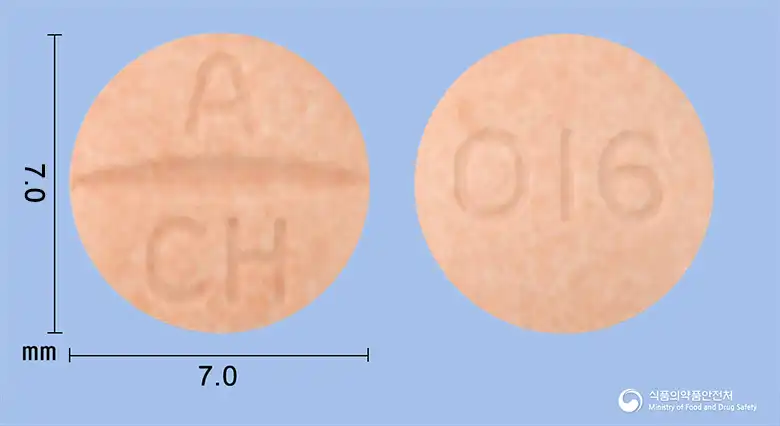
Candesartan Cilexetil 16mg
Tablet · Prescription medication
Yuhans Chemical Co., Ltd.
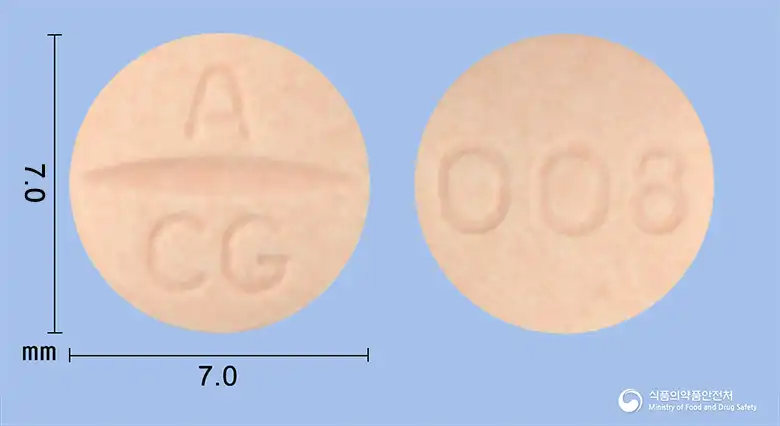
Candesartan Cilexetil 8mg
Tablet · Prescription medication
Yuhan Corporation
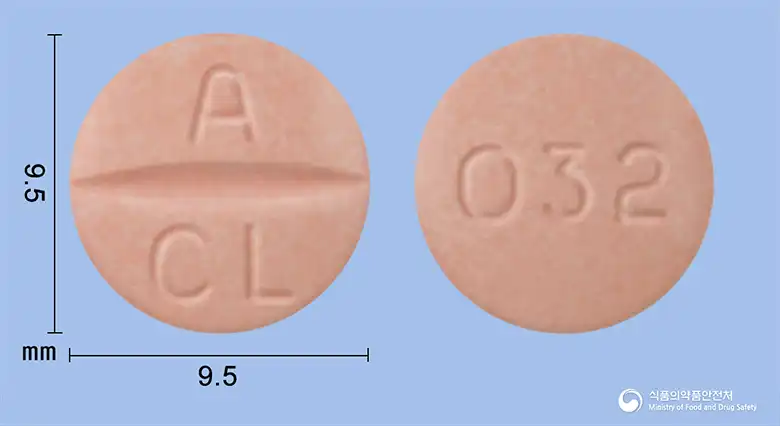
Candesartan Cilexetil 32mg
Tablet · Prescription medication
DKSH Korea Co., Ltd.
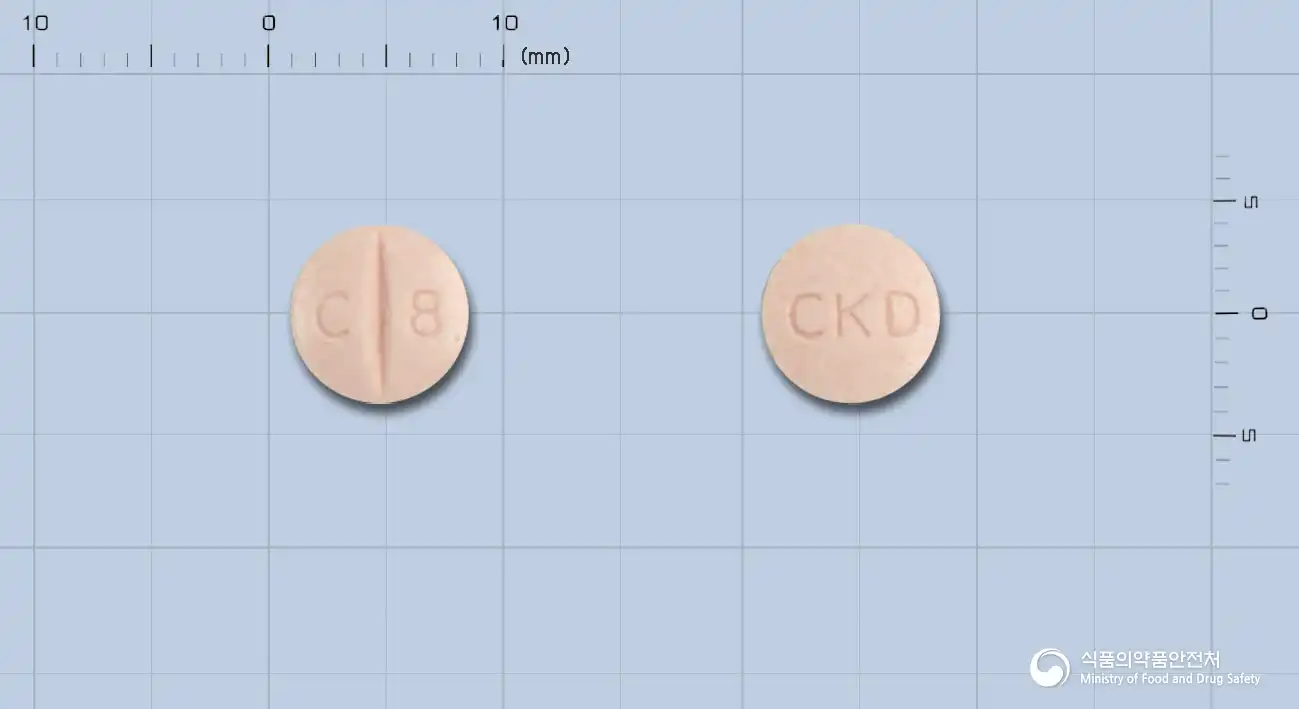
Candesartan Cilexetil 8mg
Tablet · Prescription medication
Jong Kun Dang Co., Ltd.
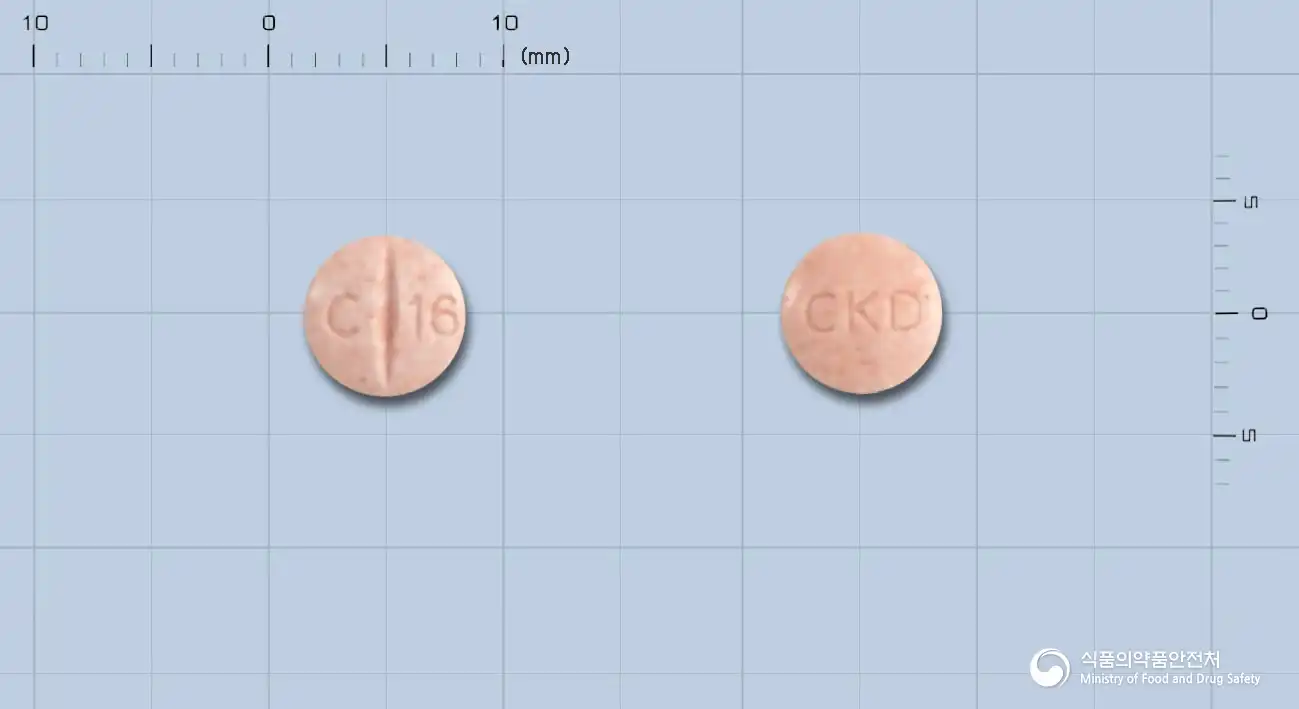
Candesartan Cilexetil 16mg
Tablet · Prescription medication
Jongkundang Co., Ltd.
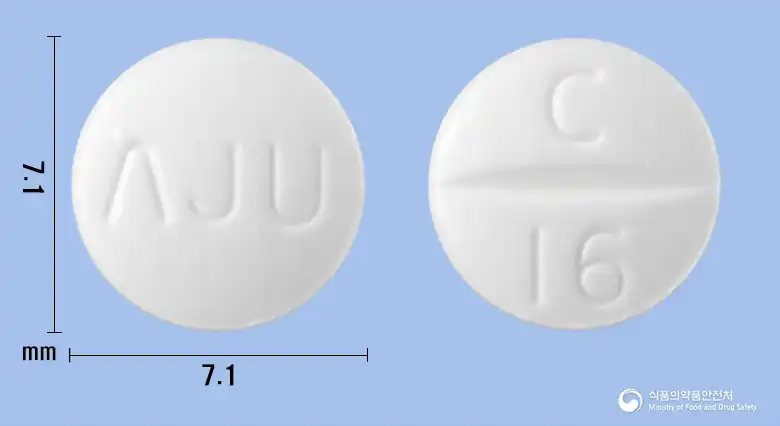
Candesartan Cilexetil 16mg
Tablet · Prescription medication
Ajou Pharmaceutical Co., Ltd.
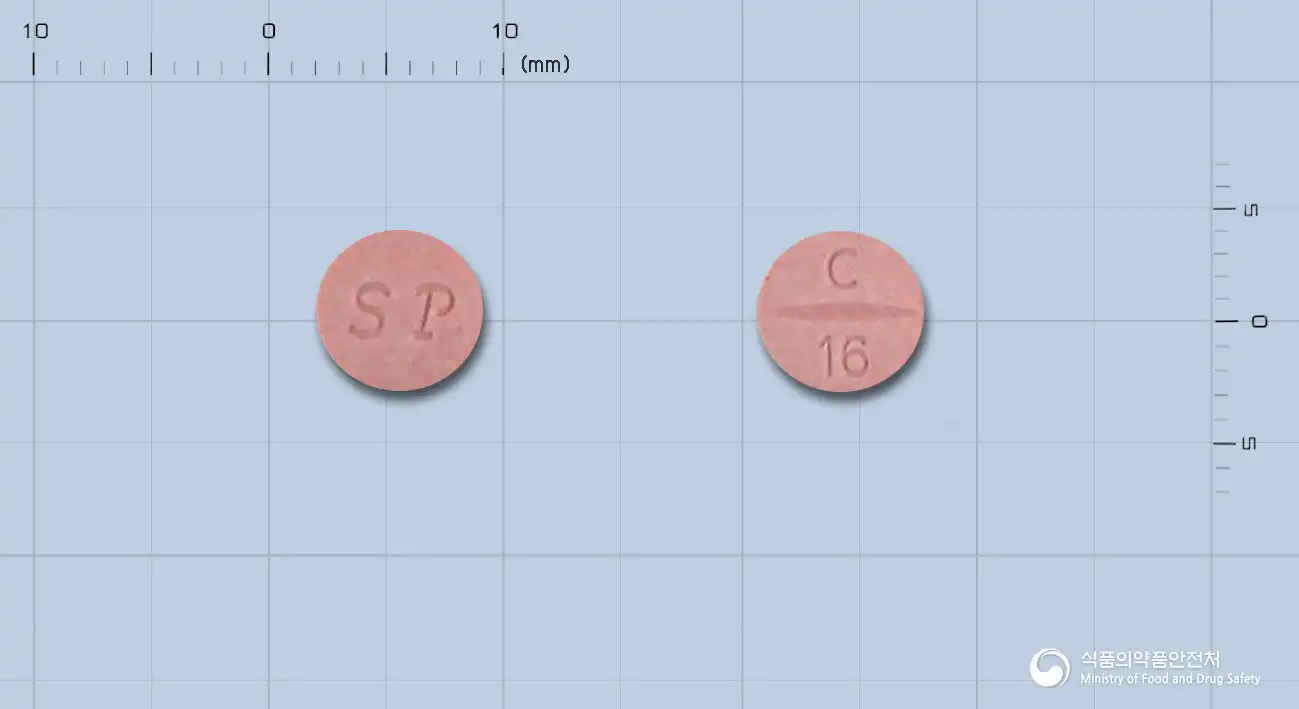
Candesartan Cilexetil 16mg
Tablet · Prescription medication
ShinPoong Pharmaceutical Co., Ltd.
Even with the same ingredient, the dose and directions can differ by strength and dosage form. Talk to a doctor or pharmacist before switching from a medication you are already taking.
No questions yet.
For anything that needs medical judgment, consult a doctor or pharmacist.
This drug information is based on data provided by the Korea Ministry of Food and Drug Safety.
Consult a doctor or pharmacist for accurate dosage, administration, and usage instructions.