
 한국어
한국어 English
 日本語
日本語 中文(简体)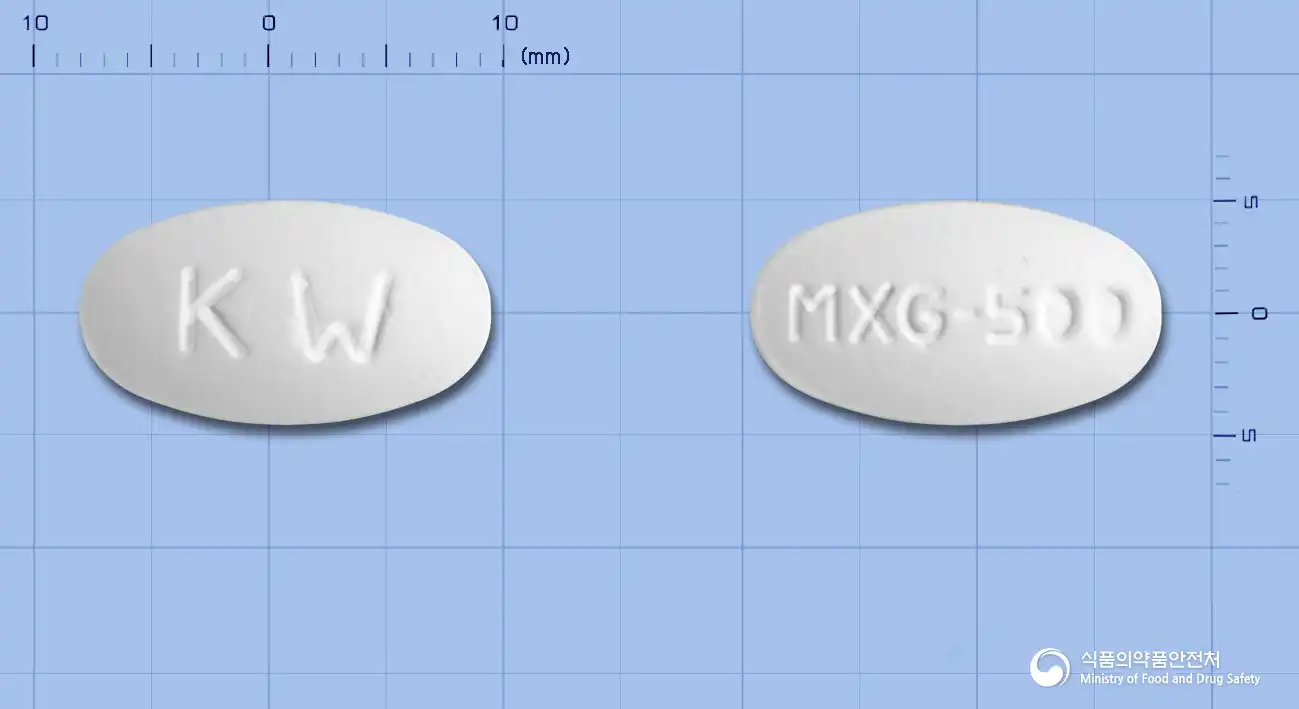
Summary
- Main use
- Treatment of infections of the respiratory system (bronchitis, pneumonia) and urinary system (cystitis, urethritis)
- Who takes it
- Adults
- Adult dose
- For severe infections and respiratory infections in adults, 2 tablets are taken orally twice a day every 12 hours.
Ingredients
- Manufacturer
- 에스에스팜(주)
Efficacy & effects
Treatment of infections of the respiratory system (bronchitis, pneumonia) and urinary system (cystitis, urethritis)
- Acute and chronic bronchitis
- lobar pneumonia
- bronchopneumonia
- empyema
- lung abscess
- tonsillitis
- sinusitis
- otitis media
- cystitis
- urethritis
- pyelonephritis
- pelvic infections
View approved original textHide original text
This medication is effective against various bacteria including Staphylococcus aureus, Escherichia coli, and Streptococcus pneumoniae and is used to treat respiratory infections such as acute and chronic bronchitis, pneumonia, empyema, tonsillitis, sinusitis, and otitis media. It is also effective for urinary tract infections like cystitis, urethritis, pyelonephritis, and pelvic infections including gonorrhea. It can also be used for skin and soft tissue infections such as boils, abscesses, cellulitis, and wound infections, as well as for the treatment of osteomyelitis and dental infections. Thus, it improves infections due to a wide range of bacterial infections.
How to take
Adult dose
For severe infections and respiratory infections in adults, 2 tablets are taken orally twice a day every 12 hours.
Precautions
This medication contains beta-lactam antibiotics and should not be taken by patients with a history of hypersensitivity to this ingredient. Patients allergic to penicillin or cephalosporin antibiotics may experience severe allergic reactions if this drug is used. Patients with viral infections such as infectious mononucleosis or lymphocytic leukemia are at higher risk of skin rash when taking this medication. Patients with liver function problems should avoid taking this drug as it may cause recurrence of liver dysfunction. Patients with impaired liver or kidney function should carefully monitor dosage and observe closely as drug concentrations may increase. Patients with allergic predispositions or symptoms such as asthma or urticaria should be cautious as allergic reactions may worsen while taking this medication. Patients experiencing gastrointestinal symptoms such as vomiting or diarrhea should consult a physician before taking this medication as proper absorption may be affected. This medication may cause gastrointestinal side effects such as diarrhea, abdominal pain, nausea, and vomiting, and the medication should be stopped immediately if severe diarrhea or abdominal pain occurs. Rarely, symptoms of liver dysfunction may occur, so regular liver function tests should be conducted during prolonged use. If symptoms of serious skin allergic reactions such as Stevens-Johnson syndrome or toxic epidermal necrolysis appear, the medication should be stopped immediately and medical attention sought. Blood-related side effects such as leukopenia, anemia, and thrombocytopenia may occur rarely, so patients should consult a specialist if abnormal symptoms arise. Neurological side effects may include dizziness, headaches, and seizures; special caution is needed for patients with impaired kidney function or those taking high doses. Pregnant women or those who may become pregnant should avoid this medication particularly during the first three months of pregnancy. Caution is also advised for breastfeeding mothers as adverse effects may occur in infants. Elderly patients are at higher risk of side effects due to decreased kidney and liver function, so careful dosage adjustment and monitoring are necessary. Interactions with other medications may occur while taking this drug, so it is essential to inform the physician or pharmacist of any currently taken medications. In cases of overdose, symptoms such as vomiting, diarrhea, rashes, and seizures may occur, and immediate medical attention is required. This medication should be stored in a sealed container in a dry place below 25 degrees Celsius and care should be taken not to arbitrarily stop taking it or change the dosage.
Side effects and when to seek care immediately
Serious side effects
Urticaria, severe swelling, chest tightness, difficulty breathing, cold sweat, paleness, severe allergic reactions, severe rashes accompanied by high fever, blisters, skin peeling, pain in mucous membranes of mouth/eyes, severe skin adverse reactions, shortness of breath or difficulty breathing, asthma attacks, respiratory distress accompanied by cough and fever, skin or eyes turning yellow, jaundice, extreme lethargy, liver abnormalities, sudden and severe headache.
Mild side effects
Diarrhea, membranous colitis, dyspepsia, stomatitis, gastritis, glossitis, nausea, vomiting, loss of appetite, abdominal pain, abdominal distension, constipation, colonic pain, hyperacidity, soft stools, dry mouth, acute pancreatitis, candidiasis, non-bloody colitis, elevated serum bilirubin, elevated AST, ALT, ALP, LDH, hepatitis, cholestatic jaundice, itching, erythema multiforme, skin mucosal syndrome (Stevens-Johnson syndrome), toxic epidermal necrolysis.
Not everyone experiences these, and they can vary from person to person.
Storage
This medication should be stored in a sealed container to avoid moisture, and should be kept in a cool place between 1 and 25 degrees Celsius. Additionally, it should be stored in a dry and well-ventilated area to maintain its effectiveness.
Appearance and packaging
Appearance
White oval film-coated tablet
Package unit
80 tablets (8 tablets/PTPX10)
Questions about this medicine
No questions yet.
For anything that needs medical judgment, consult a doctor or pharmacist.