
 한국어
 English
 日本語
 中文(简体)
 Viewing now
Cofsim Tablet (Cefpodoxime Proxetil)
Cefpodoxime Proxetil 100mg
Tablet · Prescription medication
Kolon Pharmaceutical Co., Ltd.
MFDS item code 201402880 · Approved 2014.06.27 · Insurance code 670303790
Treatment of respiratory and ear, nose, and throat infections, skin, soft tissue, and oral infections, and genitourinary infections
This medication is effective against various bacterial infections. It is used for infectious diseases of the skin such as folliculitis, boils, carbuncles, and soft tissue infections, and also helps with inflammation of the mammary glands such as mastitis. Additionally, it is effective against respiratory infections, including pharyngitis, acute bronchitis, tonsillitis, and pneumonia, and is used to treat secondary infections in patients with chronic bronchitis or bronchiectasis. It is also indicated for the treatment of urinary tract infections such as pyelonephritis and cystitis, as well as ENT infections such as otitis media and sinusitis. This drug is used to improve and treat symptoms of infections caused by various bacteria.
(Tablets) ○ Adults: Administer 100mg (potency) of cefpodoxime orally twice daily after meals. If the infection is severe or the response is considered insufficient, administer 200mg (potency) orally twice daily after meals. Adjust the dose as appropriate according to age, symptoms, etc.
(Dry syrup) ○ Infants and children: Suspend before use and administer 3mg (potency) of cefpodoxime per Kg of body weight orally 2~3 times daily. For severe cases or cases considered to have an insufficient response, administer 4.5mg (potency) per Kg of body weight orally 3 times daily. Adjust the dose as appropriate according to age, symptoms, etc.
This medication should not be used in patients who have previously experienced severe allergic reactions or shock due to this drug. Additionally, this drug contains lactose, so it should not be administered to patients with galactose intolerance, Lapp lactase deficiency, or genetic metabolic disorders such as glucose-galactose malabsorption. Patients who have a history of hypersensitivity to the components of this drug or cephalosporin antibiotics should generally not receive it, but may use it cautiously in special cases. Patients with allergies to penicillin antibiotics need to be cautious. Patients or family members who frequently experience allergic symptoms such as bronchial asthma, rash, or urticaria should also be careful. Patients with significantly impaired kidney function should be closely monitored since this medication is excreted through the kidneys, which may lead to elevated drug concentrations. Patients who have difficulty taking oral medications, those on parenteral nutrition, the elderly, and those in poor general health may experience vitamin K deficiency symptoms, so careful observation is necessary. This medication can rarely cause severe allergic reactions or shock, thus if symptoms such as discomfort, oral abnormalities, dyspnea, dizziness, or sweating occur during administration, it should be discontinued immediately. If symptoms such as skin rash, urticaria, fever, or arthralgia appear, the use should be stopped and appropriate treatment sought. If gastrointestinal issues such as abdominal pain, diarrhea, or bloody stools occur, medication use should be halted immediately and treatment obtained. If symptoms like dyspnea, cough, or fever appear, pneumonia or lung infiltration may be possible, and treatment should be sought immediately. Blood tests may show eosinophilia or thrombocytopenia; therefore, testing is advised if abnormal symptoms occur. Neurological issues may present as cognitive disturbances or seizures; thus, patients with impaired kidney function need to be cautious with dosage adjustments. Severe skin adverse reactions may rarely occur, so skin conditions should be closely monitored, and the medication discontinued immediately if abnormalities are observed. Hepatic dysfunction may occur, so regular liver function tests are recommended. Renal dysfunction or hematuria may occur, so regular kidney function tests should be conducted. Phenomena of microbial alternation such as oral candidiasis may occur rarely. Deficiencies in vitamins K and B may present, so nutritional status should be monitored closely. To prevent the development of antibiotic resistance, ensure susceptibility testing and use for the minimum necessary duration. It is advisable to conduct thorough patient interviews and skin tests prior to administration. Dizziness may occur, so caution is needed when driving or operating machinery. If used for more than 10 days, a blood test to check white blood cell counts is necessary. Caution is required as failure to adjust dosage in case of renal function decline may result in seizures. Serious skin adverse reactions have been reported, so any symptoms necessitate immediate discontinuation of the drug. This drug may affect renal function when used with diuretics or certain antibiotics, thus caution is needed. Also, co-administration with probenecid may increase blood concentrations. Interactions with gastrointestinal medications may alter bioavailability, so adherence to dosage instructions is crucial. Safety during pregnancy has not been established, so it should only be used when the benefits outweigh the risks. Nursing mothers should discontinue breastfeeding as this medication may be transferred through breast milk. Safety in children, especially in neonates and premature infants, has not been sufficiently verified, so it should be used cautiously. Elderly individuals have a higher risk of adverse reactions due to decreasing bodily functions, so dosages and intervals should be adjusted, and their conditions closely monitored. Some clinical test results may be affected by this medication; therefore, careful interpretation of test results is required. Syrups should be stored in the refrigerator after preparation and used within two weeks, and should be well shaken before use.
Shock, anaphylactic reaction, discomfort, oral dysesthesia, wheezing, dizziness, diarrhea, tinnitus, sweating, rash, hives, erythema, itching, fever, lymphadenopathy, arthralgia, pseudomembranous colitis, hematochezia, severe colitis, abdominal pain, frequent diarrhea, nausea, vomiting, diarrhea, loose stools, stomach pain, loss of appetite, upper abdominal discomfort, constipation, interstitial pneumonia, eosinophilic pulmonary infiltrates, eosinophilia, thrombocytopenia, thrombocytosis, leukopenia, neutropenia, cognitive impairment, behavioral disorder, convulsions, seizures, Stevens-Johnson syndrome, toxic epidermal necrolysis, drug reaction (DRESS), acute generalized exanthematous pustulosis (AGEP), erythema multiforme, elevated AST, elevated ALT, elevated ALP, elevated LDH, elevated bilirubin, hematuria, elevated BUN, elevated serum creatinine, acute kidney failure, stomatitis, candidiasis, symptoms of vitamin K deficiency, hypoprothrombinemia, bleeding tendency, symptoms of vitamin B deficiency, glossitis, neuritis, headache, edema, sensory disturbances, weakness, fatigue
Not everyone experiences these, and they can vary from person to person.
This medication should be kept in a tightly closed container to prevent exposure to air and moisture, and stored at room temperature between 1 to 30 degrees Celsius. By storing it this way, the effectiveness of the medication can be maintained for a longer duration.
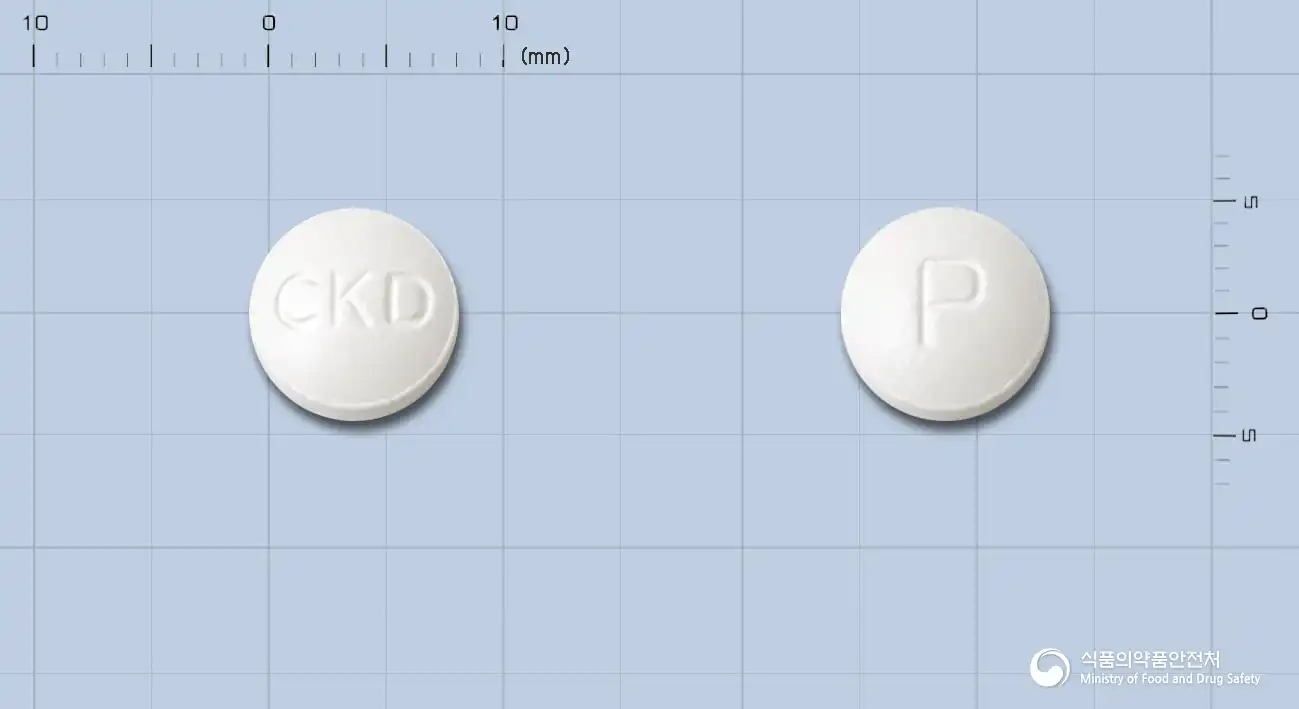
White round film-coated tablets
30 tablets/bottle, 100 tablets/bottle
Even with the same ingredient, strength, dosage form and how it is taken can differ.
Viewing nowCefpodoxime Proxetil 100mg
Tablet · Prescription medication
Kolon Pharmaceutical Co., Ltd.

Cefpodoxime Proxetil 100mg
Tablet · Prescription medication
HK inno.N Co., Ltd.
Cefpodoxime Proxetil 5000mg
Prescription medication
HK inno.N Co., Ltd.
Cefpodoxime Proxetil 100mg
Tablet · Prescription medication
Jongkundang Co., Ltd.

Cefpodoxime Proxetil 100mg
Tablet · Prescription medication
Youngjin Pharmaceutical Co., Ltd.

Cefpodoxime Proxetil 130mg
Tablet · Prescription medication
Hanmi Pharmaceutical Co., Ltd.
Cefpodoxime Proxetil 5000mg
Prescription medication
Jongkundang Co., Ltd.
Cefpodoxime Proxetil
Prescription medication
SK Chemicals Co., Ltd.
Even with the same ingredient, the dose and directions can differ by strength and dosage form. Talk to a doctor or pharmacist before switching from a medication you are already taking.
No questions yet.
For anything that needs medical judgment, consult a doctor or pharmacist.
This drug information is based on data provided by the Korea Ministry of Food and Drug Safety.
Consult a doctor or pharmacist for accurate dosage, administration, and usage instructions.