
 한국어
한국어 English
 日本語
日本語 中文(简体)
 Viewing now
Kegrel Tablet (Clopidogrel Sulfate)
Clopidogrel Bisulfate 97.875mg
Tablet · Prescription medication
Korea Chorus Co., Ltd.
MFDS item code 201402838 · Approved 2014.06.25 · Insurance code 647203680
Improvement of atherosclerotic symptoms such as ischemic stroke and myocardial infarction, improvement of acute coronary syndrome (cardiovascular abnormalities), reduction of the risk of stroke and thromboembolism in patients with atrial fibrillation.
This drug is used to improve atherosclerotic symptoms in adult patients with ischemic stroke, myocardial infarction, or peripheral arterial disease. It also improves atherosclerotic symptoms such as mortality, myocardial infarction, and stroke in adult patients with acute coronary syndrome due to cardiovascular abnormalities. This drug helps reduce the risk of stroke and thromboembolism in adult patients with atrial fibrillation who have one or more vascular risk factors, are unsuitable for vitamin K antagonist use, and have a low risk of bleeding. Overall, this drug is effective in reducing the risk and improving symptoms of cardiovascular and cerebrovascular diseases.
1. For patients with ischemic stroke, myocardial infarction, or peripheral arterial disease, clopidogrel is administered orally once daily at a dose of 75 mg. 2. Patients with acute coronary syndrome start on day one with a loading dose of 300 mg orally once daily and continue with a maintenance dose of 75 mg orally once daily. At this time, aspirin 75-325 mg should be co-administered once daily. 3. Patients with atrial fibrillation...
This drug prevents blood clotting to prevent thrombus formation. Since this drug must be converted to its active form in the liver to be effective, individuals with genetically reduced function of the liver enzyme CYP2C19 may experience decreased efficacy. Therefore, in such cases, it is advised to change the treatment method or use other medications. Additionally, co-administration with drugs that activate CYP2C19 may increase the active metabolite concentration of this drug, raising the risk of bleeding, so concomitant use should be avoided. This drug should not be used in certain patients. For example, individuals allergic to this drug or its components, those with bleeding, individuals with severely impaired liver function, nursing mothers, and those with genetic issues such as lactose intolerance should not take this medication. Caution should be exercised when this drug is used in patients at high risk of bleeding. Especially if bleeding symptoms are suspected, a blood test should be performed immediately, and concurrent use with anticoagulants like warfarin may further increase the risk of bleeding, so care is needed. Patients scheduled for surgery should discontinue this drug 5 to 7 days before the procedure and can resume after hemostasis. During the administration of this drug, attention should always be paid to bleeding symptoms, and greater caution is advised when taken with other medications that pose a bleeding risk. The use of aspirin concomitantly may increase the risk of bleeding, so the necessity and risks of such combinations should be carefully considered. This drug may cause various side effects such as bleeding, decreased blood cell count, gastrointestinal disturbances, and skin rashes. In particular, bleeding may present as serious forms such as gastrointestinal bleeding and intracranial hemorrhage, so if bleeding symptoms occur, immediate notification to healthcare personnel is required. The fetal risk during pregnancy has not been confirmed, but given the risk of bleeding during delivery, it is advisable to discontinue use 5 to 7 days before delivery. While nursing, this drug may be excreted in breast milk, so discussions with a physician regarding whether to continue breastfeeding or discontinue medication are warranted. The safety and efficacy in pediatric patients have not been established, so it is better not to use this drug in children. Elderly patients are at increased risk of bleeding due to decreased renal and liver function, so careful monitoring of the patient's condition is necessary during administration. Overdosage may cause prolonged bleeding times and complications related to bleeding, and as there is no specific antidote, treatment may involve platelet transfusion if necessary. This drug should be stored out of reach of children, and care should be taken as transferring it to another container may compromise its quality.
Hives, severe swelling (edema), chest tightness, difficulty breathing, cold sweat, paleness, severe rash with high fever, blisters, mucosal pain in the mouth/eyes, breathing difficulties or shortness of breath, asthma attacks, respiratory distress with cough and fever, jaundice (yellowing of the skin or eyes), extreme lethargy, sudden and severe headache, thunderclap headache, seizures, confusion, visual disturbances, paralysis, urination
Not everyone experiences these, and they can vary from person to person.
This drug should be stored in a tightly sealed container to prevent exposure to air and moisture and should be kept at room temperature between 1 and 30 degrees Celsius. Storing it this way can maintain the drug's effectiveness and prevent deterioration.
Pink round film-coated tablet
30 tablets/bottle, 100 tablets/bottle
Even with the same ingredient, strength, dosage form and how it is taken can differ.
Viewing nowClopidogrel Bisulfate 97.875mg
Tablet · Prescription medication
Korea Chorus Co., Ltd.
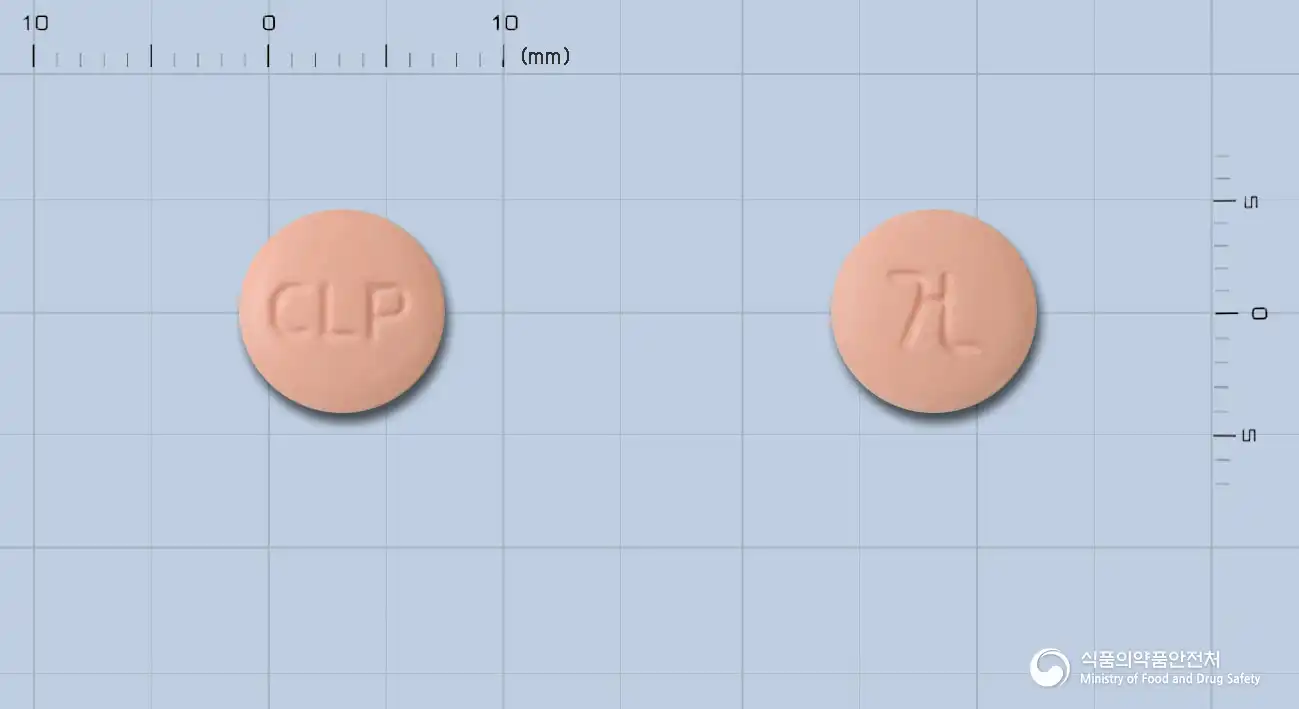
Clopidogrel Bisulfate 97.875mg
Tablet · Prescription medication
Geonil Pharmaceutical Co., Ltd.
Clopidogrel Bisulfate 97.875mg
Tablet · Prescription medication
Sama Pharmaceutical Co., Ltd.
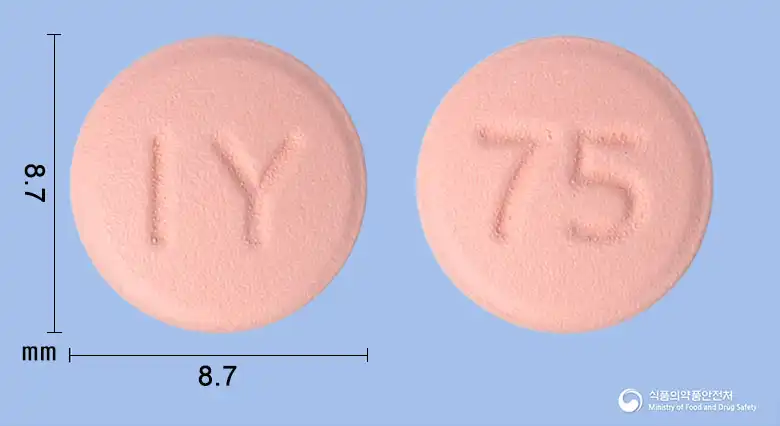
Clopidogrel Bisulfate 97.875mg
Tablet · Prescription medication
Il Yang Pharmaceutical Co., Ltd.
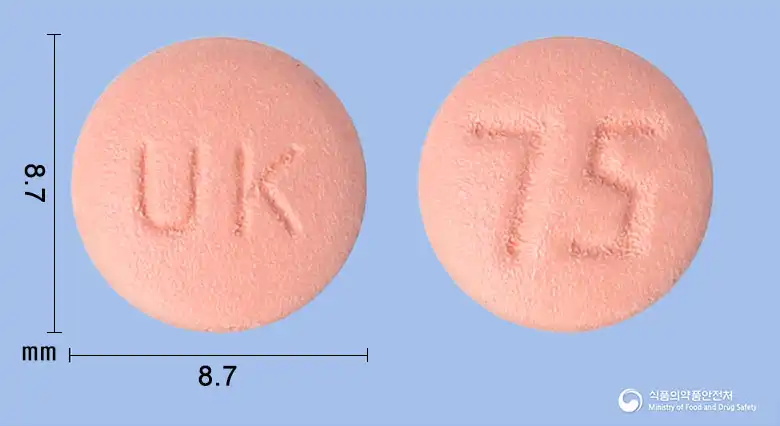
Clopidogrel Bisulfate 97.875mg
Tablet · Prescription medication
Korea Union Pharmaceutical Co., Ltd.
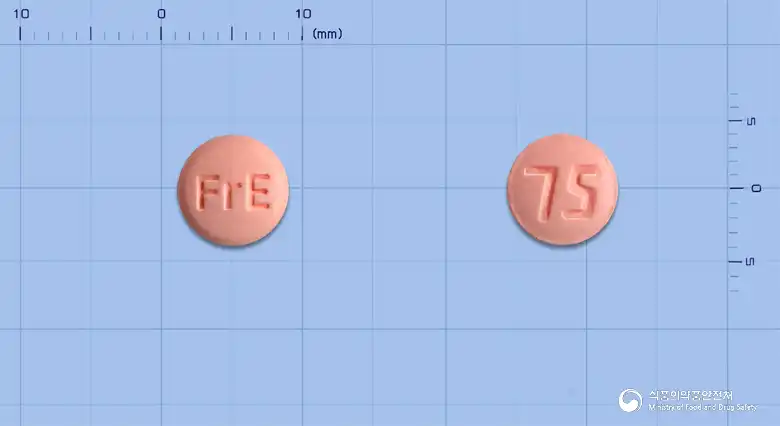
Clopidogrel Bisulfate 97.875mg
Tablet · Prescription medication
(Co., Ltd.) Korea Pharma
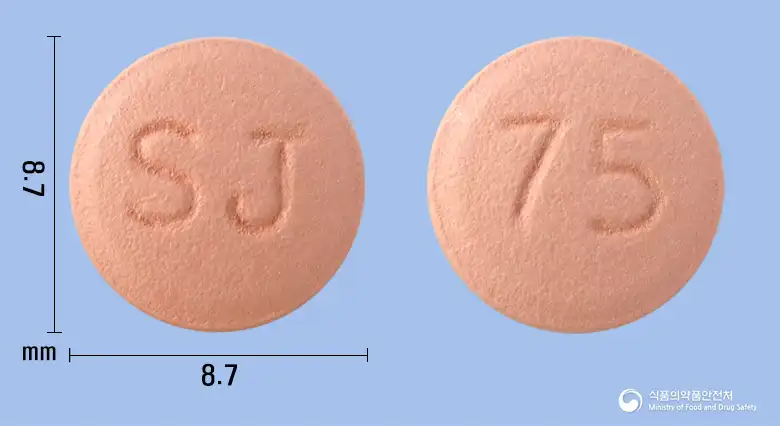
Clopidogrel Bisulfate 97.875mg
Tablet · Prescription medication
Samjin Pharmaceutical Co., Ltd.
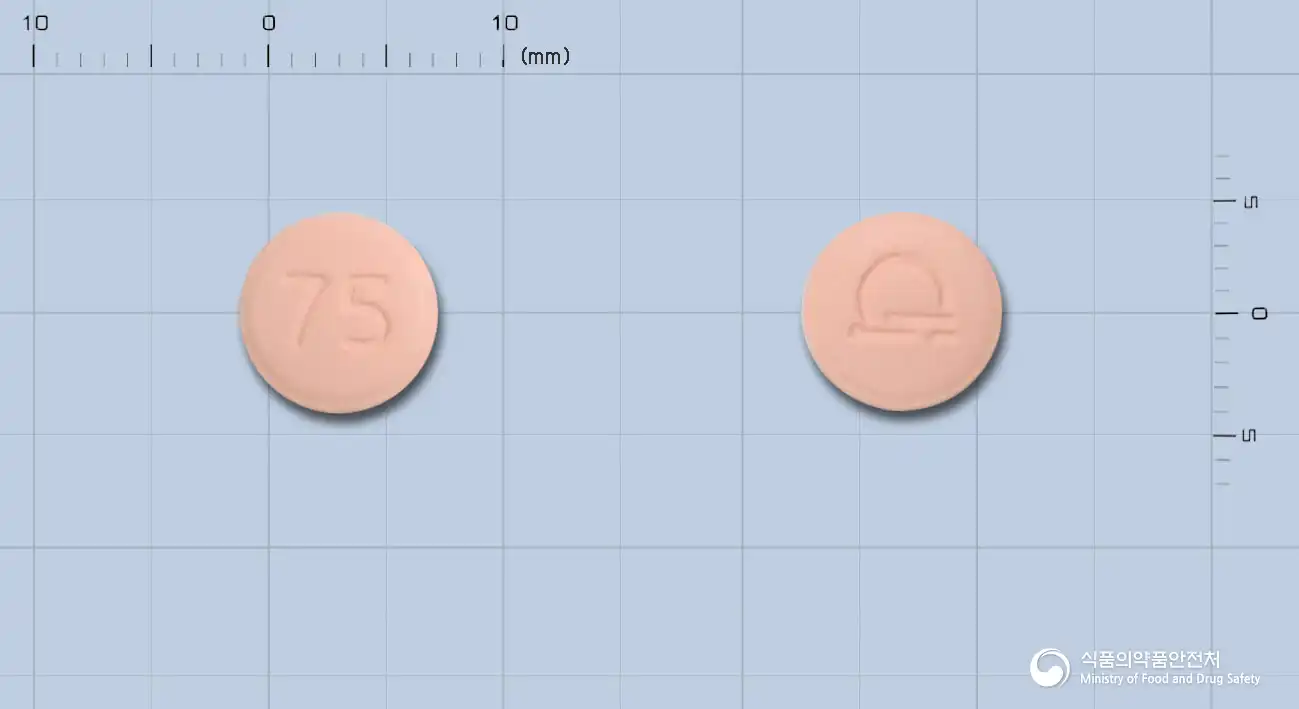
Clopidogrel Bisulfate 97.875mg
Tablet · Prescription medication
Daewon Pharmaceutical Co., Ltd.
Even with the same ingredient, the dose and directions can differ by strength and dosage form. Talk to a doctor or pharmacist before switching from a medication you are already taking.
No questions yet.
For anything that needs medical judgment, consult a doctor or pharmacist.
This drug information is based on data provided by the Korea Ministry of Food and Drug Safety.
Consult a doctor or pharmacist for accurate dosage, administration, and usage instructions.