
 한국어
한국어 English
 日本語
日本語 中文(简体)
 Viewing now
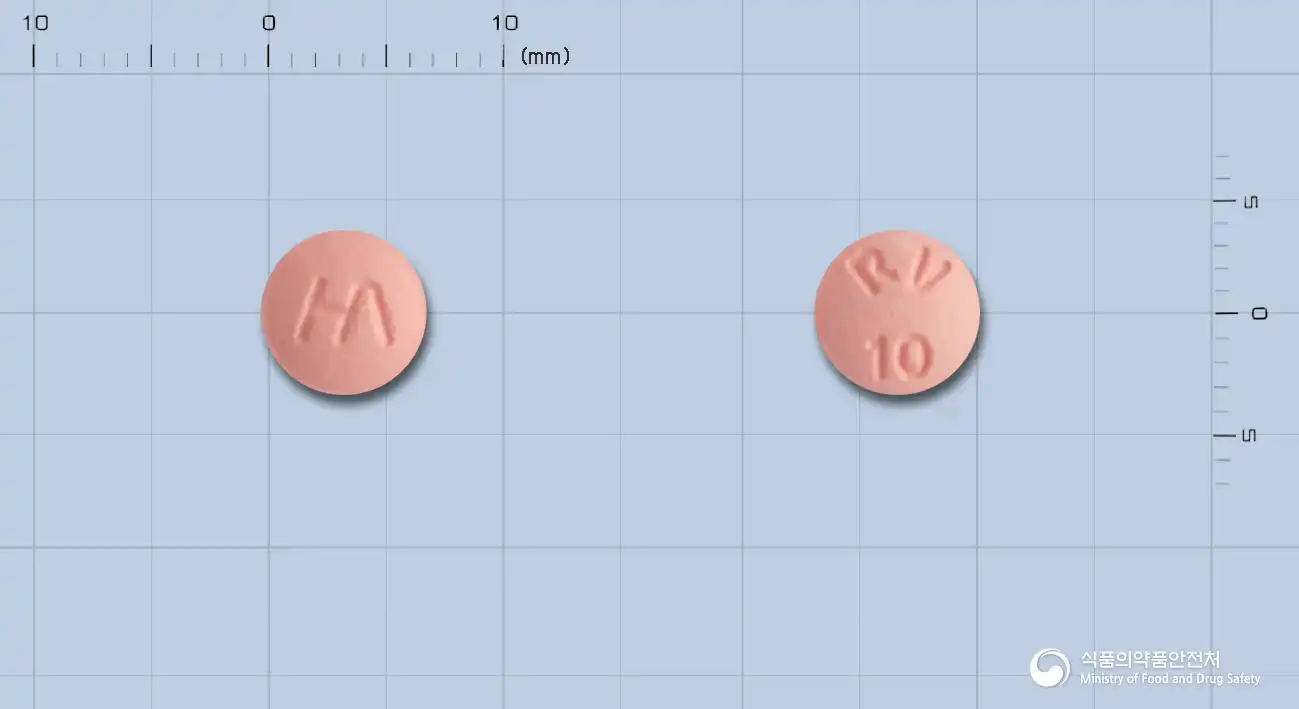
Hanoll Rosuvastatin Calcium Tablet 10 Milligrams
Rosuvastatin Calcium 10.4mg
Tablet · Prescription medication
Hanol BioPharma Co., Ltd.
MFDS item code 201400970 · Approved 2014.02.28
Treatment for hypercholesterolemia and reduction of cardiovascular risk
This medication is used as an adjunct in patients with primary hypercholesterolemia and mixed dyslipidemia who are not adequately controlled with diet and exercise alone. It is also used in patients with homozygous familial hypercholesterolemia in combination with diet or other lipid-lowering therapies to lower total cholesterol and LDL-cholesterol levels, thereby delaying the progression of atherosclerosis. It may also be prescribed as an adjunct therapy for children aged 10 to 17 years with heterozygous familial hypercholesterolemia who meet certain criteria. It is also beneficial in the treatment of primary dysbetalipoproteinemia. Additionally, in certain high-risk patients, it effectively reduces the risk of stroke, myocardial infarction, and arterial revascularization, thereby reducing cardiovascular disease risk. Thus, this medication is used in the treatment and prevention of hypercholesterolemia and associated cardiovascular diseases.
This medication can be administered at any time of the day regardless of meals. The initial dose is 5 milligrams once daily, and the maintenance dose can be adjusted as needed. The maintenance dose is usually 10 milligrams once daily, which is adequate for most patients. The maintenance dose should be appropriately adjusted based on LDL-cholesterol levels, treatment goals, and patient responses at intervals of more than 4 weeks, and may be increased up to a maximum of 20 milligrams daily.
The usual dosage range is between 5 milligrams and 20 milligrams once daily. The dose should be individually adjusted based on the treatment goals for each patient, and dosage adjustments should be carried out at intervals of more than 4 weeks. For children aged 10 years
This medication should not be used in certain patients. For example, it should not be administered to patients who are allergic to its components, have severely impaired liver function, have muscle diseases, are on certain immunosuppressants, have severe renal dysfunction, are pregnant or breastfeeding, and for fertile women who are not using appropriate contraception. Additionally, high doses are prohibited in patients at high risk of muscle-related side effects. Risk factors include moderate renal dysfunction, hypothyroidism, a family history of muscle disorders, alcohol abuse, and concomitant medications. This medication contains lactose, so it should not be used by patients with lactose intolerance or related genetic disorders. When using this medication, it is important to periodically monitor liver function tests and muscle status. Patients who consume large amounts of alcohol or have a history of liver disease should exercise extra caution, and if symptoms such as myalgia, muscle weakness, or cramps occur, they should immediately inform their medical provider. This medication may increase blood sugar levels in some patients, so patients at risk of diabetes should pay attention to their blood sugar management. When taking this medication with other drugs, the possibility of interactions should be considered. When used with certain medications, the blood concentration of this medication may increase, raising the risk of muscle side effects; thus, it should be discussed with a healthcare provider. Pregnant or breastfeeding women should not take this medication, and women planning to become pregnant should use appropriate contraceptive methods. In case of overdose, there are no specific antidotes, so management should be based on symptoms along with liver function and muscle enzyme tests. Care should be taken as this medication may cause dizziness when driving or operating machinery. Finally, this medication may rarely cause serious skin reactions, liver damage, renal problems, and other side effects in some patients, so any adverse symptoms should be reported to a healthcare provider immediately.
Hypersensitivity reactions including urticaria and angioedema, chest tightness, difficulty breathing, respiratory distress, Stevens-Johnson syndrome, eosinophilia and systemic symptoms associated with drug reaction with eosinophilia and systemic symptoms (DRESS), jaundice, hepatitis, severe muscle weakness, ophthalmoplegia, myopathy, immune-mediated necrotizing myopathy, rhabdomyolysis, severe renal failure, acute renal failure, significant decrease in urine output, severe generalized edema, elevated blood pressure, severe headache
Not everyone experiences these, and they can vary from person to person.
This medication can be sensitive to air and moisture, so it should be stored in a tightly sealed container. The proper storage temperature is between 1 to 30 degrees Celsius at room temperature, and it should be kept away from excessively hot or cold places.
Pink round film-coated tablet
28 tablets (14 tablets/PTP x 2)
Even with the same ingredient, strength, dosage form and how it is taken can differ.
Viewing nowRosuvastatin Calcium 10.4mg
Tablet · Prescription medication
Hanol BioPharma Co., Ltd.
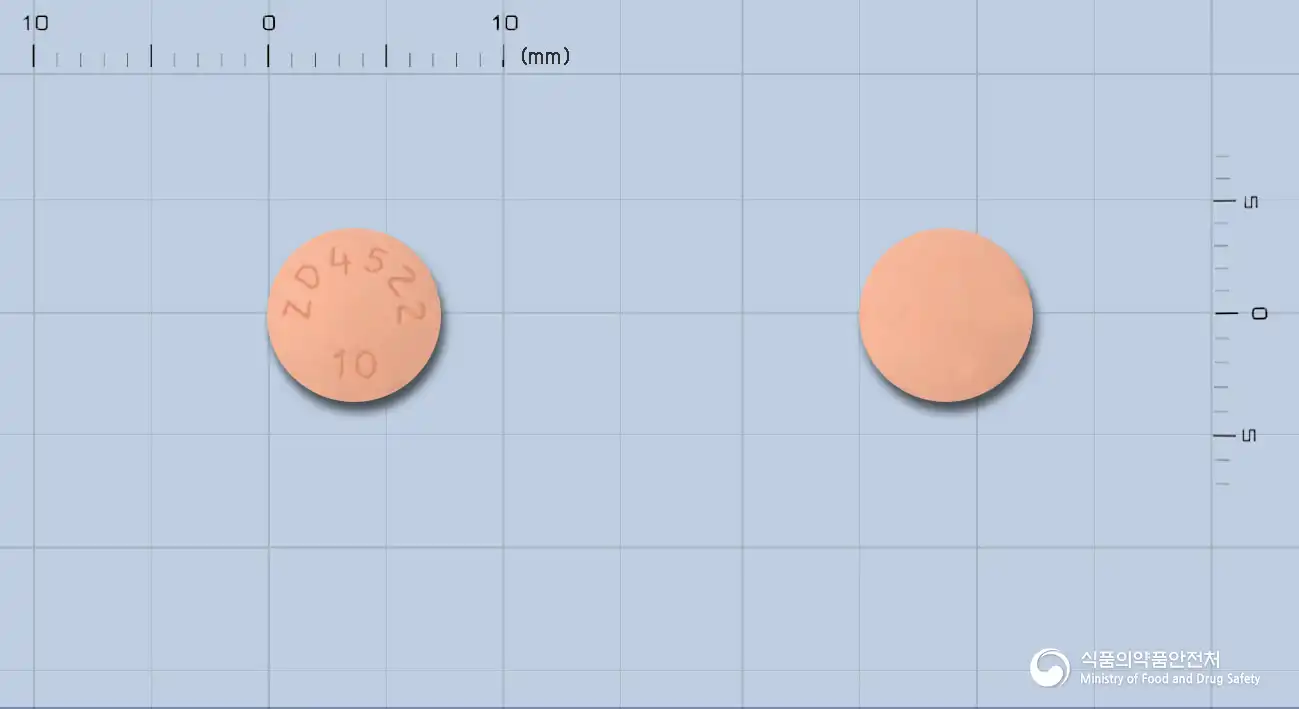
Rosuvastatin Calcium 10.4mg
Tablet · Prescription medication
AstraZeneca Korea Co., Ltd.

Rosuvastatin Calcium 20.8mg
Tablet · Prescription medication
AstraZeneca Korea Co., Ltd.
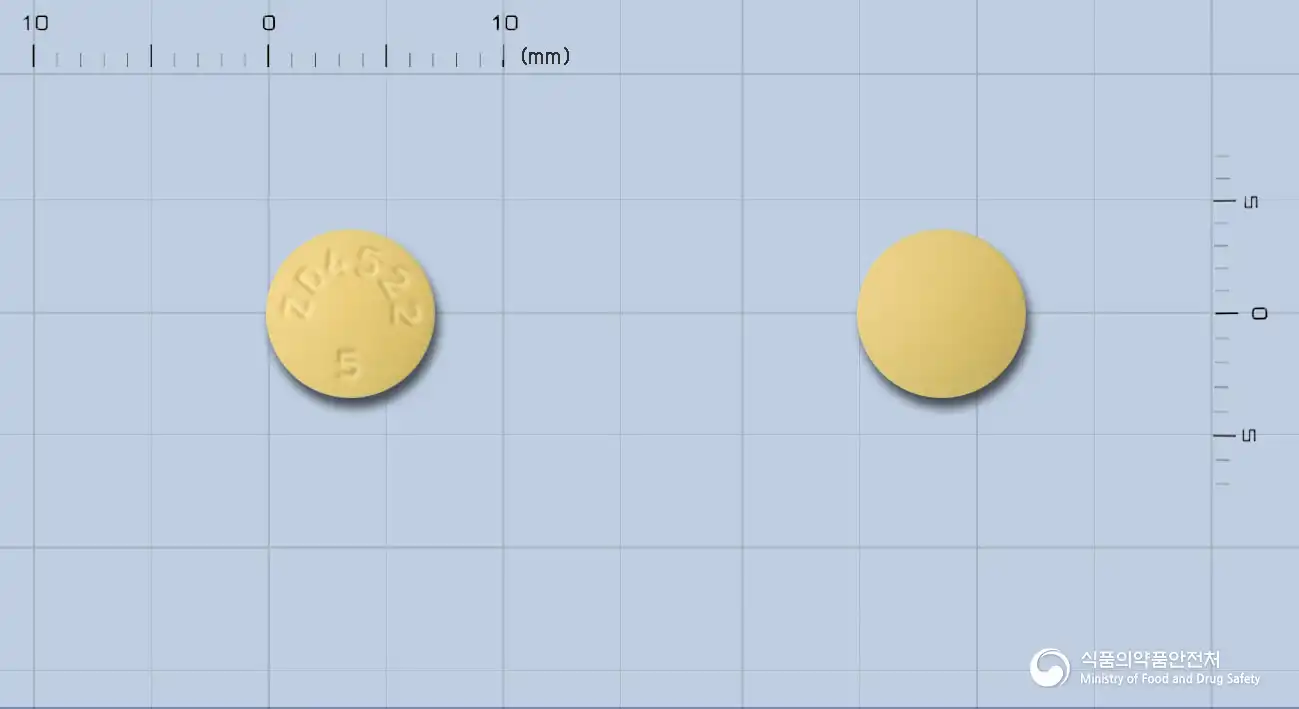
Rosuvastatin Calcium 5.2mg
Tablet · Prescription medication
AstraZeneca Korea Co., Ltd.
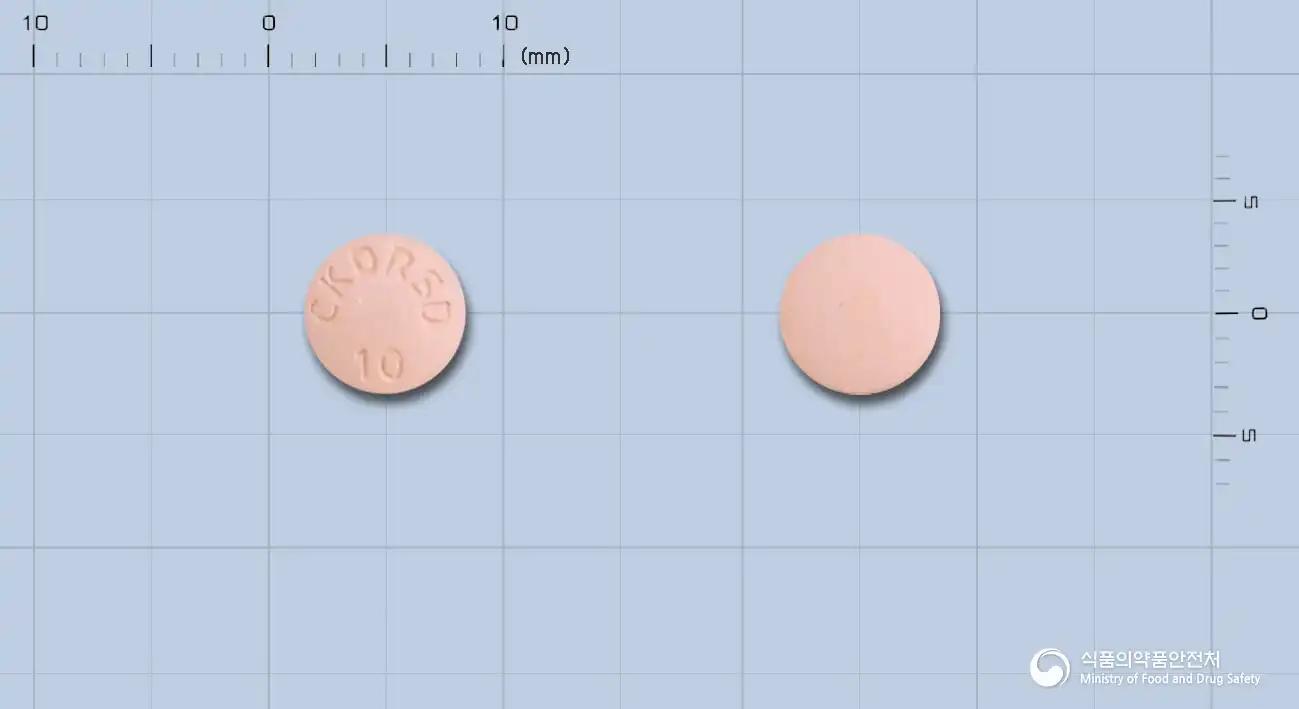
Rosuvastatin Calcium 10.4mg
Tablet · Prescription medication
Chong Kun Dang Pharmaceutical Corp.
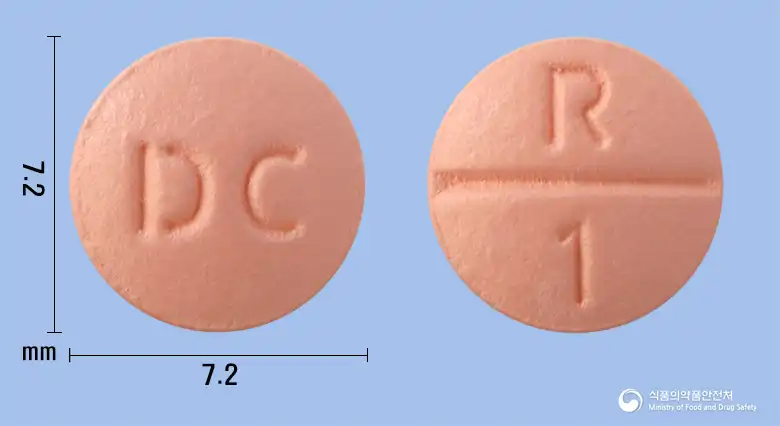
Rosuvastatin Calcium 10.4mg
Tablet · Prescription medication
Dong Gu Bio Pharmaceutical Co., Ltd.
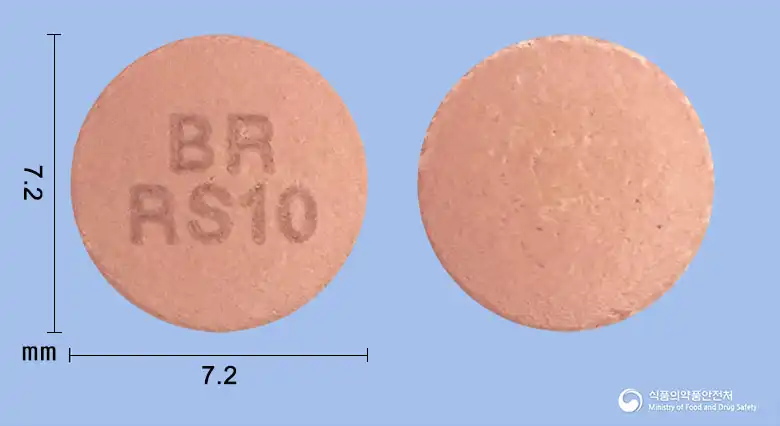
Rosuvastatin Calcium 10.4mg
Tablet · Prescription medication
Boryung Pharmaceutical Co., Ltd.

Rosuvastatin Calcium 20.8mg
Tablet · Prescription medication
Jongkundang Co., Ltd.
Even with the same ingredient, the dose and directions can differ by strength and dosage form. Talk to a doctor or pharmacist before switching from a medication you are already taking.
No questions yet.
For anything that needs medical judgment, consult a doctor or pharmacist.
This drug information is based on data provided by the Korea Ministry of Food and Drug Safety.
Consult a doctor or pharmacist for accurate dosage, administration, and usage instructions.