
 한국어
한국어 English
 日本語
日本語 中文(简体)
Dosage form image
Viewing nowMonterin 4 mg (Montelukast Sodium)
Montelukast Sodium 4.16mg
Prescription medication
Samjin Pharmaceutical Co., Ltd.
MFDS item code 201400952 · Approved 2014.02.28 · Insurance code 647803801
Treatment for asthma prevention and relief of allergic rhinitis symptoms
This medicine helps prevent and continuously treat asthma. It is also used to relieve symptoms of seasonal and perennial allergic rhinitis.
This medication should be taken once a day; asthma patients should take it in the evening, and allergic rhinitis patients should determine the dosing time based on their condition. Patients with both asthma and allergic rhinitis should take 1 packet at 4 mg once daily in the evening. The 4 mg granules can be taken directly orally or mixed with a small amount (about 5 mL) of soft food, breast milk, or porridge at room temperature.
Children aged 2 to 5 years: 4 mg of Montelukast should be administered orally once a day. Infants aged 12 months to less than 2 years: 4 mg should be administered orally in the evening once a day. Efficacy and safety regarding asthma have not been established for infants under 12 months.
This medication is used for the treatment of asthma and allergic rhinitis. During the course of this medication, rare neuropsychiatric symptoms may occur, so patients or caregivers should immediately inform the doctor if there are changes such as agitation, anxiety, depression, hallucinations, or suicidal impulses. Patients with known allergies to this medication should not take it. While taking this medication, various side effects such as fatigue, headache, abdominal pain, fever, cough, nasal congestion, and rash can occur, and if symptoms are severe, medical consultation should be sought. This medication should not be used as an emergency treatment for acute asthma attacks, so a rescue inhaler should always be kept on hand. Inhaled corticosteroids should not be abruptly discontinued or replaced with this medication; they should be gradually adjusted according to the doctor's instructions. If bronchospasms occur due to exercise, do not rely solely on this medication; continue using inhaled beta-agonists. Patients with hypersensitivity to aspirin or non-steroidal anti-inflammatory drugs should avoid these medications while taking this medicine. Pregnant or nursing women should take this medication only when absolutely necessary, as its safety during pregnancy has not been fully established, requiring caution. Children and elderly patients can use this medication, but appropriate dosages and medical guidance should be followed according to age. This medication is sensitive to light, so it is advisable to take it immediately after opening and not to transfer it to another container. Take this medication consistently every day as prescribed by your doctor, and if symptoms worsen or new symptoms develop, immediately consult a healthcare provider.
Not everyone experiences these, and they can vary from person to person.
This medication is sensitive to moisture and light, so it should be stored at room temperature between 1°C and 30°C. It is also important to keep it in a container with a well-sealed lid to prevent air from entering.
White homogeneous granules without foreign matter
28 packets per box
Even with the same ingredient, strength, dosage form and how it is taken can differ.
Montelukast Sodium 4.16mg
Prescription medication
Samjin Pharmaceutical Co., Ltd.
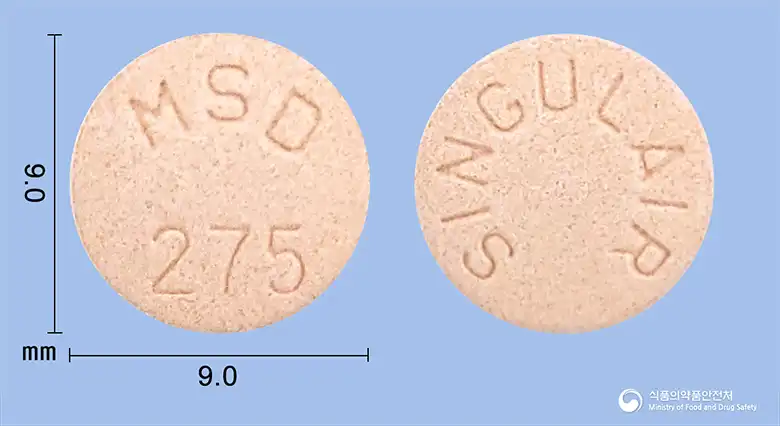
Montelukast Sodium 5.2mg
Chewable Tablet · Prescription medication
Korea Organon Co., Ltd.
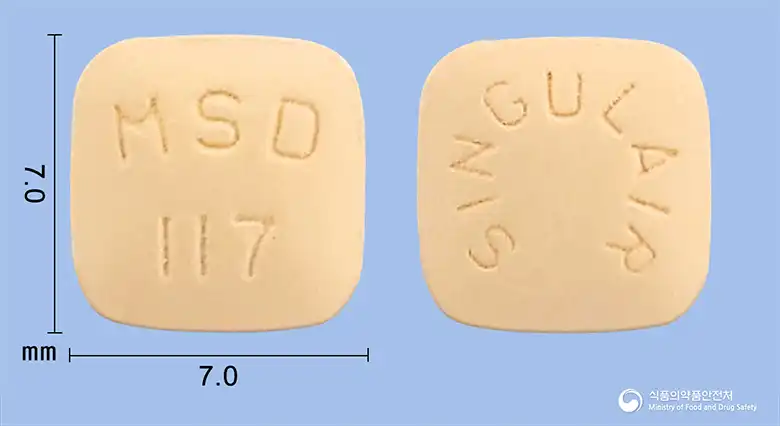
Montelukast Sodium 10.4mg
Tablet · Prescription medication
Korea Organon Co., Ltd.
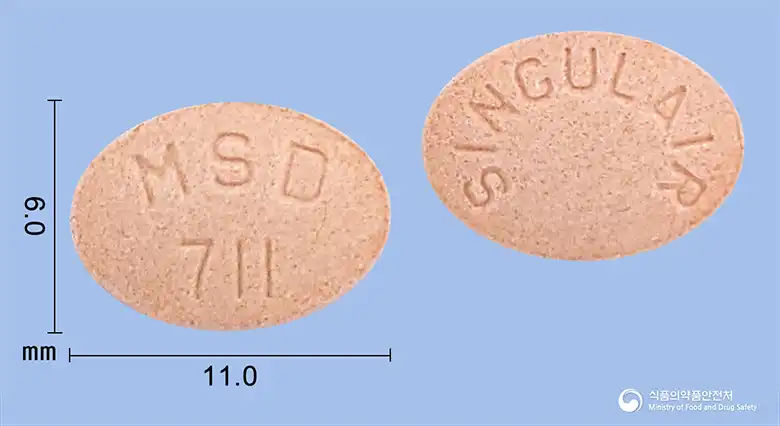
Montelukast Sodium 4.16mg
Chewable Tablet · Prescription medication
Korea Organon Co., Ltd.
Montelukast Sodium 4.16mg
Prescription medication
Korea Organon Co., Ltd.
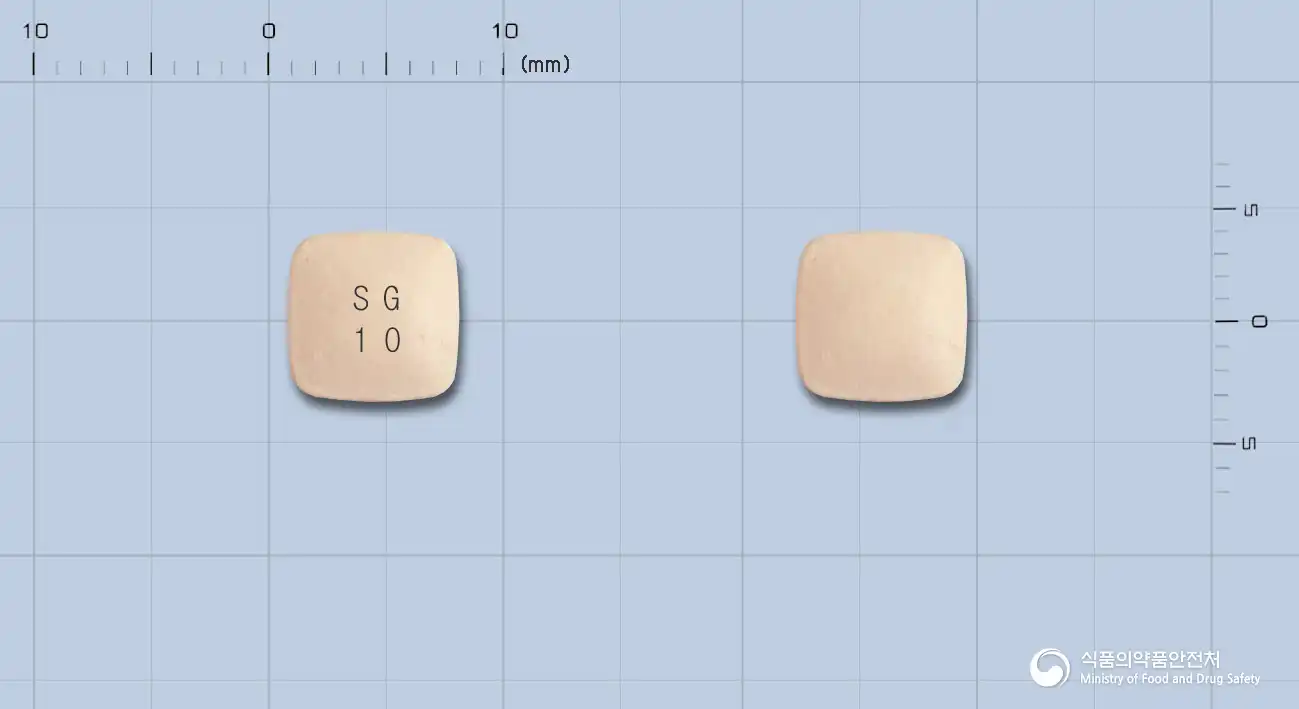
Montelukast Sodium 10.4mg
Tablet · Prescription medication
JW Pharmaceutical Co., Ltd.
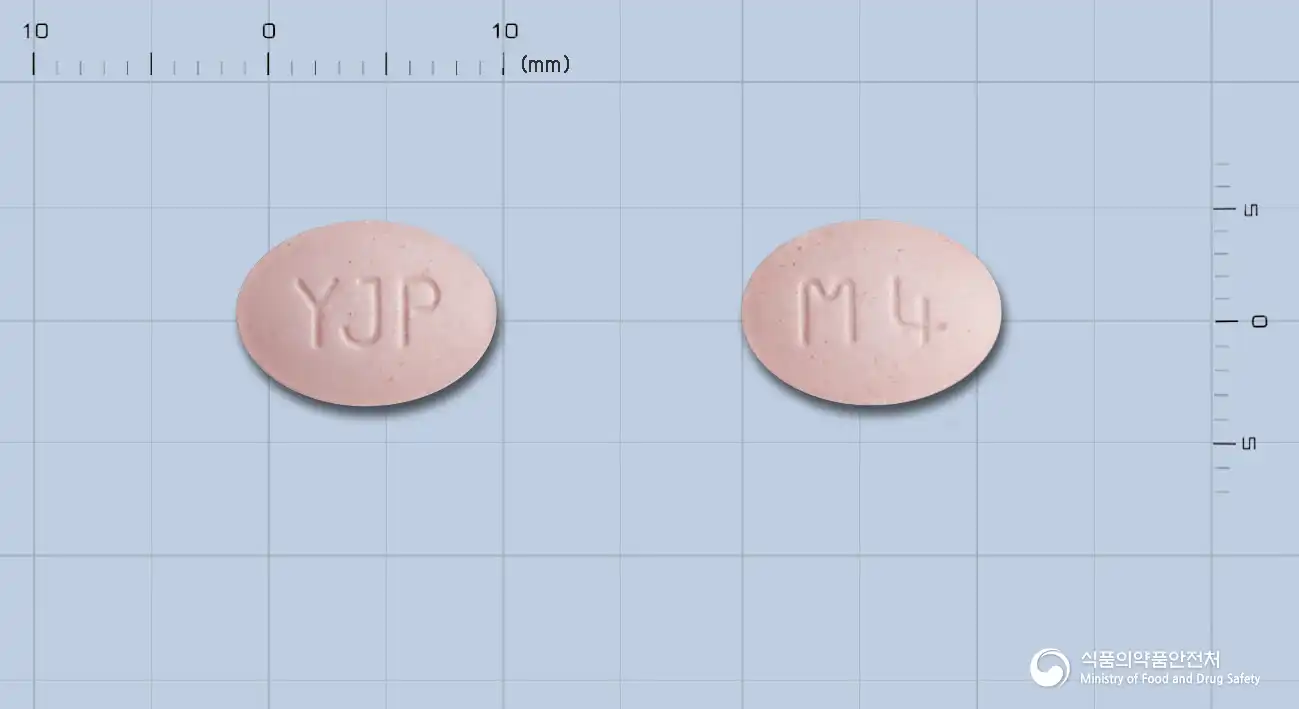
Montelukast Sodium 4.16mg
Chewable Tablet · Prescription medication
Youngjin Pharmaceutical Co., Ltd.
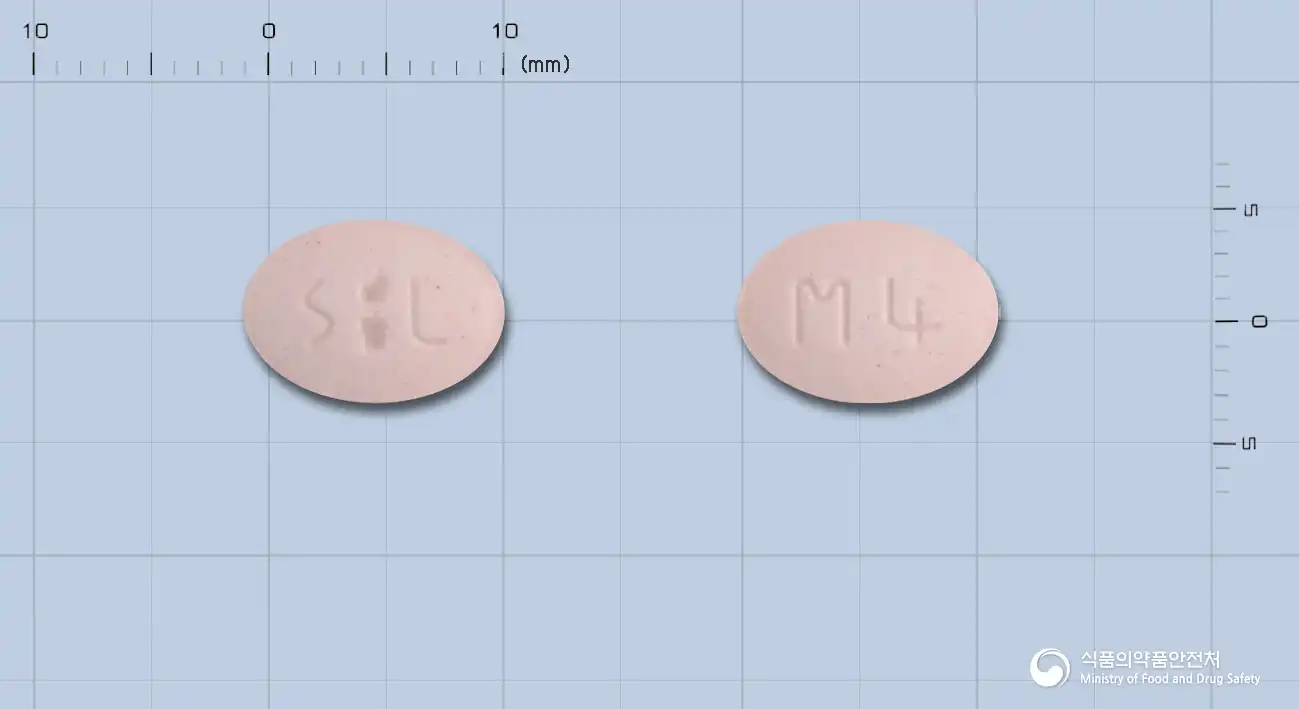
Montelukast Sodium 4.16mg
Chewable Tablet · Prescription medication
Samil Pharmaceutical Co., Ltd.
Even with the same ingredient, the dose and directions can differ by strength and dosage form. Talk to a doctor or pharmacist before switching from a medication you are already taking.
No questions yet.
For anything that needs medical judgment, consult a doctor or pharmacist.
This drug information is based on data provided by the Korea Ministry of Food and Drug Safety.
Consult a doctor or pharmacist for accurate dosage, administration, and usage instructions.