
 한국어
 English
 日本語
 中文(简体)
 Viewing now
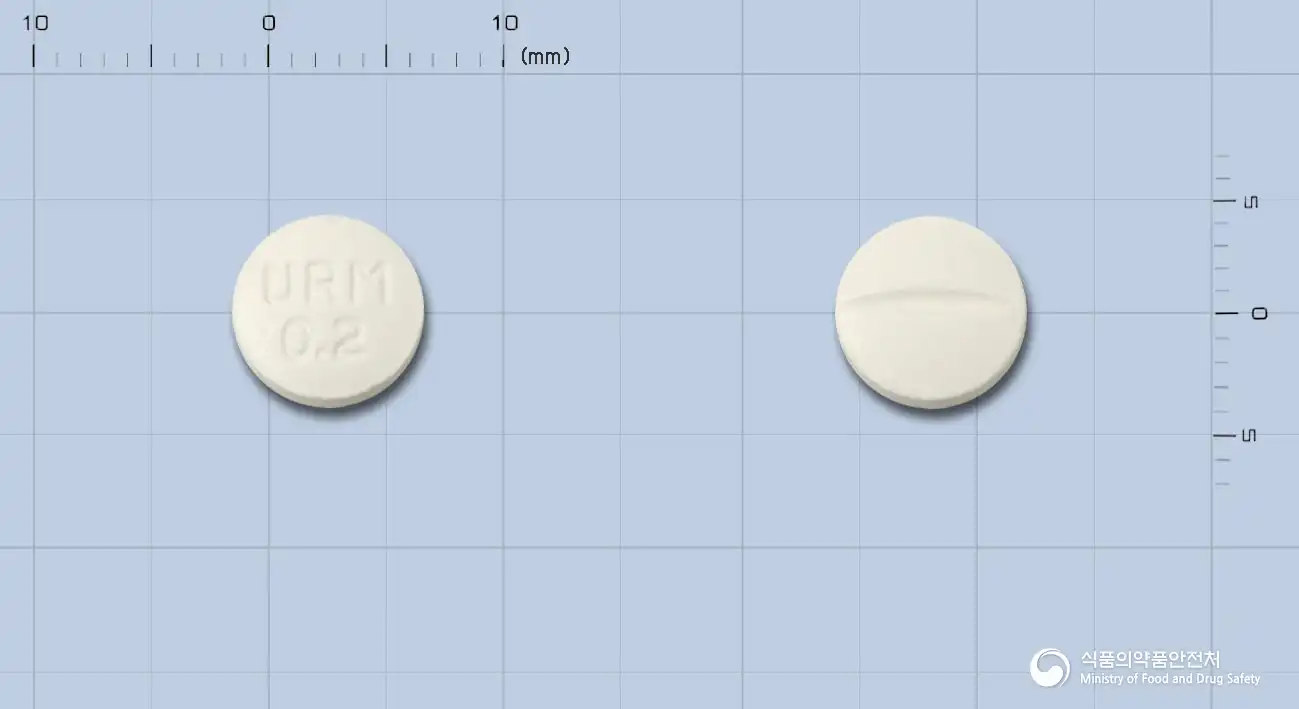
Dithyurin Tablets 0.2 mg (Desmopressin Acetate)
Desmopressin Acetate 0.2mg
Tablet · Prescription medication
Jongkundang Co., Ltd.
MFDS item code 201400933 · Approved 2014.02.28 · Insurance code 643306740
Treatment of primary nocturnal enuresis (age 5 years and older) and nocturia associated with nocturnal polyuria (adults)
This medication is used to treat primary nocturnal enuresis occurring in children aged 5 and older, as well as nocturia symptoms associated with nocturia in adults.
Treatment of nocturia associated with nocturnal polyuria (adults only) : Administer desmopressin acetate 0.1mg orally at bedtime. If the effect is insufficient after one week, increase the dose to 0.2mg. If the effect remains insufficient, the dose may be increased at one-week intervals up to 0.4mg. Discontinue treatment if there is no clinical effect within 4 weeks after dose titration. Initiating treatment with this medicine is not recommended in patients aged 65 years and older. In elderly patients who require treatment, monitor serum sodium levels closely. (See section 5, General Precautions, under Precautions for Use.)
Primary nocturnal enuresis (5 years and older): Administer desmopressin acetate 0.2mg orally at bedtime. If the effect is insufficient, the dose may be increased to 0.4mg. Whether to continue treatment should be determined after 3 months of administration, following a treatment-free period of at least 1 week.
This medication helps regulate body water levels. However, elderly patients or those with certain medical conditions are at higher risk for hyponatremia and water intoxication when taking this medication, which could lead to a state of coma; therefore, adequate fluid intake just enough to relieve thirst is necessary. Patients with hypersensitivity to this medication or specific diseases such as severe renal failure, heart failure, and nephrogenic diabetes insipidus should not take this medication. In particular, this medication should only be used in patients with normal blood pressure for the treatment of enuresis, and those with genetic lactose intolerance should also avoid taking it. Caution is especially needed when using this medication in individuals with hypertension, chronic kidney disease, pregnant women, children, and the elderly, as there is an increased risk of fluid and electrolyte imbalance. Fluid intake should be restricted during the use of this medication, and excessive fluid intake should be avoided, especially for a period of time before and after administration. Otherwise, side effects such as headache, nausea, weight gain, and cramps may occur. Additionally, this medication can interact with other drugs, so it is important to consult with healthcare professionals when used in conjunction with antidepressants, diuretics, steroids, etc., and to monitor the condition through blood tests. Pregnant or breastfeeding women need to be cautious while taking this medication, as it may affect the fetus or newborn, and it is recommended to stop breastfeeding if using it during lactation. In case of overdose, symptoms such as headache, nausea, cramps, and loss of consciousness may occur, so it is important to inform healthcare providers immediately, and appropriate measures such as fluid restriction and diuretics if necessary are required. Finally, this medication does not affect the ability to drive or operate machinery, but caution is needed in case of side effects occurring.
Not everyone experiences these, and they can vary from person to person.
This medication may be sensitive to air or moisture, so it should be stored in a tightly sealed container. The storage temperature should be maintained at room temperature between 1°C and 30°C. Doing so helps to maintain the drug's efficacy and safety for a prolonged period.
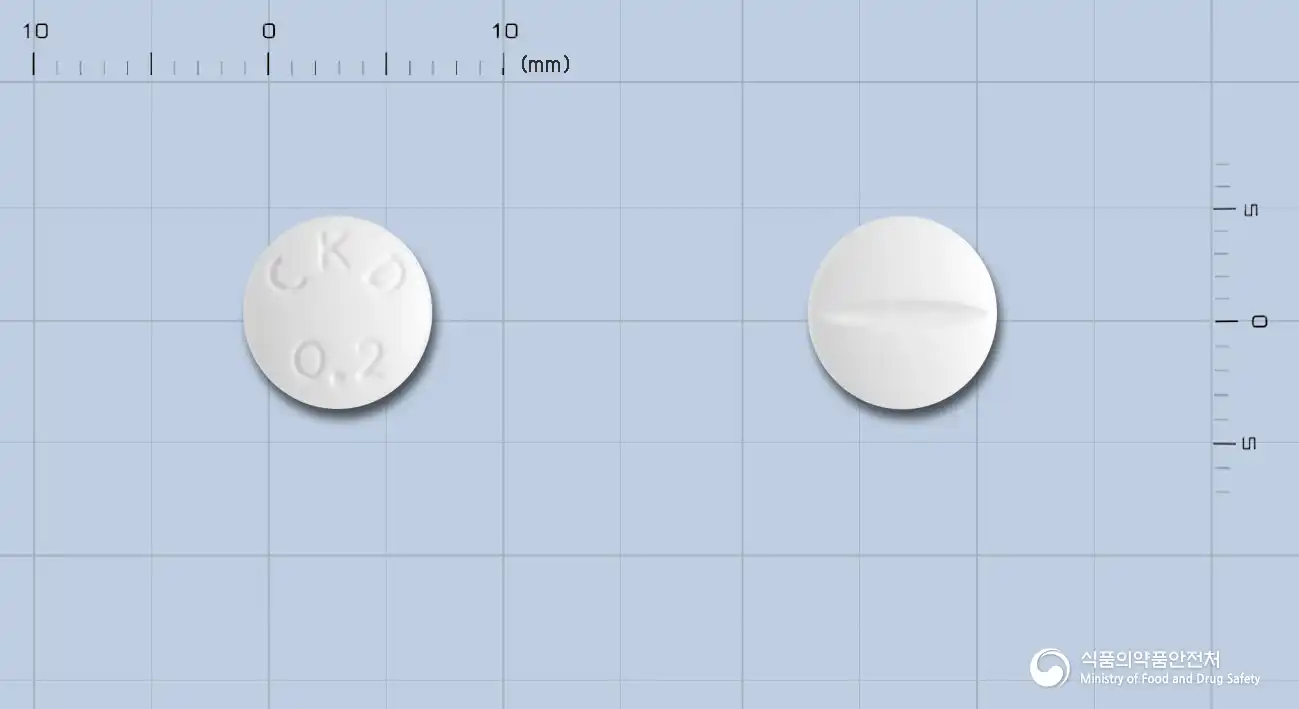
White, convex, round tablet
30 tablets/bottle
Even with the same ingredient, strength, dosage form and how it is taken can differ.
Viewing nowDesmopressin Acetate 0.2mg
Tablet · Prescription medication
Jongkundang Co., Ltd.
Desmopressin Acetate 10mg
Prescription medication
Korea Ferring Pharmaceuticals Co., Ltd.
Desmopressin Acetate 4μg
Prescription medication
Korea Ferring Pharmaceutical Co., Ltd.
Desmopressin Acetate 0.1mg
Tablet · Prescription medication
Korea Ferring Pharmaceuticals Co., Ltd.
Desmopressin Acetate 0.2mg
Tablet · Prescription medication
Korea Ferring Pharmaceuticals Co., Ltd.
Desmopressin Acetate
Prescription medication
Korea Ferring Pharmaceuticals Co., Ltd.
Desmopressin Acetate 0.1mg
Tablet · Prescription medication
Hyundai Pharmaceutical Co., Ltd.
Desmopressin Acetate 0.2mg
Tablet · Prescription medication
Hyundai Pharmaceutical Co., Ltd.
Even with the same ingredient, the dose and directions can differ by strength and dosage form. Talk to a doctor or pharmacist before switching from a medication you are already taking.
No questions yet.
For anything that needs medical judgment, consult a doctor or pharmacist.
This drug information is based on data provided by the Korea Ministry of Food and Drug Safety.
Consult a doctor or pharmacist for accurate dosage, administration, and usage instructions.