
 한국어
한국어 English
 日本語
日本語 中文(简体)
 Viewing nowCombination
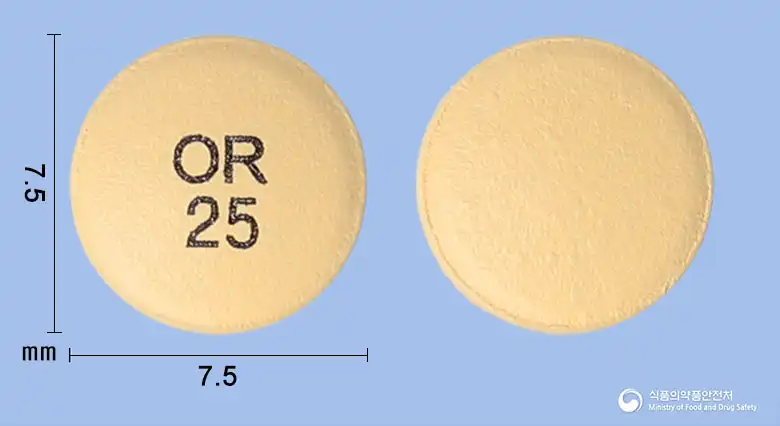
Olostan Tablet 20/5 mg (Olmesartan Medoxomil, Rosuvastatin)
Rosuvastatin Calcium 5.2mg · Olmesartan Medoxomil 20mg
Tablet · Prescription medication · Combination
Daewoong Pharmaceutical Co., Ltd.
MFDS item code 201400806 · Approved 2014.02.21 · Insurance code 641605770
Treatment of hypertension and hypercholesterolemia (atherosclerosis, etc.)
This medication is used for patients who need to take both Olmesartan Medoxomil and Rosuvastatin. Olmesartan Medoxomil primarily helps treat essential hypertension. Rosuvastatin is used as an adjunct therapy for hypercholesterolemia and various forms of dyslipidemia when dietary measures and exercise are insufficient. It also contributes to delaying the progression of atherosclerosis and reducing the risk of cardiovascular events such as stroke and myocardial infarction in patients at high risk for specific cardiovascular diseases. Therefore, this medication is used to manage both hypertension and hyperlipidemia simultaneously, aiding in the prevention and treatment of cardiovascular diseases.
Olmesartan Medoxomil The recommended starting dose for adults is 10 mg once daily, and it can be taken regardless of meals. If blood pressure is not adequately controlled, it can be increased to 20 mg once daily. The maximum dose can be increased to 40 mg once daily. Rosuvastatin The starting dose is 5 mg once daily, and it can be taken at any time of the day regardless of meals. The maintenance dose is usually adjusted to 10 mg once daily for most patients.
Safety and efficacy have not been established in children under 18 years of age.
This medication can cause severe harm to the fetus during pregnancy, especially in the second and third trimesters, so it must be discontinued immediately upon confirmation of pregnancy. Patients with known allergies to this medication or its components should not take it, and pregnant or potentially pregnant women, as well as breastfeeding women, should avoid taking it. Patients with very poor renal function or those receiving renal dialysis, patients with severe hepatic impairment, patients with biliary obstruction, patients with active liver disease, and patients with muscle disorders should not use this medication. In particular, a dosage of 40 mg of Rosuvastatin is contraindicated in patients at risk of myopathy or rhabdomyolysis. This medication contains lactose; therefore, patients with lactose intolerance or related genetic diseases should not take it. When administered to patients with reduced blood volume or low salt, there is a risk of initial hypotension, so they must be monitored closely. Patients with renal problems, kidney transplant recipients, patients with renal artery hypertension, and patients at risk of hyperkalemia should be administered this medication cautiously. Special precautions are required for patients with aortic stenosis and mitral valve stenosis, and for those with obstructive heart disease. Because this medication lowers blood pressure and may cause dizziness, caution is needed when performing high-risk tasks or driving. Patients who consume excessive alcohol or have a history of liver disease should undergo regular liver function tests. If symptoms of myalgia or myopathy occur, the healthcare provider should be informed immediately, and necessary tests should be carried out, with discontinuation of the medication in severe cases. This medication may interact with other drugs, so patients must inform their healthcare provider about any other medications they are taking. Pregnant or nursing women should not take this medication, and women of childbearing age should use appropriate contraception. Safety and efficacy have not been established in children under 18 years of age. Elderly patients may have higher drug concentrations, so dosage adjustment may be necessary. In case of overdose, symptoms like hypotension and palpitations may appear, and immediate medical attention should be sought. This medication should be kept out of reach of children and should not be transferred to another container.
Headache, dizziness, sensory loss, drowsiness, gastroesophageal reflux, constipation, dental caries, dyspepsia, gastric ulcer, gastritis, gastroenteritis, musculoskeletal stiffness, atrial fibrillation, hypoglycemia, chest pain, back pain, hematuria, hyperglycemia, hypertriglyceridemia, influenza-like symptoms, pharyngitis, rhinitis, sinusitis, vomiting, chronic malabsorption syndrome-like intestinal diseases, hair loss, itching, rash, myalgia, weakness, palpitations, hypertension, cough, nasal bleeding,
Not everyone experiences these, and they can vary from person to person.
This medication must be stored in a tightly sealed container to protect it from air or moisture. It is important to maintain a storage temperature between 1 to 30 degrees Celsius. This helps ensure the medication's effectiveness and prevents deterioration.
Yellow round film-coated tablet
30 tablets (10 tablets/PTP) × 3, 30 tablets/bottle
Even with the same ingredient, strength, dosage form and how it is taken can differ.
Viewing nowCombinationRosuvastatin Calcium 5.2mg · Olmesartan Medoxomil 20mg
Tablet · Prescription medication · Combination
Daewoong Pharmaceutical Co., Ltd.
 Combination
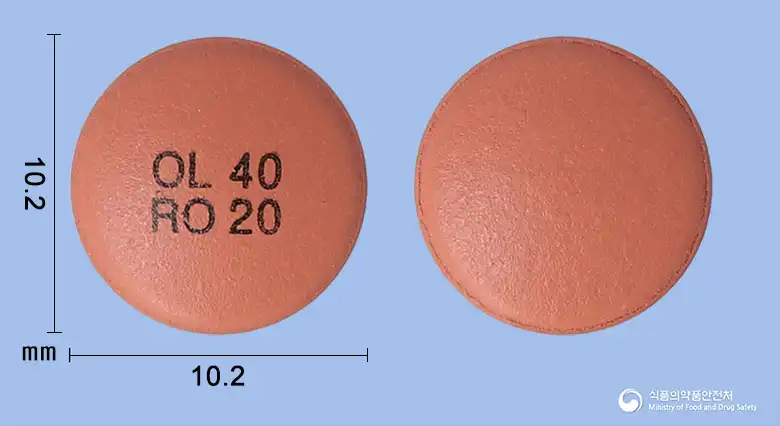
Rosuvastatin Calcium 20.8mg · Olmesartan Medoxomil 40mg
Tablet · Prescription medication · Combination
Daewoong Pharmaceutical Co., Ltd.
 Combination
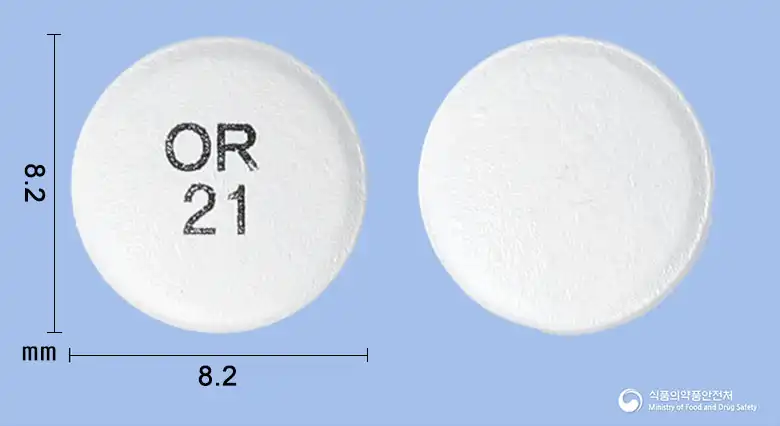
Rosuvastatin Calcium 10.4mg · Olmesartan Medoxomil 20mg
Tablet · Prescription medication · Combination
Daewoong Pharmaceutical Co., Ltd.
 Combination
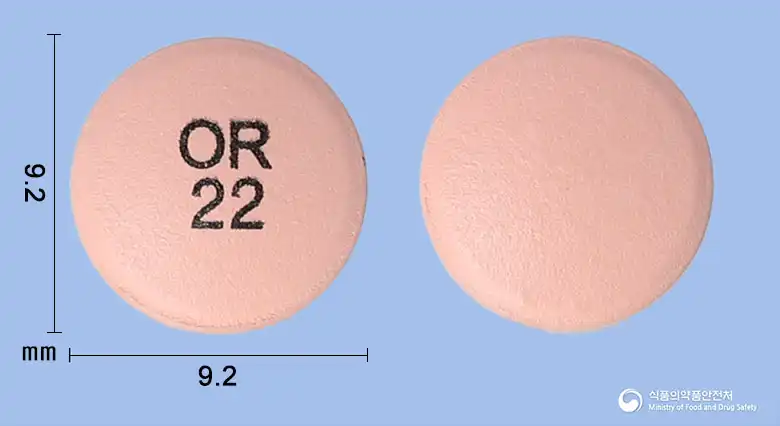
Rosuvastatin Calcium 20.8mg · Olmesartan Medoxomil 20mg
Tablet · Prescription medication · Combination
Daewoong Pharmaceutical Co., Ltd.
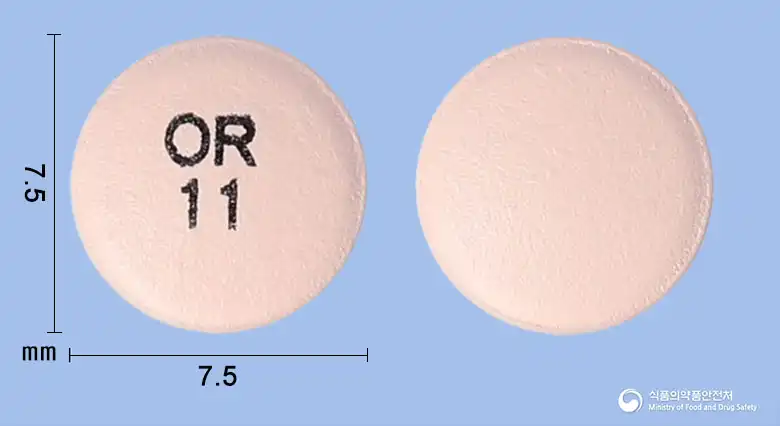 Combination
Rosuvastatin Calcium 10.4mg · Olmesartan Medoxomil 10mg
Tablet · Prescription medication · Combination
(Co., Ltd. Daewoong Pharmaceutical)
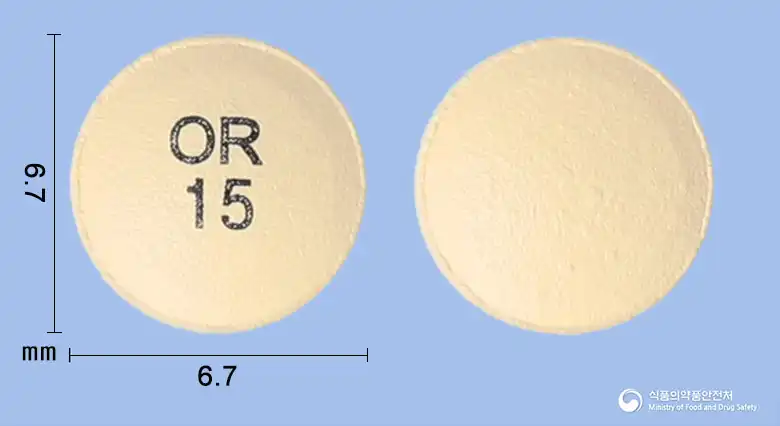 Combination
Rosuvastatin Calcium 5.2mg · Olmesartan Medoxomil 10mg
Tablet · Prescription medication · Combination
(Co., Ltd.) Daewoong Pharmaceutical
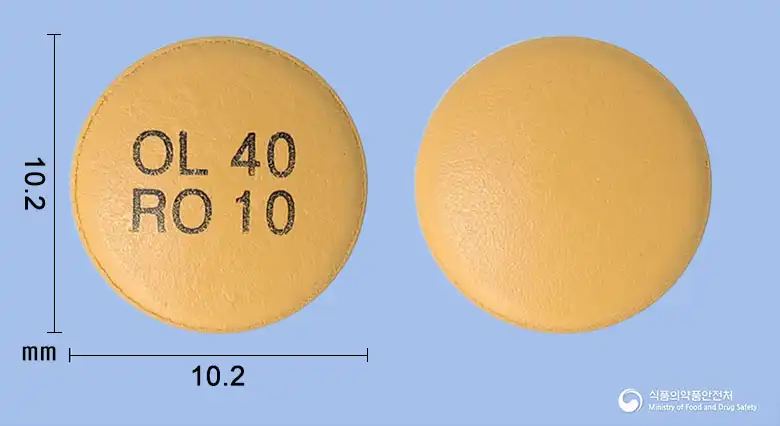 Combination
Rosuvastatin Calcium 10.4mg · Olmesartan Medoxomil 40mg
Tablet · Prescription medication · Combination
Daewoong Pharmaceutical Co., Ltd.
Olmesartan Medoxomil 20mg · Rosuvastatin Calcium 20.8mg
Tablet · Prescription medication · Combination
Mothers Pharmaceuticals Co., Ltd.
Even with the same ingredient, the dose and directions can differ by strength and dosage form. Talk to a doctor or pharmacist before switching from a medication you are already taking.
No questions yet.
For anything that needs medical judgment, consult a doctor or pharmacist.
This drug information is based on data provided by the Korea Ministry of Food and Drug Safety.
Consult a doctor or pharmacist for accurate dosage, administration, and usage instructions.