한국어
 English
 日本語
 中文(简体)
 Viewing now
Hanin Clonazepam Tablet 0.5 mg
Clonazepam 0.5mg
Tablet · Prescription medication
Hanin Pharmaceutical Co., Ltd.
MFDS item code 201400403 · Approved 2014.01.29 · Insurance code 657202690
Treatment of epilepsy (partial seizures, absence seizures, etc.) and panic disorder
This medication is used to treat various forms of epilepsy, especially partial seizures and generalized seizures. It is also effective for absence seizures occurring in infants and children. Additionally, it helps alleviate symptoms of panic disorder and contributes to overall improvement of the nervous system function. This drug is used to effectively control patients' symptoms and enhance their quality of life.
The dose of this drug should be individually adjusted according to the patient's clinical response and tolerability. ○ Epilepsy and partial-onset (focal) seizures, primary and secondarily generalized tonic-clonic seizures (grand mal), and epilepsy in infants and children (particularly typical and atypical absence seizures) Initial dose - To prevent adverse effects at the start of treatment, increase the dose slowly until the optimal dose for the patient is determined, reaching the maintenance dose within 2-4 weeks. Maintenance dose - The dose should be adjusted appropriately according to the patient's age and symptoms (duration, frequency, and severity of seizures, whether other antiepileptic drugs are being used concomitantly, etc.). Determine the optimal dose by taking into account the patient's tolerability and clinical response to this drug. 1. Adults: The initial dose of clonazepam should not exceed 1.5 mg daily and should be administered orally in 3 equally divided doses. If the doses are not equal, administer the largest dose in the evening. Increase the dose by 0.5 mg every 3 days to a maintenance dose of 3-6 mg daily. Once the maintenance dose is reached, administer once daily. ○ Panic disorder 1. Adults: The initial dose is 0.5 mg daily in 2 divided doses. In most patients, the dose may be increased to the target dose of 1 mg daily after 3 days. The recommended dose of 1 mg daily is based on the optimal effect observed in fixed-dose studies. However, if necessary, the dose may be increased by 0.25~0.5 mg every 3 days, up to a maximum of 4 mg daily in 2 divided doses, until panic disorder is controlled or adverse effects prevent further increases. To reduce problems with drowsiness, the dose may be taken once at bedtime. At the end of treatment, gradually reduce the dose by 0.25 mg every 3 days. ○ Elderly patients Administer the lowest dose possible to elderly patients, and use particular caution when increasing the dose.
2. Children (10-16 years): The initial dose of this medicine is 1-1.5㎎ daily, divided into 2-3 doses. Increase the dose by 0.25-0.5㎎ at 3-day intervals to a maintenance dose of 3-6㎎ daily. 3. Infants and children (10 years or younger, or weighing 30㎏ or less): The initial dose of this medicine is 0.01-0.03㎎ per ㎏ of body weight daily, divided into 2-3 doses. Increase the dose by 0.25-0.5㎎ every 3 days to a maintenance dose of 0.1㎎ per ㎏ of body weight daily. The maximum dose is 0.2㎎ per ㎏ of body weight.
This medication may increase the risk of suicidal thoughts or behavior, so it is important to consult a doctor immediately if symptoms of depression, mood changes, or behavioral changes occur during treatment. Avoid concurrent use with alcohol or central nervous system depressants, as it may cause severe drowsiness, respiratory depression, and cardiovascular issues. When used with narcotic analgesics, serious side effects such as respiratory depression or coma may occur; hence, it should only be used under medical supervision. Individuals with specific conditions such as acute narrow-angle glaucoma, myasthenia gravis, or drug dependence should not take this medication. Patients with conditions affecting the heart, kidneys, or brain, as well as the elderly, frail patients, or those with impaired respiratory function, should use this medication cautiously and be carefully monitored for potential side effects. Prolonged use may lead to dependence or withdrawal symptoms, so sudden discontinuation should be avoided; dosages should be gradually reduced under medical supervision. Drowsiness, dizziness, or movement disorders may occur during use; hence, caution should be exercised when driving or operating machinery, especially at the beginning of treatment when these risks are higher. Women who are pregnant or may become pregnant should consult a doctor before using this medication as it could affect the fetus. If breastfeeding, it is recommended to discontinue breastfeeding as this drug may pass into breast milk and affect the newborn. Dosages should be adjusted and administered cautiously in children and the elderly, and the safety in patients under 18 years of age with panic disorder has not been established. In the event of an overdose, severe symptoms such as coma, respiratory depression, and hypotension may occur; immediate emergency treatment is required, and appropriate measures should be taken under medical guidance. This medication is sensitive to light and should be stored in its original container out of reach of children.
suicidal impulses, suicidal behavior, depression, abnormal changes in mood and behavior, severe sedation, respiratory depression, coma, headache, ataxia, anxiety, headache, diarrhea, lack of concentration, agitation, myalgia, irritability, restlessness, mood disorder, confusion, seizures, sweating, muscle and abdominal cramps, perceptual disturbances, hallucinations, convulsions, loss of reality, depersonalization, auditory hypersensitivity, numbness, limb pain, hallucinations, dyspnea, pulmonary congestion, wheezing, nighttime breathing difficulties, respiratory distress, excessive airway secretions, increased sputum, cough, oropharyngeal swelling, chest pain, diplopia, blurred vision, glare, nystagmus, increased salivation, loss of appetite, nausea, vomiting, dysphagia, stomatitis, upper abdominal symptoms, abdominal pain, constipation, diarrhea, hiccups, increased appetite, thirst, nocturia, urinary incontinence, difficulty urinating, leukopenia, anemia, thrombocytopenia, eosinophilia, angioneurotic edema, hepatomegaly, elevated AST, elevated ALT, elevated ALP, elevated LDH, elevated γ-GTP, urticaria, itching, skin rash, hair loss, pigmentation changes, hirsutism, rash, ankle swelling, facial swelling, weakness, fatigue, weight loss, tiredness, excitement, fever, weight gain, snoring, menstrual irregularities, decreased libido, impotence, sweating, lymphadenopathy, allergic reactions, anaphylaxis, reversible development of secondary sexual characteristics in children, decreased concentration, restlessness, disorientation, depression, excitability, hypersensitivity, aggressive behavior, agitation, nervousness, hostility, anxiety, sleep disturbances, nightmares, vivid dreams, decreased libido, drowsiness, slow response, decreased muscle tone, dizziness, coordination impairment, headache, speech difficulties, decreased motor coordination, walking difficulties, nystagmus, anterograde amnesia, memory loss, increased seizure frequency, vision impairment, cardiac arrest, heart failure, nausea, upper abdominal symptoms, pruritus, muscle weakness, urinary incontinence, erectile dysfunction, fatigue, falls, fractures, decreased platelet count, delirium, cholestatic hepatitis, abnormal cooperation, dysarthria, memory impairment, emotional instability, confusion, nervousness, cognitive decline, upper respiratory infection, sinusitis, rhinitis, cough, pharyngitis, bronchitis, constipation, decreased appetite, abdominal pain, allergic reactions, myalgia, influenza, frequent urination, urinary tract infection, blurred vision, dysmenorrhea, vaginitis, delayed ejaculation, erectile dysfunction
Not everyone experiences these, and they can vary from person to person.
This medication may be sensitive to light, so it should be stored in a well-sealed container that is light-resistant. Additionally, it is best to store the medication at room temperature, specifically between 1 to 30 degrees Celsius, avoiding extreme heat or cold.
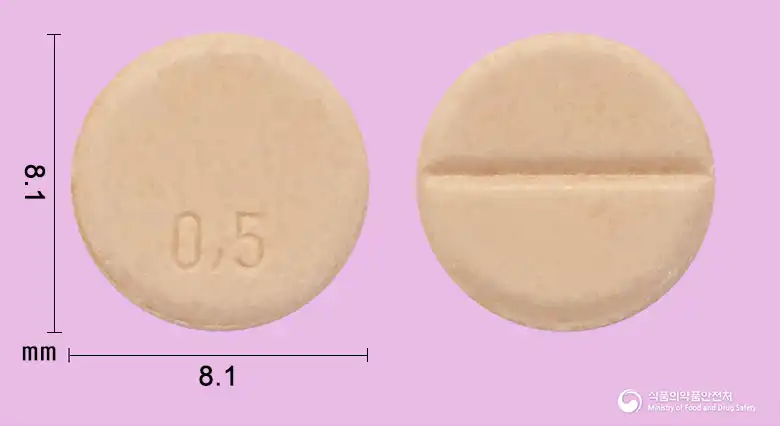
Light orange round tablet
200 tablets/bottle
Even with the same ingredient, strength, dosage form and how it is taken can differ.
Even with the same ingredient, the dose and directions can differ by strength and dosage form. Talk to a doctor or pharmacist before switching from a medication you are already taking.
No questions yet.
For anything that needs medical judgment, consult a doctor or pharmacist.
This drug information is based on data provided by the Korea Ministry of Food and Drug Safety.
Consult a doctor or pharmacist for accurate dosage, administration, and usage instructions.