
 한국어
한국어 English
 日本語
日本語 中文(简体)
 Viewing nowCombination
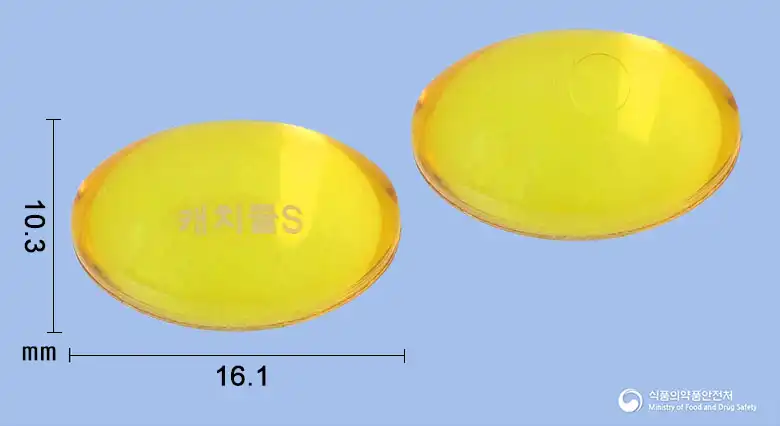
Catchcall S Soft Capsule
Acetaminophen 200mg · Chlorpheniramine Maleate 1.25mg +4 more
Soft capsule · OTC medication · Combination
Kolon Pharmaceutical Co., Ltd.
MFDS item code 201400293 · Notified 2014.01.22
Relief of cold symptoms (runny nose, nasal congestion, sneezing, etc.)
This medication is used to relieve various symptoms of cold, including runny nose, nasal congestion, sneezing, sore throat, cough, phlegm, chills, fever, headache, joint pain, and muscle pain.
Aged 15 years and older: Take 2 capsules three times a day after meals, 30 minutes post-meal.
Aged over 7 years to under 15 years: Take 1 capsule three times a day after meals, 30 minutes post-meal.
This medication may put strain on the liver; those who regularly consume more than three alcoholic drinks daily should consult with a doctor or pharmacist before taking. The acetaminophen included in this medication can rarely cause severe skin reactions, so if skin rash or allergic symptoms occur, discontinue use immediately. Be careful not to exceed a daily maximum dosage of 4,000 mg of acetaminophen and do not take with other products containing acetaminophen. The pseudoephedrine component of this medication can rarely cause severe skin abnormal reactions, so if fever, skin rash, or small blisters occur, stop taking it and consult a specialist. Those with a history of allergic reactions to any component of this medication, infants under three months of age, individuals taking certain antidepressants or psychiatric medications, and those with severe hypertension or kidney diseases should not take this medication. Avoid taking this medication with cough medications, other cold medications, antipyretics, sedatives, or antihistamines, and it is important to consult a specialist before taking. Particularly, children, pregnant women, nursing mothers, the elderly, or individuals with liver, kidney, or heart diseases should consult a doctor or pharmacist before taking this medication. If any unusual symptoms such as rash, itching, vomiting, dizziness, or shortness of breath occur during use, discontinue taking and seek professional help immediately. This medication should not be given to children under two years old, and must be prescribed by a doctor if absolutely necessary. Adhere to the prescribed dosage and method of administration, do not use for a prolonged period, avoid consuming alcohol while on it, and be cautious of potential drowsiness while driving or operating machinery. Care should be taken when this medication is taken together with certain antibiotics or medications as it may cause adverse effects.
Rash, redness, itching, nausea, vomiting, loss of appetite, constipation, swelling, difficulty urinating, thirst, dizziness, anxiety, tremors, insomnia, high anion gap metabolic acidosis (HAGMA)
Not everyone experiences these, and they can vary from person to person.
Do not take with oral medications containing cough suppressants and expectorants, other cold medications, antipyretics, sedatives, or antihistamines. Do not take if currently taking or have recently stopped any MAO inhibitors (antidepressants, antipsychotics, mood stabilizers, anti-Parkinson's medications) within the last 2 weeks. Consult a doctor if taking diabetes medications, gout medications, arthritis medications, anticoagulants, steroids, barbiturates, and tricyclic antidepressants together.
Do not consume alcohol while taking this medication.
This medication should be stored in a sealed container to prevent air or moisture ingress. It is best to maintain a storage temperature between 1 and 30 degrees Celsius.
Yellow transparent oval soft capsules containing a transparent, pale yellow solution.
10 capsules/PTP
Even with the same ingredient, strength, dosage form and how it is taken can differ.
Viewing nowCombinationAcetaminophen 200mg · Chlorpheniramine Maleate 1.25mg +4 more
Soft capsule · OTC medication · Combination
Kolon Pharmaceutical Co., Ltd.
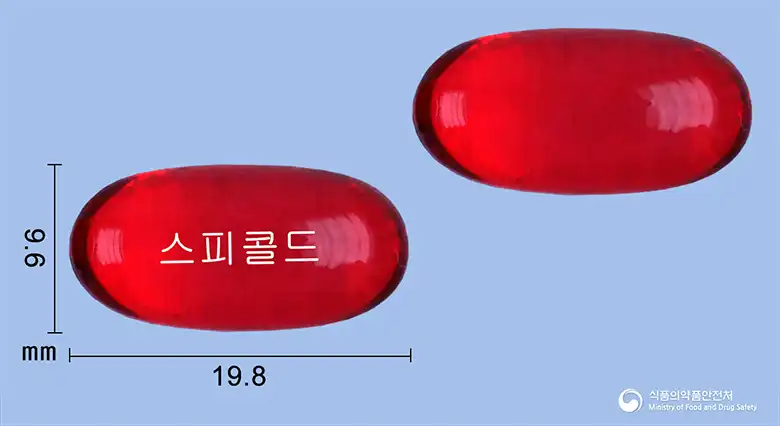 Combination
Acetaminophen 200mg · Chlorpheniramine Maleate 1.25mg +4 more
Soft capsule · OTC medication · Combination
RPI Bio Co., Ltd.
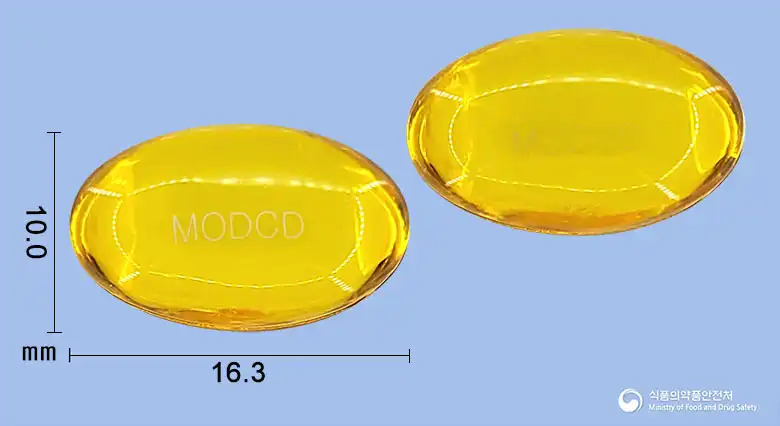 Combination
Acetaminophen 200mg · Chlorpheniramine Maleate 1.25mg +4 more
Soft capsule · OTC medication · Combination
Chung Kun Dang Pharmaceutical Corp.
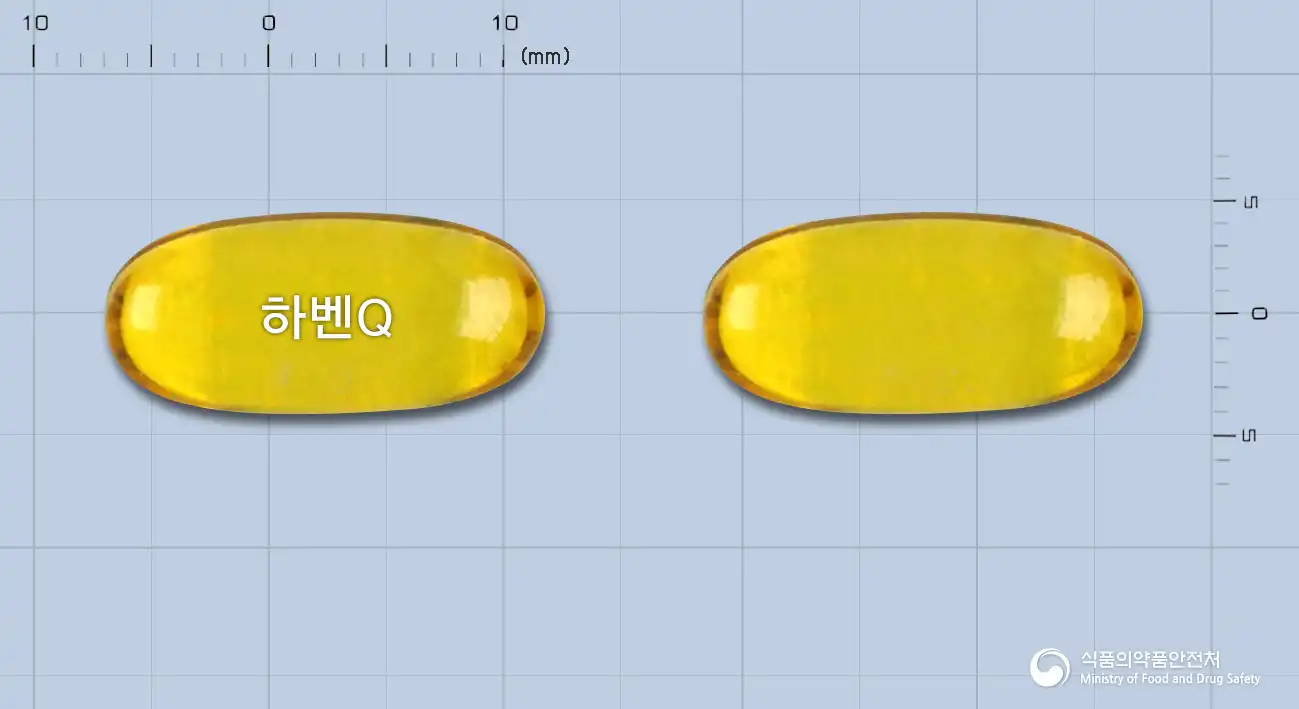 Combination
Acetaminophen 200mg · Chlorpheniramine Maleate 1.25mg +4 more
Soft capsule · OTC medication · Combination
Korea Pharmaceutical Co., Ltd.
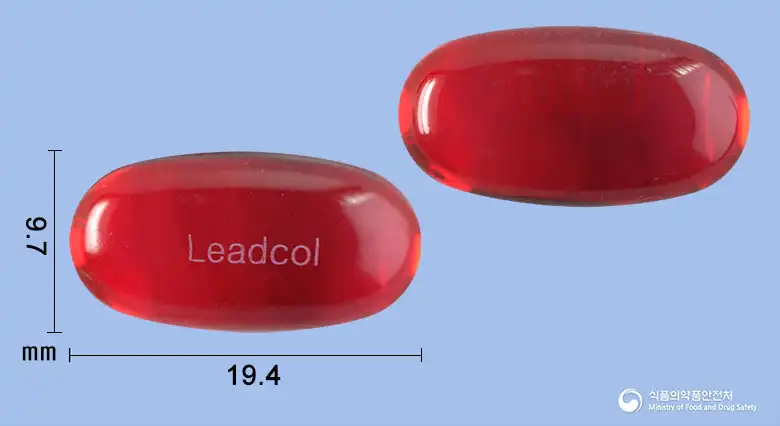 Combination
Acetaminophen 200mg · Chlorpheniramine Maleate 1.25mg +4 more
Soft capsule · OTC medication · Combination
RPI Bio Co., Ltd.
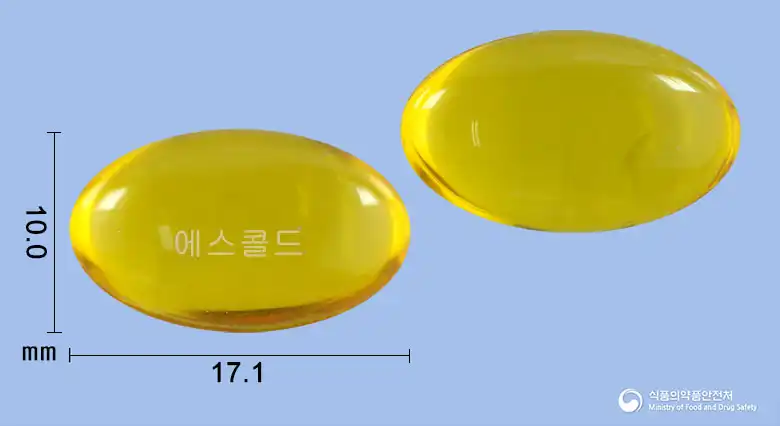 Combination
Acetaminophen 200mg · Chlorpheniramine Maleate 1.25mg +4 more
Soft capsule · OTC medication · Combination
Bukwang Pharmaceutical Co., Ltd.
Acetaminophen · Chlorpheniramine Maleate +4 more
OTC medication · Combination
Medix Pharmaceutical Co., Ltd.
Acetaminophen 200mg · Chlorpheniramine Maleate 1.25mg +4 more
Soft capsule · OTC medication · Combination
Hanlim Pharmaceuticals Co., Ltd.
Even with the same ingredient, the dose and directions can differ by strength and dosage form. Talk to a doctor or pharmacist before switching from a medication you are already taking.
No questions yet.
For anything that needs medical judgment, consult a doctor or pharmacist.
This drug information is based on data provided by the Korea Ministry of Food and Drug Safety.
Consult a doctor or pharmacist for accurate dosage, administration, and usage instructions.