
 한국어
 English
 日本語
 中文(简体)
 Viewing now
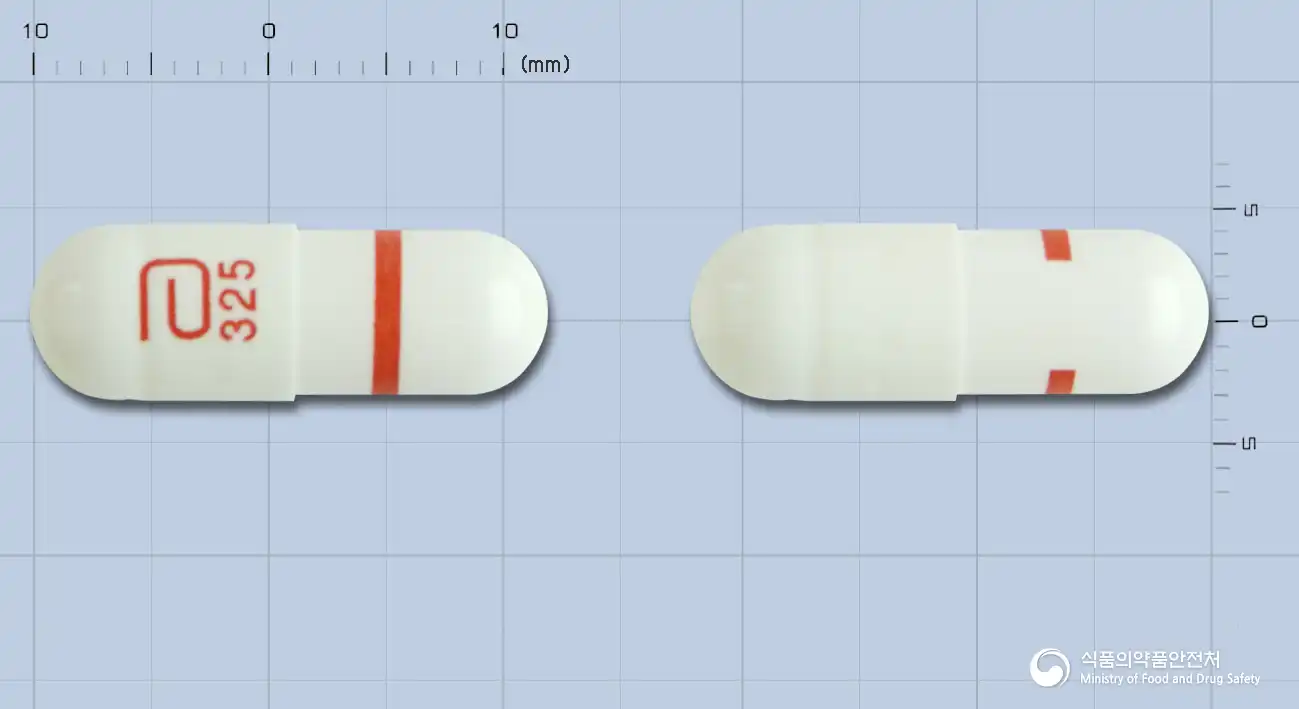
Rhythmone SR Sustained-release Capsule 325 mg (Propafenone Hydrochloride)
Propafenone Hydrochloride 325mg
Tablet · Prescription medication
Abbott Korea, Co., Ltd.
MFDS item code 201400279 · Approved 2014.01.21 · Insurance code 644206330
Prevention of recurrence of symptomatic atrial arrhythmias
This medication is used to prolong the time to recurrence of symptomatic atrial fibrillation in patients without structural heart disease who have a history of symptomatic atrial fibrillation. In other words, this drug helps delay the recurrence of arrhythmias in patients to maintain heart health.
The dose of this medicine should be adjusted according to each patient's response and tolerability. Individual titration to the maintenance dose must be strictly managed by a cardiologist under cardiac monitoring, including electrocardiogram (ECG) monitoring and repeated blood pressure measurements. This medicine may be taken with or without food. This medicine or its contents should be taken whole with water. Do not chew or crush the contents of this medicine. Adults: The starting dose is 225mg twice daily, 12 hours apart. After at least 5 days of treatment, the dose may be increased to 325mg twice daily. If an additional therapeutic effect is needed, the dose may be increased to 425mg per dose at 12-hour intervals after at least 5 more days of treatment. Dose reduction should be considered in patients who develop significant QRS widening or second- or third-degree atrioventricular block.
This medication is an antiarrhythmic agent used to regulate heart rhythms. There is an increased risk of death if this medication is administered to patients with non-life-threatening ventricular arrhythmias who have recently experienced a myocardial infarction. It should not be used in patients with severely reduced heart function or certain cardiac conduction disorders, and administration should be avoided in patients with severe heart failure or very low cardiac output. This medication should be administered cautiously in patients with impaired liver or kidney function, in elderly patients, and in patients with asthma or chronic obstructive pulmonary disease. Regular electrocardiographic examinations and close monitoring of the patient's condition are required. Various adverse reactions such as dizziness, cardiac irregularities, low blood pressure, gastrointestinal symptoms, and skin rashes may occur during treatment, and patients should be immediately informed of any such symptoms. This medication may interact with other drugs; therefore, if any other medications are being taken, the healthcare provider must be informed. Caution is particularly necessary when used in combination with specific antibiotics, antidepressants, or anticoagulants. Pregnant or breastfeeding women should consult with their doctor regarding the use of this drug, and decisions should be made carefully considering the potential effects on the fetus or neonate. In pediatric patients, the safety and efficacy of this drug have not been sufficiently established, and it is not recommended. In case of overdose, there may be cardiac dysfunction, central nervous system abnormalities, and in severe cases, life-threatening conditions; therefore, adherence to the prescribed dosage must be strict, and if overdose is suspected, emergency care should be sought immediately. This medication must be kept out of the reach of children and care should be taken not to transfer it to another container.
Not everyone experiences these, and they can vary from person to person.
This medication should be stored in a tightly sealed container to prevent exposure to air and moisture, and it is vital to maintain a storage temperature between 1 and 30 degrees Celsius. Proper storage can help maintain the effectiveness of the medication.
A white to nearly white, opaque hard capsule containing a sustained-release microtablet that is spherical and convex on both sides.
50 capsules (10 capsules/PTP x 5)
Even with the same ingredient, strength, dosage form and how it is taken can differ.
Viewing nowPropafenone Hydrochloride 325mg
Tablet · Prescription medication
Abbott Korea, Co., Ltd.
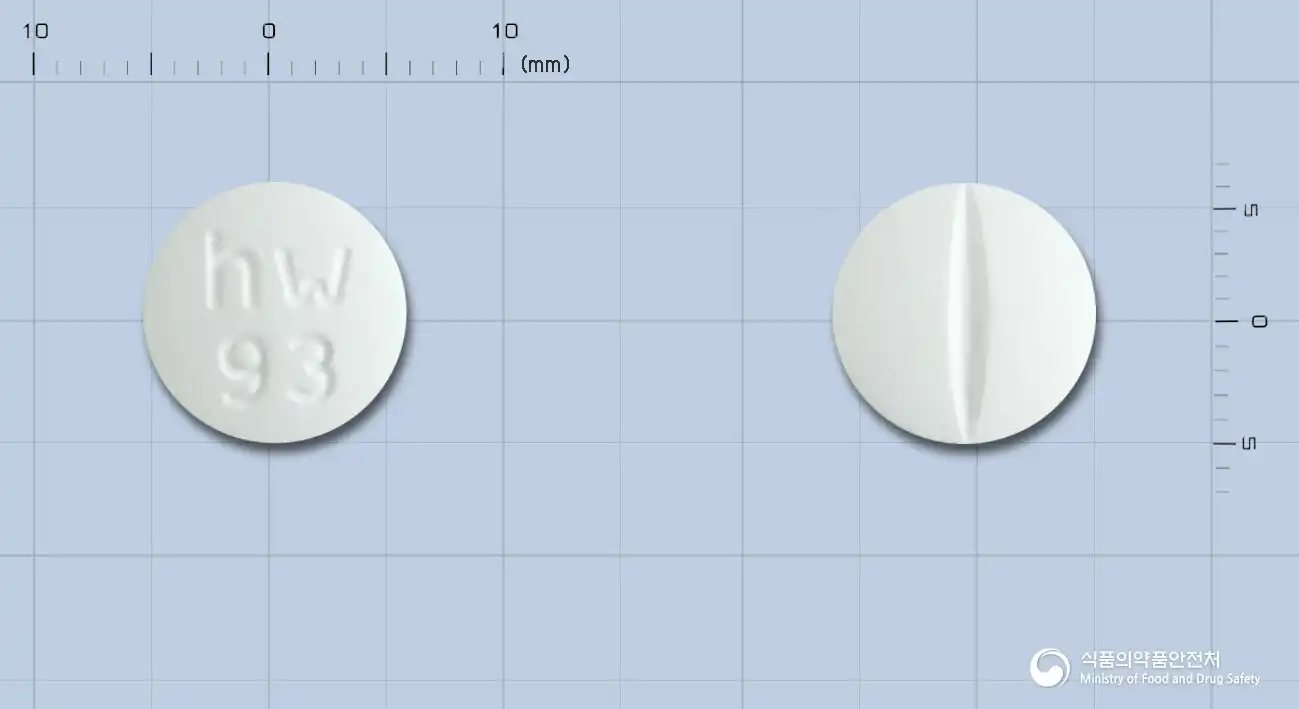
Propafenone Hydrochloride 300mg
Tablet · Prescription medication
(Co., Ltd.) Hawon Pharmaceutical
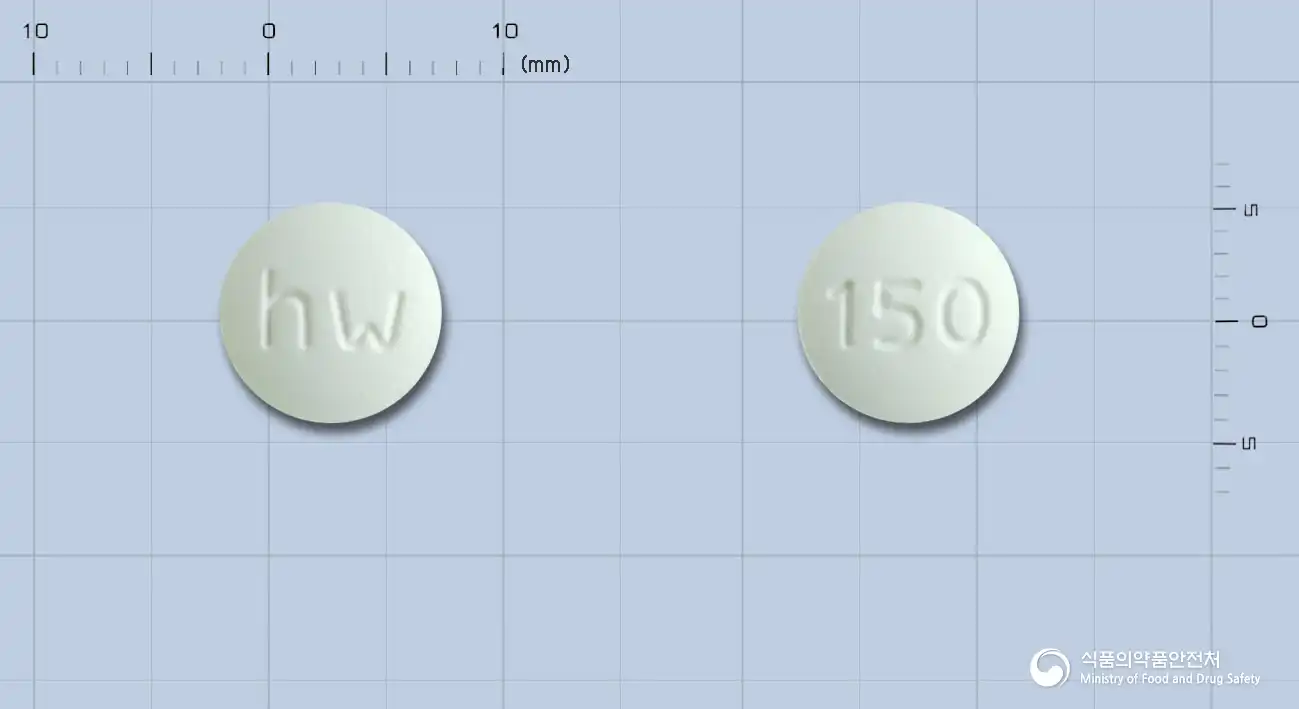
Propafenone Hydrochloride 150mg
Tablet · Prescription medication
Hawon Pharmaceutical Co., Ltd.
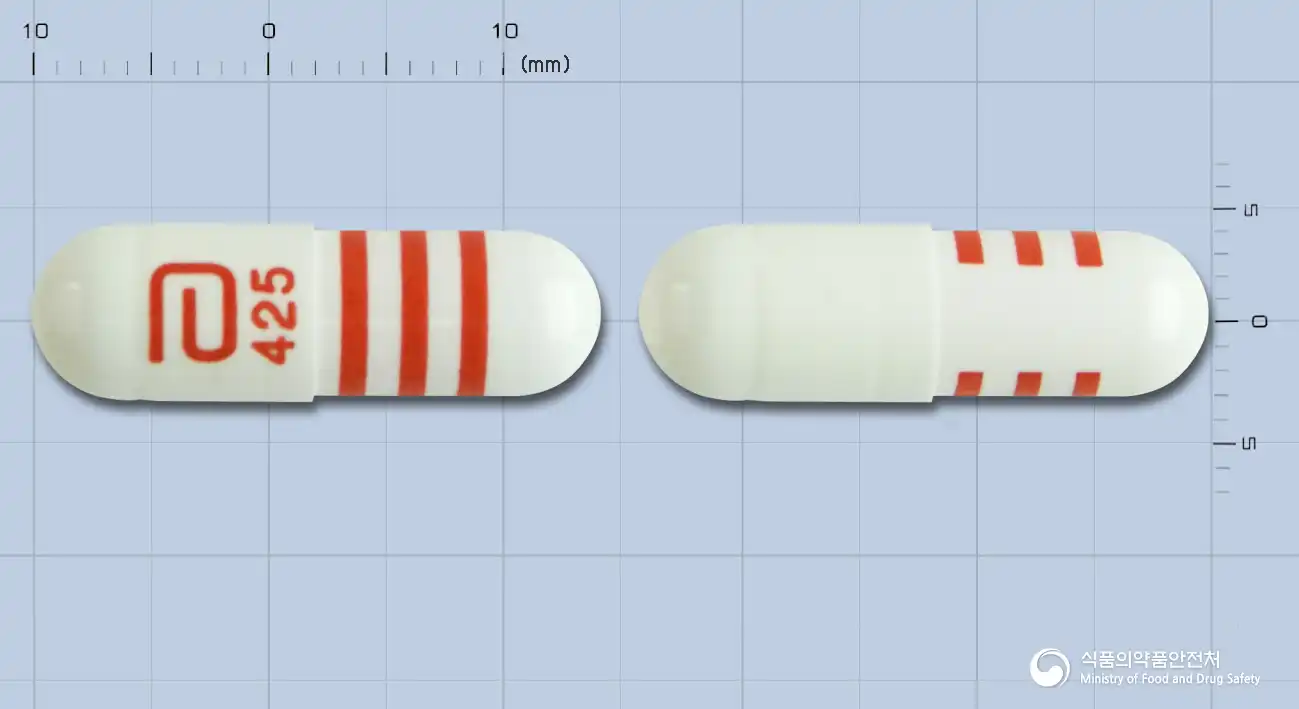
Propafenone Hydrochloride 425mg
Tablet · Prescription medication
Abbott Korea Co., Ltd.
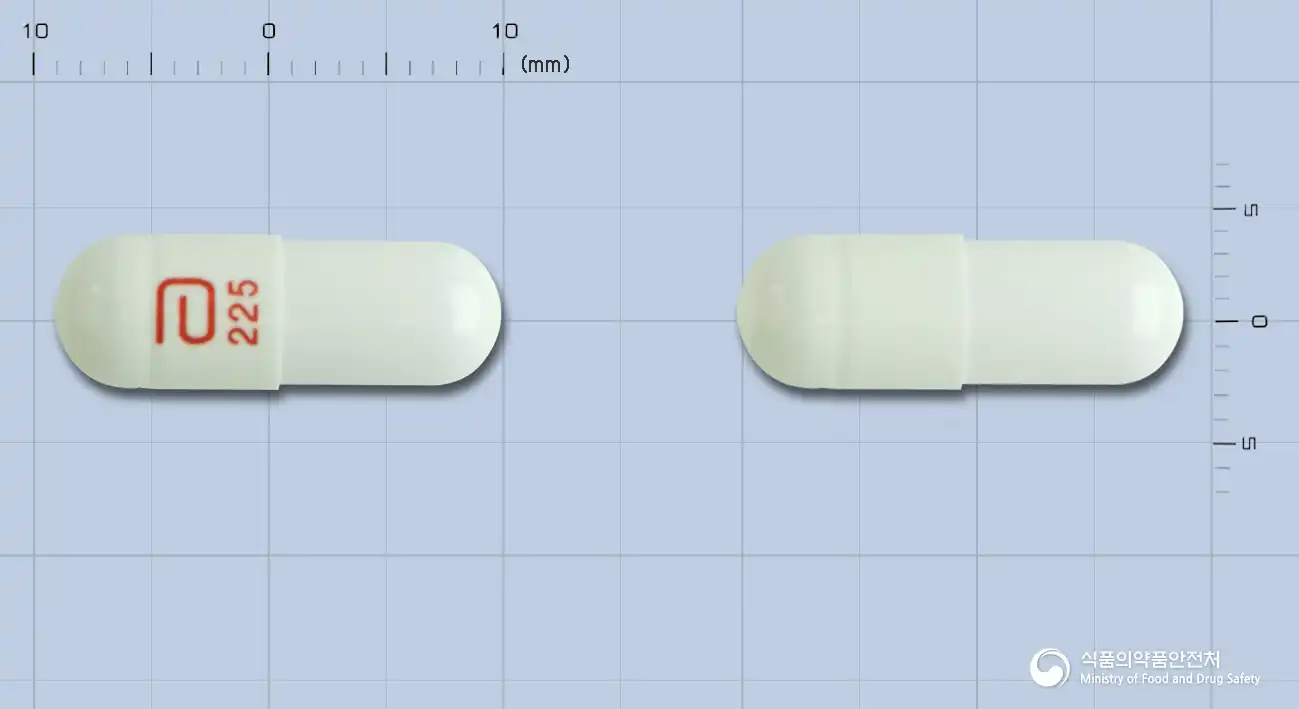
Propafenone Hydrochloride 225mg
Tablet · Prescription medication
Korea Abbott Ltd.
Propafenone Hydrochloride 150mg
Tablet · Prescription medication
Hanall Biopharma Co., Ltd.
Propafenone Hydrochloride 300mg
Tablet · Prescription medication
Hanol Bio Pharma Co., Ltd.
Propafenone Hydrochloride
Prescription medication
Abbott Korea Co., Ltd.
Even with the same ingredient, the dose and directions can differ by strength and dosage form. Talk to a doctor or pharmacist before switching from a medication you are already taking.
No questions yet.
For anything that needs medical judgment, consult a doctor or pharmacist.
This drug information is based on data provided by the Korea Ministry of Food and Drug Safety.
Consult a doctor or pharmacist for accurate dosage, administration, and usage instructions.