
 한국어
한국어 English
 日本語
日本語 中文(简体)
 Viewing now
Montelukast Chewable Tablets 5 mg (Montelukast Sodium)
Montelukast Sodium 5.2mg
Chewable Tablet · Prescription medication
Samjin Pharmaceutical Co., Ltd.
MFDS item code 201310952 · Approved 2013.12.31 · Insurance code 647803920
Prevention of asthma and relief of allergic rhinitis symptoms
This medication helps prevent the occurrence of asthma and continuously treats its symptoms. It also effectively alleviates symptoms such as nasal congestion, sneezing, and runny nose caused by seasonal and perennial allergic rhinitis. Therefore, it is used for management of asthma and allergic rhinitis symptoms.
This medication is taken once daily, with asthma patients taking it in the evening and allergy rhinitis patients determining the timing based on their condition. Patients with both asthma and allergic rhinitis should take 1 tablet once daily in the evening. This medication should be administered 1 hour before a meal or 2 hours after a meal.
Children aged 6 to 14 years: Chew 5 mg of montelukast once daily. This medication should be administered 1 hour before a meal or 2 hours after a meal.
This medication may cause severe neuropsychiatric adverse effects; therefore, if symptoms such as nervousness, anxiety, depression, hallucinations, or suicidal thoughts occur during use, you must inform a doctor immediately. The artificial sweetener aspartame contained in this medicine breaks down into phenylalanine in the body, so patients with the genetic disorder phenylketonuria should not take it. This medication should not be administered to patients with hypersensitivity to any component of this drug. Side effects such as fatigue, headache, dyspepsia, cough, and rash may occur during use, and special caution is needed for children and elderly patients as well. This medication is not suitable as a treatment for acute asthma attacks, and separate emergency medication should be prepared in case of such situations. Inhaled corticosteroids should not be suddenly discontinued or replaced by this medication; dosage adjustments should be made gradually under a doctor's guidance. Patients with aspirin hypersensitivity should not take this medication in conjunction with aspirin or non-steroidal anti-inflammatory drugs. In rare cases, systemic eosinophilia and vasculitis may occur, so if symptoms such as skin rash, exacerbation of pulmonary symptoms, or heart issues arise, you must seek medical attention immediately. This medication does not show significant drug interactions when used in combination with other asthma treatments, but monitoring by a doctor is necessary when used with some enzyme inducers. Use during pregnancy should be limited to essential cases only, and caution is advised for nursing mothers as well. Children and elderly patients can take this medication, but the safety and efficacy based on age should be considered, and it should be taken according to a doctor's guidance. In case of overdose, there is no specific antidote, so general symptomatic treatment and observation are required, and you should visit a hospital immediately in emergency situations. This medication should be kept out of reach of children, and it is safer not to transfer it to a different container. If asthma symptoms worsen or emergency medication is needed more frequently during use, consult a doctor, and do not reduce or discontinue the dose on your own.
Urticaria, angioedema, toxic epidermal necrolysis, Stevens-Johnson syndrome, anaphylaxis, severe allergic reactions, vasculitis rash, pulmonary symptom exacerbation, cardiovascular complications, neuropathy, seizure, liver abnormalities (increased ALT and AST, cholestatic hepatitis, hepatocellular injury, mixed liver injury), systemic eosinophilia, Churg-Strauss syndrome, suicidal thoughts and behavior, including suicide, suicidal ideation, suicide
Nervousness, aggressive behavior, anxiety, depression, disorientation, attention deficit, stuttering, sleep disturbances, hallucinations, insomnia, memory impairment, obsessive-compulsive disorder, psychomotor hyperactivity (including irritability, instability, and tremors), sleepwalking, tics, dizziness, drowsiness, sensory disturbance/hypoesthesia, palpitations, nosebleeds, diarrhea, dyspepsia, nausea, vomiting, thrombocytopenia, rash, itching, headache, asthenia/fatigue, edema, fever, arthralgia, muscle cramps, myalgia
Not everyone experiences these, and they can vary from person to person.
This medication is sensitive to moisture and light, so it should be stored at room temperature between 1 to 30 degrees Celsius. Additionally, it is important to store it in a tightly sealed container to prevent air from entering.
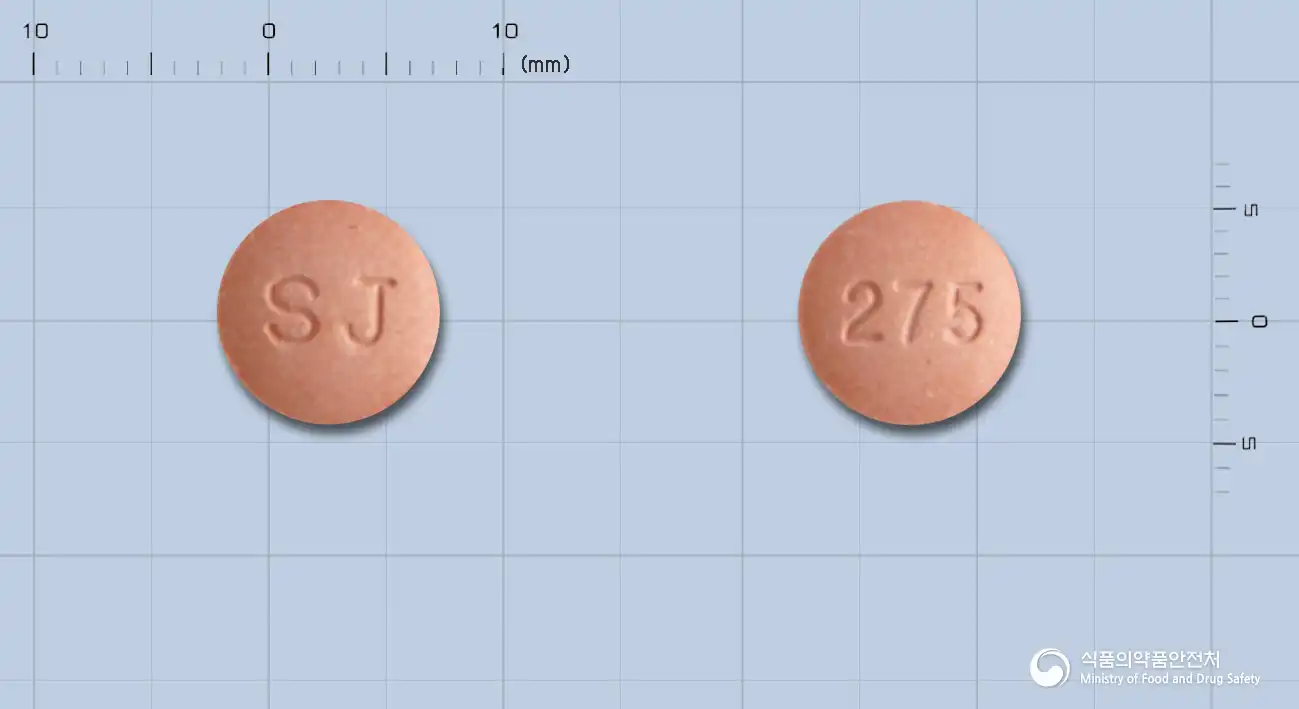
Pink chewable tablets that are round with a biconvex shape on both sides
28 tablets (7 tablets/PTP*4)
Even with the same ingredient, strength, dosage form and how it is taken can differ.
Viewing nowMontelukast Sodium 5.2mg
Chewable Tablet · Prescription medication
Samjin Pharmaceutical Co., Ltd.
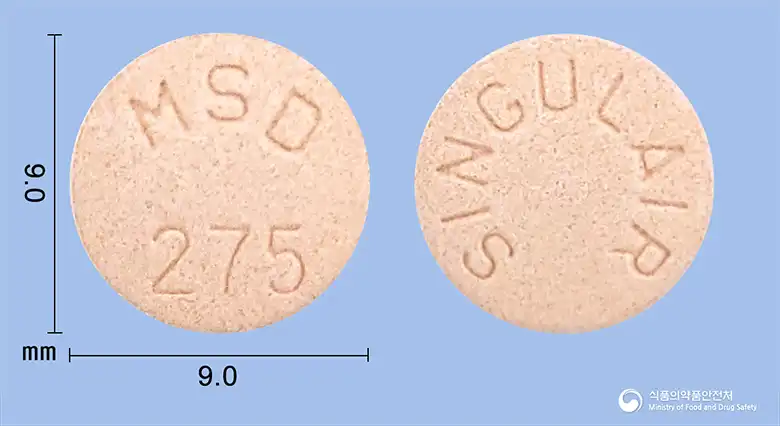
Montelukast Sodium 5.2mg
Chewable Tablet · Prescription medication
Korea Organon Co., Ltd.
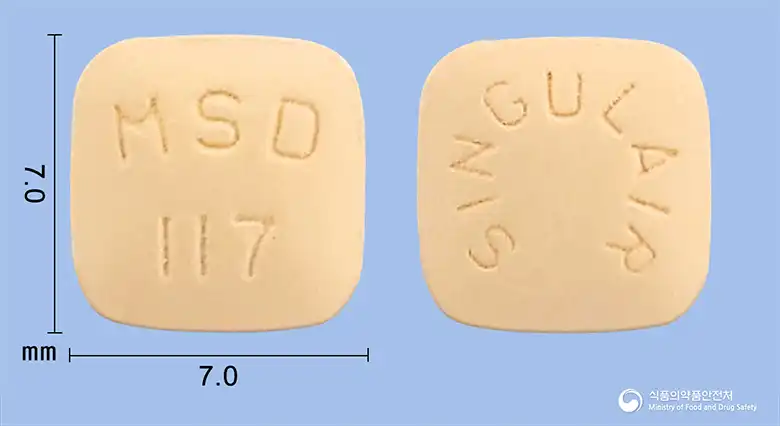
Montelukast Sodium 10.4mg
Tablet · Prescription medication
Korea Organon Co., Ltd.
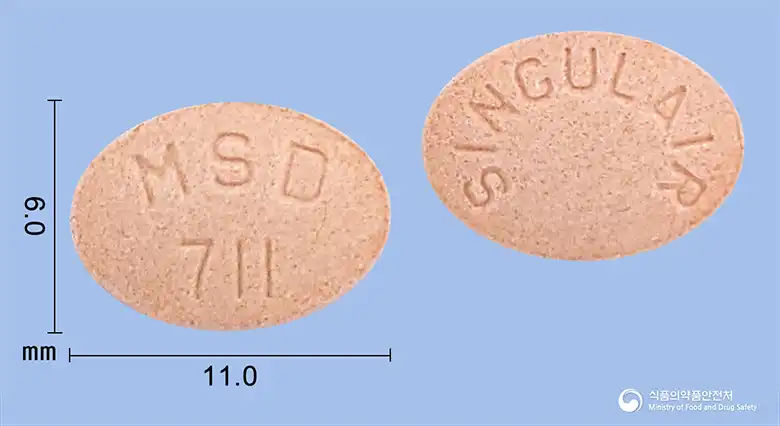
Montelukast Sodium 4.16mg
Chewable Tablet · Prescription medication
Korea Organon Co., Ltd.
Montelukast Sodium 4.16mg
Prescription medication
Korea Organon Co., Ltd.
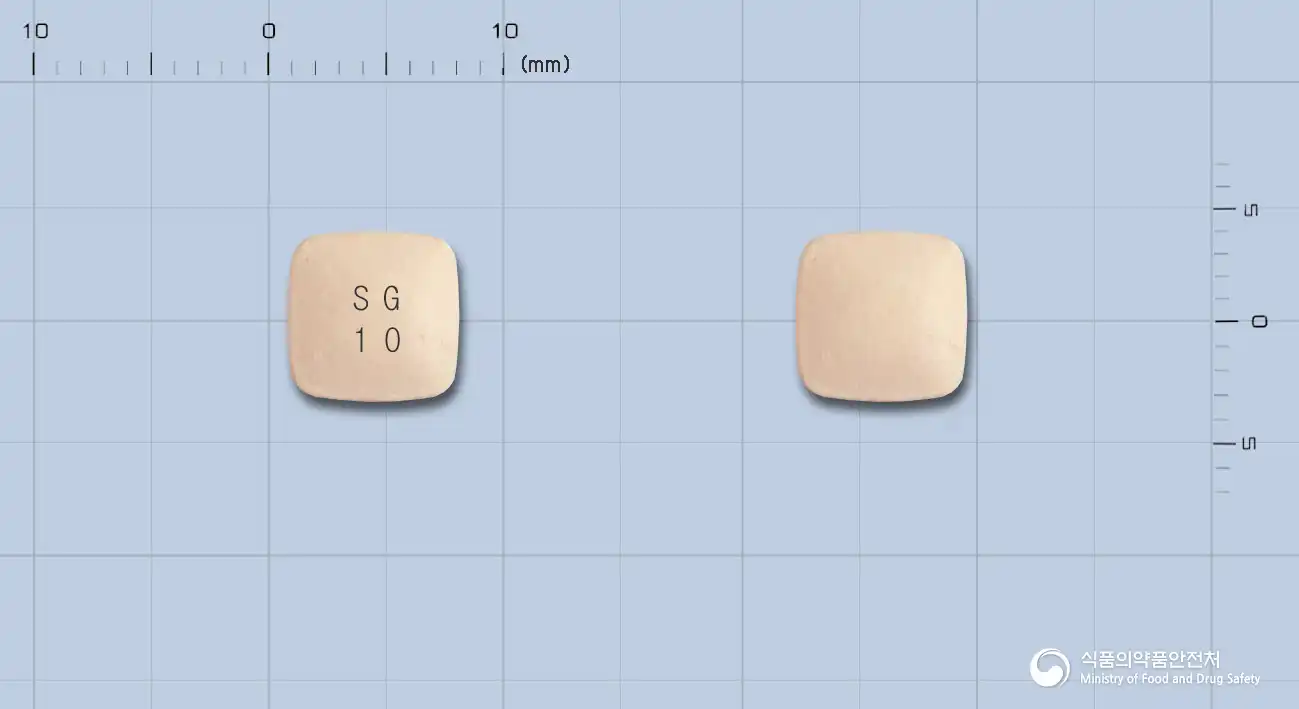
Montelukast Sodium 10.4mg
Tablet · Prescription medication
JW Pharmaceutical Co., Ltd.
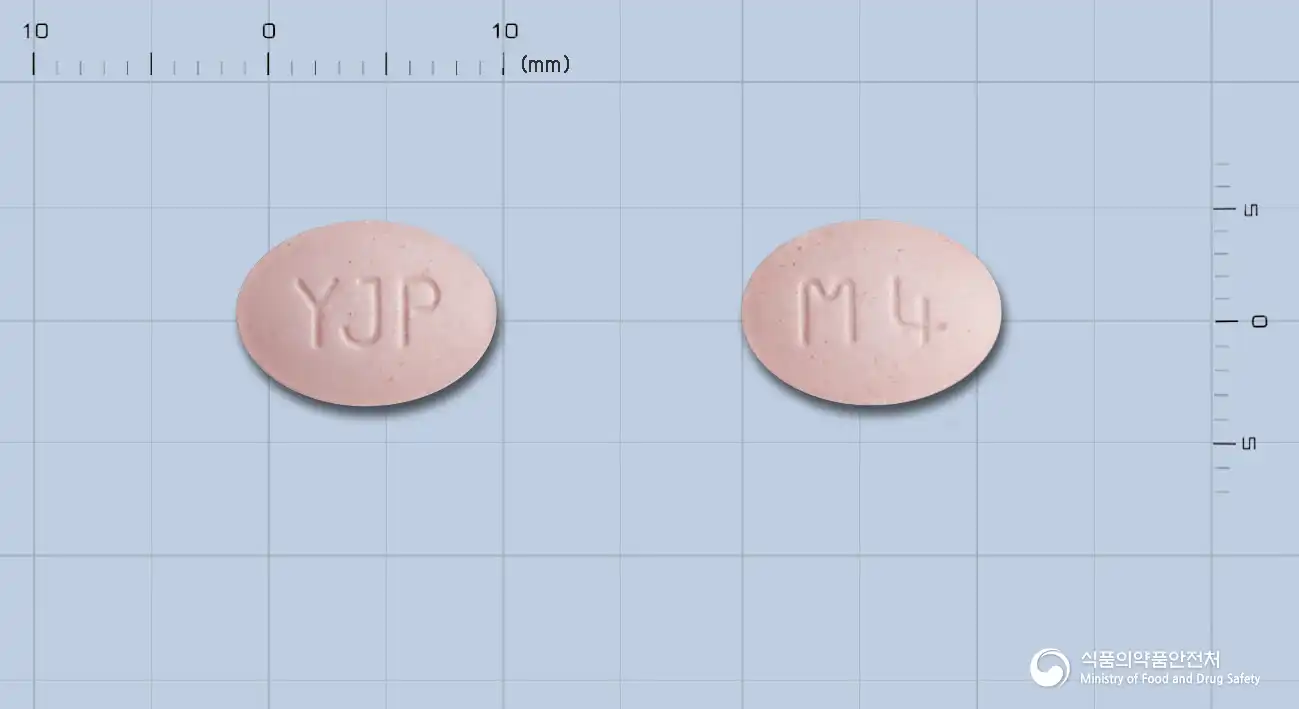
Montelukast Sodium 4.16mg
Chewable Tablet · Prescription medication
Youngjin Pharmaceutical Co., Ltd.
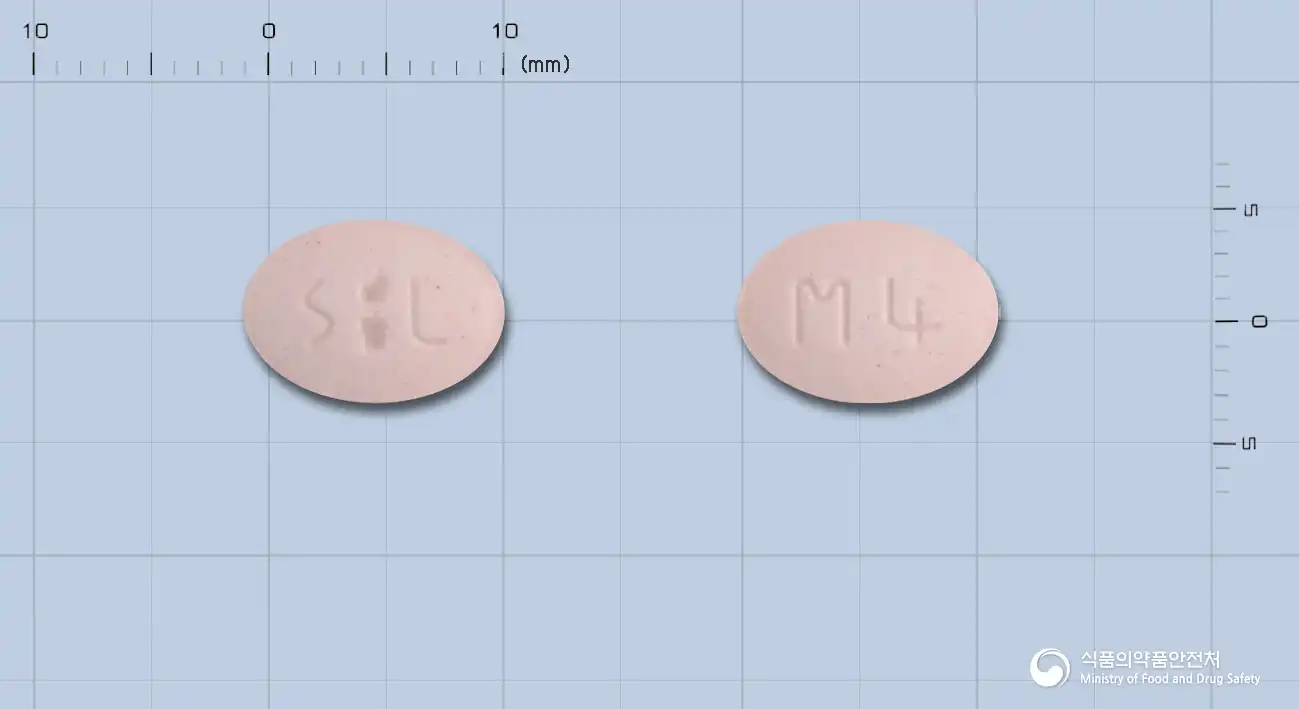
Montelukast Sodium 4.16mg
Chewable Tablet · Prescription medication
Samil Pharmaceutical Co., Ltd.
Even with the same ingredient, the dose and directions can differ by strength and dosage form. Talk to a doctor or pharmacist before switching from a medication you are already taking.
No questions yet.
For anything that needs medical judgment, consult a doctor or pharmacist.
This drug information is based on data provided by the Korea Ministry of Food and Drug Safety.
Consult a doctor or pharmacist for accurate dosage, administration, and usage instructions.