
 한국어
한국어 English
 日本語
日本語 中文(简体)
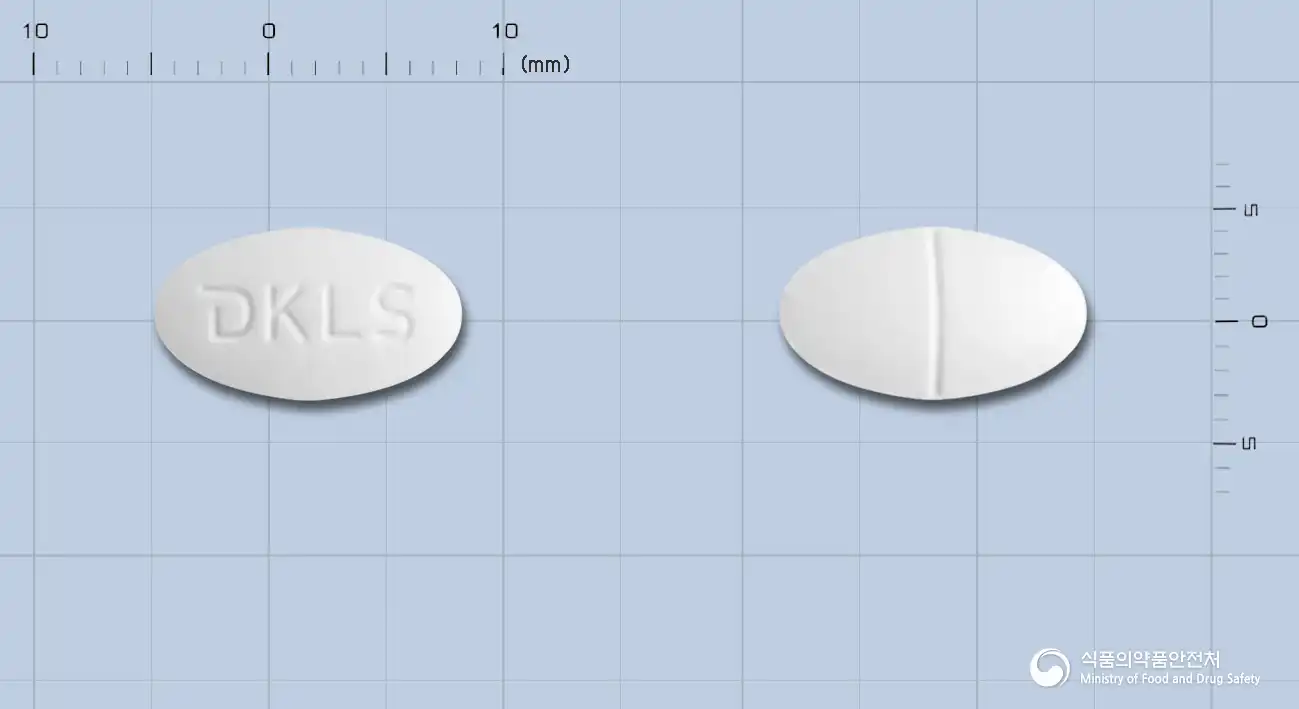 Viewing nowCombination
Capuine S tablets
Acetaminophen 200mg · Anhydrous Caffeine 25mg +1 more
Tablet · OTC medication · Combination
Daehan New Pharm Co., Ltd.
MFDS item code 201310413 · Notified 2013.12.02
Relief of cold symptoms (sore throat, cough, etc.)
This medicine helps alleviate various symptoms caused by a cold, such as sore throat, cough, phlegm, chills, fever, headache, joint pain, and muscle pain. When patients experience discomfort from a cold, taking this medication effectively alleviates symptoms and supports rapid recovery. It helps reduce uncomfortable symptoms so that daily life is less affected. It is suitable for overall management of cold symptoms and helps maintain a comfortable state. This medicine is used to improve the symptoms of a cold.
For individuals aged 15 years and older: 1 tablet three times a day, taken 30 minutes after meals.
This medication may pose a risk of liver damage if taken by those who regularly consume more than three alcoholic beverages a day, thus consultation with a doctor or pharmacist is necessary. As it contains acetaminophen, there is a rare risk of severe skin reactions; if a rash or any allergic symptoms appear, stop taking it immediately. Do not exceed the maximum daily dosage of 4,000 mg, and avoid concurrent use with other medicines containing acetaminophen. It should not be taken by those with allergies to this medicine or its components, individuals who have a history of asthma, infants under three months old, persons with certain hereditary diseases, or those currently taking or have recently stopped monoamine oxidase inhibitors. It is also safer to avoid taking it together with cough suppressants, other cold medicines, antipyretics, sedatives, or antihistamines. Children infected with chickenpox or influenza, individuals with allergic conditions, or those with certain diseases affecting the liver, kidneys, or heart should consult professionals before using this medication. If any abnormal symptoms such as rash, vomiting, dizziness, or difficulty in breathing occur during use, stop taking the medication immediately and consult a professional. Special care should be taken to avoid administering to children under the age of two except in special cases, and it's important to adhere strictly to the prescribed dosage and not to use it for an extended period. Avoid alcohol during use, and be cautious as the risk of side effects may increase when taken in conjunction with certain medications.
Not everyone experiences these, and they can vary from person to person.
Do not take this medication with oral medicines containing cough suppressants, other cold remedies, antipyretics, sedatives, or antihistamines. Consult a doctor or pharmacist if taken simultaneously with barbiturates, tricyclic antidepressants, diabetes medications, gout medications, arthritis medications, anticoagulants, or steroids.
Avoid alcohol while taking this medication.
This medication should be stored in a tightly sealed container to prevent air from entering and should be kept at room temperature between 1 and 30 degrees Celsius. This will help maintain its efficacy and prevent deterioration.
White to pale yellow oval tablets
60 tablets/bottle, 300 tablets/bottle
Even with the same ingredient, strength, dosage form and how it is taken can differ.
Viewing nowCombinationAcetaminophen 200mg · Anhydrous Caffeine 25mg +1 more
Tablet · OTC medication · Combination
Daehan New Pharm Co., Ltd.
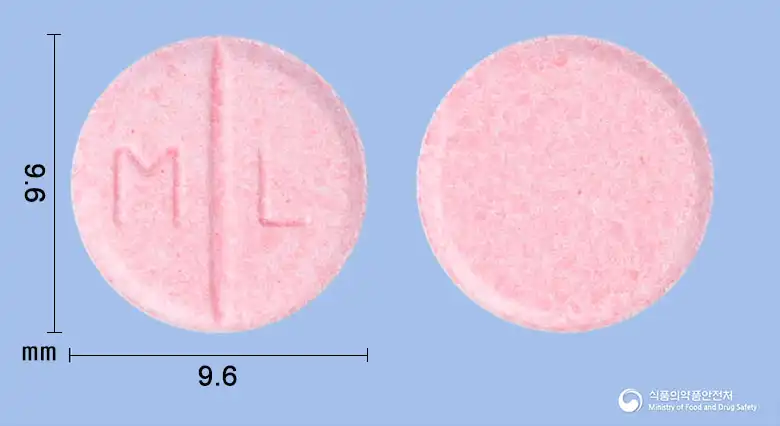 Combination
Ephedrine Hydrochloride 25mg · Anhydrous Caffeine 25mg +1 more
Tablet · OTC medication · Combination
Bynex Co., Ltd.
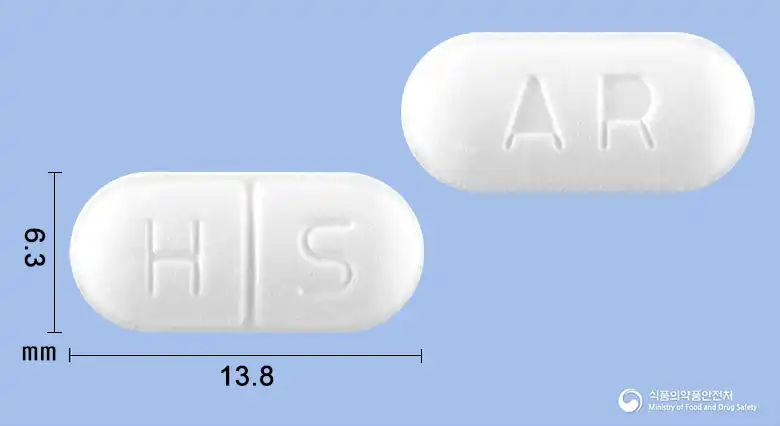 Combination
Ephedrine Hydrochloride 25mg · Anhydrous Caffeine 25mg +1 more
Tablet · OTC medication · Combination
Huons Co., Ltd.
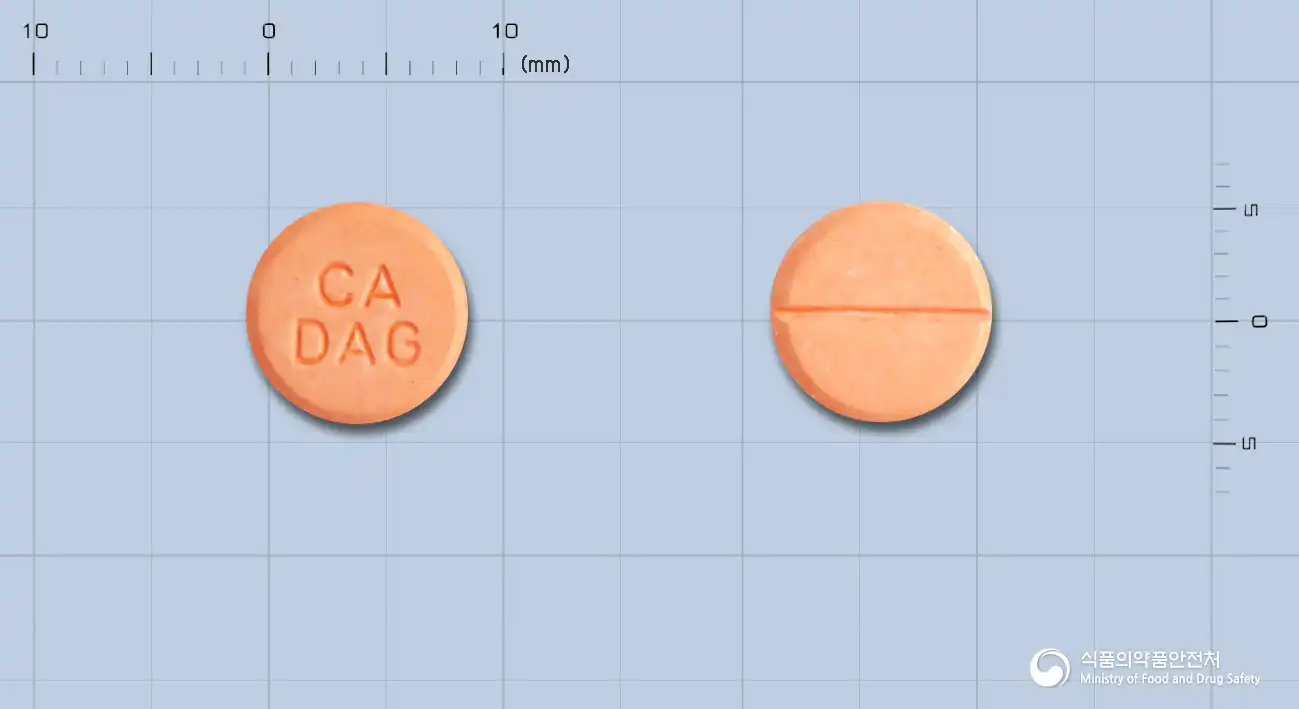 Combination
Ephedrine Hydrochloride 13mg · Acetaminophen 200mg +1 more
Tablet · OTC medication · Combination
Joah Pharmaceutical Co., Ltd.
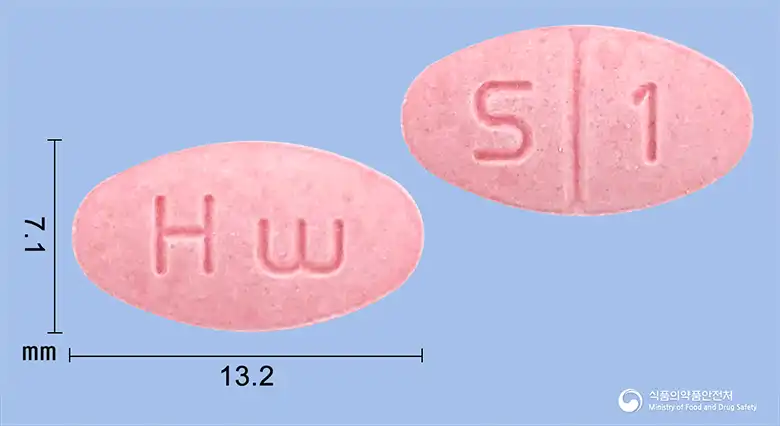 Combination
Acetaminophen 200mg · Ephedrine Hydrochloride 25mg +1 more
Tablet · OTC medication · Combination
Albozen Korea Co., Ltd.
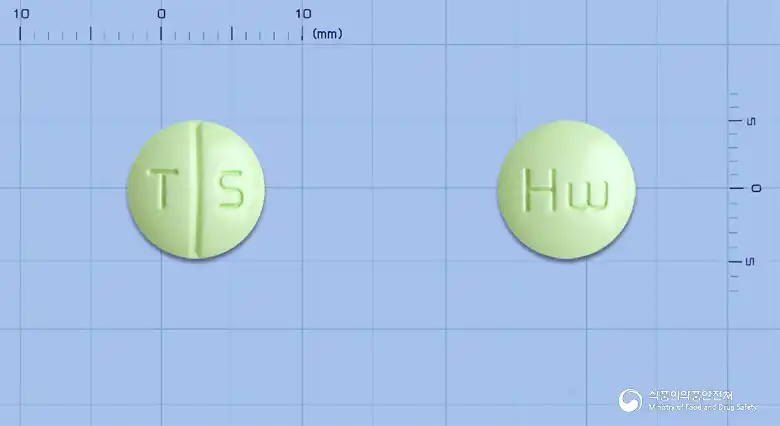 Combination
Acetaminophen 200mg · Ephedrine Hydrochloride 15mg +1 more
Tablet · OTC medication · Combination
Alvogen Korea Co., Ltd.
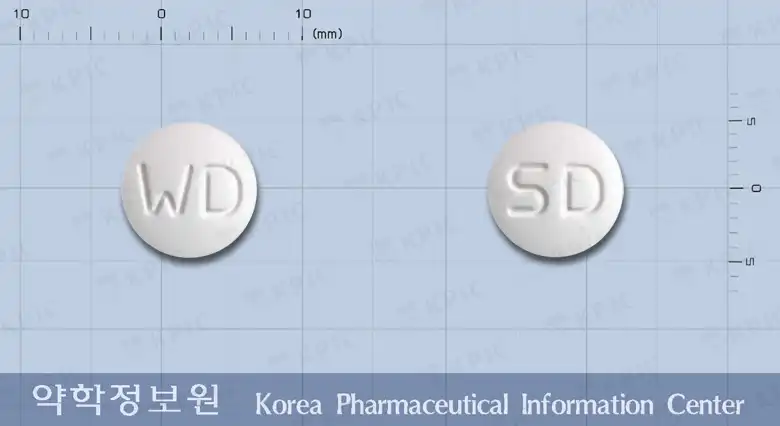 Combination
Ephedrine Hydrochloride 12.5mg · Anhydrous Caffeine 50mg +1 more
Tablet · OTC medication · Combination
Pharmgen Science Co., Ltd.
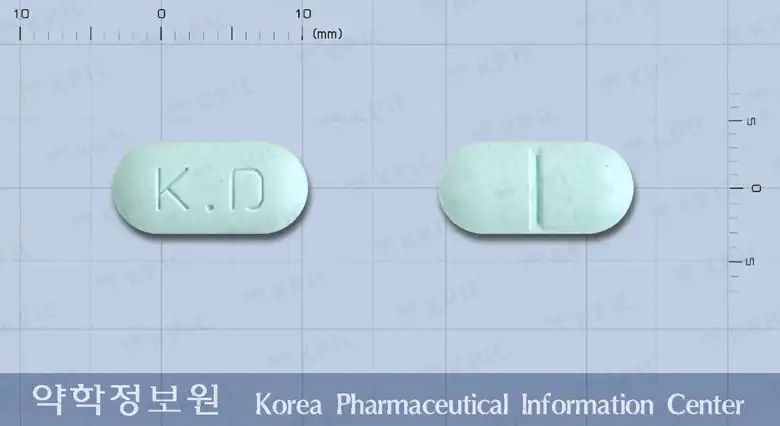 Combination
Ephedrine Hydrochloride 25mg · Anhydrous Caffeine 25mg +1 more
Tablet · OTC medication · Combination
Kwang Dong Pharmaceutical Co., Ltd.
Even with the same ingredient, the dose and directions can differ by strength and dosage form. Talk to a doctor or pharmacist before switching from a medication you are already taking.
No questions yet.
For anything that needs medical judgment, consult a doctor or pharmacist.
This drug information is based on data provided by the Korea Ministry of Food and Drug Safety.
Consult a doctor or pharmacist for accurate dosage, administration, and usage instructions.