
 한국어
 English
 日本語
 中文(简体)
 Viewing now
Propafenone Tablets (Propafenone Hydrochloride)
Propafenone Hydrochloride 150mg
Tablet · Prescription medication
Hawon Pharmaceutical Co., Ltd.
MFDS item code 201310300 · Approved 2013.11.26 · Insurance code 651503480
Treatment of severe symptomatic ventricular tachyarrhythmia and symptomatic supraventricular tachyarrhythmia
This medication is used for the treatment of symptomatic atrial fibrillation, including Wolff-Parkinson-White syndrome with paroxysmal atrial fibrillation and junctional tachycardia. It is also effective for severe symptomatic ventricular arrhythmias that are life-threatening or require treatment at the physician's discretion. It helps to control these arrhythmias, restore the normal rhythm of the heart, and alleviate related symptoms. Therefore, it plays an important role in managing heart rhythm disorders and improves the patient's heart health.
The individual maintenance dose should be determined under cardiological supervision, including ECG monitoring and repeated blood pressure measurements. Adults: Administer 450-600㎎ of propafenone hydrochloride orally per day (one 150mg tablet 3 times daily or one 300mg tablet 2 times daily). If necessary, the dose may be increased to 900㎎ per day (one 300mg tablet or two 150mg tablets 3 times daily). This dosage regimen applies to patients weighing approximately 70㎏. For patients weighing less than this, the daily dose should be reduced according to body weight. The daily dose may be exceeded only in exceptional circumstances and under the strict supervision of a cardiologist. In particular, in elderly patients, patients with a history of myocardial injury, and patients with hepatic or renal impairment, initiate treatment at a low dose and increase cautiously while monitoring whether the drug blood concentration is appropriate. The first dose increase should be made no sooner than 3-4 days later. Patients with ventricular arrhythmias need to undergo careful cardiac examination at the start of treatment. In these patients, treatment should be initiated only when emergency cardiology equipment is available and monitoring can be assured, and regular examinations are required during treatment (for example, a standard ECG every month, Holter monitoring every 3 months, and, if possible, an Excercise ECG). If ECG changes occur, such as QRS widening or QT prolongation greater than 25%, PR prolongation greater than 50%, QT prolongation greater than 500ms, or an increase in the frequency or severity of arrhythmia, determine whether to continue treatment. Because this medicine has a bitter taste and surface anesthetic action, swallow it with a small amount of liquid after meals. When prescribing this medicine, consider that there is no evidence that treatment with ClassⅠ antiarrhythmic agents helps prolong life.
This drug is used to control heart rhythms. However, it may be risky for patients with existing heart problems or those who have recently had a myocardial infarction. Especially, patients with significantly reduced heart function, very slow heart rates, or certain cardiac conduction disorders should not use this medication. Additionally, patients with severe hypotension, pulmonary diseases, or myasthenia gravis should also avoid this drug. This drug should be administered cautiously to patients with weak liver or kidney function, and elderly patients or those with airway diseases should also use it with care. During treatment, regular monitoring via electrocardiograms and checks of blood pressure and heart rate are necessary to observe for adverse reactions. This drug can cause various side effects, such as too slow or irregular heart rates, blood pressure drops, dizziness, fatigue, indigestion, liver function abnormalities, neurological symptoms, etc. Patients with weak heart function should be particularly careful as symptoms may worsen. Additionally, this drug interacts with many other medications, which may alter blood concentration or increase side effects based on concurrent treatments. Therefore, it is essential to inform healthcare professionals of any other medications being taken and to refrain from discontinuing or changing the medication arbitrarily. Women who are pregnant or breastfeeding should carefully consider the effects on the fetus or newborn and preferably avoid this medication. Safety in children has not been sufficiently confirmed, thus special caution is necessary for pediatric use. In cases of overdose, serious symptoms such as abnormal heart rhythms, blood pressure drops, or convulsions may occur, and immediate medical assistance should be sought. While taking this medication, caution should be exercised during activities requiring alertness, such as driving or operating machinery, and alcohol consumption should be avoided.
Significant decrease in heart rate, conduction disorder, increase in heart rate, ventricular fibrillation, ventricular tachycardia, ventricular flutter, deterioration of heart failure, orthostatic hypotension, postural hypotension, nausea, loss of appetite, abdominal bloating, vomiting, constipation, thirst, abdominal pain, bitter taste, mouth numbness, diarrhea, stomach pain, liver cell damage, cholestasis, jaundice, hepatitis, dizziness, headache, syncope, extrapyramidal symptoms, fatigue, impaired coordination, sensory disturbances, anxiety, nightmares, sleep disturbances, seizures, restlessness, confusion, unstable symptoms, leukopenia, granulocytopenia, thrombocytopenia, agranulocytosis, skin redness, itching, hives, erythema, rash, hepatitis, allergic reactions, hypersensitivity reactions, anorexia nervosa, blurred vision, lupus syndrome, erectile dysfunction, fatigue, chest pain, elevated liver enzymes,热感, body warmth, malaise, myalgia, edema, increased triglycerides, cramps, bronchospasm, decreased libido, reduced sperm count, symptoms of Brugada syndrome, electrocardiogram changes similar to Brugada syndrome
Not everyone experiences these, and they can vary from person to person.
This medication should be stored in a tightly sealed container to prevent exposure to air or moisture. It is best to maintain storage temperatures between 1 and 30 degrees Celsius.
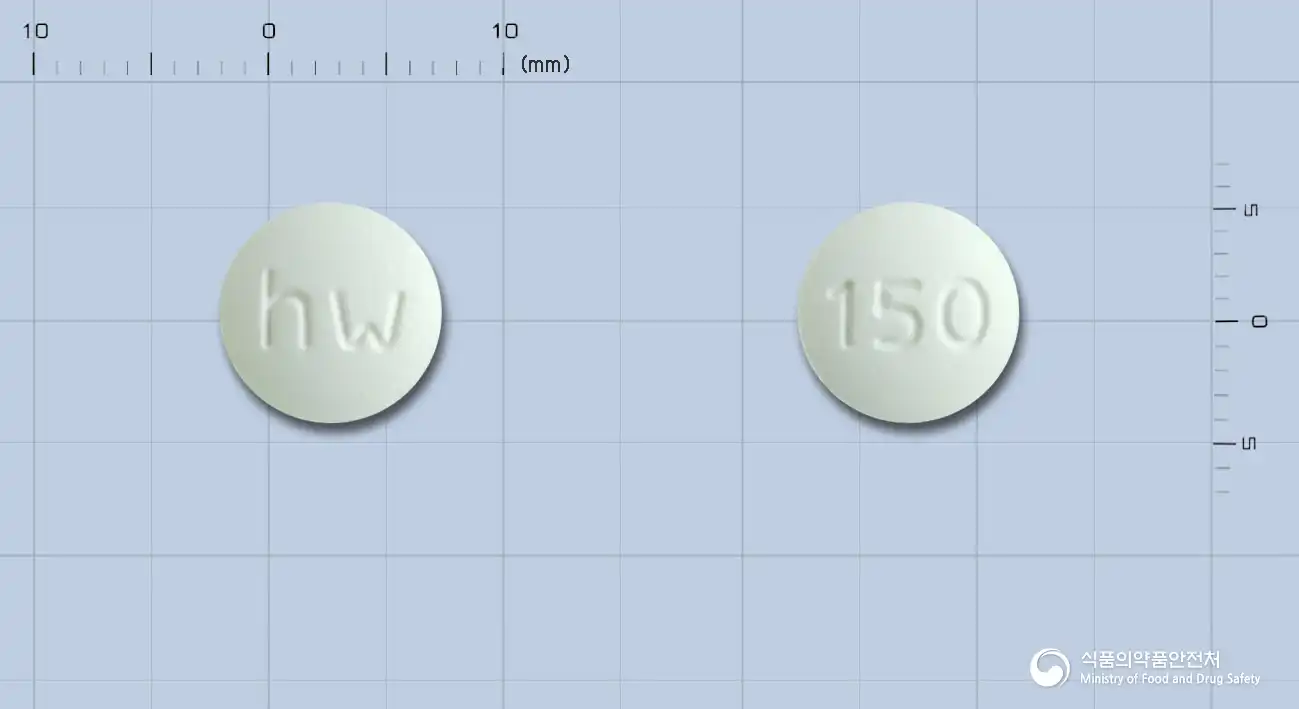
White round film-coated tablets
30 tablets/bottle, 60 tablets/bottle
Even with the same ingredient, strength, dosage form and how it is taken can differ.
Viewing nowPropafenone Hydrochloride 150mg
Tablet · Prescription medication
Hawon Pharmaceutical Co., Ltd.
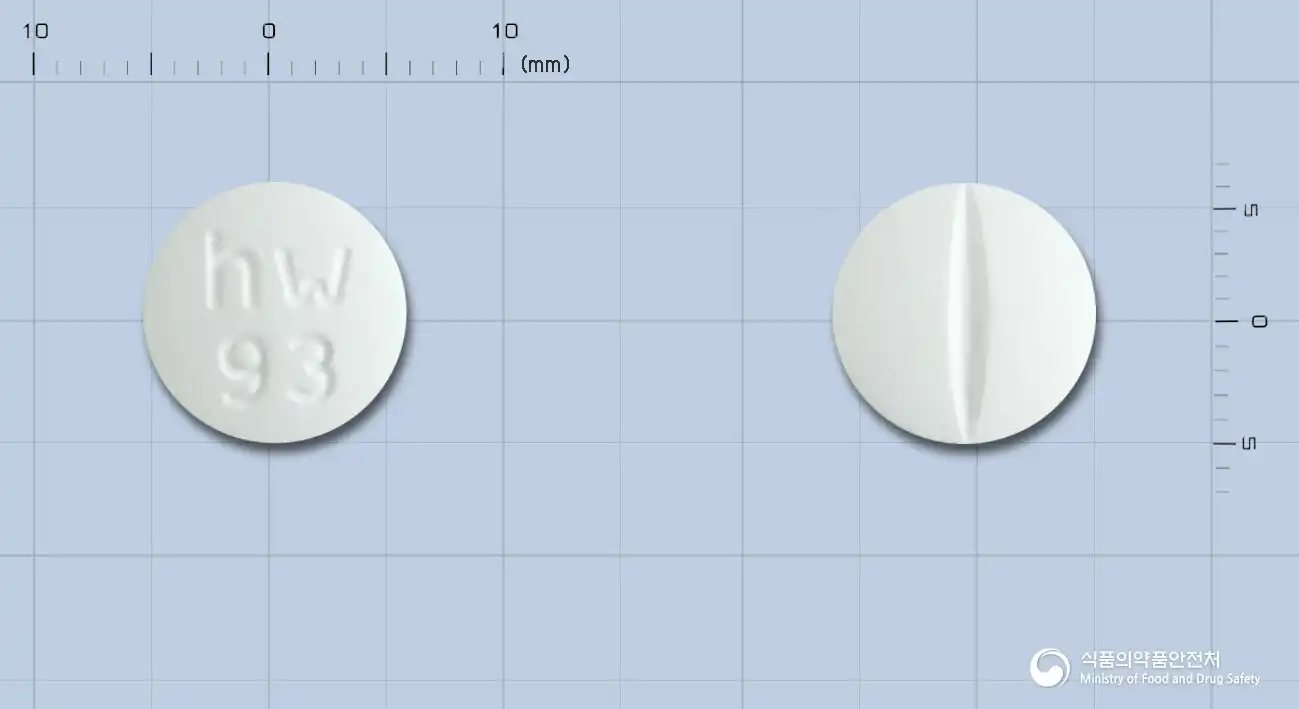
Propafenone Hydrochloride 300mg
Tablet · Prescription medication
(Co., Ltd.) Hawon Pharmaceutical
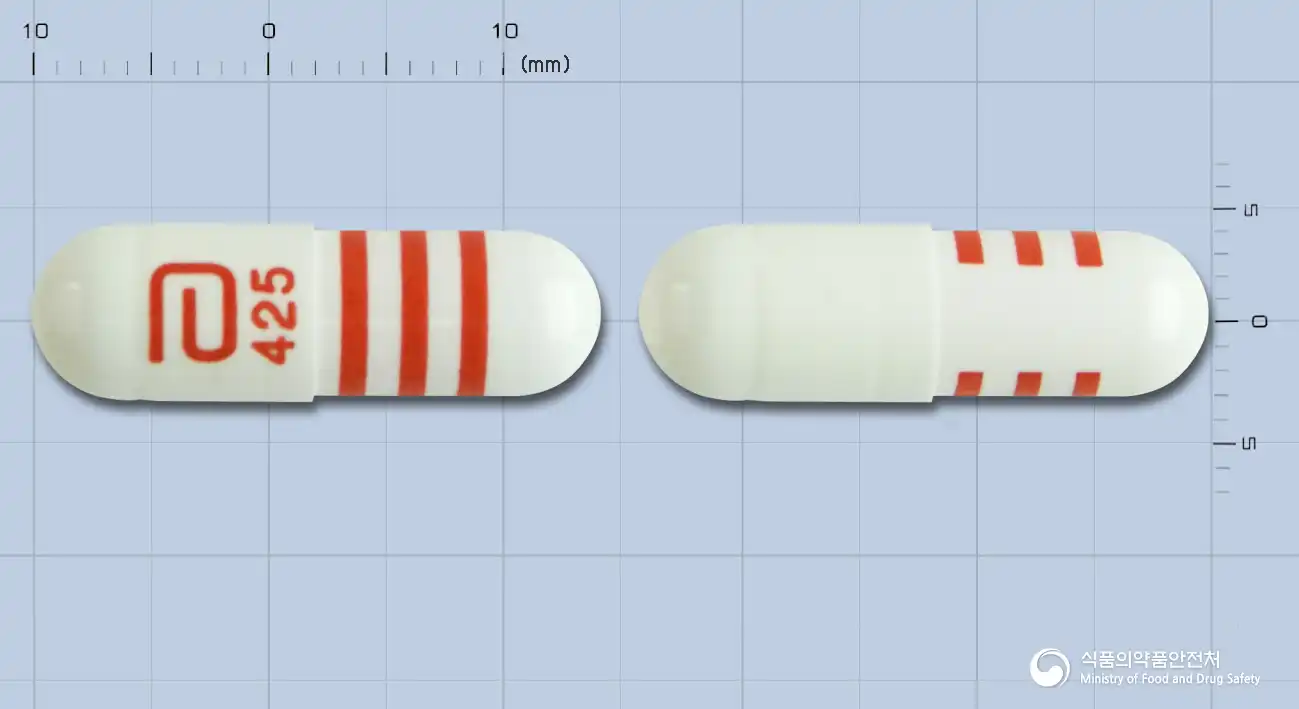
Propafenone Hydrochloride 425mg
Tablet · Prescription medication
Abbott Korea Co., Ltd.
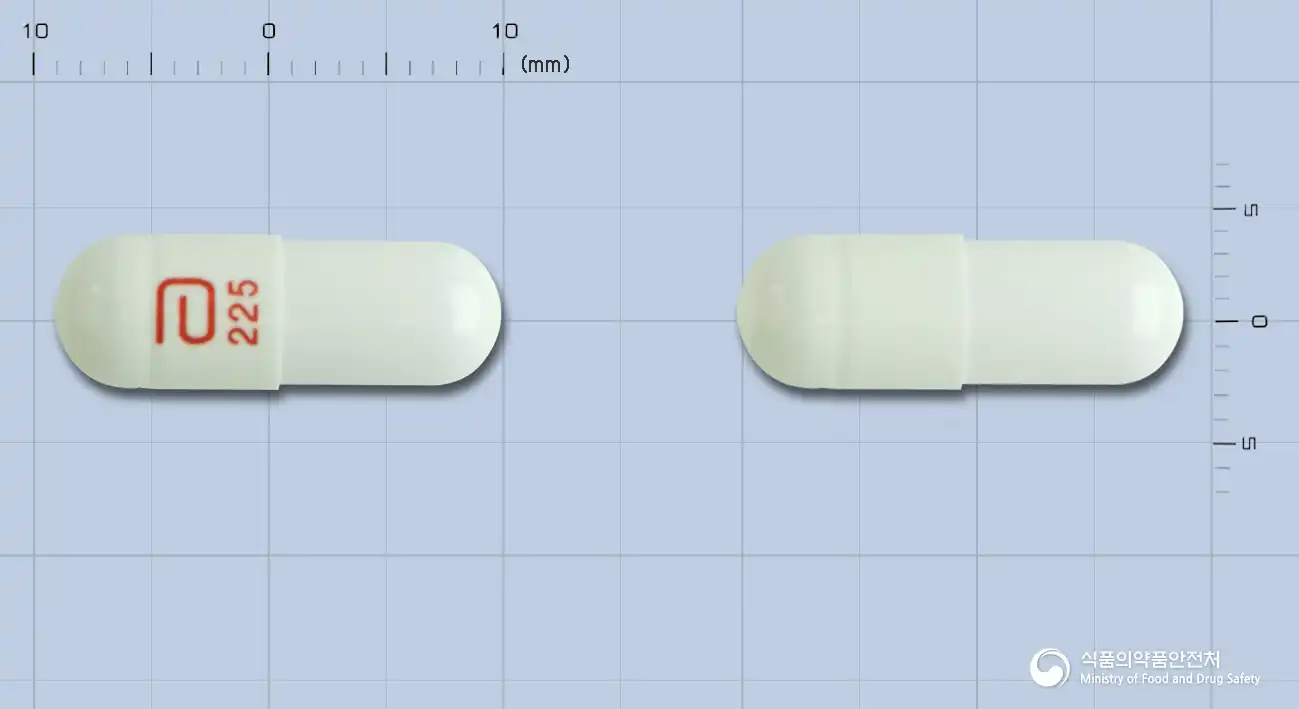
Propafenone Hydrochloride 225mg
Tablet · Prescription medication
Korea Abbott Ltd.
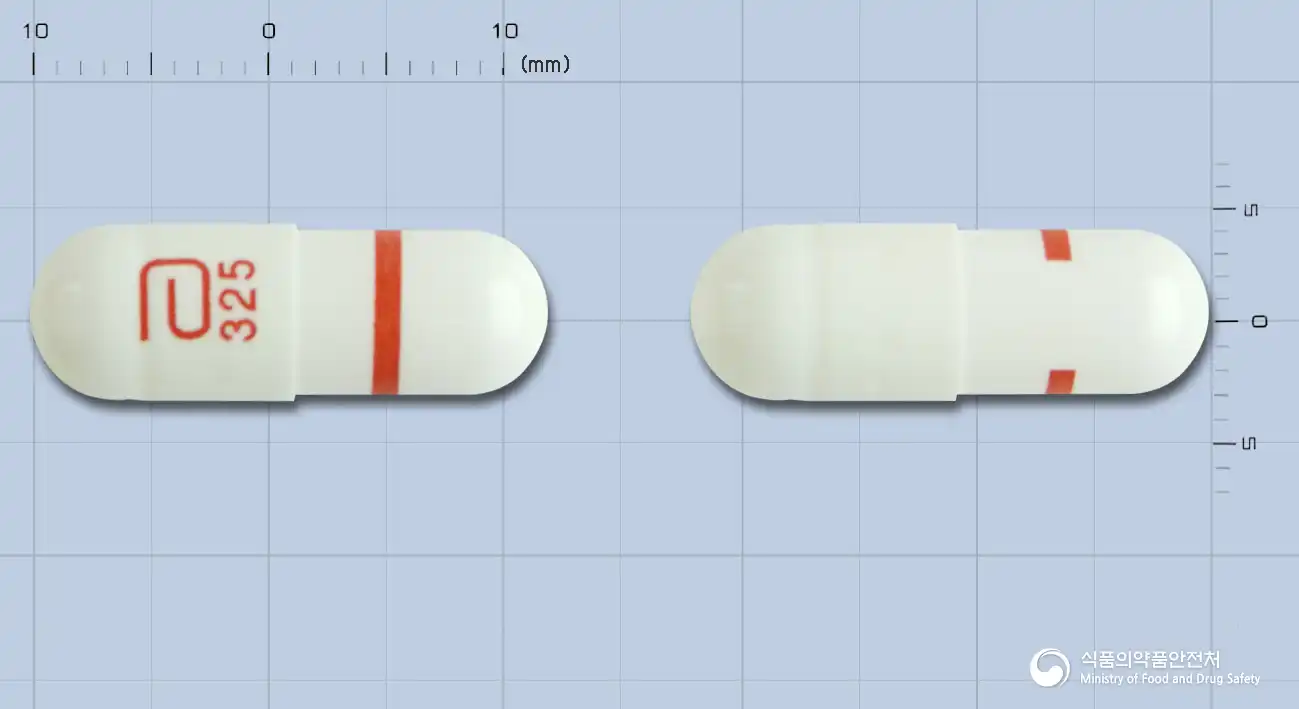
Propafenone Hydrochloride 325mg
Tablet · Prescription medication
Abbott Korea, Co., Ltd.
Propafenone Hydrochloride 150mg
Tablet · Prescription medication
Hanall Biopharma Co., Ltd.
Propafenone Hydrochloride 300mg
Tablet · Prescription medication
Hanol Bio Pharma Co., Ltd.
Propafenone Hydrochloride
Prescription medication
Abbott Korea Co., Ltd.
Even with the same ingredient, the dose and directions can differ by strength and dosage form. Talk to a doctor or pharmacist before switching from a medication you are already taking.
No questions yet.
For anything that needs medical judgment, consult a doctor or pharmacist.
This drug information is based on data provided by the Korea Ministry of Food and Drug Safety.
Consult a doctor or pharmacist for accurate dosage, administration, and usage instructions.