
 한국어
 English
 日本語
 中文(简体)
Dosage form image
Viewing nowDongkwang Aripiprazole Tablet 10 mg
Aripiprazole 10mg
Tablet · Prescription medication
Dongkwang Pharmaceutical Co., Ltd.
MFDS item code 201310298 · Approved 2013.11.26
This product's status changed to Expired on 2023.11.26. It may no longer be sold, so consult a doctor or pharmacist before taking it.
Treatment of schizophrenia
This medication is used to alleviate symptoms of schizophrenia.
Schizophrenia, adults: The recommended initial dose is 10 mg or 15 mg once daily, with or without food. For the treatment of schizophrenia, the dose of this medicine may be adjusted within the range of 10-30 mg per day. The dose should not be increased before 2 weeks, the time required to reach steady state. Maintenance therapy: A dose of 15 mg once daily compared with placebo in patients with schizophrenia stabilized on other antipsychotic drugs for 3 months or longer. Switching from another antipsychotic agent: When switching from an existing antipsychotic agent to this medicine, it is most appropriate to start this medicine while gradually reducing the dose of the existing agent. The period of concomitant use of most antipsychotic drugs should be minimized. CYP2D6 poor metabolizers: 1/2 of the usual dose Strong CYP2D6 inhibitors (e.g., quinidine, fluoxetine, paroxetine) or strong CYP3A4 inhibitors (e.g., ketoconazole, itraconazole, clarithromycin): 1/2 of the usual dose Strong CYP3A4 inducers (e.g., carbamazepine, rifampin): 2 times the usual dose over 1~2 weeks When aripiprazole is used as adjunctive therapy for major depressive disorder, it should be administered without dose adjustment.
Adolescents (13-17 years): The recommended dose is 10 mg once daily, regardless of meals. The 10 mg and 30 mg once-daily doses were studied in adolescent patients (13-17 years). The initial daily dose was 2 mg, increased to 5 mg after 2 days, and then to 10 mg after another 2 days. Thereafter, the dose was increased in 5 mg increments. However, the 30 mg once-daily dose was not more effective than the 10 mg once-daily dose.
This medication may increase the risk of suicidal thoughts or behaviors when administered to children or adolescents with major depressive disorder or psychiatric disorders, thus a physician should carefully evaluate the necessity and risks of treatment. All patients on this medication should be closely monitored for worsening depression, suicidal tendencies, or abnormal behavioral changes at the start of treatment and during dosage changes, and family members or caregivers should also provide careful supervision. In patients with bipolar disorder, this medication may precipitate manic or mixed episodes, thus the risk of bipolar disorder should be thoroughly assessed before treatment. This medication can cause a serious side effect called neuroleptic malignant syndrome, hence, if symptoms such as high fever, muscle rigidity, altered consciousness, or autonomic instability appear, immediate medical attention is required. Long-term treatment poses a risk of developing tardive dyskinesia, an irreversible extrapyramidal syndrome, therefore it should be used at the minimum effective dose for the shortest duration, and any symptoms occurring should be discussed with a physician. In elderly patients with dementia, the risk of cerebrovascular accidents such as stroke and mortality may increase, therefore this medication has not been approved for dementia patients and should be used with caution. Patients with diabetes or at risk for hyperglycemia should regularly check blood glucose levels during treatment, and if hyperglycemic symptoms occur, they should consult with medical professionals immediately. This medication may increase the risk of thromboembolism, thus patients with thrombosis risk should assess risk factors before and during treatment and take preventive measures. Patients with allergic reactions to this drug or specific genetic issues such as lactose intolerance should not receive this medication. Patients with orthostatic hypotension, seizure history, or risk of cognitive and motor impairment should be administered this medication cautiously, with particular attention required when driving or operating hazardous machinery. This medication may impair thermoregulation; thus, patients with excessive exercise, in a high-temperature environment, or in a state of dehydration require special management. Elderly patients with dysphagia or at a high risk of aspiration should be cautious while taking this medication. Common side effects may include nausea, vomiting, constipation, headache, dizziness, anxiety, insomnia, drowsiness, fatigue, appetite changes, and extrapyramidal symptoms; if severe symptoms occur, medical consultation should be sought. If any adverse reactions occur, inform medical personnel immediately, and if there are changes in suicidal thoughts or behaviors, seek help promptly.
Not everyone experiences these, and they can vary from person to person.
This medication should be stored in a tightly closed container to avoid exposure to air or moisture, and it is safe to store at room temperature between 1 and 30 degrees Celsius. Therefore, it is important to keep it in a cool and dry place until use.
Pink rectangular tablet
30 tablets/bottle, 100 tablets/bottle
Even with the same ingredient, strength, dosage form and how it is taken can differ.
Aripiprazole 10mg
Tablet · Prescription medication
Dongkwang Pharmaceutical Co., Ltd.
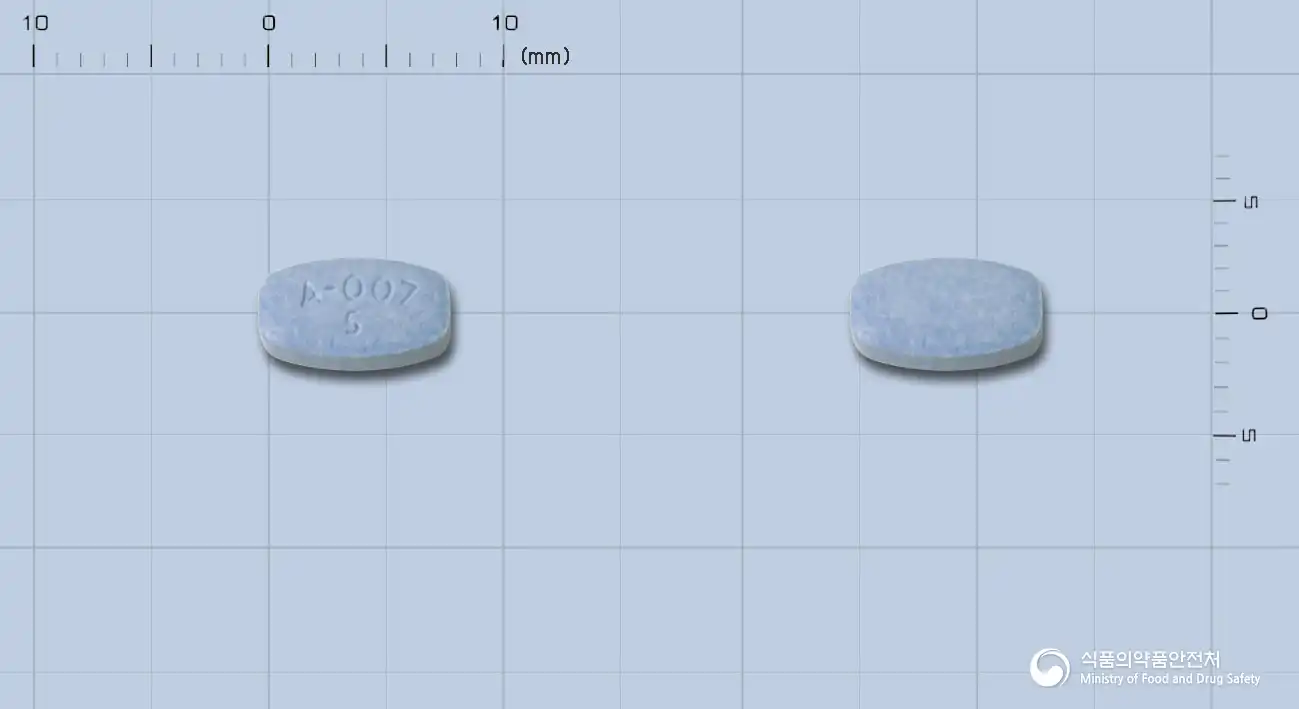
Aripiprazole 5mg
Tablet · Prescription medication
Otsuka Pharmaceutical Co., Ltd.

Aripiprazole 10mg
Tablet · Prescription medication
Otsuka Pharmaceutical Co., Ltd.

Aripiprazole 15mg
Tablet · Prescription medication
Otsuka Pharmaceutical Co., Ltd.

Aripiprazole 2mg
Tablet · Prescription medication
Korea Otsuka Pharmaceutical Co., Ltd.
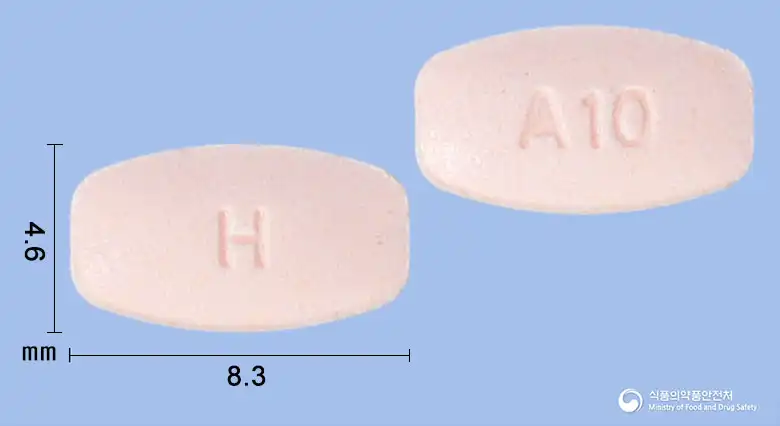
Aripiprazole 10mg
Tablet · Prescription medication
Hyundai Pharmaceutical Co., Ltd.

Aripiprazole 5mg
Tablet · Prescription medication
Hyundai Pharmaceutical Co., Ltd.
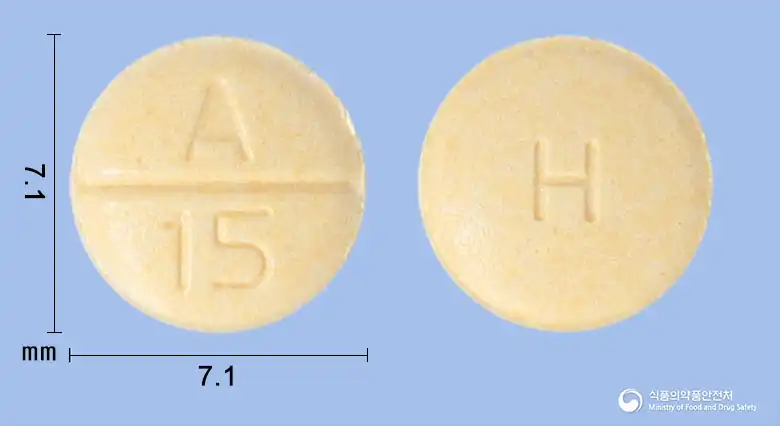
Aripiprazole 15mg
Tablet · Prescription medication
Hyundai Pharmaceutical Co., Ltd.
Even with the same ingredient, the dose and directions can differ by strength and dosage form. Talk to a doctor or pharmacist before switching from a medication you are already taking.
No questions yet.
For anything that needs medical judgment, consult a doctor or pharmacist.
This drug information is based on data provided by the Korea Ministry of Food and Drug Safety.
Consult a doctor or pharmacist for accurate dosage, administration, and usage instructions.