
 한국어
 English
 日本語
 中文(简体)
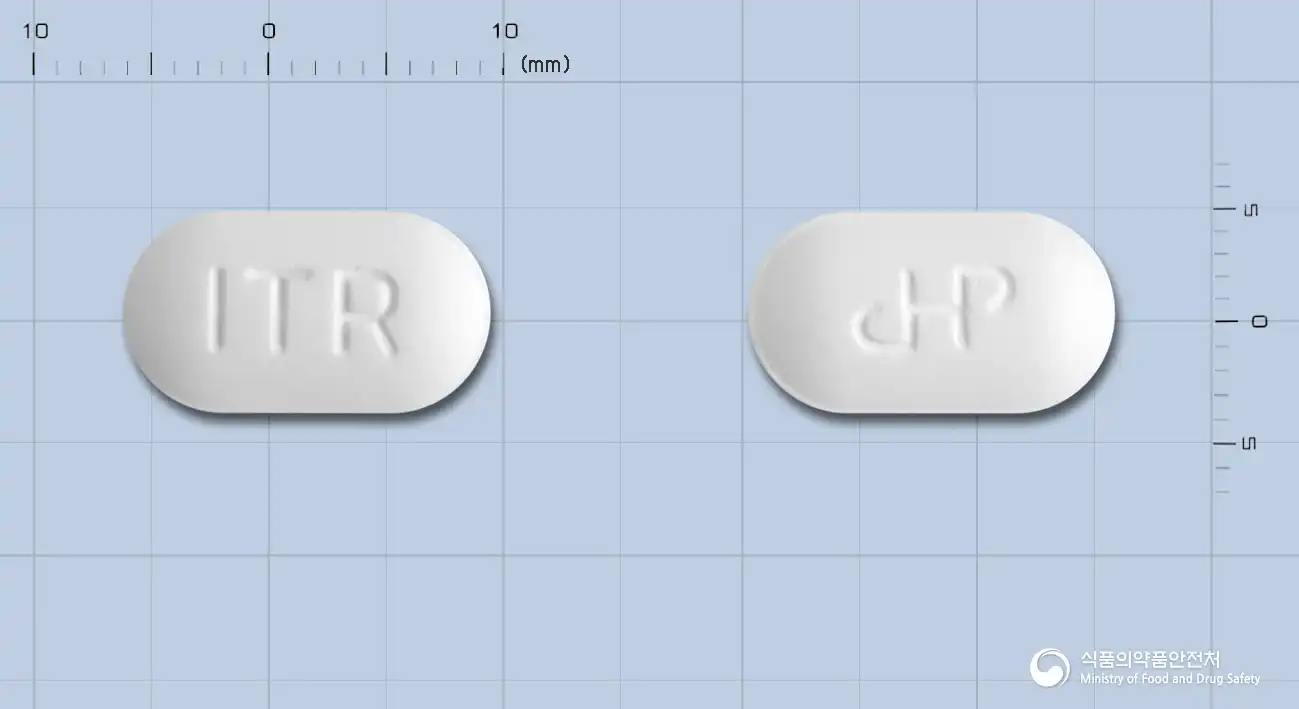 Viewing now
DayWhite Itraconazole Tablets
Itraconazole 100mg
Tablet · Prescription medication
Dayhwa Pharmaceutical Co., Ltd.
MFDS item code 201309931 · Approved 2013.10.28 · Insurance code 645604360
Treatment of skin and nail fungal infections, mucosal and corneal fungal infections, and systemic fungal infections
This medication is used to treat various fungal infections, including candidal vaginitis, tinea corporis, several forms of tinea (such as tinea capitis, tinea manuum, tinea pedis), oral candidiasis, fungal keratitis, and onychomycosis. It is also effective for severe systemic fungal infections such as aspergillosis, candidiasis, cryptococcosis (including meningitis), and paracoccidioidomycosis. This drug has remarkable therapeutic efficacy against various types of fungi, improving fungal infections affecting the skin, mucous membranes, and the entire body.
To increase absorption, this medicine should preferably be administered immediately after meals. 1. Short-term treatment The final clinical and mycological response should preferably be assessed 2~4 weeks after completing the prescribed treatment. 1) Candidal vaginitis: Administer itraconazole 200 mg twice daily (morning and evening) for 1 day, or 200 mg once daily for 3 days. 2) Pityriasis versicolor: Administer 200 mg once daily for 7 days. 3) Tinea corporis, tinea cruris: Administer 100 mg once daily for 15 days. 4) Tinea of the hands (interdigital type), tinea of the feet (interdigital type): Administer 100 mg once daily for 15 days. 5) Tinea of the hands (palms), tinea of the feet (soles): Administer 100 mg once daily for 30 days or 200 mg twice daily for 7 days. 6) Oral candidiasis: Administer 100 mg once daily for 15 days. 7) Fungal keratitis: Administer 200 mg once daily for 21 days. 2. Onychomycosis 1) Pulse therapy Administer 200 mg twice daily for 1 week, followed by a 3-week drug-free period; this constitutes one cycle. Administer up to 2 cycles if only the fingernails are infected, and up to 3 cycles if the toenails are infected. Toenails (with or without concomitant fingernail infection): 1 week of treatment, 2 weeks off treatment, 3 weeks of treatment, 4 weeks off treatment, 5 weeks of treatment Fingernails: 1 week of treatment, 2 weeks off treatment, 3 weeks of treatment 2) Continuous therapy Administer 200 mg once daily for 3 months. 3. Systemic fungal infections Oral bioavailability of this medicine may be reduced in patients with impaired immune function, such as those with neutropenia, AIDS, or organ transplant recipients; if necessary, double the dose. Aspergillosis: 200mg once daily, average treatment duration 2~5 months. For invasive or disseminated disease, increase the dose to 200mg twice daily. Candidiasis: 100~200mg once daily, average treatment duration 3 weeks~7 months. Cryptococcal meningitis: 200mg twice daily, average treatment duration 2 months~1 year. Maintenance therapy: 200mg once daily. Paracoccidioidomycosis: 100mg once daily, average treatment duration 6 months
This medication should not be used in patients with impaired cardiac function, especially those with congestive heart failure or a history of heart failure, unless life-threatening situations arise. If symptoms of heart failure develop during treatment, administration should be stopped immediately. Patients who have had allergic reactions to this medication or are hypersensitive to any of its ingredients should not use it. This medication may interact with various drugs, so caution is necessary, especially when combined with treatments for significant cardiac and other diseases. Women who are pregnant or may become pregnant, as well as nursing women, should not take this medication and should ensure effective contraception during treatment. Patients with impaired liver or kidney function should consult a physician before administration, as metabolism and excretion of this medication may be affected, and regular liver and kidney function tests should be performed. This medication may cause various side effects, including headaches, nausea, abdominal pain, and, rarely, liver dysfunction, skin rashes, and blood disorders; report any unusual symptoms to medical personnel immediately. Dizziness or visual and auditory disturbances may occur during the use of this medication, so caution is advised when driving or operating machinery. When taken with other medications, side effects or efficacy may change due to alterations in drug concentrations, so all medications currently being taken should be reported to medical personnel. In case of overdose, there is no specific antidote, so immediate medical attention is necessary for appropriate treatment. Keep this medication out of the reach of children and store it in its original container to maintain quality.
Not everyone experiences these, and they can vary from person to person.
This medication should be stored in a sealed container to prevent air exposure, preferably at room temperature between 1 degree and 30 degrees Celsius. This will help maintain its effectiveness and prevent degradation.
White or off-white oval film-coated tablet
30 tablets/bottle, 100 tablets/bottle
Even with the same ingredient, strength, dosage form and how it is taken can differ.
Viewing nowItraconazole 100mg
Tablet · Prescription medication
Dayhwa Pharmaceutical Co., Ltd.
Itraconazole 1g
Solution · Prescription medication
Korea Janssen Co., Ltd.
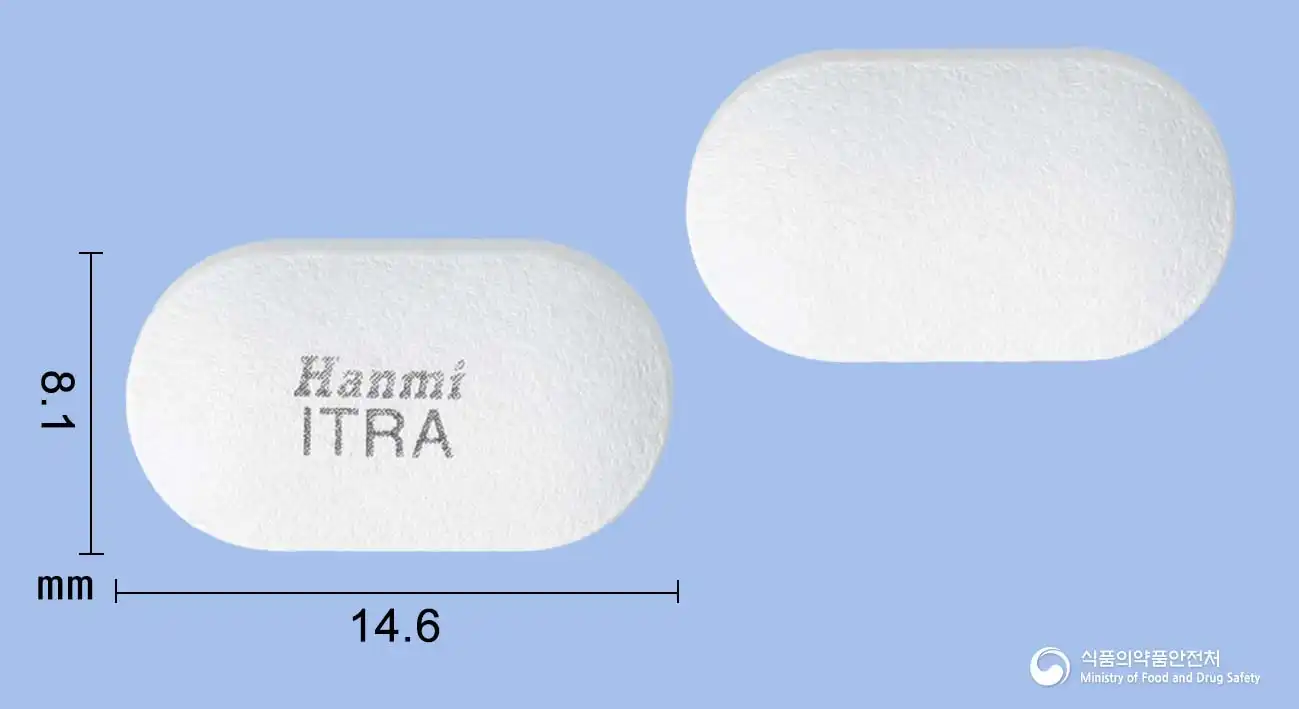
Itraconazole 100mg
Tablet · Prescription medication
Hanmi Pharmaceutical Co., Ltd.
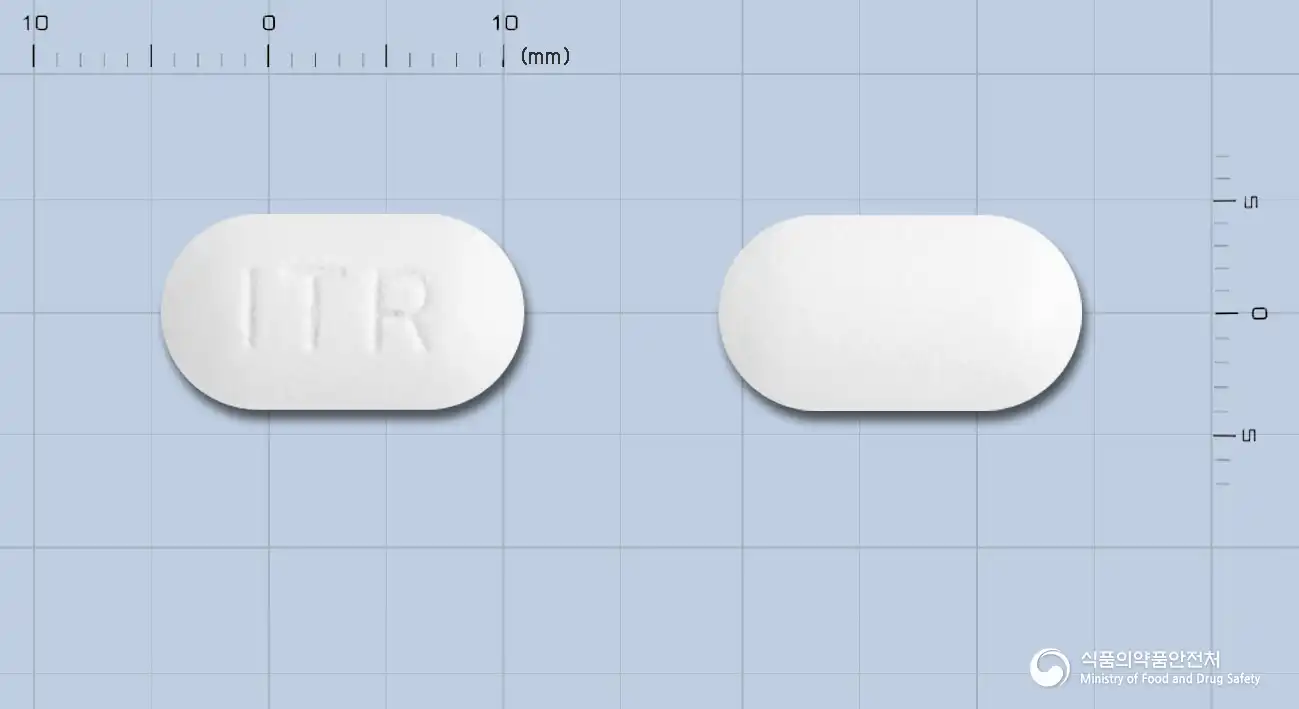
Itraconazole 100mg
Tablet · Prescription medication
Hanol Bio Pharma Co., Ltd.
Itraconazole
Prescription medication
Daewoong Pharmaceutical Co., Ltd.
Itraconazole
Prescription medication
International Pharmaceutical Co., Ltd.
Itraconazole
Prescription medication
Hanol Biopharma Co., Ltd.
Itraconazole
Prescription medication
Austin Pharmaceuticals Co., Ltd.
Even with the same ingredient, the dose and directions can differ by strength and dosage form. Talk to a doctor or pharmacist before switching from a medication you are already taking.
No questions yet.
For anything that needs medical judgment, consult a doctor or pharmacist.
This drug information is based on data provided by the Korea Ministry of Food and Drug Safety.
Consult a doctor or pharmacist for accurate dosage, administration, and usage instructions.