
 한국어
 English
 日本語
 中文(简体)
Dosage form image
Viewing nowNapmine A Tablet (Nafronil Oxalate)
Nafronyl Oxalate 100mg
Tablet · Prescription medication
Korea Pavis Pharmaceutical Co., Ltd.
MFDS item code 201309450 · Notified 2013.09.27
This product's status changed to Approval withdrawn on 2024.12.06. It may no longer be sold, so consult a doctor or pharmacist before taking it.
Treatment of peripheral vascular disorders
Peripheral vascular disorders occur mainly due to poor blood circulation in the peripheral areas such as hands and feet. This medication helps alleviate symptoms by improving blood flow in peripheral vessels and reducing pain and numbness. It is also used to relieve discomfort such as coldness or numbness in the hands and feet by enhancing vascular function.
Adults: Administer 100 mg of nafronyl oxalate orally 3 times daily.
This medication should not be used in patients with acute myocardial infarction, early hemorrhagic injury, or orthostatic dysregulation. Patients who have had allergic reactions to this medication, or have a history of hyperoxaluria or recurrent calcium nephrolithiasis should also avoid this medication. It is also advisable to refrain from administering it to patients with myocardial infarction, congestive heart failure, cardiac conduction defects, severe angina, or hypotension. Patients with impaired liver function, those with a risk of seizures, as well as pregnant women or women who may become pregnant and nursing mothers should not use this medication. This medication contains lactose, so those with lactose intolerance or related genetic disorders should refrain from ingestion. It should be administered cautiously to patients with reduced kidney function or atherosclerosis. Follow your doctor's instructions closely. During the use of this medication, neurological symptoms such as seizures, sensory abnormalities, anxiety, drowsiness, headache, and dizziness may occur. Gastrointestinal symptoms may include loss of appetite, esophagitis, vomiting, abdominal pain, diarrhea, so caution is advised. Allergic reactions such as urticaria or angioedema may also occur, so consult your healthcare provider immediately if abnormal symptoms occur. Symptoms of hepatic dysfunction, kidney stones, hypotension, arrhythmia, angina, syncope, and peripheral edema have been reported, so caution is necessary if these symptoms develop. It is advisable to stay well hydrated to prevent kidney stone formation while taking this medication, and it is best to take it without beverages at bedtime. Taking it alongside antihypertensives or antiarrhythmics may intensify the drug's effects, so inform your physician and manage accordingly. It is safest for pregnant or nursing women not to take this medication, and those planning pregnancy should consult a specialist. Overdosing may result in ECG abnormalities and seizures, necessitating immediate medical attention.
Not everyone experiences these, and they can vary from person to person.
This medication is sensitive to light, so it should be stored in a light-blocking container. Additionally, it is important to maintain the medication's efficacy by storing it at room temperature, between 1 to 30 degrees Celsius.
White round film-coated tablet
30 tablets/bottle, 500 tablets/bottle
Even with the same ingredient, strength, dosage form and how it is taken can differ.
Nafronyl Oxalate 100mg
Tablet · Prescription medication
Korea Pavis Pharmaceutical Co., Ltd.
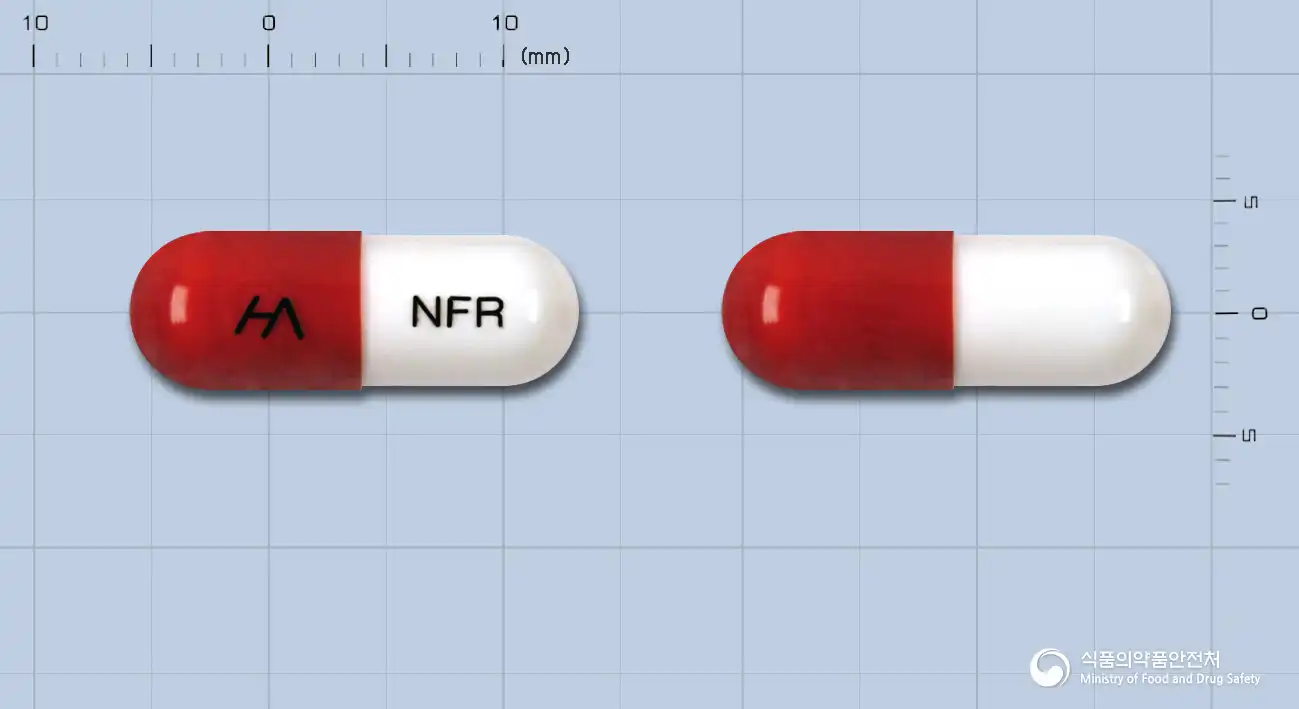
Nafronyl Oxalate 100mg
Hard capsule · Prescription medication
Hanall Biopharma Co., Ltd.
Nafronyl Oxalate 100mg
Prescription medication
Albozen Korea Co., Ltd.
Nafronyl Oxalate 100mg
Hard capsule · Prescription medication
Korea Union Pharm Co., Ltd.
Nafronyl Oxalate 100mg
Prescription medication
Hawon Pharmaceutical Co., Ltd.
Nafronyl Oxalate 100mg
Hard capsule · Prescription medication
CMG Pharmaceutical Co., Ltd.
Nafronyl Oxalate 100mg
Prescription medication
Korea Prime Pharmaceutical Co., Ltd.
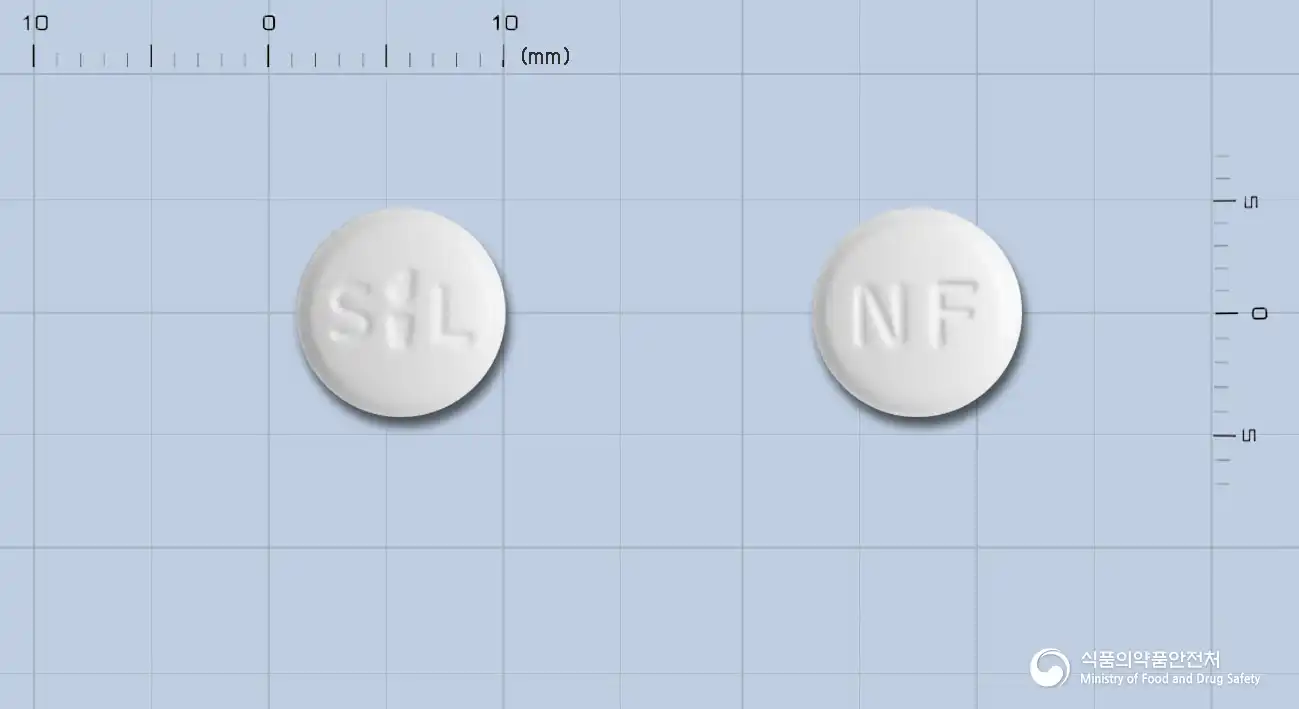
Nafronyl Oxalate 100mg
Tablet · Prescription medication
Samil Pharmaceutical Co., Ltd.
Even with the same ingredient, the dose and directions can differ by strength and dosage form. Talk to a doctor or pharmacist before switching from a medication you are already taking.
No questions yet.
For anything that needs medical judgment, consult a doctor or pharmacist.
This drug information is based on data provided by the Korea Ministry of Food and Drug Safety.
Consult a doctor or pharmacist for accurate dosage, administration, and usage instructions.