
 한국어
 English
 日本語
 中文(简体)
Dosage form image
Viewing nowJadis 13.5 mg (Levonorgestrel)
Levonorgestrel 13.5mg
Prescription medication
Bayer Korea Co., Ltd.
MFDS item code 201309383 · Approved 2013.09.17
Prevention of pregnancy
This medication is used to prevent pregnancy.
This device is inserted into the uterine cavity and is effective for 3 years after insertion. The in vivo release rate is approximately 14μg/day (24 hours) after 24 days, decreases to approximately 10μg/day after 60 days, and decreases to 6μg/day after 1 year. It then gradually decreases, with an in vivo release rate of 5μg/day after 3 years. The average in vivo release rate of levonorgestrel is approximately 8μg/day during the first year and approximately 6μg/day over 3 years. When this device is inserted according to the insertion procedure, the failure rate is approximately 0.4% at 1 year, with a cumulative failure rate of approximately 0.9% at 3 years. Pregnancy due to undetected expulsion and uterine perforation is also included in the failure rate. This device is inserted into the uterus within 7 days of the start of menstruation and may be replaced with a new device at any time during the menstrual cycle. This device may be inserted immediately following a miscarriage in the first 3 months of pregnancy. If insertion is to take place after childbirth, wait until the uterus has returned to its normal state, and insert no earlier than 6 weeks after delivery. If uterine involution is significantly delayed, consider waiting until 12 weeks after delivery. This system must be removed before 3 years have elapsed. If a woman wishes to continue using the same method of contraception, a new system may be inserted immediately after removal of the original system. If pregnancy is not desired, the system should be removed within 7 days of the start of menstruation if the woman has regular menstrual periods. If the system is removed at another time during the menstrual cycle, or if it is removed in a woman who does not have regular menstrual periods and she has had sexual intercourse within 1 week before removal, pregnancy is possible. For continued contraception, a new system should be inserted immediately or another contraceptive method should be started.
This medication should not be used in women who are pregnant or suspect they might be pregnant. It should also not be used if there is a high risk of pelvic infection or uterine infection, or if there is cervicitis or vaginitis present. Women who have experienced endometritis or infectious abortion after childbirth, as well as those with certain cancers such as cervical tumors, uterine cancer, or breast cancer, should avoid using this medication. Individuals allergic to any of the ingredients of this medication should also refrain from using it. This medication should be used with caution after consulting a specialist, and if symptoms of cardiovascular diseases such as severe headache, migraine, high blood pressure, jaundice, or stroke occur, immediate consultation with medical personnel should take place. Special caution is necessary for those with congenital heart disease or valvular heart disease. While using this medication, menstrual bleeding patterns may change, with possible amenorrhea or irregular bleeding occurring. If bleeding is heavy or persists, it must be reported to medical personnel. Before using this medication, a pelvic examination and confirmation of uterine position are required, and it should only be used after treating any infections. Pain, bleeding, or fainting may occur during the insertion process, so medical personnel's instructions should be followed. This medication can interact with other drugs, so it is essential to inform medical personnel about any other medications being taken. Particularly, certain antibiotics, anticonvulsants, and antifungals can have an effect. This medication should not be used during pregnancy, and if pregnancy is confirmed, immediate removal is recommended. Breastfeeding women can use it after six weeks postpartum, and it does not significantly affect breastfeeding. This medication is recommended for women aged 18 and older, and is not suitable for postmenopausal women or children. Products with damaged or opened sterilized packaging should not be used, and it should only be used once. Expired products should absolutely not be used.
amenorrhea, rare bleeding, frequent bleeding, irregular bleeding, persistent bleeding, depression, major depressive disorder, headache, migraine, abdominal pain, pelvic pain, nausea, acne, seborrhea, alopecia, hirsutism, petechiae, infrequent menstruation, ovarian cysts, vulvovaginitis, upper genital tract infection, dysmenorrhea, breast pain, discomfort, intrauterine device expulsion, genital discharge, uterine perforation, rash, urticaria, angioedema, ectopic pregnancy, pain during insertion and removal processes, bleeding, insertion-related dizziness, syncope, vasovagal response, seizures, sepsis, severe infection, expulsion, lower abdominal pain, loss of pregnancy, hemorrhagic ovarian cyst, ruptured ovarian cyst
Not everyone experiences these, and they can vary from person to person.
This medication should be stored in a place that is not humid or exposed to direct sunlight, without opening the packaging. The appropriate storage temperature is between 1 to 30 degrees Celsius room temperature. Storing it this way will maintain the medication's efficacy and safety.
This is an intrauterine system with a drug storage device that is white or pale yellow, wrapped in a translucent membrane and attached to the vertical portion of a T-shaped body. There is a ring at the end of the vertical part of the white T-shaped body, and at the other end, there are two.
1 set
Even with the same ingredient, strength, dosage form and how it is taken can differ.
Levonorgestrel 13.5mg
Prescription medication
Bayer Korea Co., Ltd.
Levonorgestrel 1.5mg
Tablet · Prescription medication
GI Medics Co., Ltd.
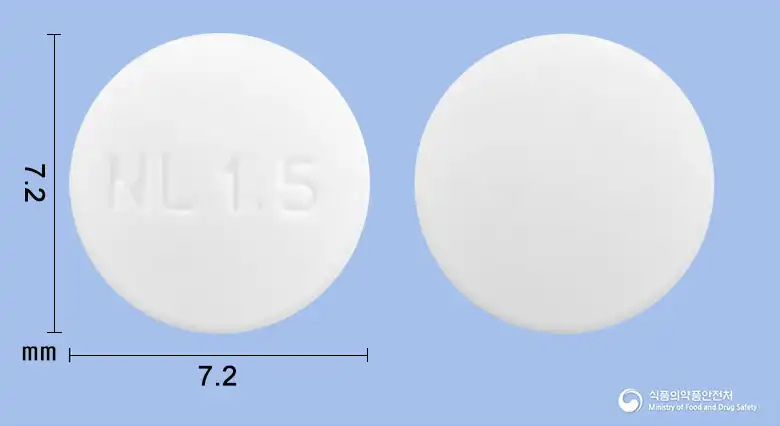
Levonorgestrel 1.5mg
Tablet · Prescription medication
Hyundai Pharmaceutical Co., Ltd.
Levonorgestrel 52mg
Prescription medication
Bayer Korea Co., Ltd.
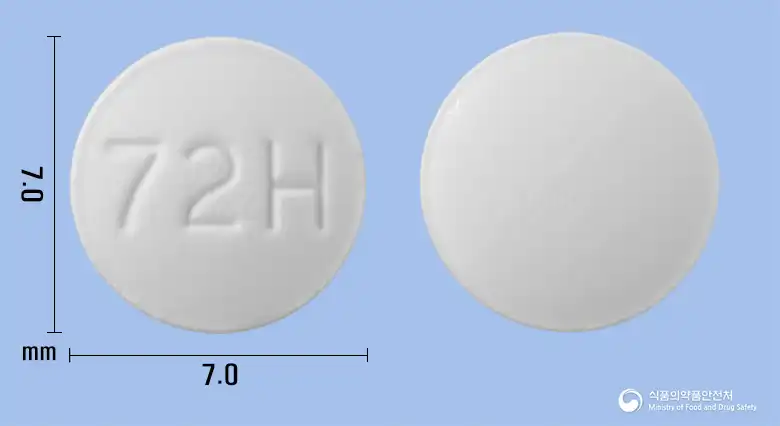
Levonorgestrel 1.5mg
Tablet · Prescription medication
The U Pharmaceutical Co., Ltd.
Levonorgestrel 19.5mg
Prescription medication
Bayer Korea Co., Ltd.
Levonorgestrel
Prescription medication
CMG Pharmaceutical Co., Ltd.
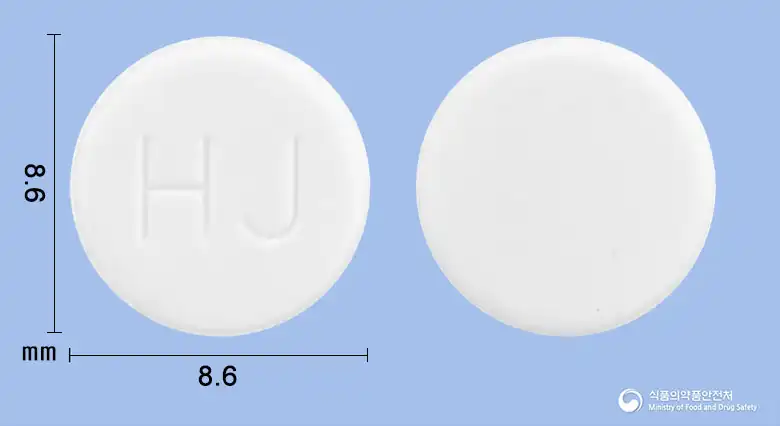
Levonorgestrel 1.5mg
Tablet · Prescription medication
GL Pharma Co., Ltd.
Even with the same ingredient, the dose and directions can differ by strength and dosage form. Talk to a doctor or pharmacist before switching from a medication you are already taking.
No questions yet.
For anything that needs medical judgment, consult a doctor or pharmacist.
This drug information is based on data provided by the Korea Ministry of Food and Drug Safety.
Consult a doctor or pharmacist for accurate dosage, administration, and usage instructions.