
 한국어
 English
 日本語
 中文(简体)
 Viewing now
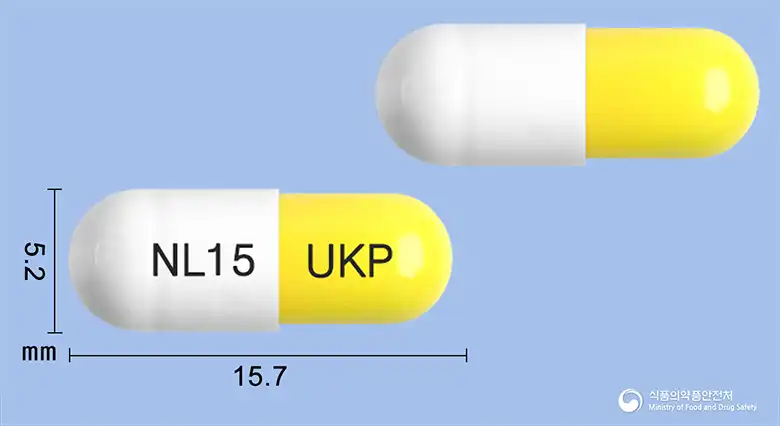
Nulansocapsule 15 mg (Lansoprazole Granules)
Lansoprazole Granules 176.5mg
Hard capsule · Prescription medication
Korea Union Pharmaceutical Co., Ltd.
MFDS item code 201308978 · Approved 2013.08.23 · Insurance code 665506430
Treatment and prevention of ulcers and eradication therapy; treatment of reflux and esophagitis; suppression of excessive gastric acid secretion
This medicine is effective for the short-term treatment of active duodenal ulcers and active benign gastric ulcers. Additionally, it is used for the eradication of Helicobacter pylori to prevent the recurrence of duodenal ulcers. It helps prevent the recurrence of duodenal ulcers and erosive esophagitis as part of maintenance therapy after treatment, and is also useful for the short-term treatment of symptoms related to gastroesophageal reflux disease. It plays an important role in the treatment of gastric ulcers caused by nonsteroidal anti-inflammatory drugs (NSAIDs) and in reducing the risk of such ulcers. It is also used for treating excessive gastric acid secretion states such as Zollinger-Ellison syndrome. Thus, it helps improve patients' symptoms and maintain health through the treatment and prevention of various gastrointestinal diseases.
This medicine should be administered before meals. For patients who have difficulty swallowing the medicine, open the capsule, mix the contents with a small amount (60 mL) of orange juice or tomato juice, and administer immediately. Rinse the glass with 2 times or more juice to ensure that the entire dose is taken, and drink immediately. Do not chew or crush the contents after opening this medicine. 1. Short-term treatment of active duodenal ulcer: Administer lansoprazole 15 mg orally once daily for 4 weeks. 2. Short-term treatment of active benign gastric ulcer: Administer lansoprazole 30 mg orally once daily for 8 weeks. 3. Eradication of Helicobacter pylori to prevent recurrence of duodenal ulcer 1) Administer lansoprazole 30 mg with clarithromycin 250 ∼ 500 mg and amoxicillin 1,000 mg twice daily (every 12 hours) for 7 days. Treatment may be continued for up to 14 days if necessary. 2) Administer lansoprazole 30 mg with amoxicillin 1,000 mg three times daily (every 8 hours) for 14 days. 4. Maintenance treatment after healing of duodenal ulcer: Administer lansoprazole 15 mg orally once daily. The comparative clinical trial period did not exceed 12 months. 5. Treatment of nonsteroidal anti-inflammatory drug-induced gastric ulcer: Administer lansoprazole 30 mg orally once daily for 8 weeks. The comparative clinical trial period did not exceed 8 weeks. 6. Reduction of the risk of nonsteroidal anti-inflammatory drug-induced gastric ulcer: Administer lansoprazole 15 mg orally once daily for 12 weeks. The comparative clinical trial period did not exceed 12 weeks. 7. Short-term treatment of symptoms associated with gastroesophageal reflux disease: Administer lansoprazole 15 mg orally once daily for 8 weeks. 8. Short-term treatment of erosive reflux esophagitis: Administer lansoprazole 30 mg orally once daily for 8 weeks. 9. Maintenance treatment after healing of erosive reflux esophagitis: Administer lansoprazole 15 mg orally once daily. 10. Pathological hypersecretory conditions, including Zollinger-Ellison syndrome The lansoprazole dosage for pathological hypersecretory conditions varies from patient to patient. Treatment in adults is usually initiated at 60 mg once daily. The dose should be adjusted according to the patient's needs and may be continued for as long as it is clinically effective. Doses of 90 mg per administration have been given twice daily. If the daily dose exceeds 120 mg, it should be divided. Because clearance of this medicine is reduced in elderly patients, dose adjustment is necessary. Do not exceed a daily dose of 30 mg. In patients with hepatic impairment, metabolism and excretion of this medicine may be delayed; administer with caution, including dose adjustment as appropriate.
Children and adolescents 12 ~ 17 years of age, short-term treatment of symptoms associated with non-erosive gastroesophageal reflux disease: 15 mg once daily for 8 weeks Children and adolescents 12 ~ 17 years of age, short-term treatment of erosive reflux esophagitis: 30 mg once daily for 8 weeks Children 1 ~ 11 years of age, 30 kg or less: 15 mg once daily for 12 weeks Children 1 ~ 11 years of age, over 30 kg: 30 mg once daily for 12 weeks
This medicine should not be used in patients with allergic reactions to specific components or a history of hypersensitivity to similar medications. It is especially necessary to exercise caution if pregnant or taking certain antibiotics. This medicine should be used cautiously in patients with impaired liver or kidney function, the elderly, nursing women, and children. Severe side effects such as anaphylaxis, blood disorders, liver dysfunction, and severe skin reactions may occur, so if any unusual symptoms arise, discontinue use immediately and consult a healthcare provider. Long-term use may lead to nutrient deficiencies such as vitamin B12 deficiency or hypomagnesemia, so regular check-ups are necessary. This medicine suppresses gastric acid secretion and may affect the absorption of other medications, so it is essential to inform healthcare providers about any other medications being taken. Special caution is needed when used concurrently with drugs affecting blood coagulation, antivirals, and antibiotics due to potential interactions. Symptoms such as dizziness or drowsiness may occur, so caution is required when driving or operating machinery. Use of this medicine should be avoided during pregnancy or breastfeeding unless absolutely necessary, in which case consultation with a specialist is required. In case of overdose, appropriate medical treatment should be sought immediately, as blood dialysis will not remove it. Keep out of reach of children and do not transfer to another container, and handle with care as the medicine may easily break.
Not everyone experiences these, and they can vary from person to person.
This medicine should be stored in a tightly sealed container to protect it from air and moisture exposure. It is recommended to maintain a storage temperature between 1 degree and 30 degrees Celsius. Proper storage helps maintain the effectiveness of the medication for a longer period.
A hard capsule filled with white to light brown granules, with a white upper part and a yellow lower part
30 capsules/bottle, 90 capsules/bottle
Even with the same ingredient, strength, dosage form and how it is taken can differ.
Viewing nowLansoprazole Granules 176.5mg
Hard capsule · Prescription medication
Korea Union Pharmaceutical Co., Ltd.
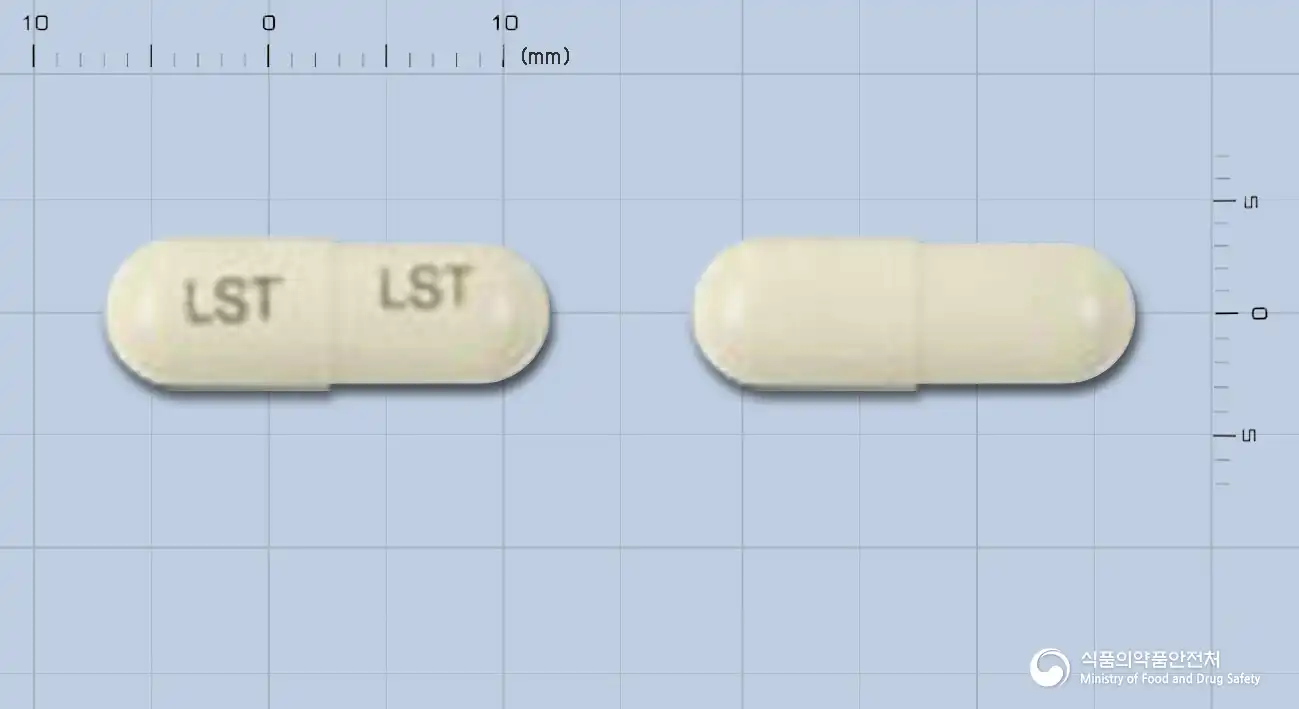
Lansoprazole Granules 370mg
Hard capsule · Prescription medication
Cheil Pharmaceutical Co., Ltd.
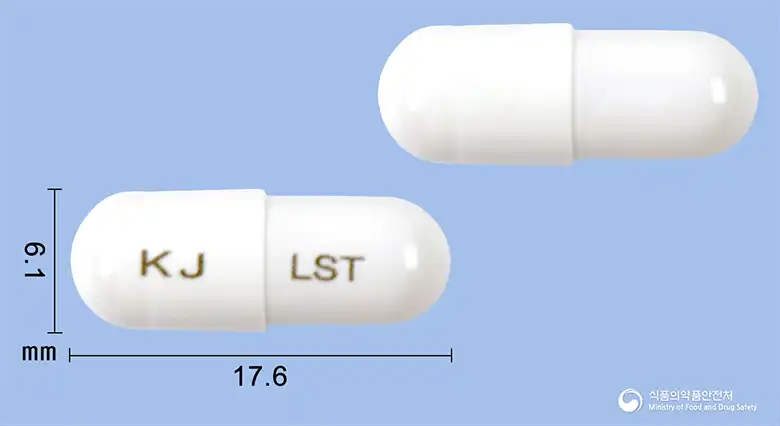
Lansoprazole Granules 353mg
Hard capsule · Prescription medication
International Pharmaceutical Co., Ltd.
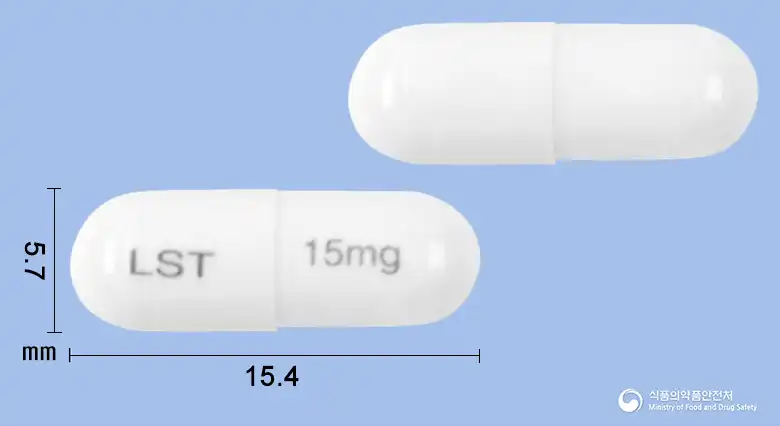
Lansoprazole Granules 185mg
Hard capsule · Prescription medication
Jeil Pharmaceutical Co., Ltd.
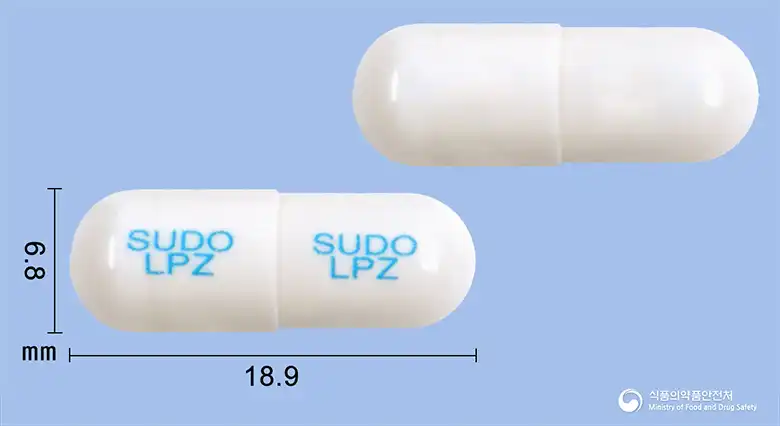
Lansoprazole Granules 353mg
Hard capsule · Prescription medication
PharmGen Science Co., Ltd.
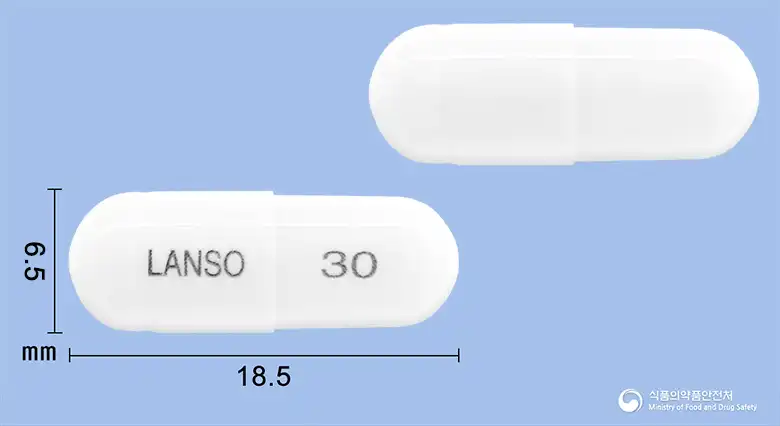
Lansoprazole Granules 353mg
Hard capsule · Prescription medication
Unimed Pharmaceutical Co., Ltd.
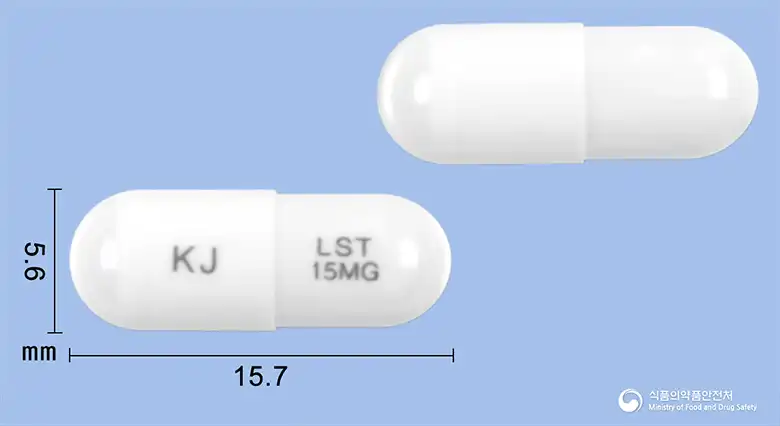
Lansoprazole Granules 176.5mg
Hard capsule · Prescription medication
Kukje Pharmaceutical Co., Ltd.
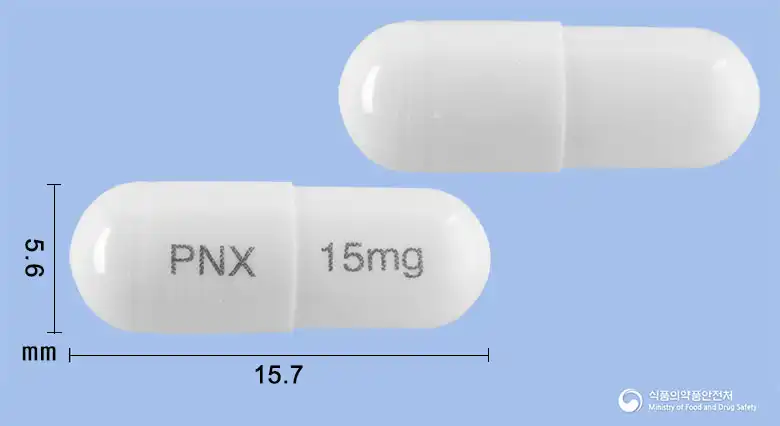
Lansoprazole Granules 176.5mg
Hard capsule · Prescription medication
Korea PMG Pharmaceuticals Co., Ltd.
Even with the same ingredient, the dose and directions can differ by strength and dosage form. Talk to a doctor or pharmacist before switching from a medication you are already taking.
No questions yet.
For anything that needs medical judgment, consult a doctor or pharmacist.
This drug information is based on data provided by the Korea Ministry of Food and Drug Safety.
Consult a doctor or pharmacist for accurate dosage, administration, and usage instructions.