
 한국어
한국어 English
 日本語
日本語 中文(简体)
 Viewing nowCombination
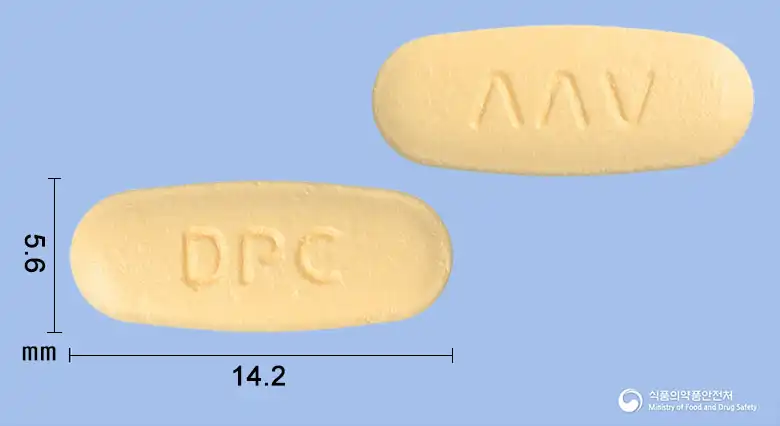
Vartanex Tablet 10/160 mg
Amlodipine Besylate 13.87mg · Valsartan 160mg
Tablet · Prescription medication · Combination
Donggwang Pharmaceutical Co., Ltd.
MFDS item code 201308572 · Approved 2013.07.31 · Insurance code 645905480
Improvement of blood pressure control in essential hypertension through the combination of amlodipine and valsartan
This medication helps lower blood pressure effectively and prevents cardiovascular complications in patients with essential hypertension who do not have sufficient blood pressure control with amlodipine or valsartan as monotherapy. This treatment is used to help achieve proper management for those experiencing difficulties in blood pressure control and improve vascular health.
The recommended dose of this medication is 1 tablet once daily, taken with water regardless of meals. It is recommended to take it at the same time each day (e.g., in the morning). In patients with mild to moderate renal impairment, dosage adjustment is not necessary, but it should not be given to patients with severe renal impairment or those on dialysis. In patients with hepatic impairment, the daily dose of valsartan should not exceed 80 mg, and for severe hepatic impairment, it is not recommended.
The safety and efficacy of this medication in pediatric patients under 18 years of age have not been established, and administration is not recommended.
This medication can cause serious harm to the fetus and newborn if taken during the second or third trimester of pregnancy, so it should be discontinued immediately upon confirmation of pregnancy. Patients who are allergic to any components of this medication or similar class drugs, pregnant or breastfeeding women, and patients with severe kidney or liver dysfunction should not take this medication. Patients with low body sodium or fluid levels may experience low blood pressure upon initial dosing, so their condition should be carefully assessed before taking this medication, and blood pressure should be closely monitored during treatment. Patients with high potassium levels should be cautious when taking this drug along with medications that can increase potassium, and frequent monitoring of serum potassium levels is recommended. Patients with renal artery stenosis or those who have recently undergone kidney transplants should use this medication cautiously as it may affect kidney function. If angioedema (such as airway obstruction or swelling of the face, lips, or tongue) occurs, discontinue the medication immediately and do not re-administer. Patients with heart failure or those recovering from a myocardial infarction should carefully monitor changes in kidney function and blood pressure when taking this medication, as some patients may experience increased pulmonary edema. This medication is used for the treatment of hypertension and is effective in lowering blood pressure; however, overdose may lead to severe hypotension, dizziness, and cardiac arrhythmias, so caution is required. Dizziness or fatigue may occur while driving or operating machinery, so caution is advised, especially upon initial dosing or when adjusting the dose. Interactions may occur when taken with other medications; therefore, if you are currently taking other medications, discuss it with your doctor or pharmacist. It is recommended that women who are pregnant or planning to become pregnant, as well as breastfeeding women, do not use this medication, as it may pose risks to the fetus during pregnancy. This medication is not recommended for children under 18 years of age as safety and efficacy have not been established for this age group. Elderly patients may take doses similar to those for adults but may require caution based on their physical condition. Adverse reactions may include headache, dizziness, edema, hypotension, skin rash, etc., and if symptoms are severe or persistent, immediate consultation with healthcare professionals is necessary.
Not everyone experiences these, and they can vary from person to person.
This medication should be stored in a tightly sealed container to prevent exposure to air and moisture. It is advisable to maintain storage temperatures between 1 degree and 30 degrees Celsius in room temperature.
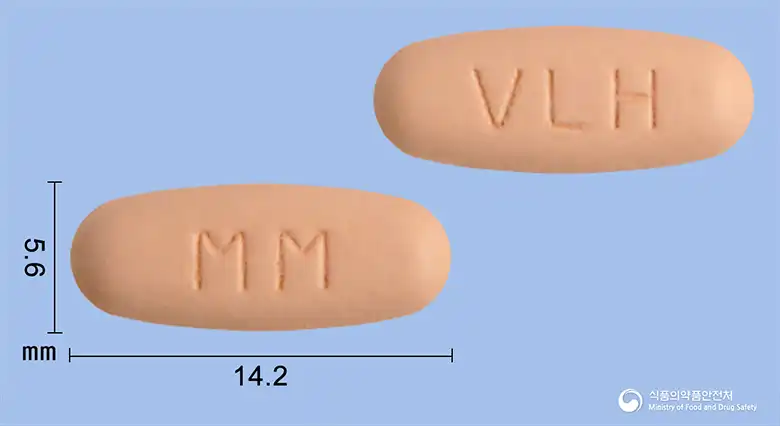
Bright yellow oval film-coated tablet
30 tablets/bottle, 100 tablets/bottle
Even with the same ingredient, strength, dosage form and how it is taken can differ.
Viewing nowCombinationAmlodipine Besylate 13.87mg · Valsartan 160mg
Tablet · Prescription medication · Combination
Donggwang Pharmaceutical Co., Ltd.
 Combination
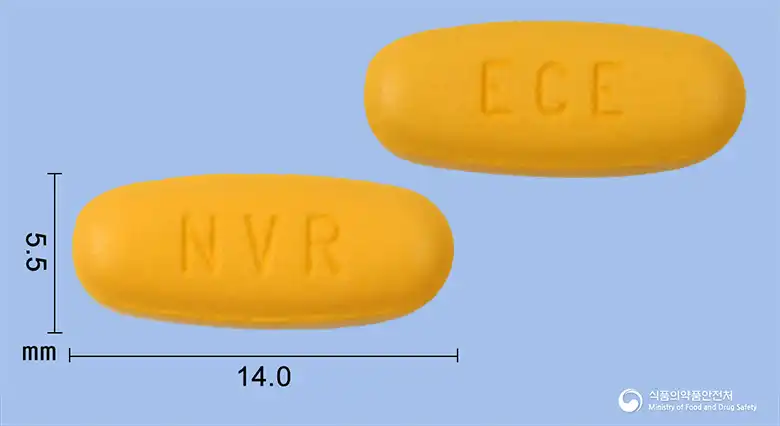
Valsartan 160mg · Amlodipine Besylate 6.94mg
Tablet · Prescription medication · Combination
Novartis Korea Co., Ltd.
 Combination
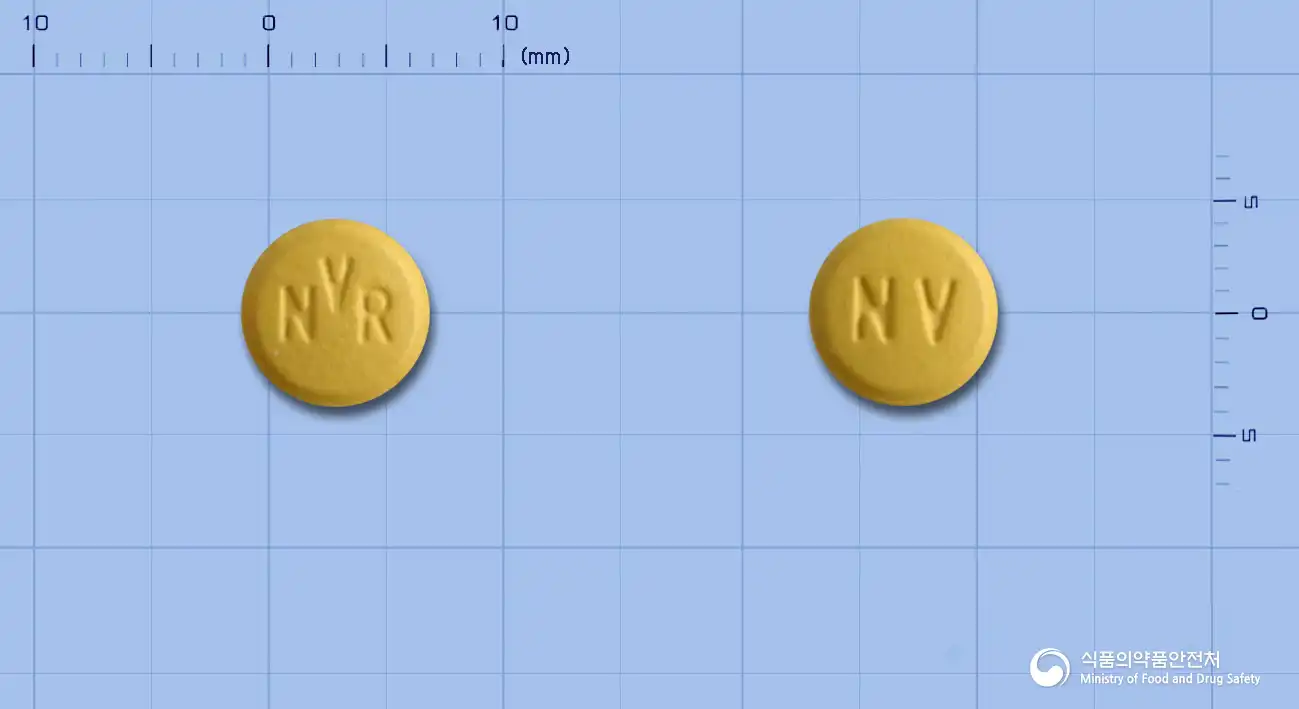
Valsartan 80mg · Amlodipine Besylate 6.94mg
Tablet · Prescription medication · Combination
Korea Novartis Co., Ltd.
 Combination
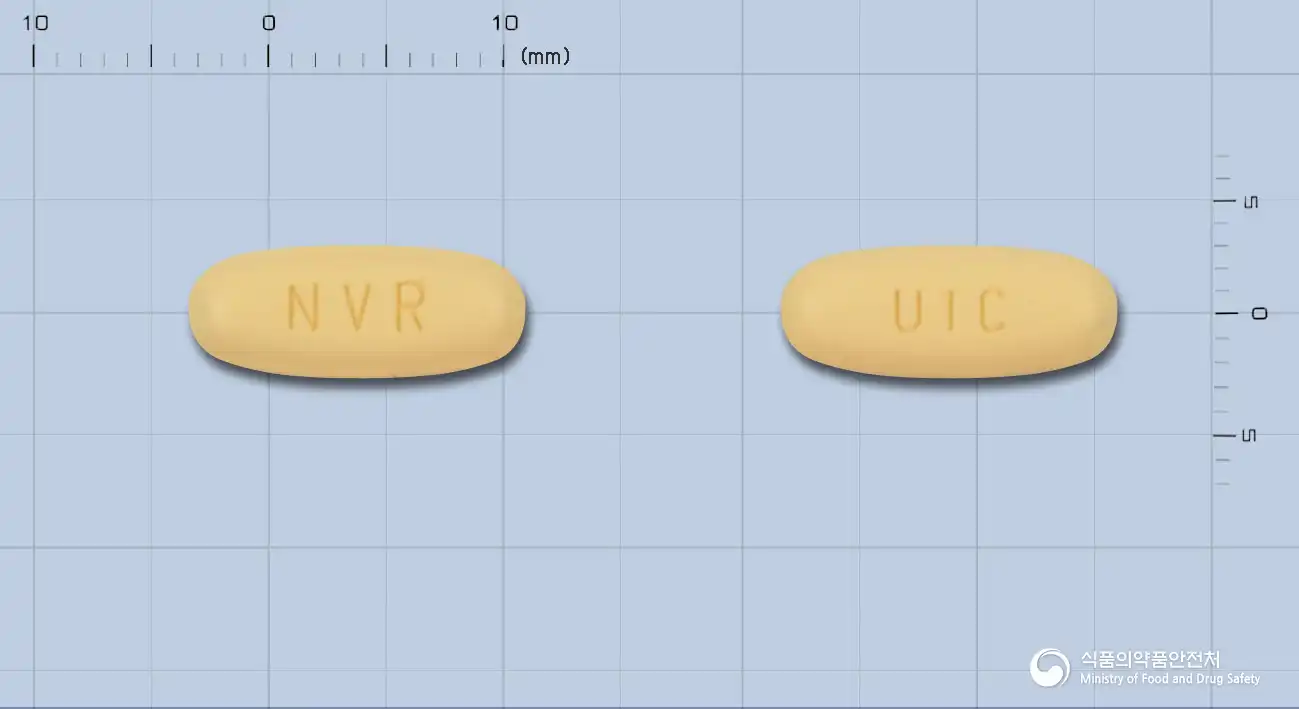
Valsartan 160mg · Amlodipine Besylate 13.87mg
Tablet · Prescription medication · Combination
Novartis Korea Co., Ltd.
Valsartan · Amlodipine Besylate
Prescription medication · Combination
Korea Sandose Co., Ltd.
Valsartan · Amlodipine Besylate
Prescription medication · Combination
Korea Sandos Co., Ltd.
Valsartan · Amlodipine Besylate
Prescription medication · Combination
Korea Sandos Co., Ltd.
 Combination
Valsartan 160mg · Amlodipine Besylate 13.87mg
Tablet · Prescription medication · Combination
Myungmoon Pharmaceutical Co., Ltd.
Even with the same ingredient, the dose and directions can differ by strength and dosage form. Talk to a doctor or pharmacist before switching from a medication you are already taking.
No questions yet.
For anything that needs medical judgment, consult a doctor or pharmacist.
This drug information is based on data provided by the Korea Ministry of Food and Drug Safety.
Consult a doctor or pharmacist for accurate dosage, administration, and usage instructions.