
 한국어
한국어 English
 日本語
日本語 中文(简体)
Dosage form image
Viewing nowNesina Tablet 6.25 mg (Alogliptin Benzoate)
Alogliptin Benzoate 8.5mg
Tablet · Prescription medication
Celltrion Pharmaceutical Co., Ltd.
MFDS item code 201307581 · Approved 2013.05.31
This product's status changed to Expired on 2024.05.31. It may no longer be sold, so consult a doctor or pharmacist before taking it.
Improvement of blood sugar control in type 2 diabetes
This medication is an adjunct to diet and exercise in improving blood sugar control for patients with type 2 diabetes. It can be used alone or in combination with other medications, allowing for treatment tailored to each patient's condition. This helps in reliably managing blood glucose levels and preventing complications associated with diabetes.
The recommended dose for this medication is 25 mg once daily. It can be taken without regard to meals. Dosage adjustments in patients with renal impairment: - Mild renal impairment (creatinine clearance ≥50mL/min): dose adjustment not necessary. - Moderate renal impairment (creatinine clearance 30 to <50mL/min): administer 12.5 mg once daily. - Severe renal impairment or end-stage renal disease requiring dialysis (creatinine clearance <30mL/min):
This medication should not be used in patients with allergies to the active substance or any other components. It is not suitable for patients with diabetic ketoacidosis, diabetic coma, pre-coma, or type 1 diabetes, and should not be administered. For patients with severe infections, during surgery, or those who have suffered severe trauma, insulin therapy is necessary, and this medication is best avoided. This medication should be used cautiously in patients with moderate to severe renal impairment or those undergoing dialysis for end-stage renal disease. This medication is not recommended for patients with NYHA (New York Heart Association) functional class III-IV heart failure. Patients taking sulfonylureas are at risk for hypoglycemia, so caution is needed. Patients with pituitary dysfunction or adrenal insufficiency should also be administered this medication with care. Caution should be exercised in patients with poor nutritional status, irregular or insufficient food intake, or frail patients. Patients who engage in intense physical exercise or consume excessive alcohol should also be careful when using this medication. Pancreatitis may develop during the course of taking this medication, and if symptoms of pancreatitis occur, the medication should be stopped immediately and treatment sought. Hypersensitivity reactions such as anaphylaxis, angioedema, or severe skin reactions may occur, and if such symptoms are suspected, the medication should be stopped immediately. Since liver function may be affected, this medication should be used cautiously in patients with abnormal liver function tests, and immediate evaluation should occur if liver dysfunction symptoms appear. When used in conjunction with insulin or sulfonylureas which can cause hypoglycemia, dose adjustment may be necessary to reduce the risk of hypoglycemia. Severe joint pain may occur, and if joint pain symptoms worsen, medication should be discontinued, and a doctor should be consulted. Bullous pemphigoid may present with blisters on the skin, so if any skin abnormalities occur, the patient should inform their doctor immediately. This medication is primarily excreted through the kidneys and has minimal drug interactions, but patients with decreased renal function should be cautious. The safety of this medication has not been established during pregnancy; therefore, it is not recommended for use, and nursing mothers should also avoid taking this medication. The safety and efficacy in pediatrics have not been established; therefore, its use is not recommended. Elderly patients often have reduced renal function, so dose adjustments may be necessary. Patients with moderate liver impairment do not need dose adjustments, but this medication should be used cautiously in patients with severe liver dysfunction. In case of overdose, there is no specific antidote, and appropriate treatment and monitoring according to symptoms are necessary, as the medication is not adequately removed by hemodialysis. This medication should be stored out of the reach of children and kept in its original container to prevent misuse and degradation of quality.
Not everyone experiences these, and they can vary from person to person.
This medication must be stored in a tightly closed container to protect it from air and moisture, and it is safe to store at a temperature between 1 to 30 degrees Celsius. Storing it in this manner will help maintain its efficacy for an extended period.
Bright pink oval film-coated tablet
30 tablets, 100 tablets
Even with the same ingredient, strength, dosage form and how it is taken can differ.
Alogliptin Benzoate 8.5mg
Tablet · Prescription medication
Celltrion Pharmaceutical Co., Ltd.
Alogliptin Benzoate 17mg
Tablet · Prescription medication
Celltrion Healthcare Co., Ltd.
Alogliptin Benzoate 34mg
Tablet · Prescription medication
Celltrion Pharmaceutical Co., Ltd.
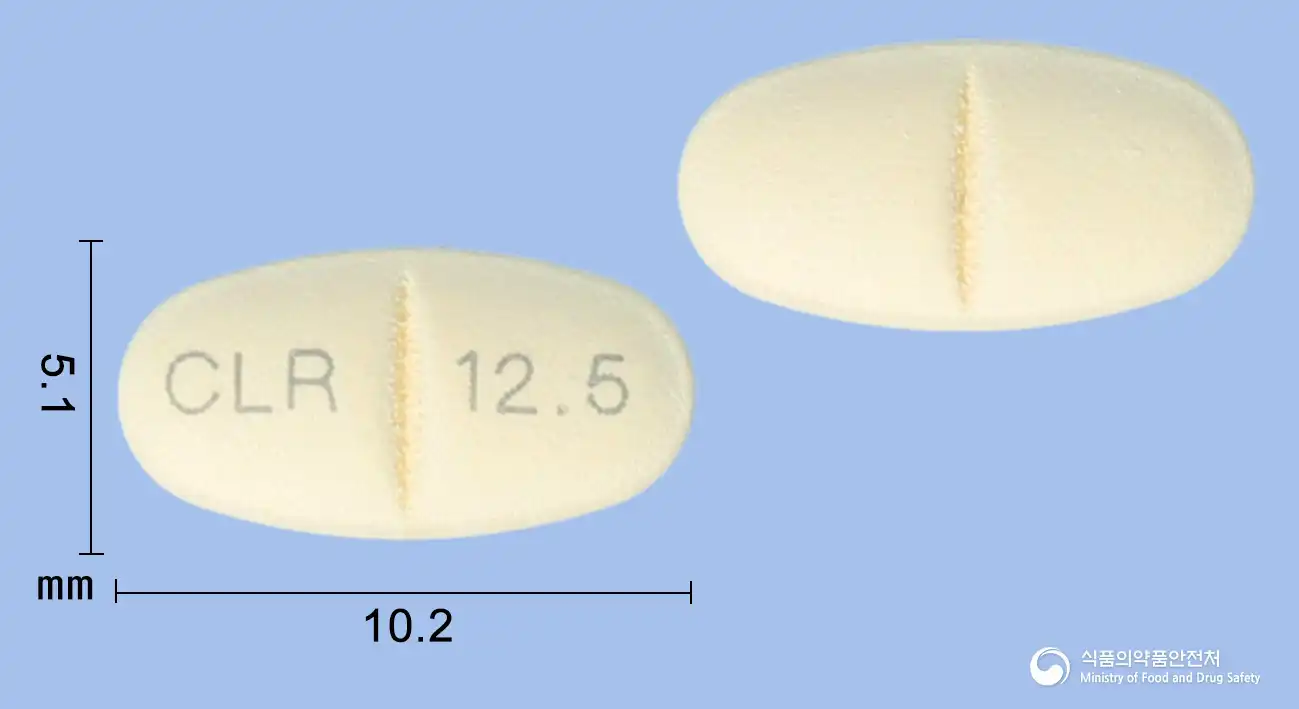
Alogliptin Benzoate 17mg
Tablet · Prescription medication
Celltrion Pharmaceutical Co., Ltd.
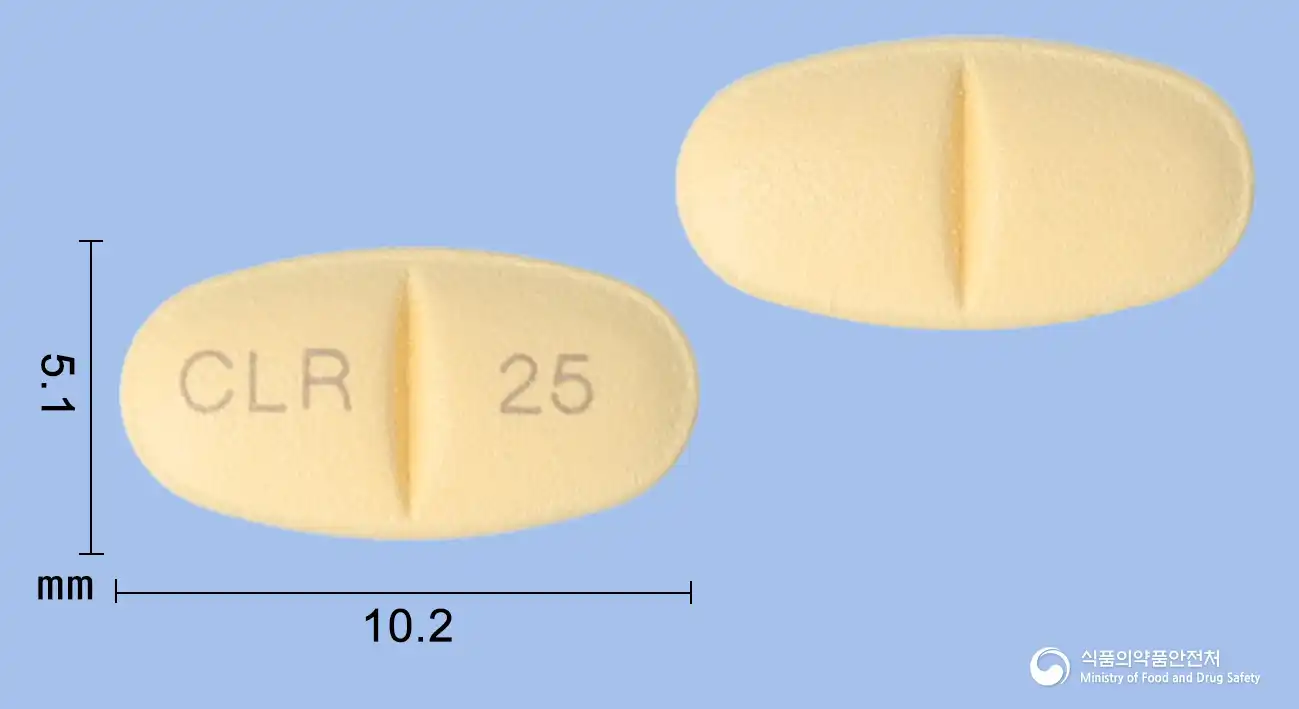
Alogliptin Benzoate 34mg
Tablet · Prescription medication
Celltrion Pharmaceutical Co., Ltd.
Even with the same ingredient, the dose and directions can differ by strength and dosage form. Talk to a doctor or pharmacist before switching from a medication you are already taking.
No questions yet.
For anything that needs medical judgment, consult a doctor or pharmacist.
This drug information is based on data provided by the Korea Ministry of Food and Drug Safety.
Consult a doctor or pharmacist for accurate dosage, administration, and usage instructions.