
 한국어
한국어 English
 日本語
日本語 中文(简体)
Dosage form image
Viewing nowBondex Injection (Ibandronate Sodium Hydrate)
Ibandronate Sodium Monohydrate 3.375mg
Injections · Prescription medication
Korea United Pharm, Co., Ltd.
MFDS item code 201306424 · Approved 2013.03.22 · Insurance code 644308541
Improvement of postmenopausal osteoporosis
This medication is used to treat osteoporosis occurring in postmenopausal women. Osteoporosis is a condition where bones become weak and are at increased risk of fractures, commonly seen in postmenopausal women. This drug increases bone strength and prevents bone loss, thereby reducing the risk of fractures. Thus, it is effective in protecting bone health and improving osteoporosis in postmenopausal women.
3 mg is administered intravenously every 3 months over 15 - 30 seconds.
This medication must be administered intravenously and great care should be taken as injecting into arteries or around veins may cause tissue damage. It should not be administered to patients with hypersensitivity to this drug or to those with untreated hypocalcemia. Potential side effects that may appear while using this medication include gastritis, diarrhea, abdominal pain, indigestion, nausea, constipation, musculoskeletal pain, joint pain, muscle pain, headache, rash, fatigue, etc., most of which were mild to moderate and did not require discontinuation of treatment. Some patients may temporarily experience influenza-like symptoms such as joint pain, muscle pain, fever, chills, fatigue, nausea, loss of appetite, and bone pain. This medication may temporarily lower serum calcium levels, so it is important to treat hypocalcemia and bone and mineral metabolism disorders before administration, and to ensure adequate intake of calcium and vitamin D. Especially in cancer patients or those with other risk factors, there is a risk of osteonecrosis of the jaw, so dental examination before administration is advised, and excessive dental treatment should be avoided during treatment. Additionally, while using bisphosphonate class drugs, rare reports of osteonecrosis of the external auditory canal, ocular inflammation, severe allergic reactions, skin disorders, atypical fractures have been documented, so if unusual symptoms occur, contact medical staff immediately. Women who are pregnant or breastfeeding are advised against using this drug, and safety and efficacy in children under 18 years old have not been established. In case of overdose, renal and liver function should be closely monitored, and appropriate treatment is necessary for electrolyte abnormalities such as hypocalcemia. This drug should not be mixed with calcium-containing solutions or other intravenous medications, and syringe needles and syringes should not be reused and should be disposed of safely.
Hives, severe swelling (edema), anaphylactic reaction/shock, Stevens-Johnson syndrome, erythema multiforme, bullous dermatitis, angioedema, facial swelling/edema, urticaria, severe rash with high fever, blisters, skin detachment, oral/ocular mucosal pain, difficulty breathing or breathing problems, asthma attacks, cough + respiratory issues with fever, jaundice, pronounced and severe malaise, sudden and severe complications
Not everyone experiences these, and they can vary from person to person.
This medication should be stored in a tightly sealed container to prevent exposure to air or moisture. The storage temperature should be maintained at room temperature between 1 and 30 degrees Celsius. Proper storage helps maintain the effectiveness and safety of the drug for a longer period.
A colorless, transparent solution in a colorless, transparent glass prefilled syringe, with a single-use syringe needle attached.
3 mL/prefilled syringe × 1 unit
Even with the same ingredient, strength, dosage form and how it is taken can differ.
Ibandronate Sodium Monohydrate 3.375mg
Injections · Prescription medication
Korea United Pharm, Co., Ltd.
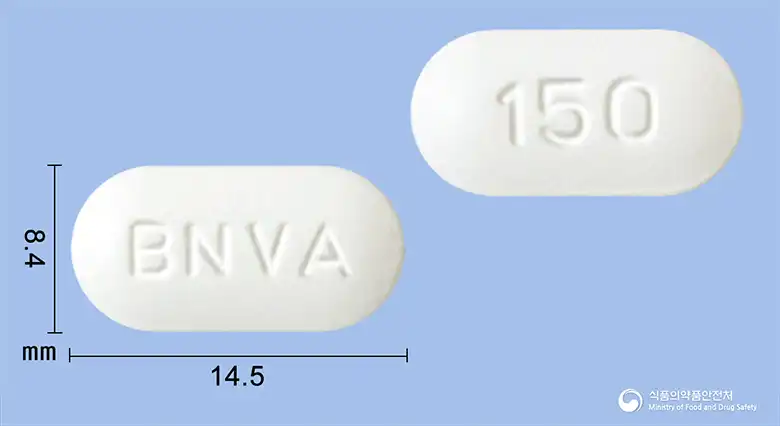
Ibandronate Sodium Monohydrate 168.75mg
Tablet · Prescription medication
Jeil Pharmaceutical Co., Ltd.
Ibandronate Sodium Monohydrate 3.375mg
Solution · Prescription medication
Jeil Pharmaceutical Co., Ltd.
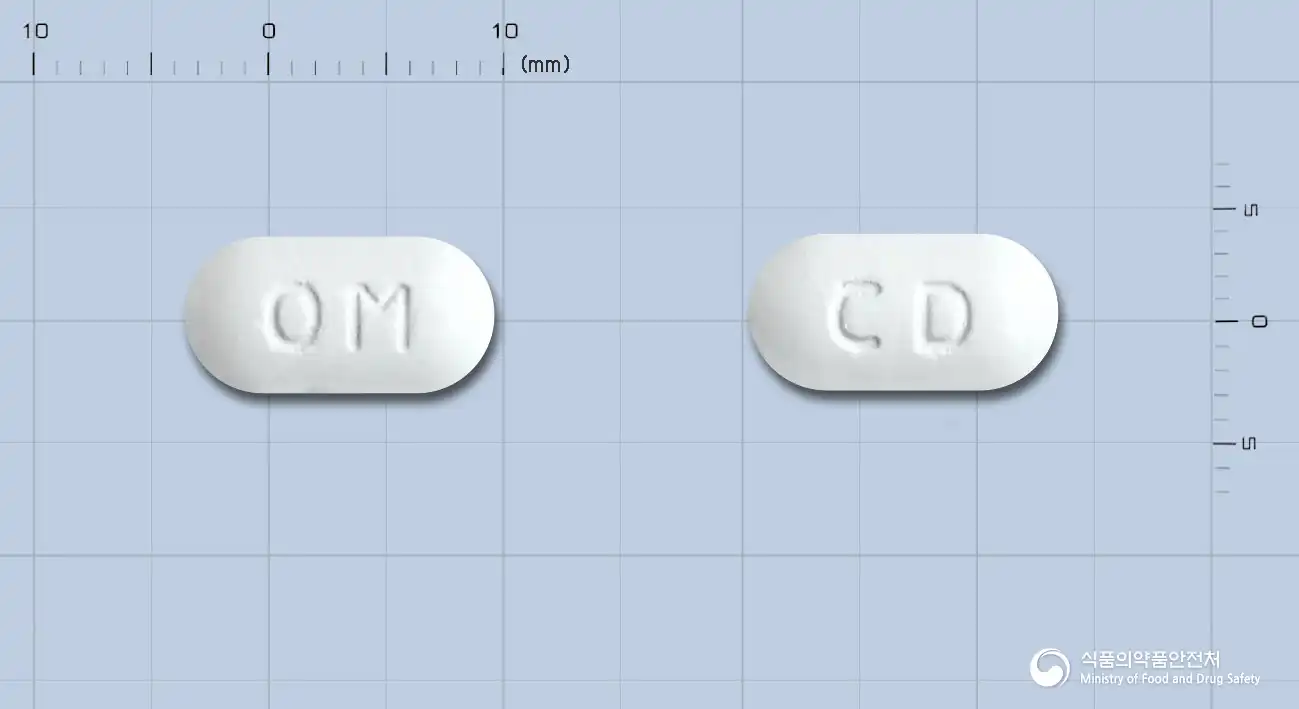
Ibandronate Sodium Monohydrate 168.75mg
Tablet · Prescription medication
Chodang Pharmaceutical Co., Ltd.
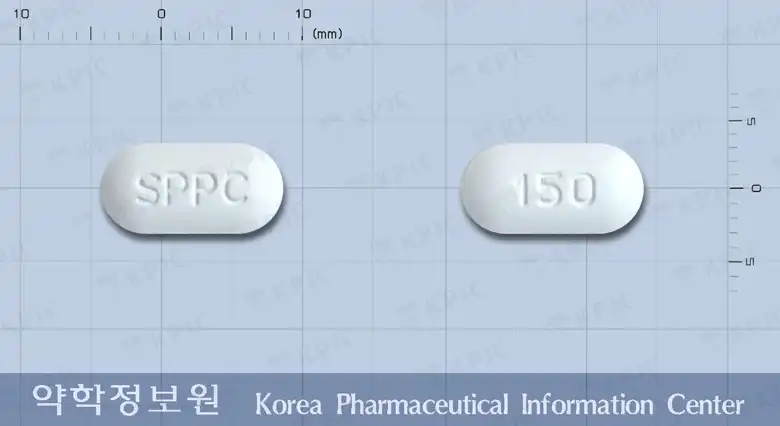
Ibandronate Sodium Monohydrate 168.75mg
Tablet · Prescription medication
Shinpoong Pharmaceutical Co., Ltd.
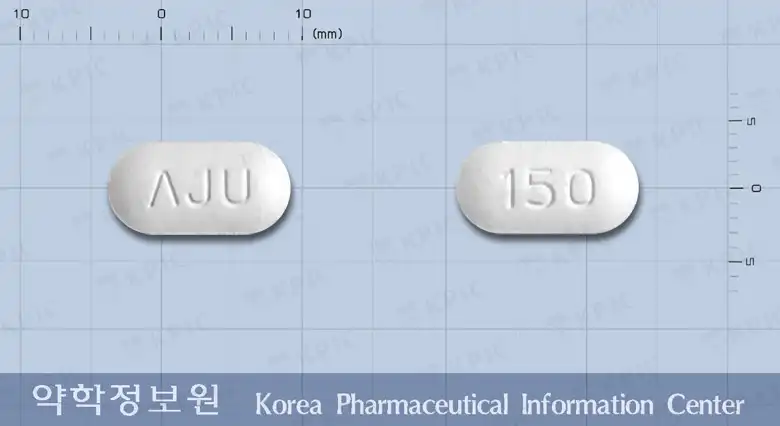
Ibandronate Sodium Monohydrate 168.75mg
Tablet · Prescription medication
Ajou Pharmaceutical Co., Ltd.
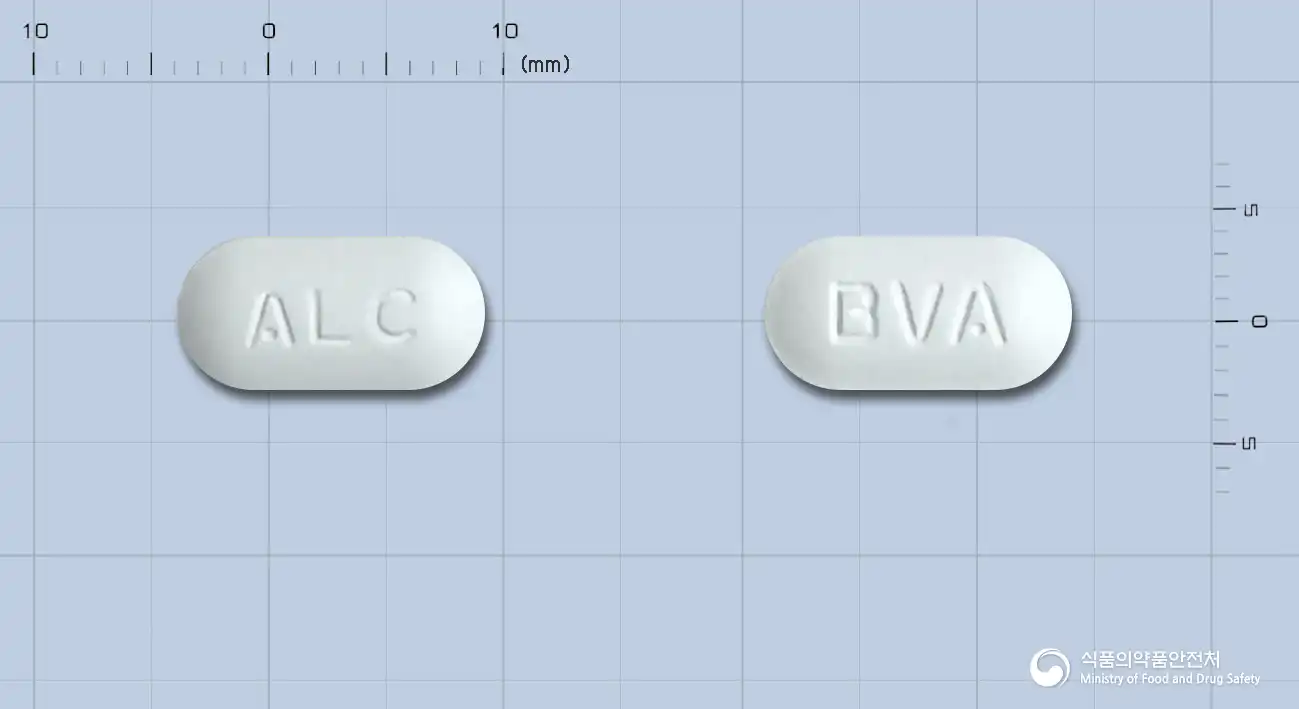
Ibandronate Sodium Monohydrate 168.75mg
Tablet · Prescription medication
Aliko Pharmaceutical Co., Ltd.
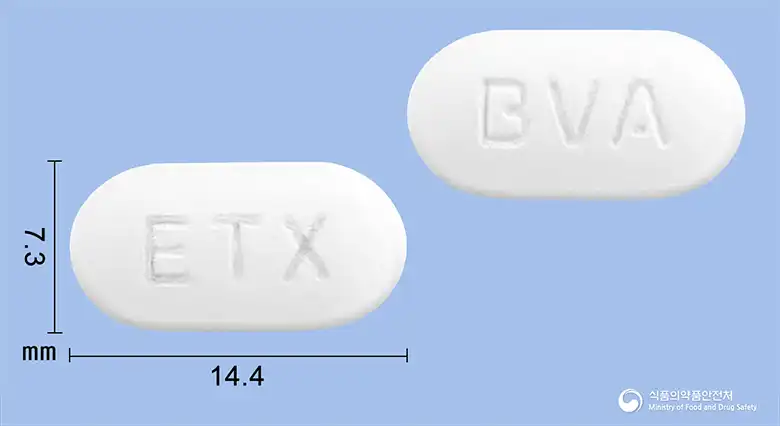
Ibandronate Sodium Monohydrate 168.75mg
Tablet · Prescription medication
Teragen Etex Co., Ltd.
Even with the same ingredient, the dose and directions can differ by strength and dosage form. Talk to a doctor or pharmacist before switching from a medication you are already taking.
No questions yet.
For anything that needs medical judgment, consult a doctor or pharmacist.
This drug information is based on data provided by the Korea Ministry of Food and Drug Safety.
Consult a doctor or pharmacist for accurate dosage, administration, and usage instructions.