
 한국어
 English
 日本語
 中文(简体)
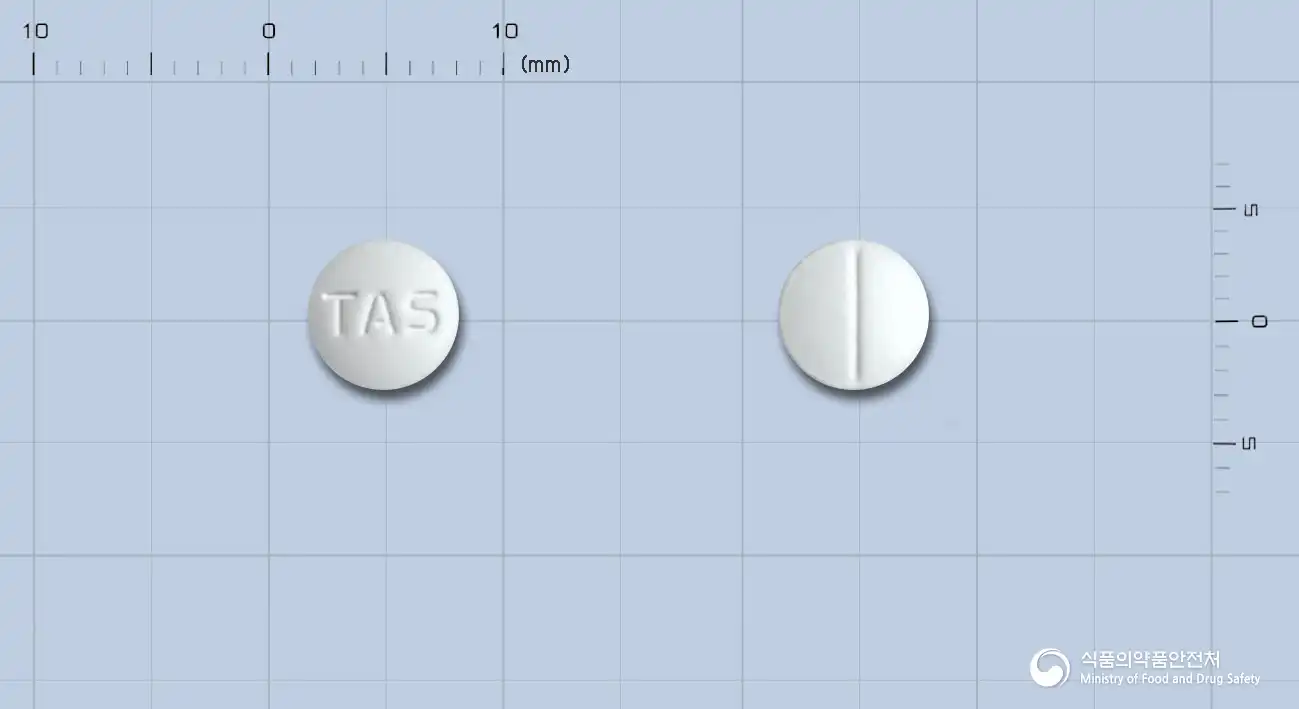 Viewing now
Taries Tablet (Bepotastine Salicylate)
Bepotastine Salicylate 9.64mg
Tablet · Prescription medication
Samchundang Pharm Co., Ltd.
MFDS item code 201306418 · Approved 2013.03.22 · Insurance code 651203830
Relief of perennial allergic rhinitis, chronic urticaria, and itching associated with skin diseases (such as eczema)
This medication is effective for allergic disorders such as perennial allergic rhinitis and chronic urticaria. It is also utilized for the relief of itching associated with various skin conditions including eczema, dermatitis, and pruritus. It helps improve both the allergic symptoms and skin itching of the patient.
Usually, adults are administered 1 tablet (containing 7.11mg of bepotastine) orally twice daily.
This medication should not be used by patients who are hypersensitive to any of its components. Additionally, it contains lactose; therefore, it should not be administered to patients with genetic conditions such as galactose intolerance, Lapp lactose deficiency, or glucose-galactose malabsorption. Special caution is required when administering this medication to patients with renal or liver impairment, as well as to the elderly. Taking this medication may lead to neurological symptoms such as drowsiness, lethargy, headache, or dizziness. It is advisable to avoid driving or operating hazardous machinery. Gastrointestinal symptoms such as dry mouth, vomiting, and diarrhea may occur, so consultation with a physician is warranted if abnormal symptoms arise. Regular monitoring may be necessary due to potential changes in blood, liver, or kidney function test results. Any allergic reactions such as rash or swelling may occur; thus, immediate notification to healthcare professionals is needed if such reactions happen. Patients who have been on prolonged steroid treatment should gradually reduce the steroid dosage when starting this medication, and those with renal insufficiency should begin with a low dose while monitoring their condition. For patients with seasonal allergic rhinitis, it is recommended to start taking the medication prior to the onset of symptoms and continue until the symptoms cease. If no effect is observed, it is advisable not to continue long-term use. As with other antihistamines, taking this medication with alcohol can exacerbate side effects, so it should be avoided. Women who are pregnant or may become pregnant should avoid using this medication, and it should be used cautiously after consulting a physician if absolutely necessary. Similarly, nursing mothers should avoid this medication if possible, as it could be transmitted through breast milk; in cases of necessity, it is advisable to discontinue breastfeeding. Safety in pediatric patients has not been established; therefore, it is recommended not to use this medication in children. Elderly patients should take caution due to increased drug concentration that may occur due to reduced kidney function. This medication may affect allergy tests, so discontinuation before testing is recommended. For PTP-packaged medications, they should be taken directly from the packaging, ensuring that the packaging is not swallowed. Lastly, this medication should be stored out of the reach of children, in a dry place at a temperature below 30 degrees Celsius.
Not everyone experiences these, and they can vary from person to person.
This medication should be kept in a tightly closed container to protect it from air and moisture. It is best to maintain storage temperatures between 1 and 30 degrees Celsius. Take care not to store it in excessively hot or cold places.
White round film-coated tablet
30 tablets/bottle, 300 tablets/bottle
Even with the same ingredient, strength, dosage form and how it is taken can differ.
Viewing nowBepotastine Salicylate 9.64mg
Tablet · Prescription medication
Samchundang Pharm Co., Ltd.
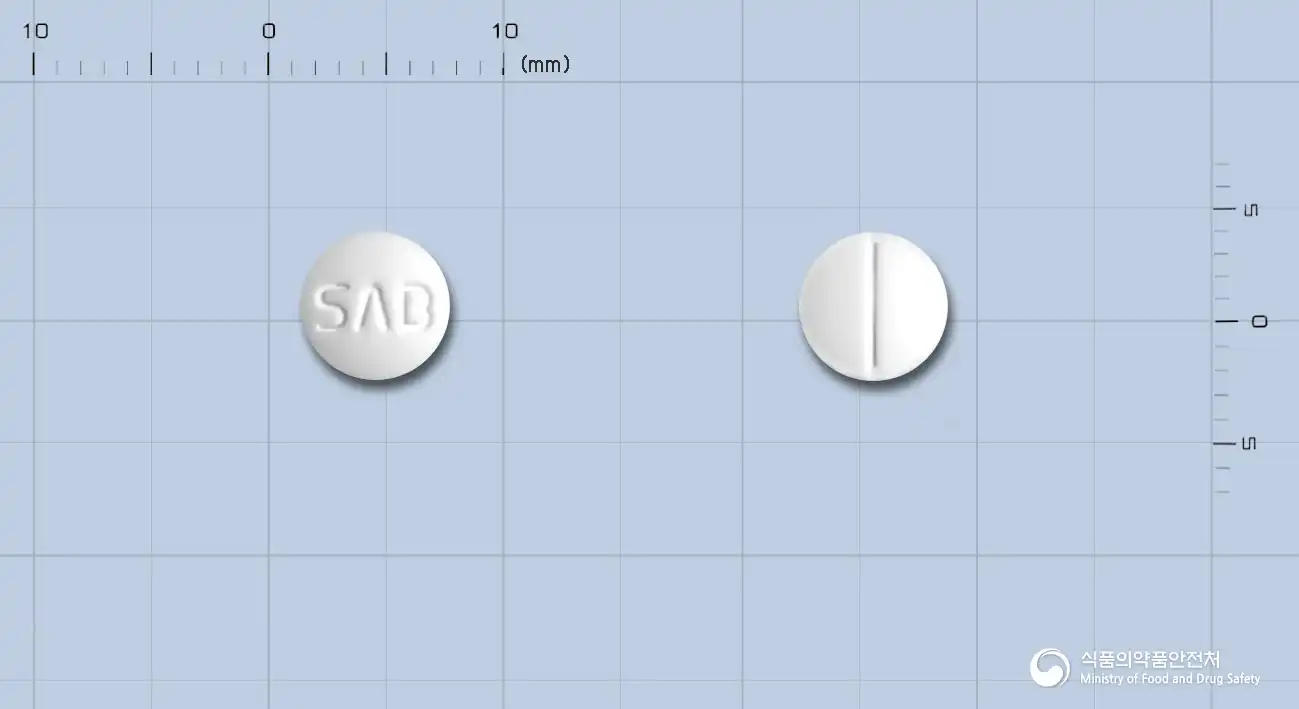
Bepotastine Salicylate 9.64mg
Tablet · Prescription medication
Sama Pharmaceutical Co., Ltd.
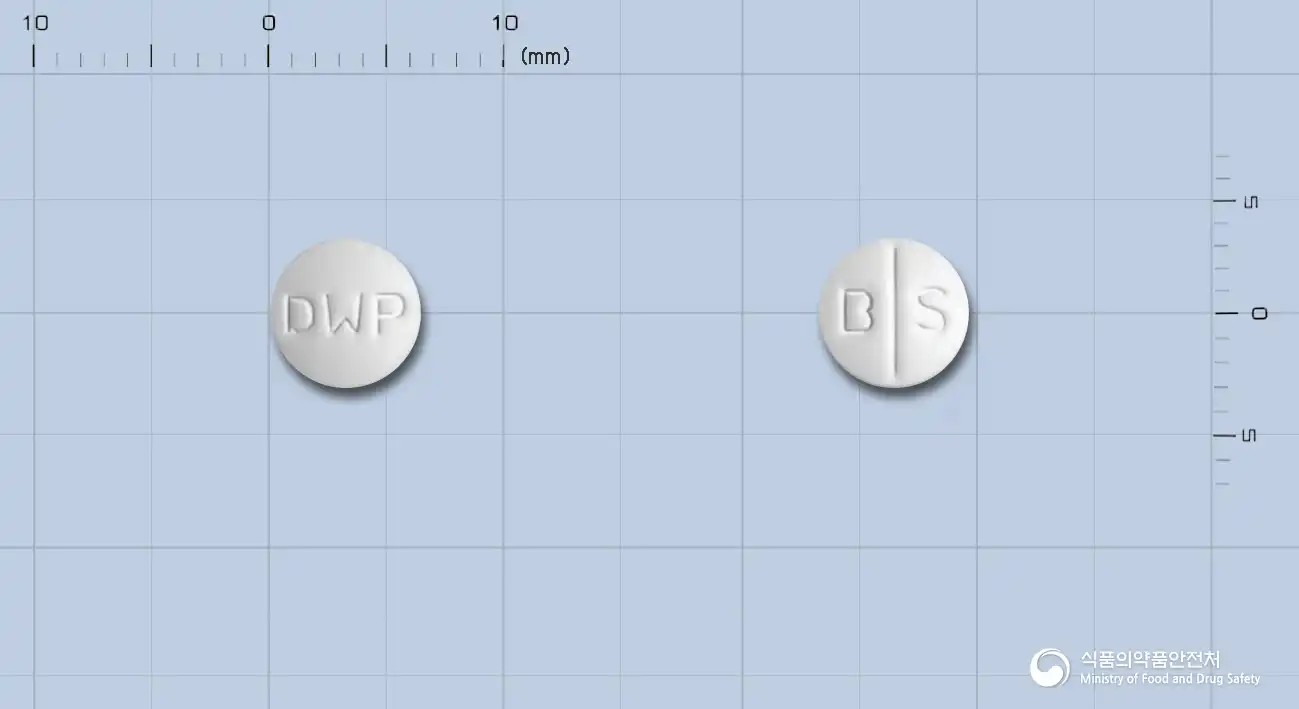
Bepotastine Salicylate 9.64mg
Tablet · Prescription medication
Daewon Pharmaceutical Co., Ltd.
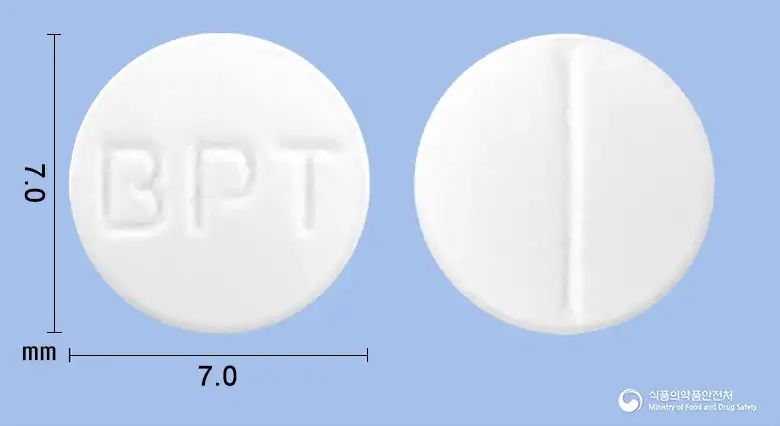
Bepotastine Salicylate 9.64mg
Tablet · Prescription medication
Dongkook Pharmaceutical Co., Ltd.
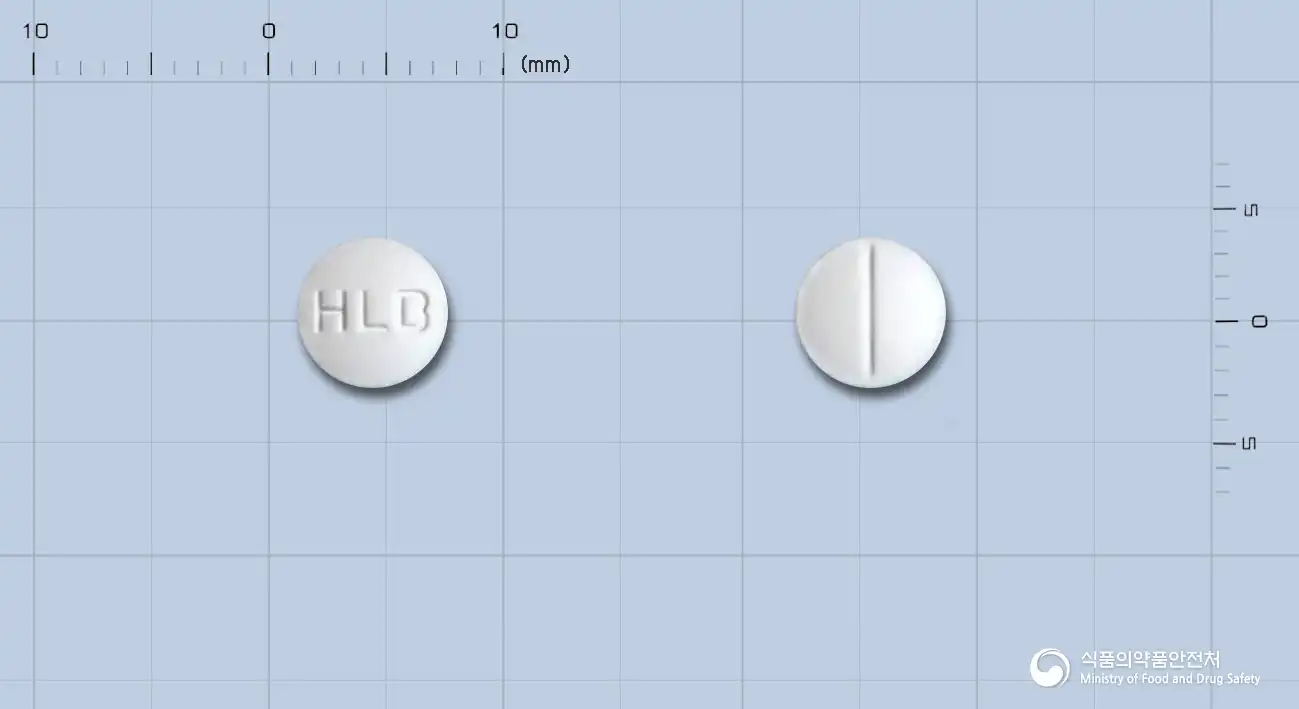
Bepotastine Salicylate 9.64mg
Tablet · Prescription medication
Hanlim Pharmaceutical Co., Ltd.
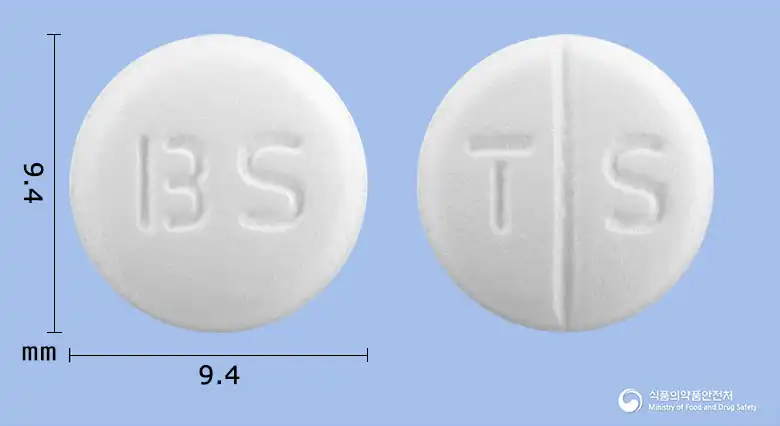
Bepotastine Salicylate 11.78mg
Tablet · Prescription medication
Samchundang Pharm. Co., Ltd.
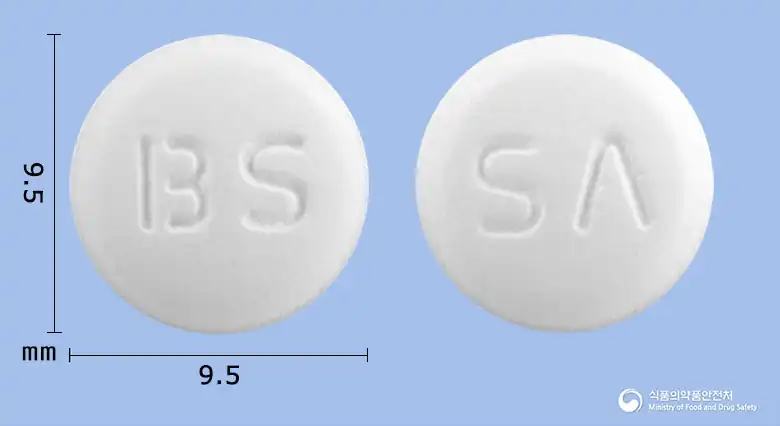
Bepotastine Salicylate 11.78mg
Tablet · Prescription medication
Sama Pharmaceutical Co., Ltd.
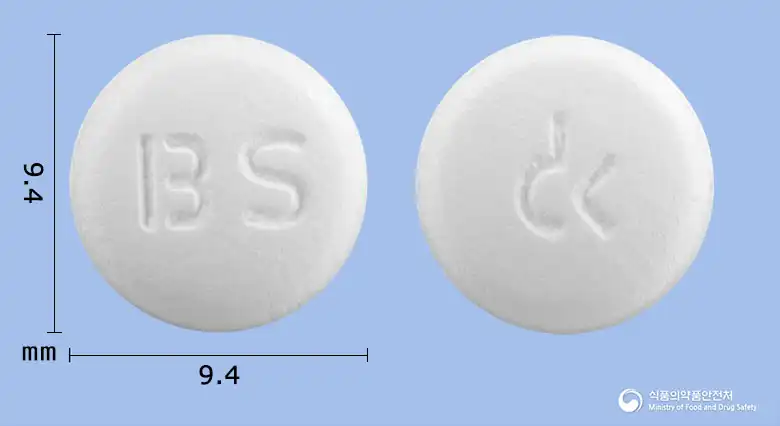
Bepotastine Salicylate 11.78mg
Tablet · Prescription medication
Donguk Pharmaceutical Co., Ltd.
Even with the same ingredient, the dose and directions can differ by strength and dosage form. Talk to a doctor or pharmacist before switching from a medication you are already taking.
No questions yet.
For anything that needs medical judgment, consult a doctor or pharmacist.
This drug information is based on data provided by the Korea Ministry of Food and Drug Safety.
Consult a doctor or pharmacist for accurate dosage, administration, and usage instructions.