
 한국어
 English
 日本語
 中文(简体)
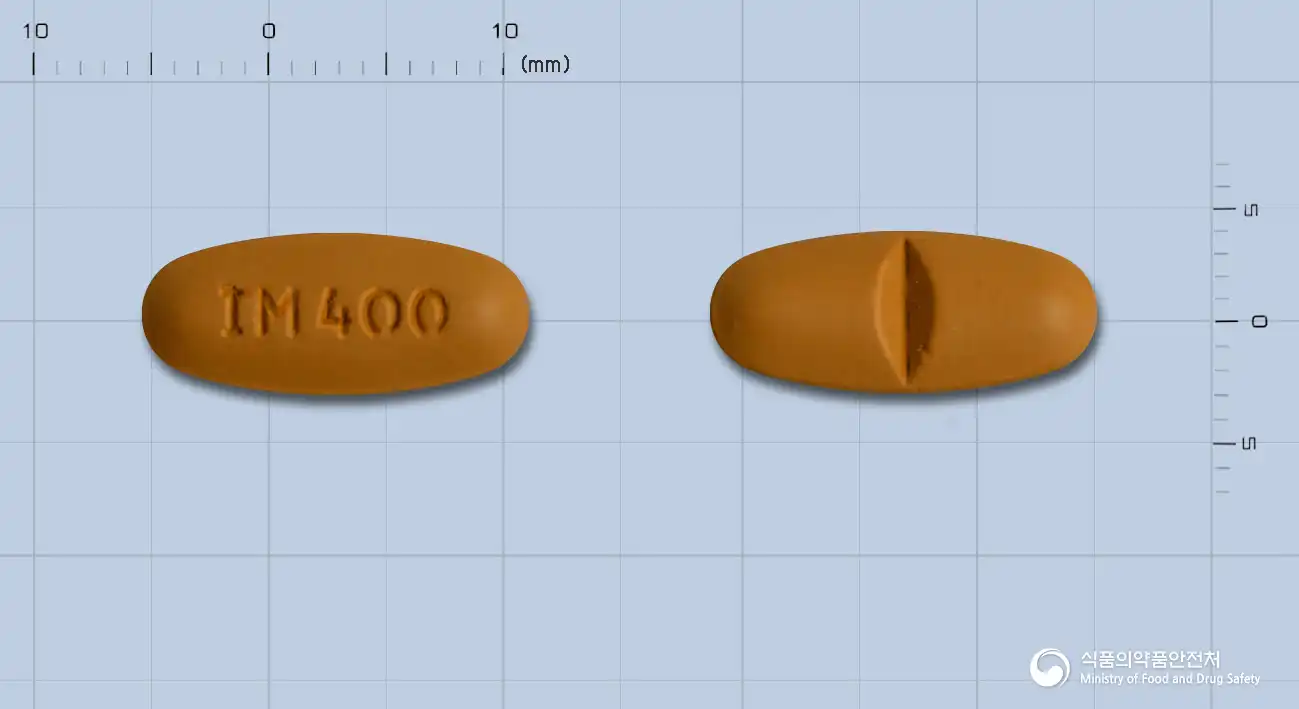
Dosage form image
Viewing nowLeukobec Tablet 400 Milligrams (Imatinib Mesylate)
Imatinib Mesylate 478mg
Tablet · Prescription medication
Jeil Pharmaceutical Co., Ltd.
MFDS item code 201306416 · Approved 2013.03.22
This product's status changed to Approval withdrawn on 2025.07.29. It may no longer be sold, so consult a doctor or pharmacist before taking it.
Treatment of hematologic diseases (such as chronic myeloid leukemia), dermatofibrosarcoma, and gastrointestinal stromal tumors
This medication is used for chronic myeloid leukemia, particularly in the chronic phase, accelerated phase, and blast phase with Philadelphia chromosome positivity. Additionally, it is used for the treatment of unresectable or metastatic gastrointestinal stromal tumors and to prevent recurrence after surgery. This medication is also utilized for blood-related disorders that have PDGFR gene rearrangements, including myelodysplastic syndromes, hypereosinophilia syndrome, chronic eosinophilic leukemia, and unresectable or recurrent dermatofibrosarcoma. It helps improve hematological, cytogenetic responses, and survival rates for various malignant blood and tissue diseases. Therefore, it is used safely and effectively based on the patient's condition.
1. Chronic Myeloid Leukemia (CML) - A dose of 400mg once daily is recommended for patients with Philadelphia chromosome-positive chronic-phase chronic myeloid leukemia. - A dose of 600mg once daily is recommended for patients with accelerated-phase or blast-phase chronic myeloid leukemia. - If no severe adverse reactions occur, dose escalation may be considered from 400mg to 600mg in adults with chronic-phase disease, and from 600mg to 800mg (400mg twice daily) in adults with accelerated-phase or blast-phase disease. 2. Gastrointestinal Stromal Tumor (GIST) - A dose of 400mg once daily is recommended for adults with Kit (CD 117)-positive, unresectable and/or metastatic malignant gastrointestinal stromal tumors. - A dose of 400mg once daily is recommended as adjuvant therapy after surgical resection, with a recommended treatment duration of 3 years. 3. Other Imatinib-Sensitive Diseases - Myelodysplastic syndromes/Myeloproliferative diseases: 400mg once daily - Hypereosinophilic syndrome/Chronic eosinophilic leukemia: 100mg once daily (may be increased up to a maximum of 400mg) - Recurrent or metastatic dermatofibrosarcoma protuberans: 800mg once daily (400mg twice daily) 4. How to Take - Take 400mg or 600mg once daily; take 800mg as 400mg twice daily. - Take with food and plenty of water. - If you cannot swallow the film-coated tablet, disperse it in water or apple juice and take immediately. - Continue treatment in cases of disease progression or unacceptable toxicity. 5. Dose Adjustment - If adverse reactions occur, interrupt treatment and resume it with dose adjustment according to symptoms. - For patients with hepatic or renal impairment, a minimum dose of 400mg once daily is recommended; the dose may be adjusted according to tolerability. - No separate recommended dose for elderly patients.
1. Pediatric chronic myeloid leukemia (CML) - For pediatric patients with Philadelphia chromosome-positive chronic myeloid leukemia in the chronic, accelerated, and blast phases, a dose of 340mg/m2 per day based on body surface area is recommended (not exceeding a total daily dose of 600mg) - May be administered once daily or in 2 divided doses, in the morning and evening 2. How to take - May be taken once daily or, optionally, in 2 divided doses per day 3. Dose adjustment - If nonhematologic or hematologic adverse reactions occur, treatment interruption and dose reduction are recommended - Reduce the dose from 340mg/m2 to 260mg/m2, or from 260mg/m2 to 200mg/m2 - In pediatric patients with chronic myeloid leukemia in the accelerated or blast phase, the starting dose of 340mg/m2 may be reduced to 260mg/m2 or 200mg/m2 depending on adverse reactions
This medication should not be used by individuals with allergic reactions to this drug or any of its constituents. Women who are pregnant or may become pregnant should not take this medication, and those who are breastfeeding should also avoid using it. Patients with impaired liver or kidney function should use this drug with caution, and those with a history of heart disease or congestive heart failure should be closely monitored by a physician. Individuals with hypereosinophilia syndrome, in particular, may experience heart function abnormalities after taking this medication, making cardiologist evaluation and treatment important. Patients who have undergone thyroid surgery should carefully monitor thyroid function to check for any changes while taking this medication. For children, prolonged use of this medication may lead to growth delays, so their growth status should be checked regularly. Serious side effects such as tumor lysis syndrome can occur while taking this medication, so it is recommended to improve dehydration prior and treat elevated uric acid levels. Individuals who are carriers of the hepatitis B virus must undergo testing before receiving this medication and should monitor closely for potential hepatitis recurrence during treatment. Common side effects experienced while taking this medication include decreased white blood cell and platelet counts, anemia, headache, dyspepsia, edema, weight gain, nausea, vomiting, muscle cramps, musculoskeletal pain, diarrhea, rash, fatigue, and abdominal pain. Adjustments to the drug dosage may be necessary depending on the severity of side effects, and if serious side effects occur, the medication should be discontinued and a physician consulted. This medication is used for treating various blood cancers and gastrointestinal stromal tumors; however, health conditions must be thoroughly checked before and during treatment.
Neutropenia, thrombocytopenia, anemia, headache, dyspepsia, edema, weight gain, nausea, vomiting, muscle cramps, musculoskeletal pain, diarrhea, rash, fatigue, abdominal pain, bone marrow suppression, gastrointestinal and tumor-associated hemorrhage, bowel obstruction, perforation, ulceration, hepatotoxicity, acute renal failure, hypophosphatemia, severe respiratory adverse reactions, tumor lysis syndrome, growth retardation in children, hypothyroidism, growth delay, cardiogenic shock, left ventricular dysfunction, reactivation of hepatitis B
Not everyone experiences these, and they can vary from person to person.
This medication should be stored in a tightly sealed container to avoid contact with air or moisture. It is important to maintain storage temperatures between 1 to 30 degrees Celsius. Proper storage will help retain the medication's effectiveness and safety over time.
Dark yellow to brown film-coated tablet with a rectangular shape
30 tablets (10 tablets/PTP*3)
Even with the same ingredient, strength, dosage form and how it is taken can differ.
Imatinib Mesylate 478mg
Tablet · Prescription medication
Jeil Pharmaceutical Co., Ltd.
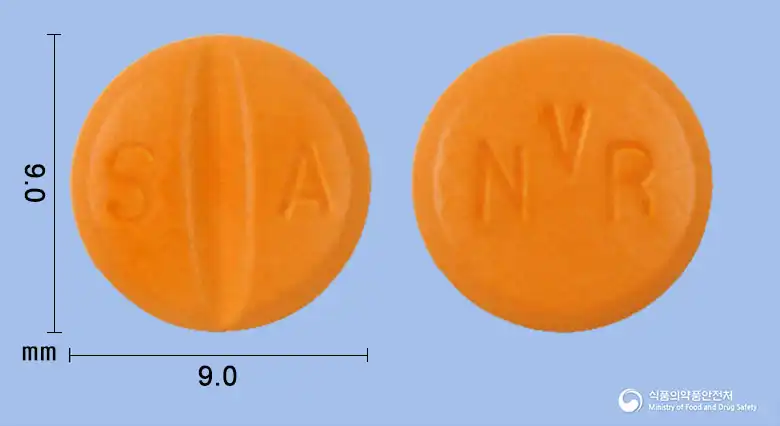
Imatinib Mesylate 119.5mg
Tablet · Prescription medication
Korea Novartis Co., Ltd.
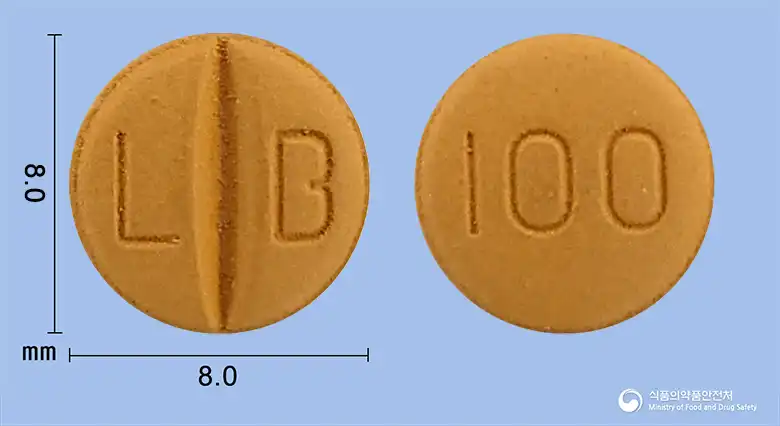
Imatinib Mesylate 119.5mg
Tablet · Prescription medication
Jongkundang Co., Ltd.
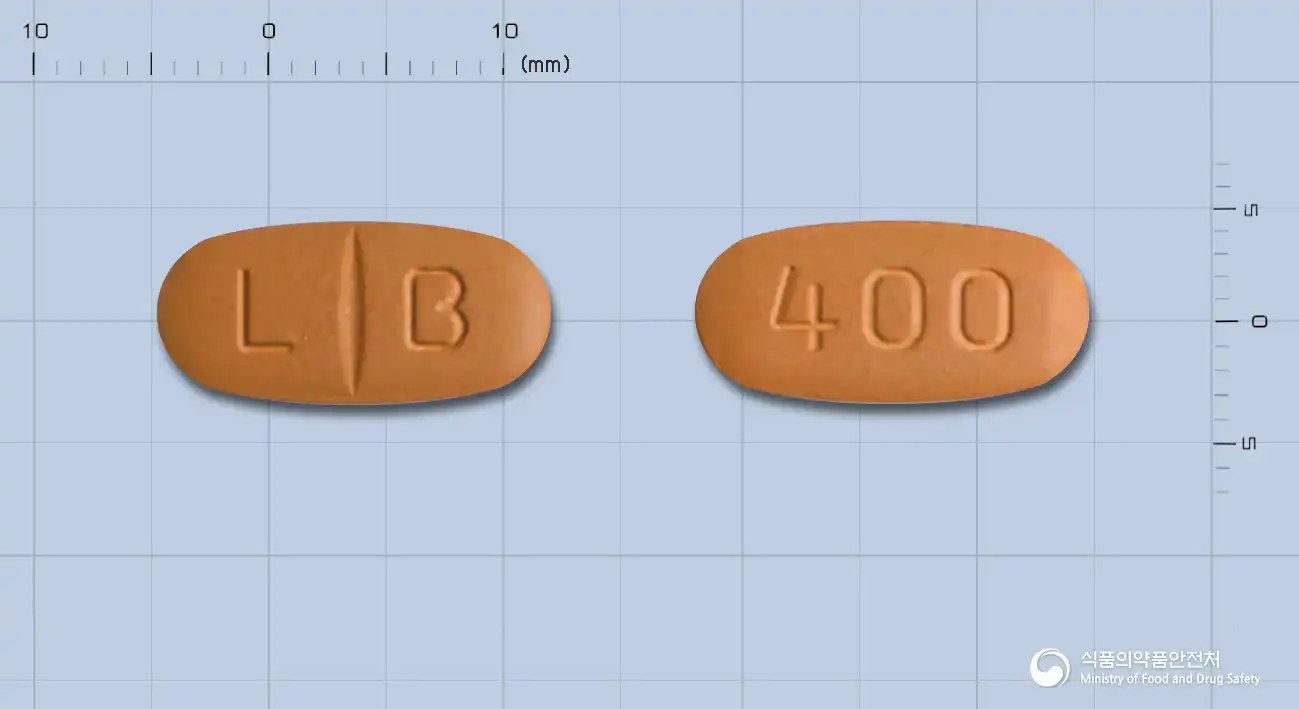
Imatinib Mesylate 478mg
Tablet · Prescription medication
Jongkundang Co., Ltd.
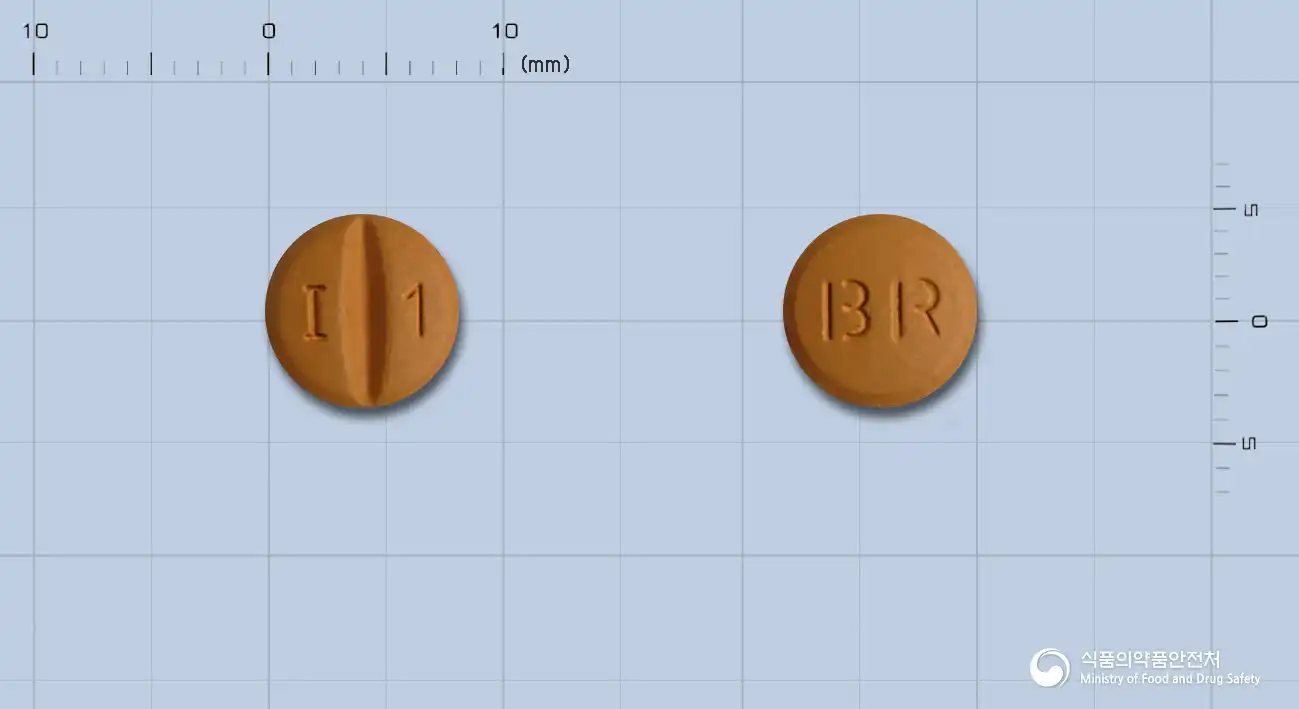
Imatinib Mesylate 119.5mg
Tablet · Prescription medication
Boryung Pharmaceutical Co., Ltd.
Imatinib Mesylate
Prescription medication
IlDong Pharmaceutical Co., Ltd.
Imatinib Mesylate 478mg
Tablet · Prescription medication
Hanmi Pharmaceutical Co., Ltd.
Imatinib Mesylate
Prescription medication
Il Dong Pharmaceutical Co., Ltd.
Even with the same ingredient, the dose and directions can differ by strength and dosage form. Talk to a doctor or pharmacist before switching from a medication you are already taking.
No questions yet.
For anything that needs medical judgment, consult a doctor or pharmacist.
This drug information is based on data provided by the Korea Ministry of Food and Drug Safety.
Consult a doctor or pharmacist for accurate dosage, administration, and usage instructions.