
 한국어
 English
 日本語
 中文(简体)
Dosage form image
Viewing nowCephodoxic Dry Syrup (Cephodoxic Proxetil)
Cefpodoxime Proxetil 5g
Syrup · Prescription medication
Hanmi Pharmaceutical Co., Ltd.
MFDS item code 201306378 · Approved 2013.03.22 · Insurance code 643506541
Treatment of respiratory and ear, nose, and throat infections, scarlet fever, skin infections, and urinary tract infections
This medication acts effectively against various bacteria such as Staphylococcus, Streptococcus, and Streptococcus pneumoniae. It is primarily used to treat skin infections like boils and impetigo, as well as inflammatory diseases such as cellulitis, lymphangitis, and subcutaneous abscesses. It also aids in the treatment of respiratory tract infections like pharyngitis, tonsillitis, acute bronchitis, and pneumonia. Additionally, it is useful for treating urinary tract infections such as pyelonephritis and cystitis, as well as infections in the ear and nose areas like otitis media and sinusitis. It is also used in the treatment of infectious diseases such as scarlet fever. Thus, it is widely used for treating various bacterial infections.
For cases considered severe or inadequately effective, administer 4.5 mg (potency) per kg of body weight orally three times a day. Adjust dosage appropriately based on age, symptoms, etc.
Infants and children: Cefpodoxime 3 mg (potency) per kg of body weight per dose, 2~3 times daily. Suspend before use and administer orally. For severe cases or cases considered to have an insufficient response, administer cefpodoxime 4.5 mg (potency) per kg of body weight per dose orally 3 times daily. Adjust the dose appropriately according to age, symptoms, etc.
This medication has a defined maximum allowable dosage that can be taken in one day, so care must be taken not to exceed the prescribed dosage. This medication contains the ingredient aspartame, which is regulated to be below the daily intake recommended by the World Health Organization (WHO). It should not be used in patients who have previously taken this medication and experienced severe allergic reactions or shock. Patients who have an allergy to this medication or cephalosporin antibiotics or have a history of hypersensitivity reactions should generally not receive this treatment unless special circumstances apply. Patients with a penicillin allergy should also exercise caution when using this medication. Patients with constitutive allergic symptoms, such as bronchial asthma or skin rashes, should use this medication carefully. Severely impaired renal function may slow the excretion of this medication from the body, necessitating dosage adjustment and monitoring. Patients who have difficulty taking medication orally or are receiving non-oral nutrition, elderly patients, or those in poor general condition should be closely monitored as they may exhibit signs of vitamin K deficiency. This medication contains a dye known as Yellow No. 5, so patients with known allergies or a history of hypersensitivity to this dye should use it cautiously. This medication can rarely cause severe allergic reactions or shock, so if any symptoms such as discomfort, abnormal sensations in the mouth, difficulty breathing, dizziness, or sweating occur during use, the medication should be discontinued immediately and healthcare consultation should be sought. If allergic symptoms such as skin rashes, hives, itching, or fever develop, the medication should be stopped, and appropriate treatment should be obtained. Since this medication can affect the gastrointestinal system, if abdominal pain, diarrhea, or bloody stools occur, the medication should be stopped immediately and medical treatment should be sought. If respiratory symptoms or abnormalities in the lungs arise, such as difficulty breathing, coughing, or fever, the healthcare provider should be notified. Since blood tests may show changes in white blood cell or platelet counts, regular testing is required during long-term use. This medication may affect the neurological system, so caution is advised in patients with impaired renal function as seizures or behavioral changes may occur. There may rarely be severe skin reactions, so if any skin abnormalities arise, the medication should be promptly discontinued and medical consultation should be sought. Liver function test values may rise, and if symptoms occur, testing should be conducted. Deterioration of renal function may occur, so renal function tests should be performed regularly, and if abnormalities are noted, the medication should be discontinued. Candidiasis or oral thrush may occur. Signs of vitamin K and vitamin B complex deficiencies may rarely appear, so caution regarding bleeding tendencies or neurological symptoms is necessary. Dizziness may occur while driving or operating machinery, so caution should be exercised. If this medication is taken for more than 10 days, it is advisable to conduct a blood test to check white blood cell counts. In patients with impaired renal function, seizures may occur if the dosage is not adjusted, so caution is required. Caution should also be taken when using this medication alongside diuretics or aminoglycoside antibiotics as they may affect renal function. When taken with probenecid, excretion of this medication may be delayed, increasing serum concentration. Care should be taken when co-administering with drugs that alter gastric acidity, as this may affect absorption rates. The safety during pregnancy is not established, so women who are pregnant or could become pregnant should consult a healthcare provider before use. This medication may be passed through breast milk, so it is recommended that breastfeeding women discontinue nursing while using this medication. The safety for infants, preterm, or children under 2 months has not been established, so special caution is needed for this age group. Elderly patients may show increased sensitivity to adverse reactions due to decreased bodily functions, so dosages and dosing intervals should be adjusted and closely monitored. This medication may influence the results of some clinical tests, so caution should be taken when interpreting the results.
Shock, anaphylactic reaction, discomfort, oral dysesthesia, wheezing, dizziness, diarrhea, tinnitus, sweating, rash, urticaria, erythema, itching, fever, lymphadenopathy, arthralgia, pseudomembranous colitis, bloody stool, severe colitis, abdominal pain, diarrhea, nausea, vomiting, loose stools, gastric pain, loss of appetite, gastric discomfort, constipation, fever, cough, shortness of breath, interstitial pneumonia, eosinophilic lung infiltration, eosinophilia, thrombocytopenia, thrombocytosis, leukopenia, granulocytopenia, cognitive disturbance, behavioral disturbance, convulsion, seizure, Stevens-Johnson syndrome, toxic epidermal necrolysis, drug reaction (DRESS), acute generalized exanthematous pustulosis (AGEP), erythema multiforme, elevated AST, elevated ALT, elevated ALP, elevated LDH, elevated bilirubin, hematuria, elevated BUN, elevated serum creatinine, acute renal failure, stomatitis, candidiasis, symptoms of vitamin K deficiency, hypoprothrombinemia, tendency to bleed, symptoms of vitamin B group deficiency, glossitis, neuritis, headache, edema, sensory disturbances, weakness, malaise
Not everyone experiences these, and they can vary from person to person.
This medication should be stored in a sealed container to protect it from air and moisture. It is important to maintain storage temperature between 1 degree and 30 degrees Celsius. This helps to preserve the medication's efficacy for a longer period.
A light pink dry syrup with a unique flavor that is reconstituted before use.
200mL/bottle
Even with the same ingredient, strength, dosage form and how it is taken can differ.
Cefpodoxime Proxetil 5g
Syrup · Prescription medication
Hanmi Pharmaceutical Co., Ltd.

Cefpodoxime Proxetil 100mg
Tablet · Prescription medication
HK inno.N Co., Ltd.
Cefpodoxime Proxetil 5000mg
Prescription medication
HK inno.N Co., Ltd.
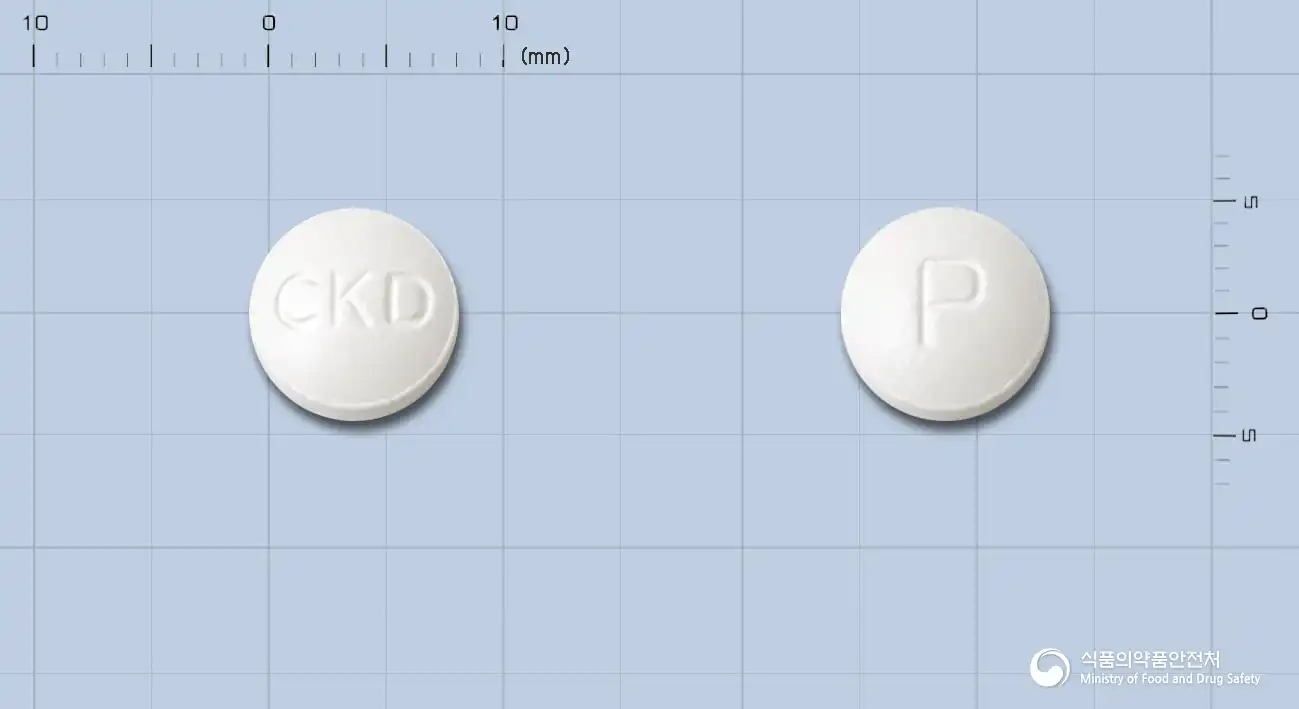
Cefpodoxime Proxetil 100mg
Tablet · Prescription medication
Jongkundang Co., Ltd.

Cefpodoxime Proxetil 100mg
Tablet · Prescription medication
Youngjin Pharmaceutical Co., Ltd.

Cefpodoxime Proxetil 130mg
Tablet · Prescription medication
Hanmi Pharmaceutical Co., Ltd.
Cefpodoxime Proxetil 5000mg
Prescription medication
Jongkundang Co., Ltd.
Cefpodoxime Proxetil
Prescription medication
SK Chemicals Co., Ltd.
Even with the same ingredient, the dose and directions can differ by strength and dosage form. Talk to a doctor or pharmacist before switching from a medication you are already taking.
No questions yet.
For anything that needs medical judgment, consult a doctor or pharmacist.
This drug information is based on data provided by the Korea Ministry of Food and Drug Safety.
Consult a doctor or pharmacist for accurate dosage, administration, and usage instructions.