
 한국어
 English
 日本語
 中文(简体)
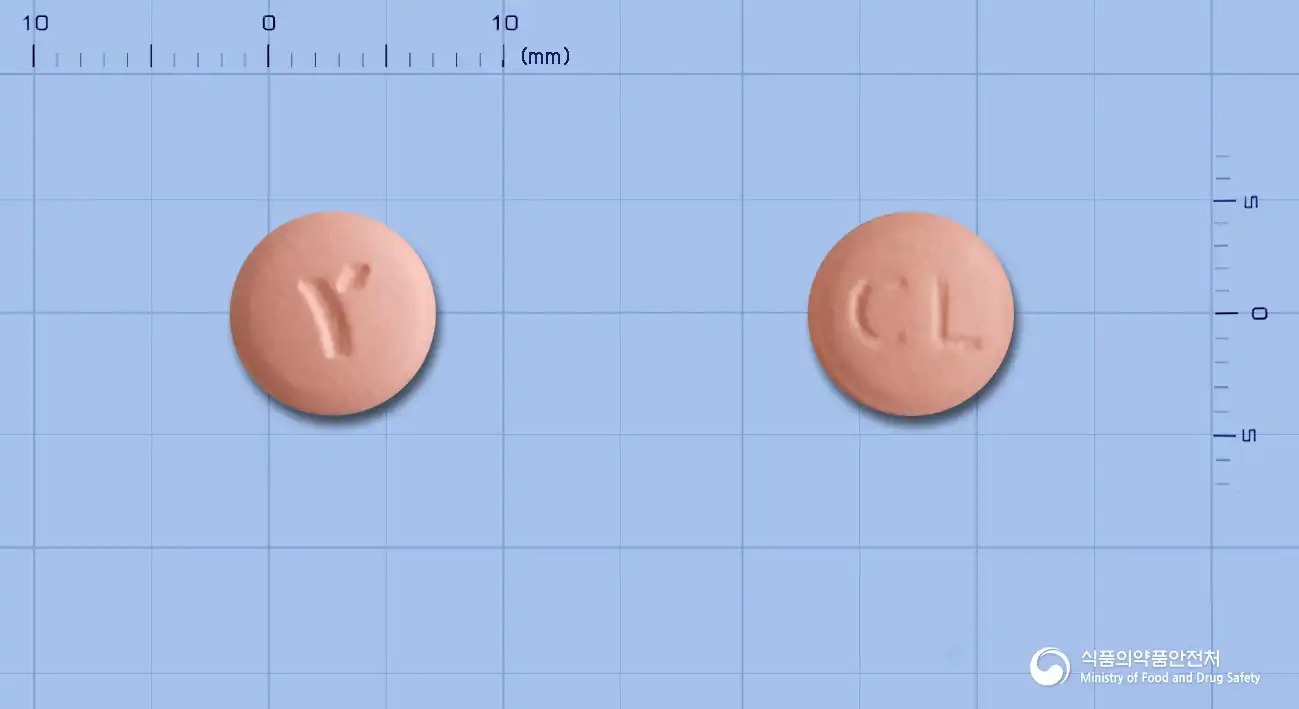 Viewing now
Clopeirel Tablets (Clopidogrel Hydrogen Sulfate)
Clopidogrel Bisulfate 97.875mg
Tablet · Prescription medication
Yooyoung Pharmaceuticals Co., Ltd.
MFDS item code 201306342 · Approved 2013.03.21 · Insurance code 648203620
Improvement of acute coronary syndrome and atherosclerotic symptoms; prevention of thromboembolism in atrial fibrillation
This medication is used to improve atherosclerotic symptoms in adults with ischemic stroke, myocardial infarction, or peripheral artery disease. It also helps to reduce the risk of cardiovascular events in patients with acute coronary syndrome undergoing medical treatment, coronary interventions, or coronary artery bypass surgery. It is effective in reducing the risk of thromboembolism such as stroke in patients with atrial fibrillation who have vascular risk factors and cannot use vitamin K antagonists. In summary, this medicine is used to effectively improve and prevent various symptoms and risks associated with cardiovascular diseases.
○ Adults 1. Patients with ischemic stroke, myocardial infarction, or peripheral arterial disease should take clopidogrel 75 mg orally once daily. 2. Patients with acute coronary syndrome (unstable angina or non-Q-wave myocardial infarction) should start with a loading dose of 300 mg of this medicine once daily on the day treatment is initiated, followed by a maintenance dose of 75 mg orally once daily. Aspirin 75 ~ 325 mg should be administered concomitantly with this medicine once daily. 3. Patients with atrial fibrillation should take 75 mg of this medicine orally once daily. Aspirin 75 ~ 100 mg should be administered concomitantly with this medicine once daily. ○ Patients with renal impairment: Treatment experience in patients with renal impairment is limited. ○ Patients with hepatic impairment: Treatment experience in patients with moderate liver disease and a bleeding diathesis is limited. This medicine may be taken with or without food.
This medication helps prevent platelets from aggregating so that blood flows properly. Individuals who have genetically low activity of a specific enzyme (CYP2C19) may find this medication less effective; in such cases, treatment adjustments should be discussed with a physician. Taking this medication in conjunction with drugs that activate specific enzymes may increase the risk of bleeding, so it is best to avoid concurrent use. Patients with allergies to this medication or its components, those with active bleeding, patients with severe liver dysfunction, breastfeeding women, and those with lactose issues should not take this medication. Patients with a high risk of bleeding or abnormalities in blood coagulation should be very cautious when taking this medication. Patients scheduled for surgery should discontinue this medication 5 to 7 days before the procedure and resume only after hemostasis has been achieved. Using this medication along with other drugs that increase bleeding risk may further elevate the risk of bleeding; consult a physician for advice. During treatment with this medication, if any symptoms of bleeding or unusual symptoms occur, patients should promptly inform a healthcare provider. This medication can rarely cause serious side effects such as a rapid decrease in blood cell counts; if fever or signs of infection appear, immediate consultation with a healthcare provider is advised. Mild side effects may include gastrointestinal discomfort, diarrhea, skin rash, headache, dizziness, etc., while severe bleeding or allergic reactions have been rarely reported. While the risk to the fetus during pregnancy is not significant, the risk of bleeding during delivery increases, so it's safer to discontinue use prior to childbirth. If breastfeeding, because this medication may be excreted in milk, consult a doctor regarding whether to continue breastfeeding or cease intake of the medication. Safety and efficacy for children have not been established, hence it is not used in pediatric patients. Elderly patients may have diminished physiological function, increasing bleeding risk, so dosage adjustments and careful monitoring are required. Overdose may lead to increased bleeding; always adhere to the prescribed dosage and in case of overdose, platelet transfusion and other treatments may be necessary. Store this medication out of reach of children and do not transfer it to another container. Always inform healthcare providers before starting any new medication that you are currently taking this medication and consult a clinician immediately if bleeding symptoms arise.
Not everyone experiences these, and they can vary from person to person.
This medication should be stored in a tightly closed container, protected from air and moisture, and at room temperature between 1 degree and 30 degrees Celsius. This storage method will help preserve the medication's effectiveness and prevent degradation.
Pink round film-coated tablets
30 tablets/bottle, 300 tablets/bottle
Even with the same ingredient, strength, dosage form and how it is taken can differ.
Viewing nowClopidogrel Bisulfate 97.875mg
Tablet · Prescription medication
Yooyoung Pharmaceuticals Co., Ltd.
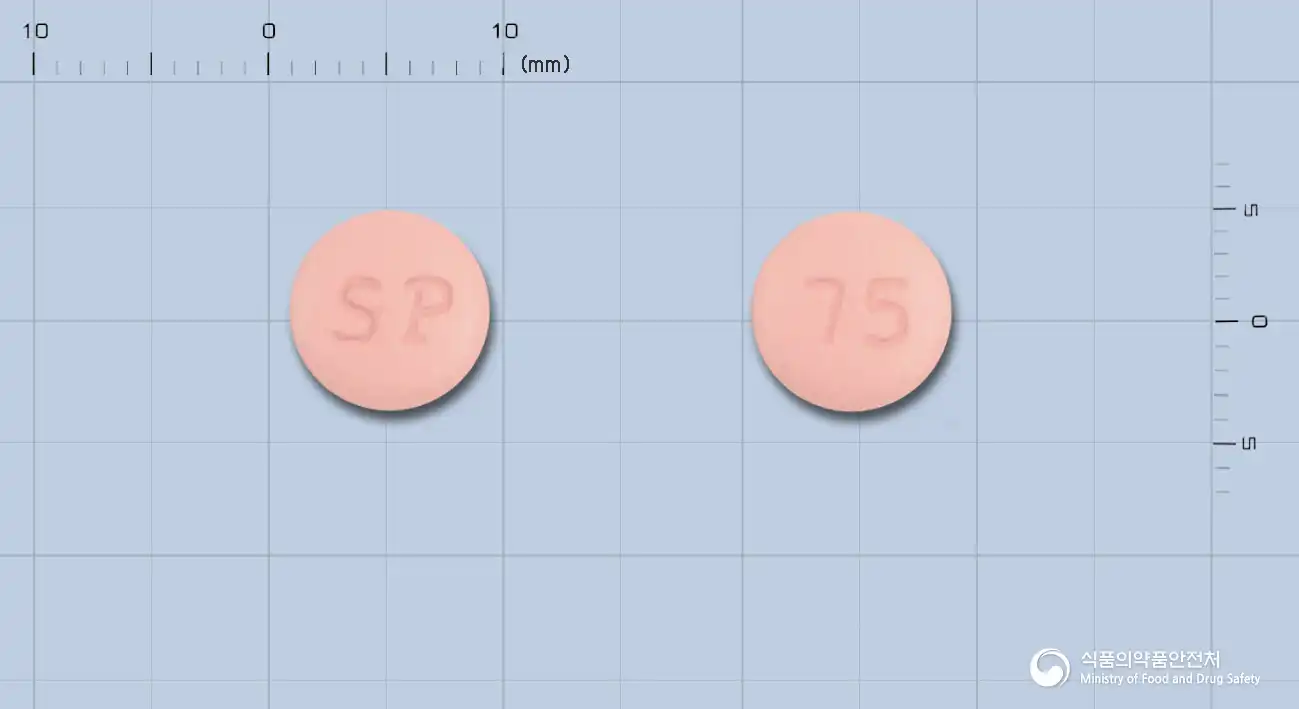
Clopidogrel Bisulfate 97.875mg
Tablet · Prescription medication
Shinpoong Pharmaceutical Co., Ltd.
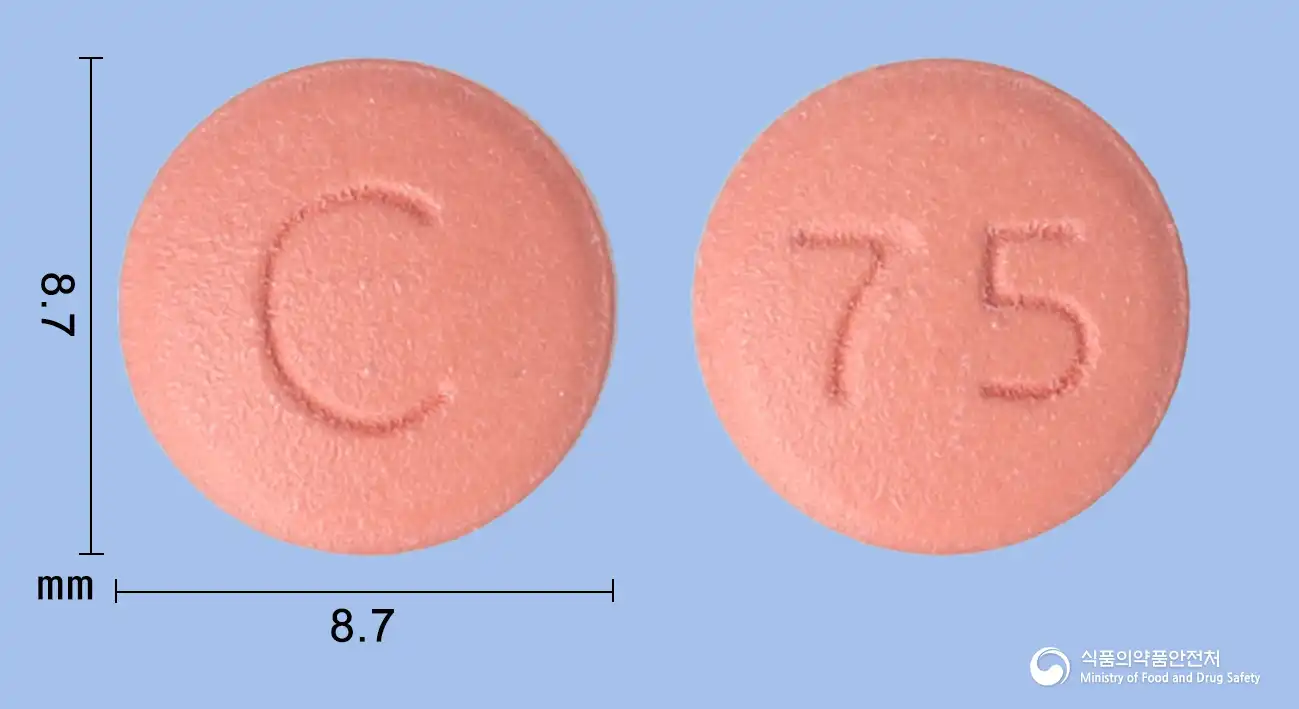
Clopidogrel Bisulfate 97.875mg
Tablet · Prescription medication
Dong-A ST Co., Ltd.
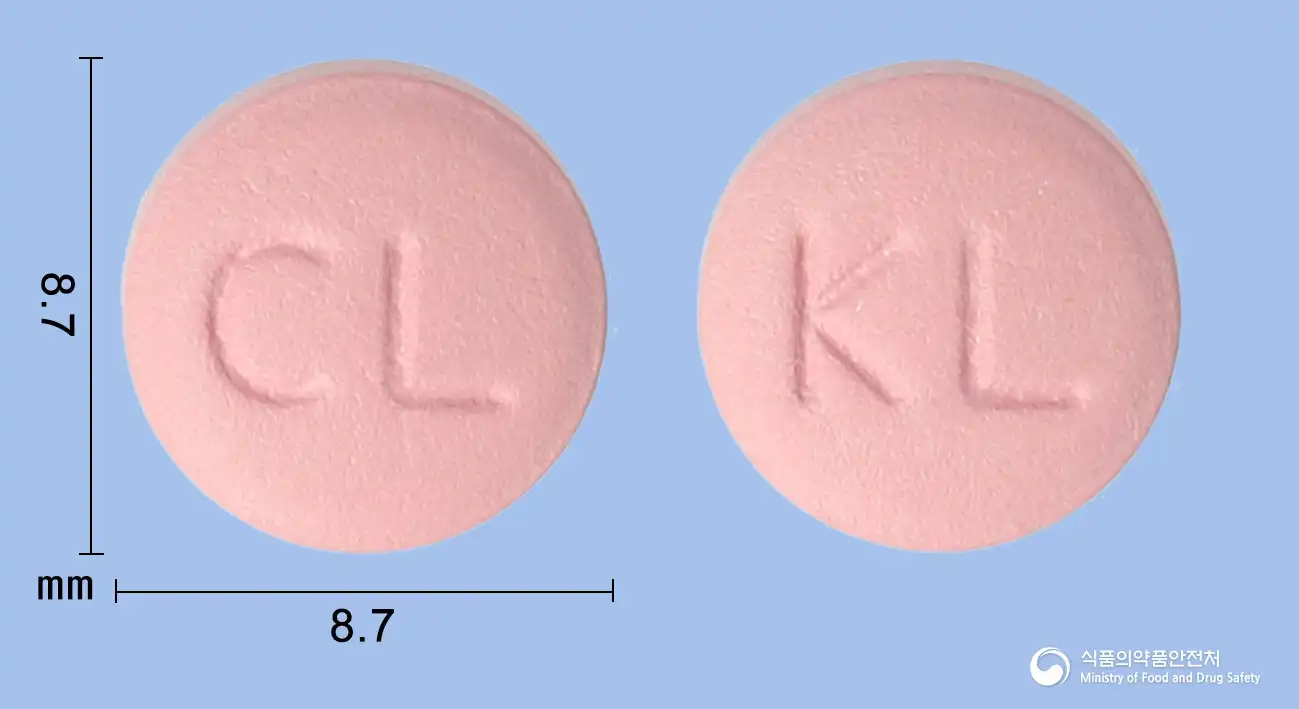
Clopidogrel Bisulfate 97.875mg
Tablet · Prescription medication
Kolon Pharmaceutical Co., Ltd.
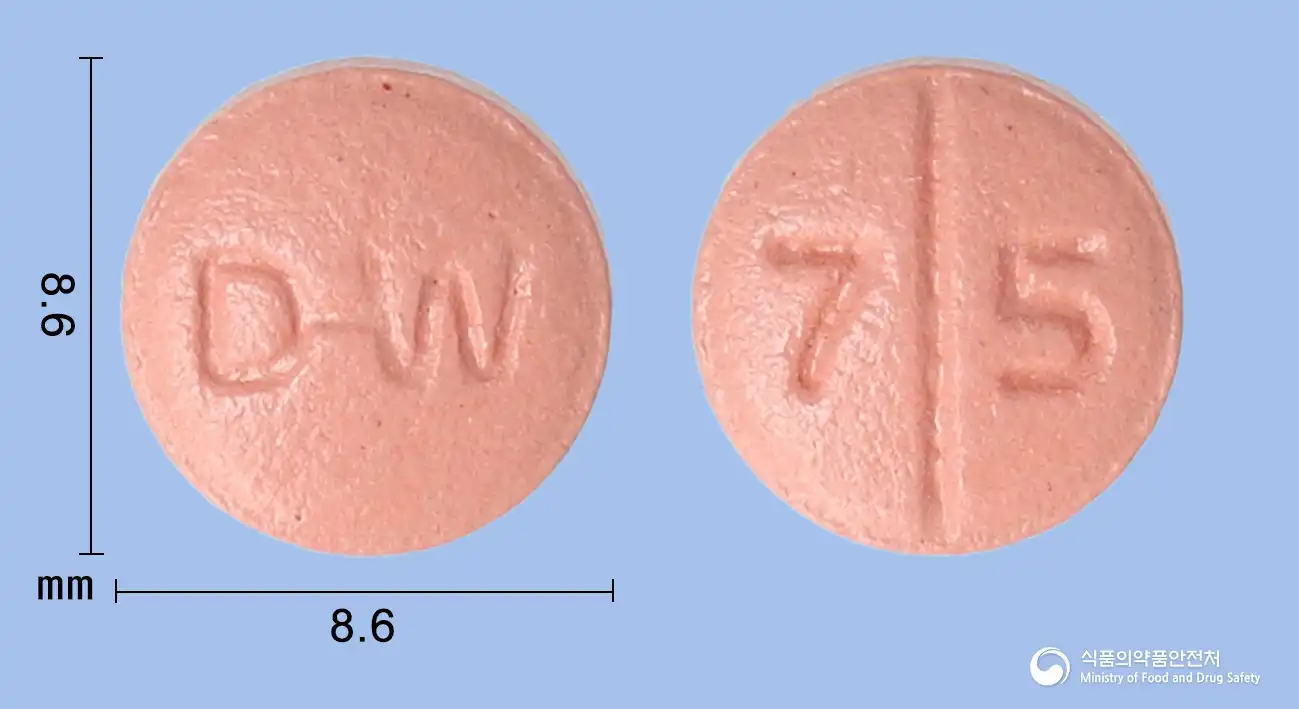
Clopidogrel Bisulfate 97.875mg
Tablet · Prescription medication
Dongwha Pharmaceutical Co., Ltd.
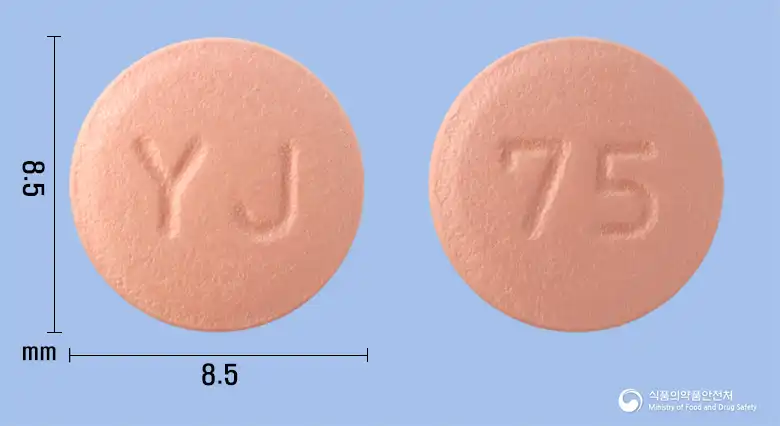
Clopidogrel Bisulfate 97.875mg
Tablet · Prescription medication
Youngjin Pharmaceutical Co., Ltd.
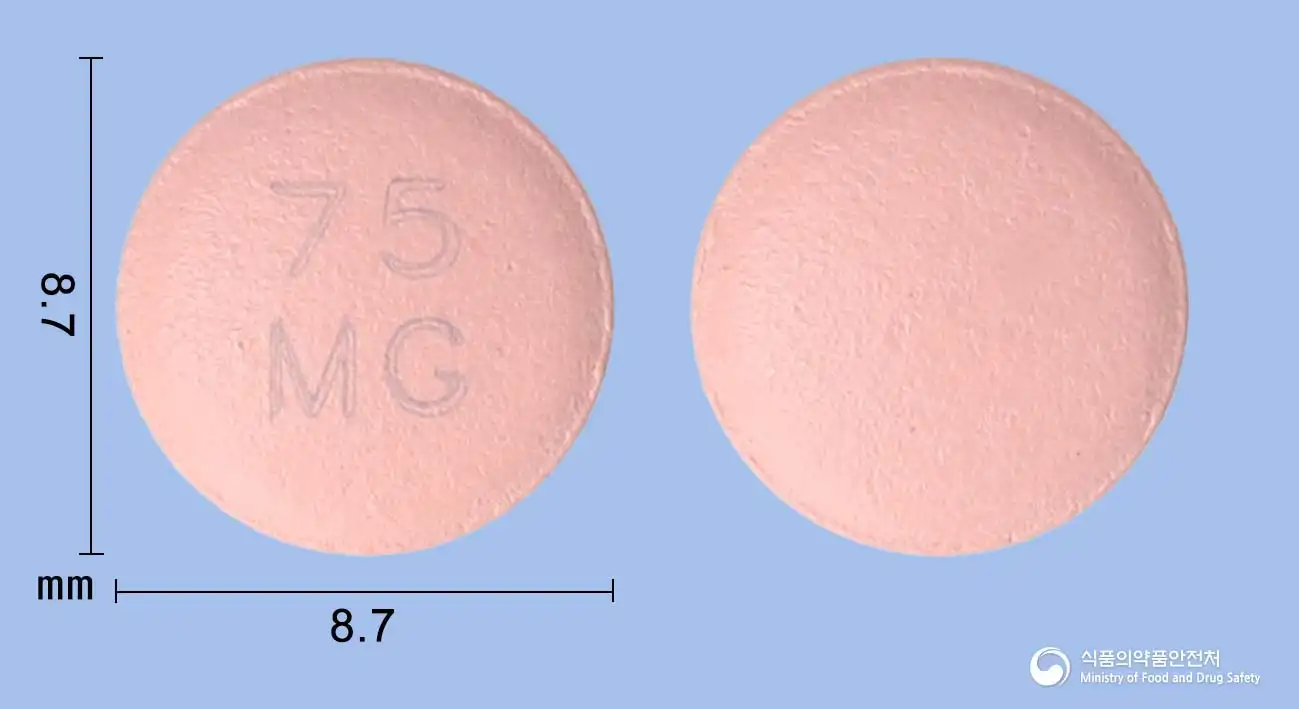
Clopidogrel Bisulfate 97.875mg
Tablet · Prescription medication
Albozen Korea Co., Ltd.
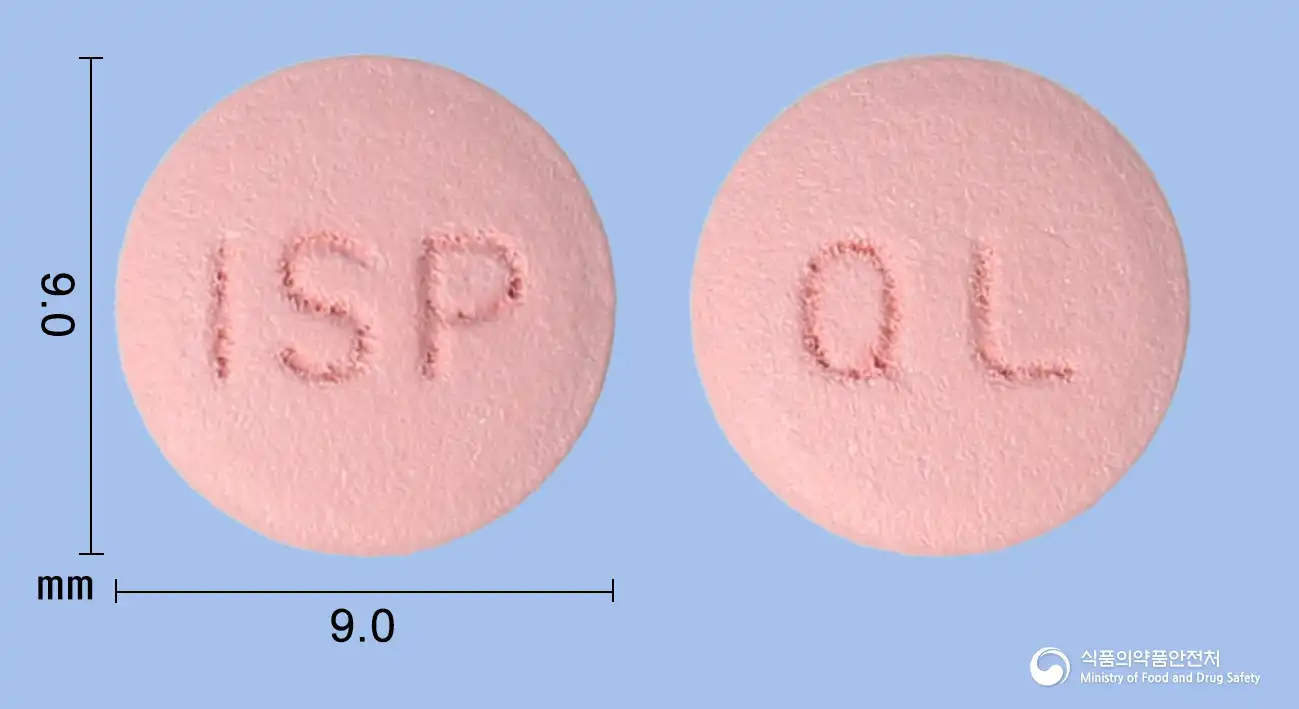
Clopidogrel Bisulfate 97.875mg
Tablet · Prescription medication
Ilsung IS Co., Ltd.
Even with the same ingredient, the dose and directions can differ by strength and dosage form. Talk to a doctor or pharmacist before switching from a medication you are already taking.
No questions yet.
For anything that needs medical judgment, consult a doctor or pharmacist.
This drug information is based on data provided by the Korea Ministry of Food and Drug Safety.
Consult a doctor or pharmacist for accurate dosage, administration, and usage instructions.