
 한국어
한국어 English
 日本語
日本語 中文(简体)
 Viewing nowCombination
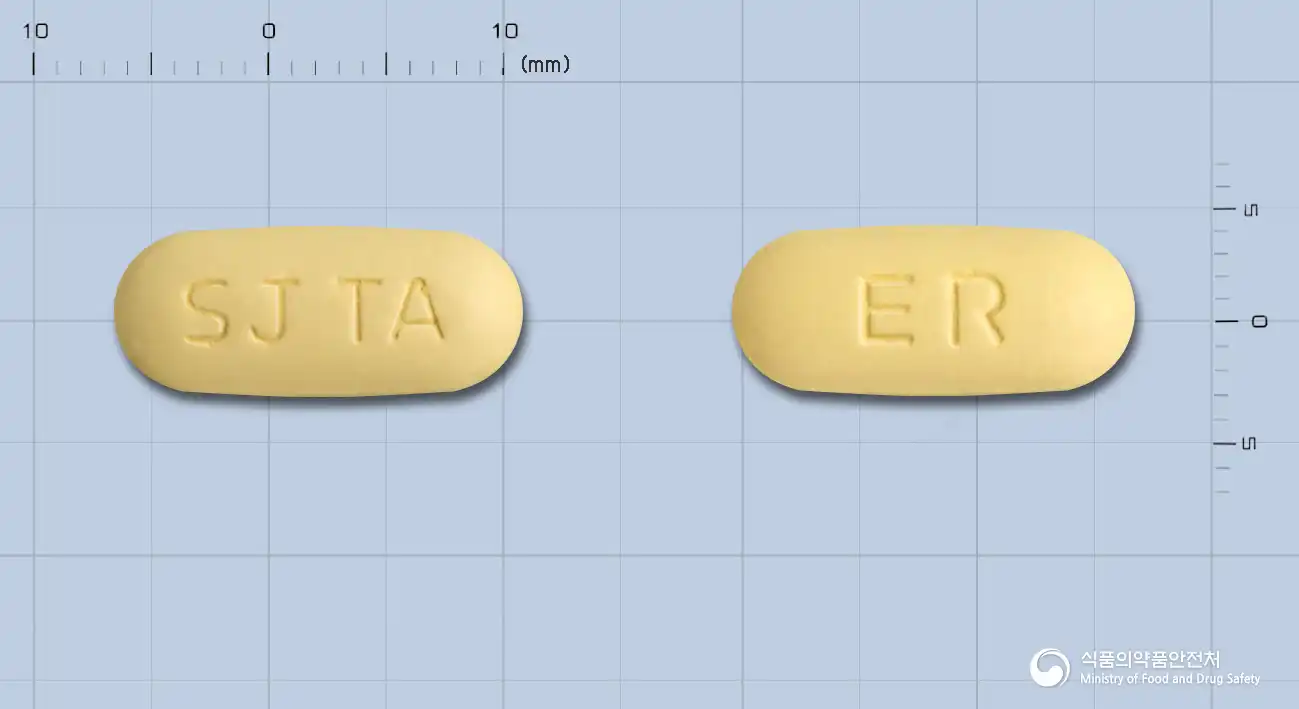
Synergist ER Tablets
Tramadol Hydrochloride 75mg · Acetaminophen 325mg
Tablet · Prescription medication · Combination
Samjin Pharmaceutical Co., Ltd.
MFDS item code 201306118 · Approved 2013.03.08 · Insurance code 647803730
Relief of moderate to severe acute and chronic pain
This medication is used to relieve moderate to severe acute and chronic pain.
A single dose of 1 tablet is recommended, with the interval between doses being at least 12 hours thereafter, ensuring not to exceed 4 tablets per day. If long-term treatment is required, regular monitoring should be conducted to determine the continuation of treatment. For the elderly, a standard adult dose is administered, but for individuals over 75 years old, the dosing interval should be at least 12 hours or longer.
This medication may cause liver damage if taken by individuals who regularly consume more than three alcoholic beverages per day, so consult a doctor or pharmacist before use. One of the ingredients in this medication can, rarely, cause dangerous skin reactions such as serious rashes, blisters, or severe skin necrosis, and if any rash or allergic symptoms appear after taking this medication, discontinue use immediately. Taking tramadol beyond the recommended dosage may increase the risk of seizures, especially when combined with certain antidepressants or other narcotic analgesics. Rarely, serious allergic reactions may occur while taking this medication, so if sudden difficulty in breathing or hives occur, notify healthcare professionals immediately. When administering this medication to patients with acute bronchial asthma, there is a risk of severe respiratory suppression, so it must be administered with careful monitoring in a facility equipped with medical equipment. Combining this medication with alcohol or central nervous system depressants can lead to severe drowsiness, respiratory suppression, coma, or death, thus extreme caution is required when used in conjunction with such substances. Patients with head injuries or brain diseases should be cautious, as taking this medication may increase the risk of raised intracranial pressure and respiratory suppression. This medication can cause both psychological and physical dependence, so long-term users should closely monitor for signs of dependency. Patients with impaired liver function should consult a doctor before taking this medication due to the risk of liver damage from acetaminophen, one of its ingredients. Patients with certain genotypes may metabolize this medication rapidly, resulting in higher blood levels of the active ingredients and an increased risk of respiratory suppression; dosage adjustment and symptom monitoring are necessary for these patients. This medication should not be administered to children under 12 years old or adolescents under 18 who have undergone tonsillectomy or adenoidectomy, and adolescents aged 12 to 18 with special risk factors should also avoid taking the drug. Low sodium levels in the blood (hyponatremia) can occur during the use of this medication, and especially in elderly patients or those with risk factors, regular blood tests and symptom monitoring are required. This medication should not be taken by individuals who have hypersensitivity to certain ingredients, who are intoxicated by central nervous system agents, who are suffering from severe respiratory depression, who have head injuries, who have taken MAO inhibitors within the last 14 days, or who have severe liver, kidney, or heart dysfunction, as well as children under 12 years of age, and nursing mothers. Dependency and withdrawal symptoms can occur when this medication is used in combination with other opioid medications, so patients with opioid dependence should avoid its use. Abrupt discontinuation of this medication may lead to withdrawal symptoms such as anxiety, insomnia, sweating, nausea, and tremors; therefore, the dosage should be gradually reduced according to a doctor's instructions when discontinuing. This medication may cause drowsiness or dizziness, so caution should be exercised after taking it when driving or operating machinery. In case of overdose, respiratory suppression, coma, and liver damage may occur, making it essential to seek emergency treatment immediately, and, if necessary, the administration of an antidote should be undertaken. Do not exceed the recommended dosage while taking this medication, and do not take it in combination with other tramadol or acetaminophen products. Particularly for pregnant or nursing mothers, care should be taken to consider the effects on the fetus or newborn when using this medication, and nursing may need to be discontinued or the drug administration stopped.
Hives, severe swelling (edema), chest tightness, difficulty breathing, cold sweat, paleness, severe rash with fever, blisters, skin peeling, pain in the mouth/eyes mucosa, shortness of breath or difficulty breathing, asthma attacks, cough with fever and respiratory abnormalities, yellowing of skin or eyes (jaundice), extreme lethargy, sudden and severe headache, lightning headache, seizures, altered consciousness, vision abnormalities, paralysis, urination difficulties
Not everyone experiences these, and they can vary from person to person.
This medication should be stored in a tightly closed container to protect it from air and moisture. It is best to maintain storage temperatures between 1 and 30 degrees Celsius.
Pale yellow oblong film-coated extended-release tablet
100 tablets/bottle, 30 tablets/bottle
Even with the same ingredient, strength, dosage form and how it is taken can differ.
Viewing nowCombinationTramadol Hydrochloride 75mg · Acetaminophen 325mg
Tablet · Prescription medication · Combination
Samjin Pharmaceutical Co., Ltd.
 Combination
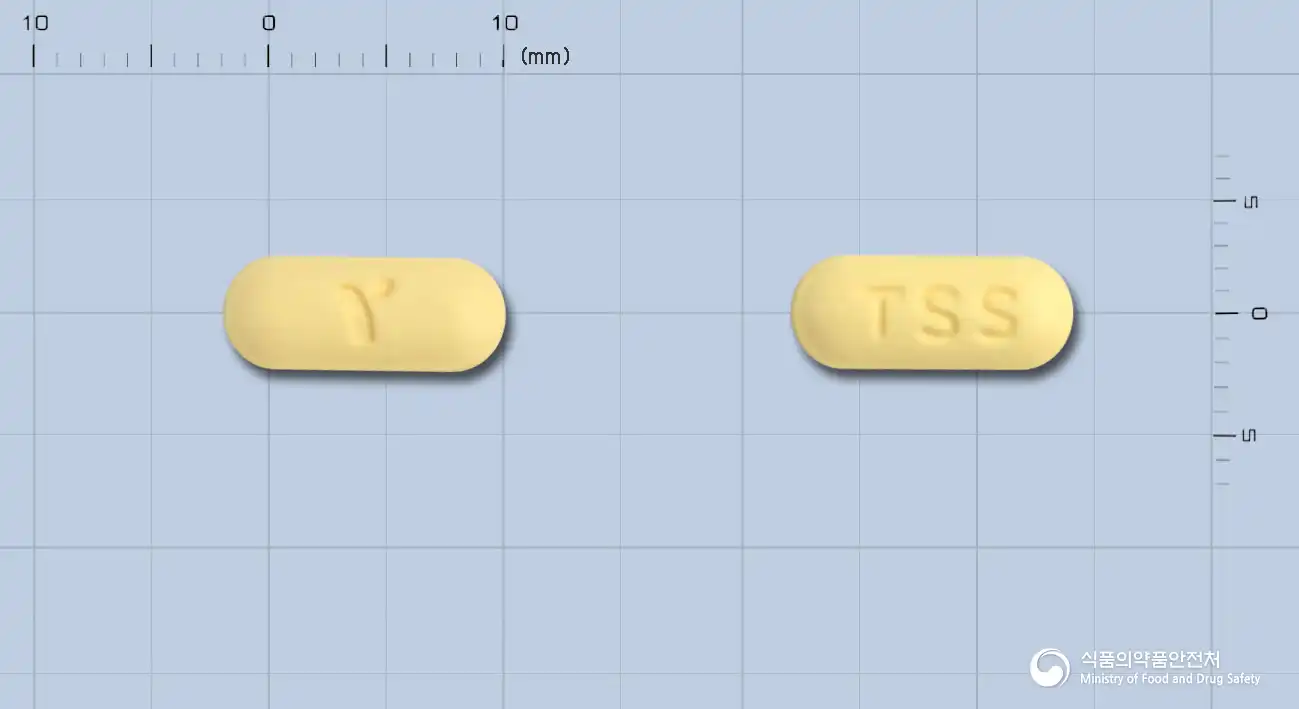
Acetaminophen 162.5mg · Tramadol Hydrochloride 18.75mg
Tablet · Prescription medication · Combination
Yuyoung Pharmaceutical Co., Ltd.
 Combination
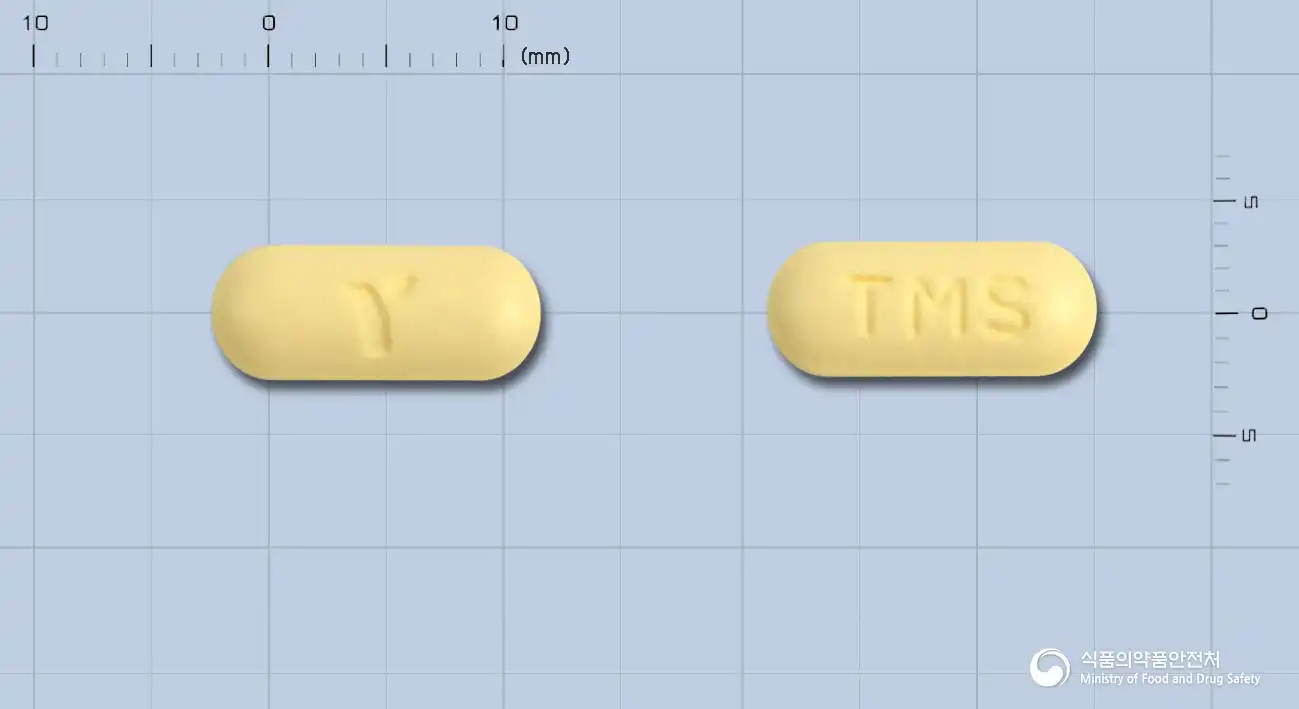
Acetaminophen 325mg · Tramadol Hydrochloride 37.5mg
Tablet · Prescription medication · Combination
Youyoung Pharmaceutical Co., Ltd.
 Combination
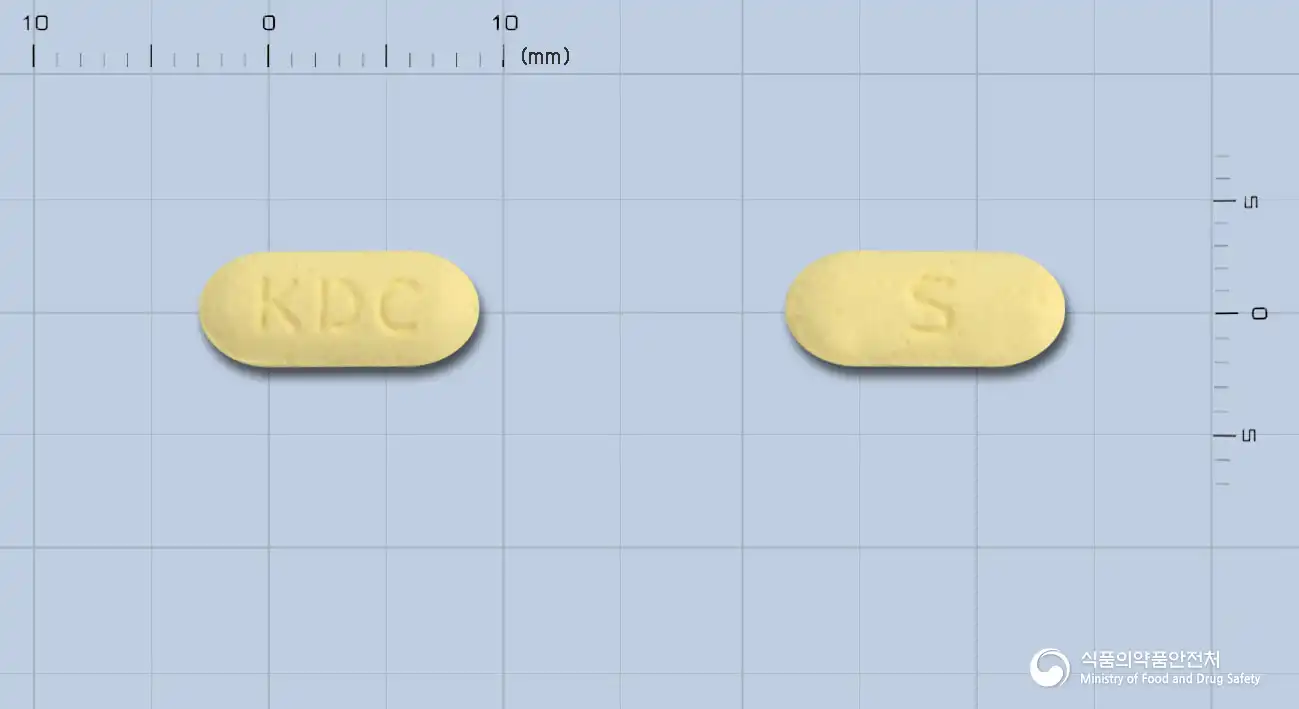
Tramadol Hydrochloride 18.75mg · Acetaminophen 162.5mg
Tablet · Prescription medication · Combination
Korea Pharmaceutical Co., Ltd.
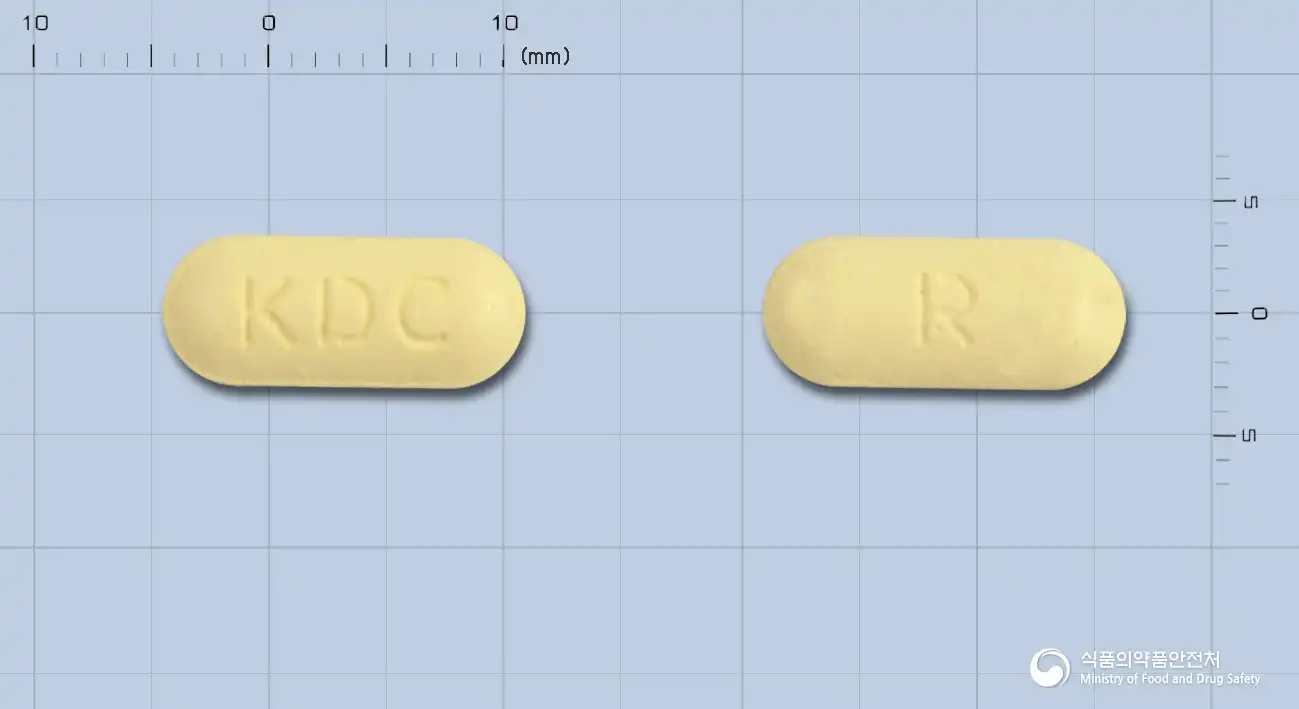 Combination
Tramadol Hydrochloride 37.5mg · Acetaminophen 325mg
Tablet · Prescription medication · Combination
Korea United Pharmaceutical Co., Ltd.
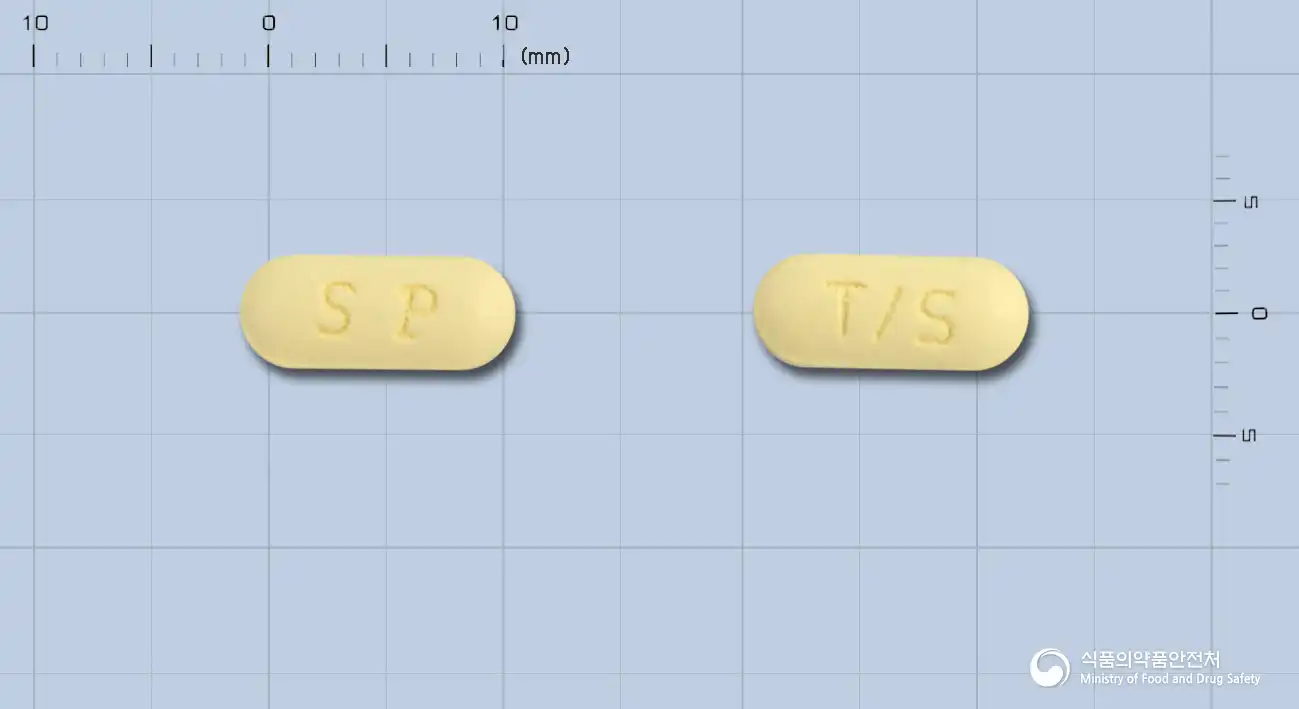 Combination
Acetaminophen 162.5mg · Tramadol Hydrochloride 18.75mg
Tablet · Prescription medication · Combination
Shinpoong Pharmaceutical Co., Ltd.
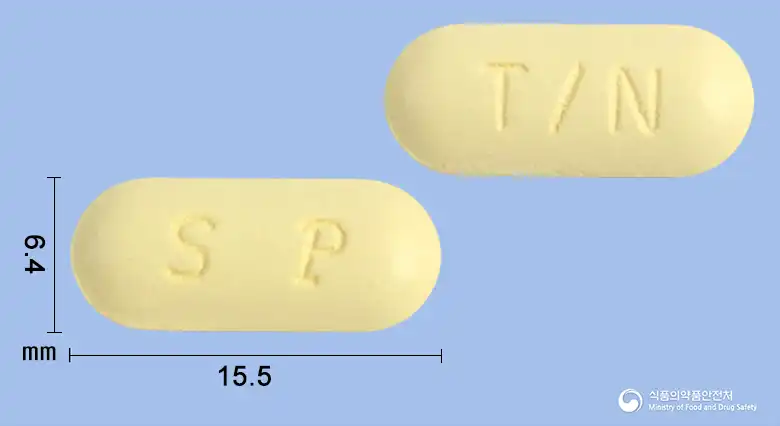 Combination
Acetaminophen 325mg · Tramadol Hydrochloride 37.5mg
Tablet · Prescription medication · Combination
Sinphong Pharmaceutical Co., Ltd.
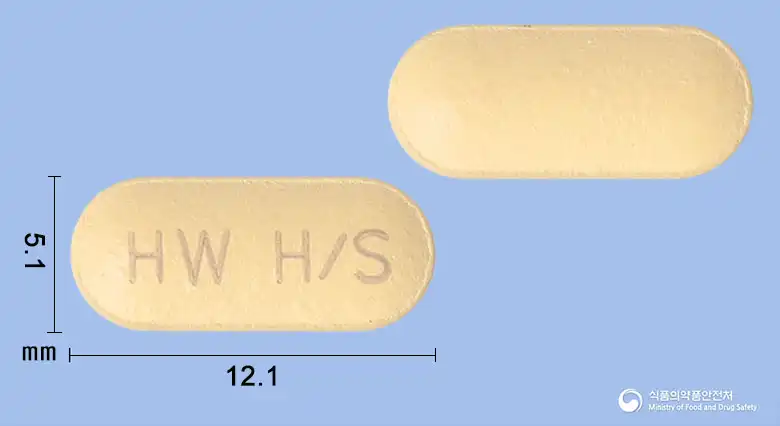 Combination
Acetaminophen 162.5mg · Tramadol Hydrochloride 18.75mg
Tablet · Prescription medication · Combination
Albozen Korea Co., Ltd.
Even with the same ingredient, the dose and directions can differ by strength and dosage form. Talk to a doctor or pharmacist before switching from a medication you are already taking.
No questions yet.
For anything that needs medical judgment, consult a doctor or pharmacist.
This drug information is based on data provided by the Korea Ministry of Food and Drug Safety.
Consult a doctor or pharmacist for accurate dosage, administration, and usage instructions.