
 한국어
 English
 日本語
 中文(简体)
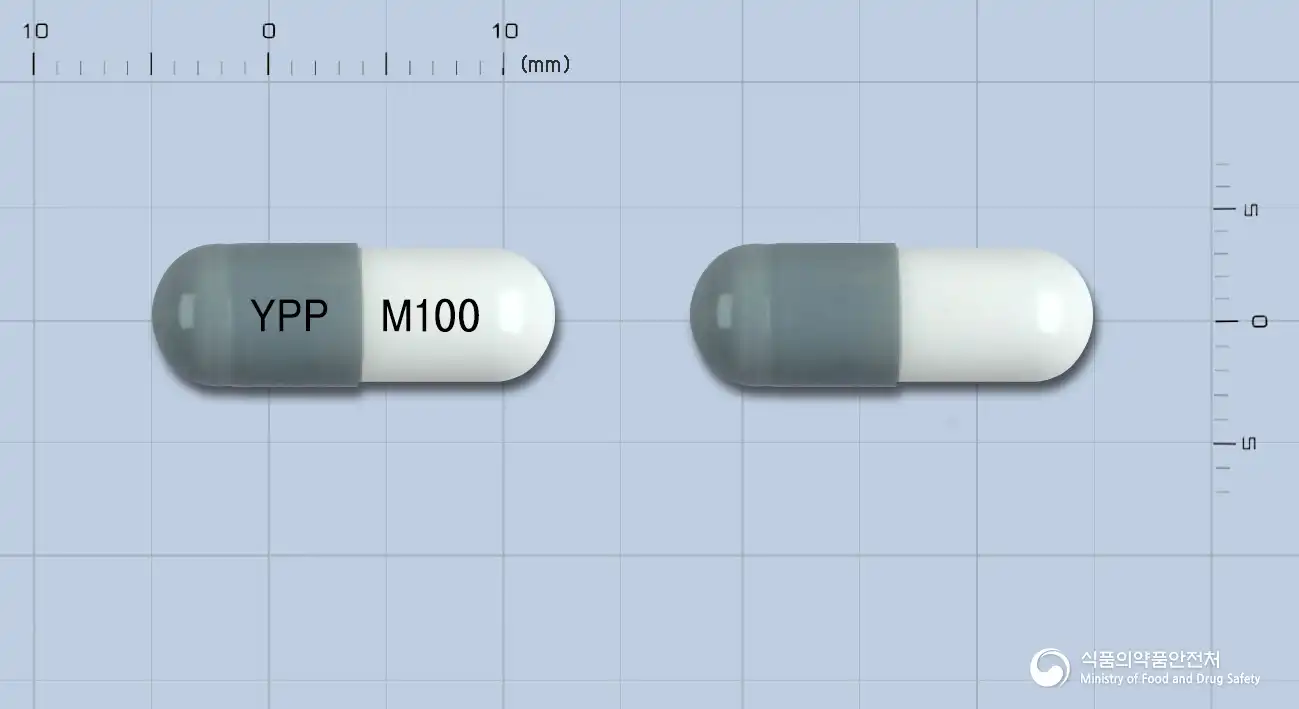 Viewing now
Mucosirin Capsule (Acebrophylline)
Acebrophylline 100mg
Hard capsule · Prescription medication
Youngpoong Pharmaceutical Co., Ltd.
MFDS item code 201305030 · Approved 2013.02.14 · Insurance code 661904130
Treatment of acute and chronic respiratory diseases (bronchitis, bronchial asthma, sinusitis, etc.)
This medicine is used in the treatment of acute and chronic respiratory diseases caused by airway obstruction and mucus secretion disorders, for example, acute and chronic bronchitis, bronchial asthma, sinusitis, and rhinitis.
Adults: Take 100 mg orally twice daily as acebrophylline.
This medicine should not be used in certain patients. For example, patients who are allergic to this medication, its components, or similar types of medications should not take it. Additionally, patients with a history of myocardial infarction, low blood pressure, severely impaired liver or kidney function, and breastfeeding women should also avoid using this medication. Since this medication contains lactose, individuals with a genetic problem that prevents them from digesting lactose should not take it. There are also cautionary points for patients when using this medication. Patients with a history of heart disease, obesity, epilepsy, gastrointestinal issues, hyperthyroidism, elderly and pediatric patients, hypertension patients, those with severe hypoxia, chronic pulmonary disease patients, those with impaired liver or kidney function, and pregnant women or those who may become pregnant should use this medication with caution. Moreover, caution is needed if allergic to the yellow dye included in this medication. When taking this medication, temporary symptoms such as nausea or dizziness may occur, and gastrointestinal issues like dyspepsia, abdominal pain, diarrhea, vomiting, heartburn, and decreased appetite may rarely occur. If symptoms of allergic reactions such as skin rashes, itching, facial swelling, or difficulty breathing occur, discontinue the medication immediately. Additionally, respiratory issues, oral paresthesia, headache, insomnia, arrhythmias, and low blood pressure have also been reported. This medication can be toxic if blood levels become too high, so special caution is needed for individuals with impaired liver or kidney function, the elderly, and alcoholics. Interactions may occur when taken with other medications. Taking it with certain antibiotics, anticoagulants, diuretics, or anticonvulsants may alter the concentration of this medication; therefore, consult a doctor or pharmacist. Furthermore, taking it with other central nervous system stimulants may lead to excessive nervous stimulation. Pregnant women are advised to avoid using this medication, particularly in the early and late stages of pregnancy. Breastfeeding women are also advised to refrain from taking this medication for safety. Elderly or pediatric patients require careful dosage adjustment and monitoring when using this medication. In the case of overdose, severe convulsions or cardiac arrhythmias may occur, and immediate emergency treatment is required, following the guidance of a healthcare professional. This medication should be stored out of reach of children, and transferring it to other containers should be avoided to maintain quality and safety.
Not everyone experiences these, and they can vary from person to person.
This medication may be sensitive to air or moisture, so it should be stored in a tightly sealed container. It is best to maintain a storage temperature between 1 degree Celsius and 30 degrees Celsius to ensure the medication's effectiveness and safety over time.
Capsule with a gray upper part and a white lower part filled with a white to light white powder
30 capsules/bottle, 300 capsules/bottle
Even with the same ingredient, strength, dosage form and how it is taken can differ.
Viewing nowAcebrophylline 100mg
Hard capsule · Prescription medication
Youngpoong Pharmaceutical Co., Ltd.
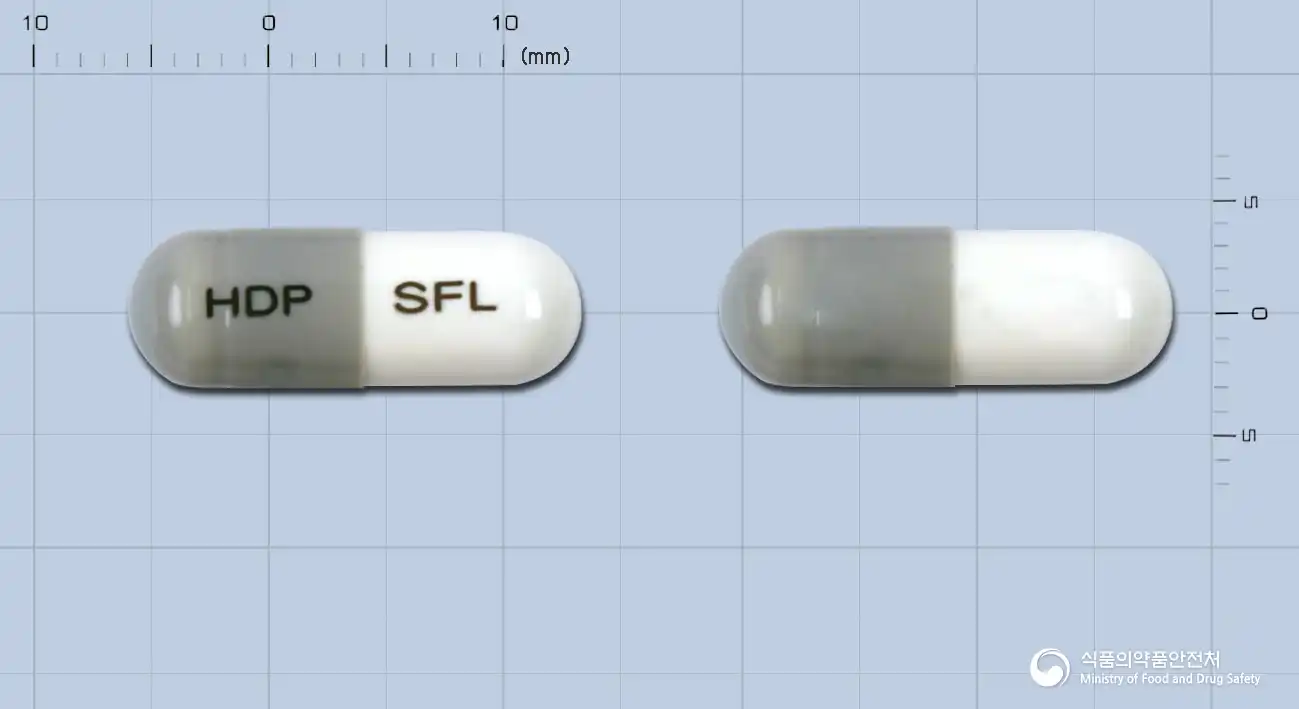
Acebrophylline 100mg
Hard capsule · Prescription medication
HyunDae Pharmaceutical Co., Ltd.
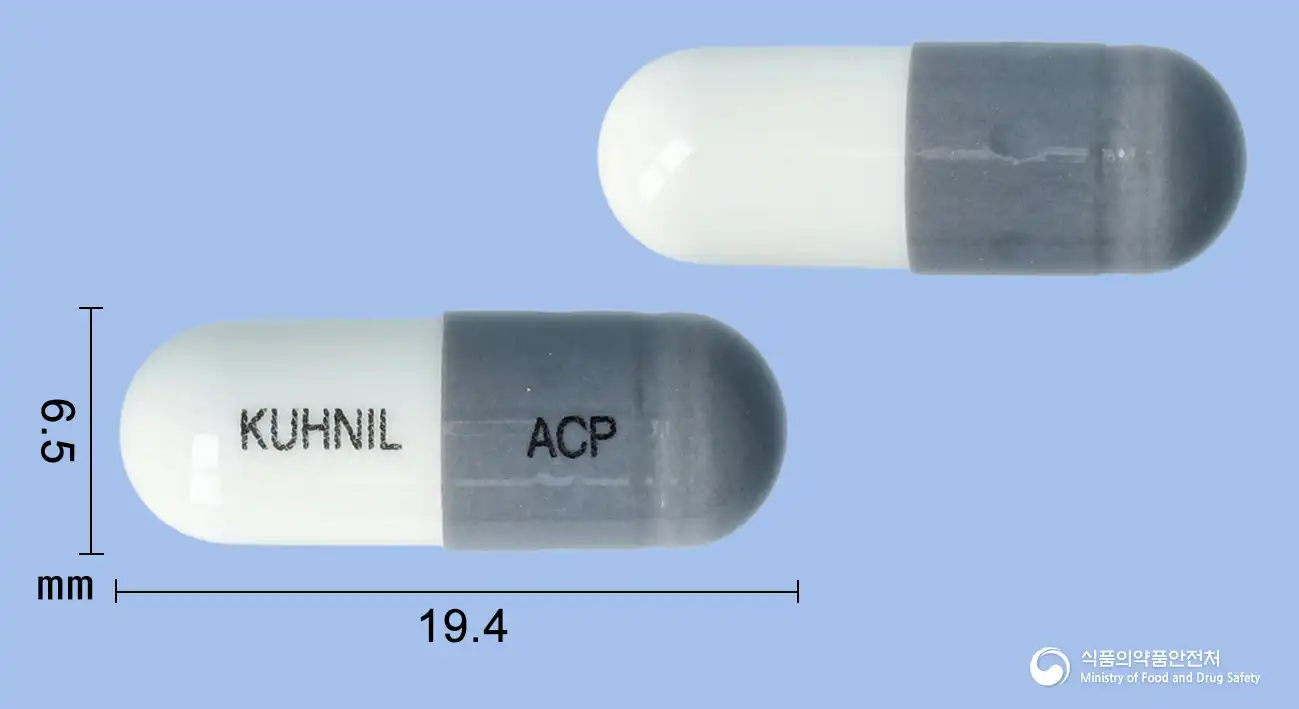
Acebrophylline 100mg
Hard capsule · Prescription medication
Gunil Pharmaceutical Co., Ltd.
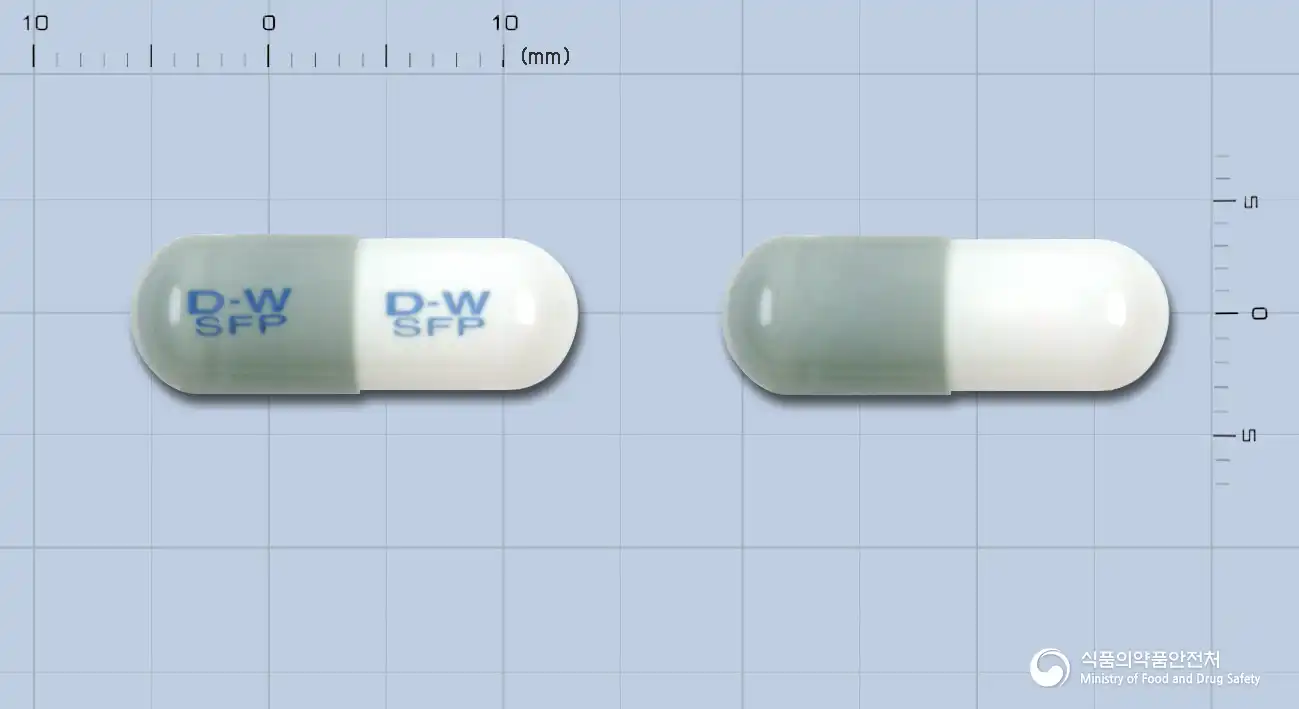
Acebrophylline 100mg
Hard capsule · Prescription medication
Donghwa Pharmaceutical Co., Ltd.
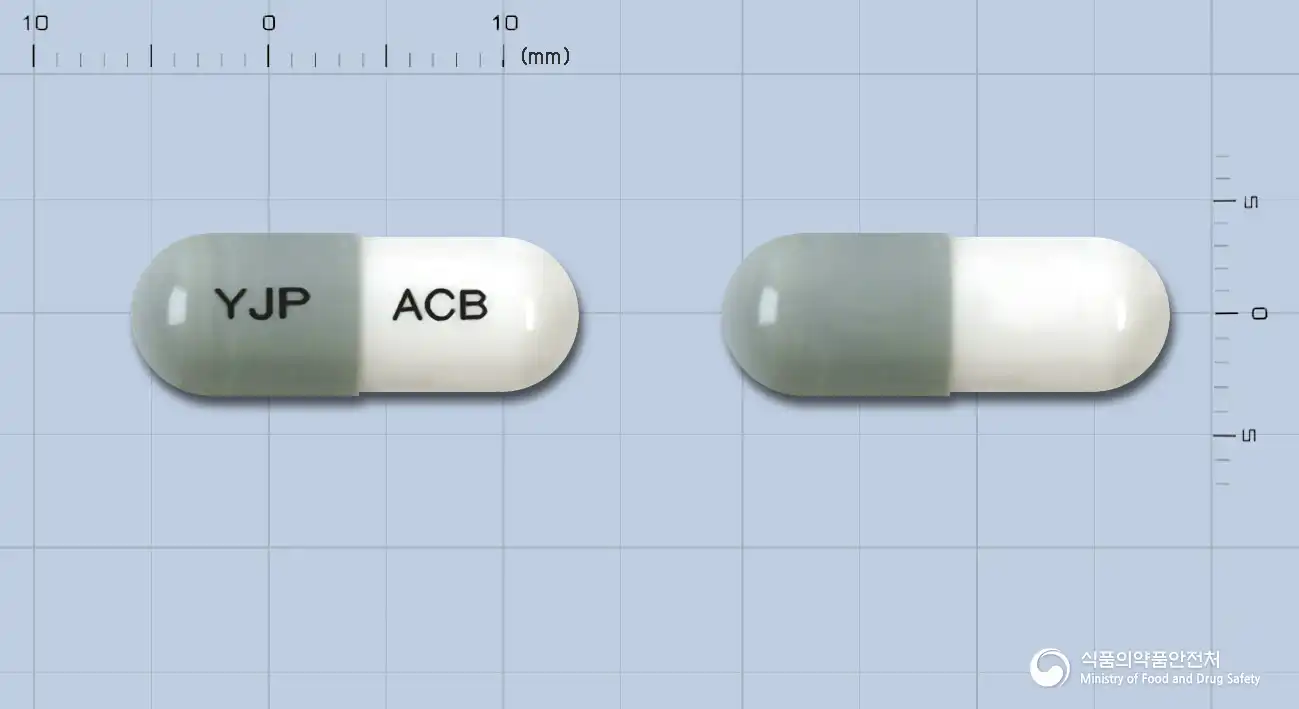
Acebrophylline 100mg
Hard capsule · Prescription medication
Youngjin Pharmaceutical Co., Ltd.
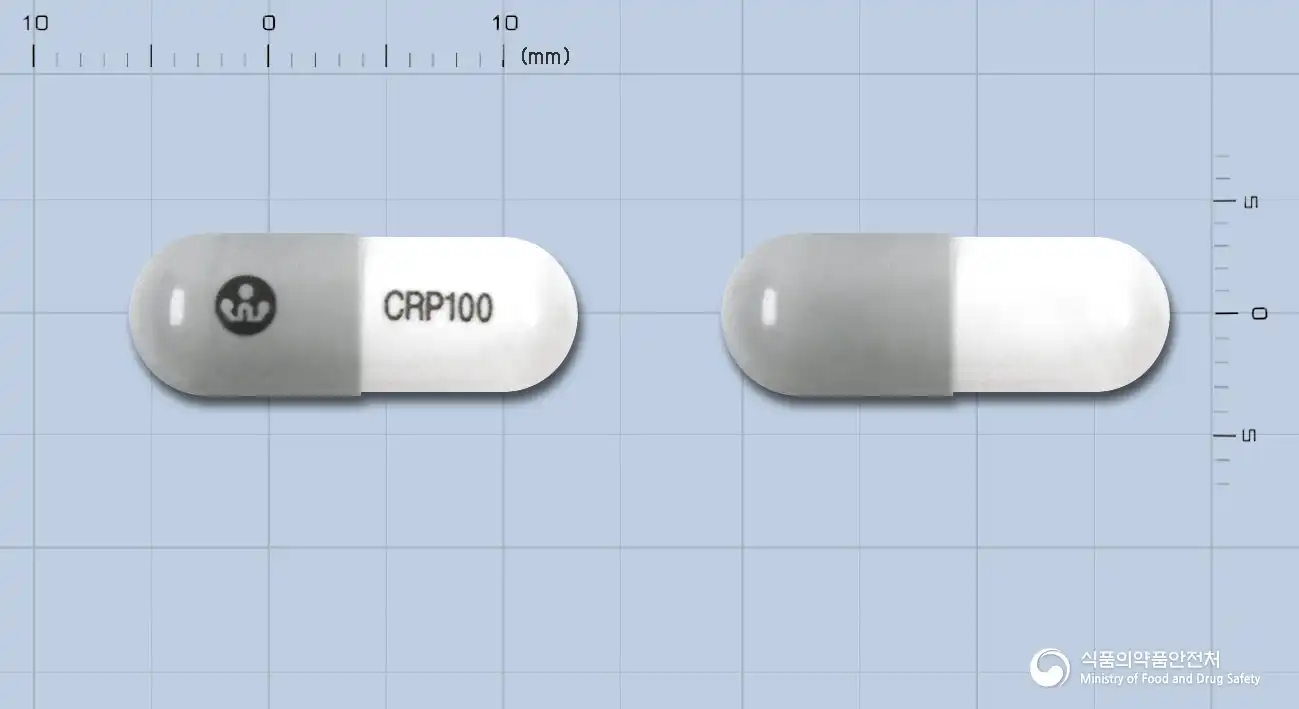
Acebrophylline 100mg
Hard capsule · Prescription medication
Hanin Pharmaceutical Co., Ltd.
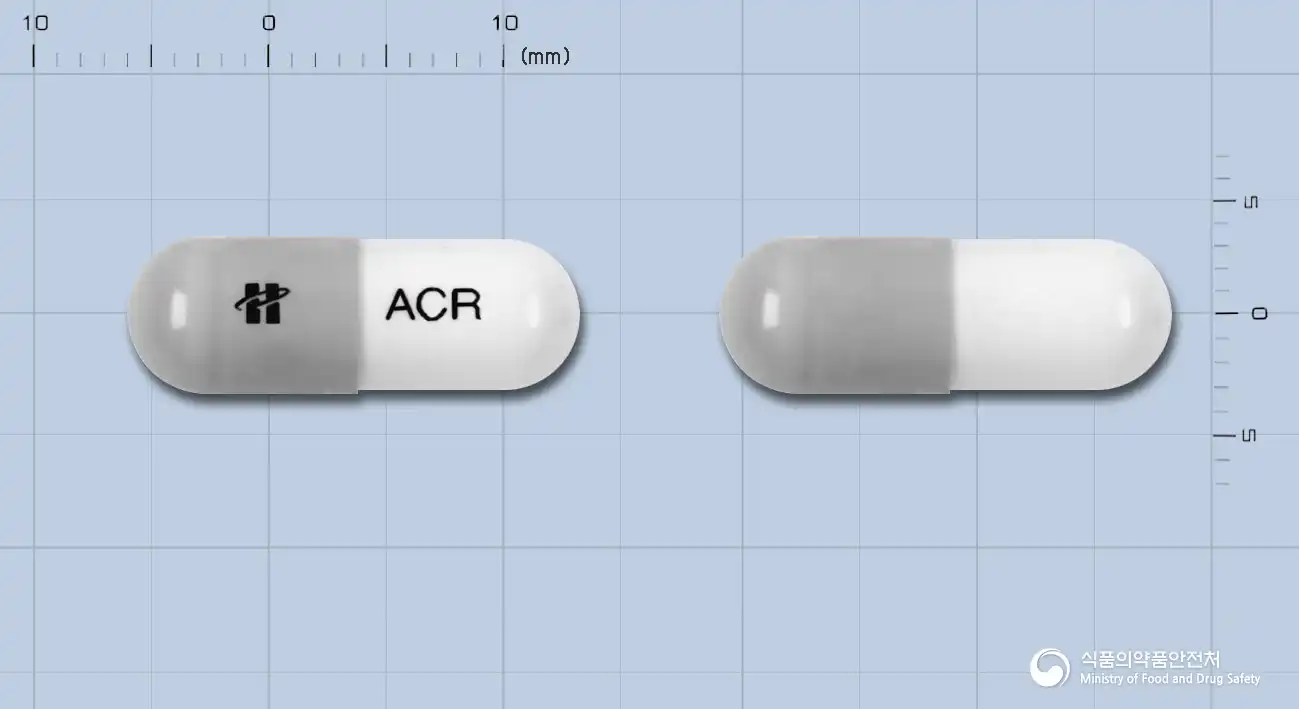
Acebrophylline 100mg
Hard capsule · Prescription medication
(Ltd.) Huons
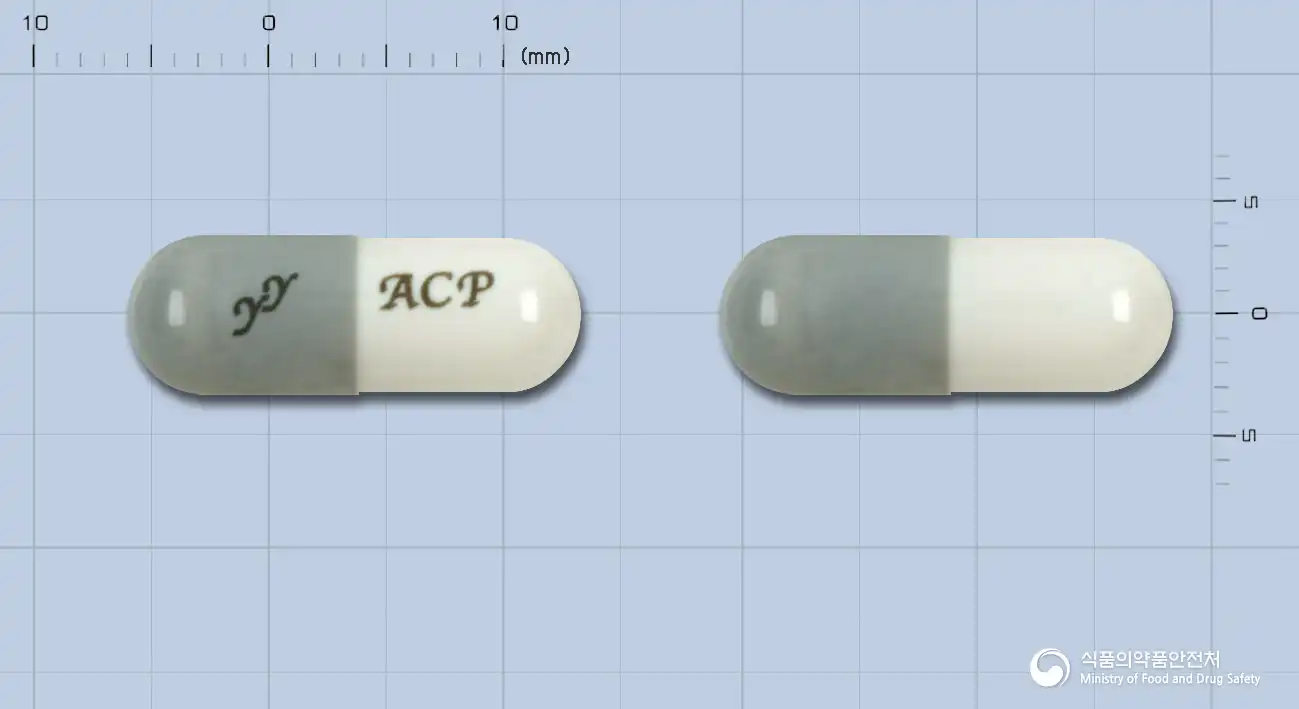
Acebrophylline 100mg
Hard capsule · Prescription medication
(Ltd.) Yuyoung Pharmaceutical
Even with the same ingredient, the dose and directions can differ by strength and dosage form. Talk to a doctor or pharmacist before switching from a medication you are already taking.
No questions yet.
For anything that needs medical judgment, consult a doctor or pharmacist.
This drug information is based on data provided by the Korea Ministry of Food and Drug Safety.
Consult a doctor or pharmacist for accurate dosage, administration, and usage instructions.