
 한국어
한국어 English
 日本語
日本語 中文(简体)
 Viewing nowCombination
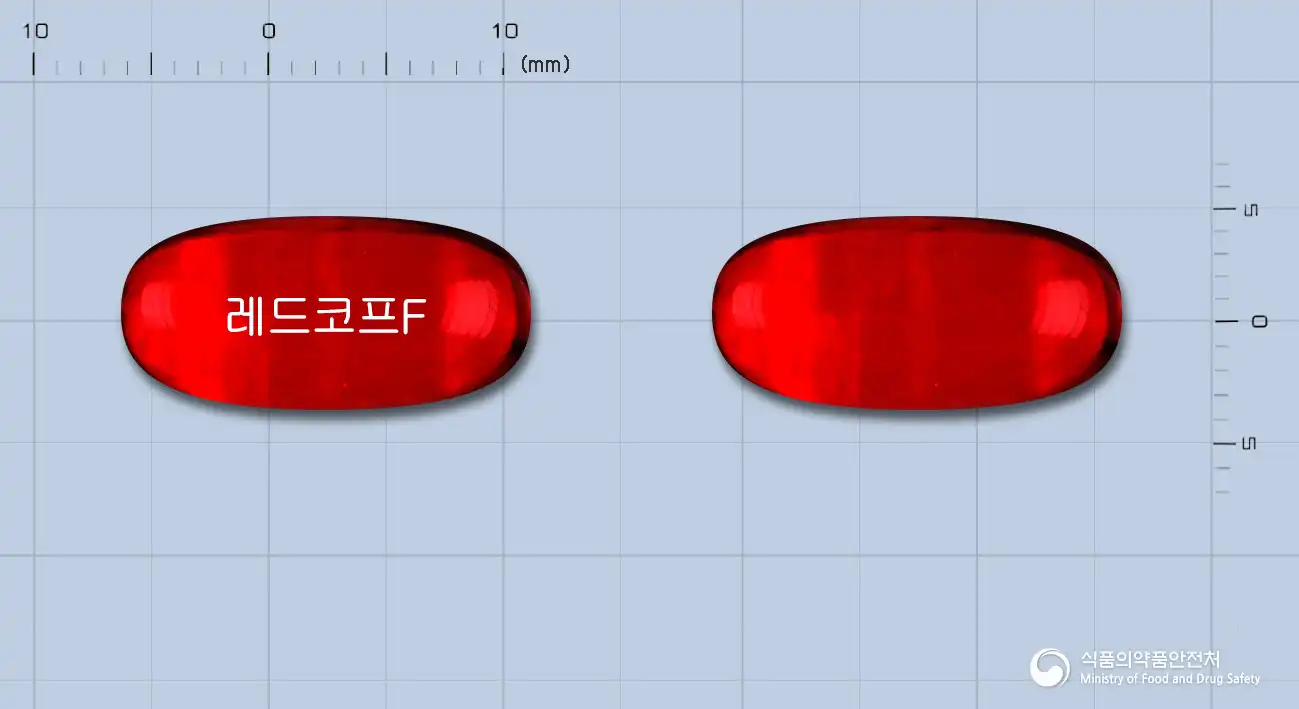
Redcoff F Soft Capsule
Acetaminophen 250mg · Pseudoephedrine Hydrochloride 22.5mg +2 more
Soft capsule · OTC medication · Combination
RPI Bio Co., Ltd.
MFDS item code 201300037 · Notified 2013.01.03
Relief of cold symptoms (runny nose, sore throat, etc.)
This medication helps relieve various symptoms such as runny nose, nasal congestion, sneezing, sore throat, and cough caused by a cold. It also effectively improves systemic symptoms such as chills, fever, headache, joint pain, and muscle pain. It is recommended for patients to understand that this medicine is useful for quick improvement of these symptoms. It helps reduce the overall discomfort of cold symptoms, allowing normal daily activities to continue. Therefore, it is used for the relief of cold symptoms.
Adults aged 15 and older: 1 capsule 30 minutes after each meal, 3 times a day
This medication may strain the liver, so individuals who regularly consume more than 3 drinks a day should consult a doctor or pharmacist before taking it. Acetaminophen, included in this medication, can rarely cause serious skin reactions; therefore, if skin rashes or itching occur, the medication should be stopped immediately. Additionally, taking this medication with products containing pseudoephedrine could lead to severe skin adverse reactions, so if fever, redness, or small blisters appear, consult a healthcare professional immediately. The maximum daily dose of acetaminophen should not exceed 4,000 mg, and to prevent liver damage, do not take this medication simultaneously with other medications that contain acetaminophen. Individuals who are allergic to this medication or have previously experienced allergic reactions such as asthma from this or similar medications should not take it. Infants under 3 months old, individuals taking certain antidepressants or psychiatric medications, and those with severe hypertension or kidney disease should also avoid this medication. It is advisable not to take other cold medications, antipyretics, sedatives, or antihistamines during treatment. Children suspected of having chickenpox or influenza, those with specific allergic conditions, and individuals with liver, heart, or kidney diseases should consult a healthcare professional before taking it. If adverse effects such as rashes, vomiting, urinary issues, dizziness, or severe headaches occur, stop the medication immediately and consult a physician. It is generally safe not to administer this medication to children under 2 years old, except in special circumstances. Be sure to follow the prescribed dosage and administration, avoid long-term use, refrain from alcohol, and exercise caution when driving or operating machinery. Overdosing can lead to liver damage; therefore, treatment must be sought from a medical institution even without symptoms. This medication should be stored in a cool, dry place out of reach of children and not transferred to another container to maintain its quality.
Hives, severe swelling (edema), chest tightness, cold sweats, pallor, severe rash with high fever, blisters, skin peeling, pain in oral/ocular mucosa, asthma, difficulty breathing or shortness of breath, respiratory issues accompanied by fever and cough, yellowing of the skin or eyes (jaundice), extreme lethargy, sudden and severe headache, lightning headache, seizures, disorientation, visual disturbances, paralysis, significantly decreased urine output
Not everyone experiences these, and they can vary from person to person.
Do not take this medication in combination with cough suppressants, other cold medications, antipyretics, sedatives, or antihistamines. Do not take if on MAO inhibitors or within 2 weeks after stopping them. Consult your doctor or pharmacist if taking diabetes medications, gout medications, arthritis medications, anticoagulants, steroids, barbiturates, or tricyclic antidepressants.
Do not consume alcohol while taking this medication.
This medication must be kept in a sealed container to avoid exposure to air or humidity. It is important to maintain a storage temperature between 1 and 30 degrees Celsius.
A red transparent oblong soft capsule containing a pale yellow to light reddish liquid.
10 capsules (10 capsules/PTP*1)
Even with the same ingredient, strength, dosage form and how it is taken can differ.
Viewing nowCombinationAcetaminophen 250mg · Pseudoephedrine Hydrochloride 22.5mg +2 more
Soft capsule · OTC medication · Combination
RPI Bio Co., Ltd.
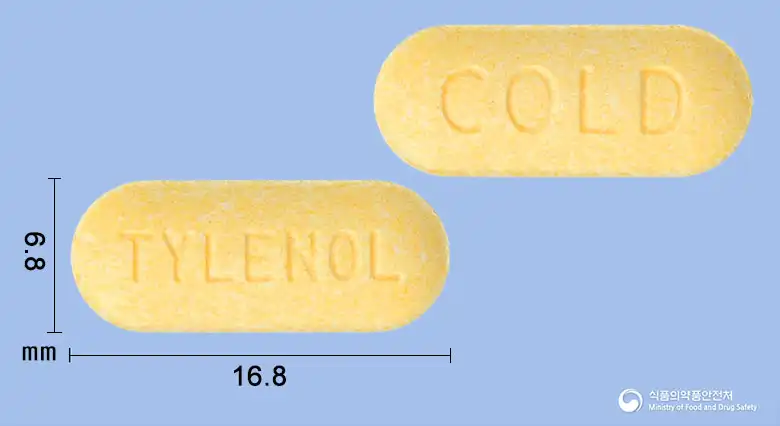 Combination
Acetaminophen 325mg · Pseudoephedrine Hydrochloride 30mg +2 more
Tablet · OTC medication · Combination
Johnson & Johnson Korea, Ltd.
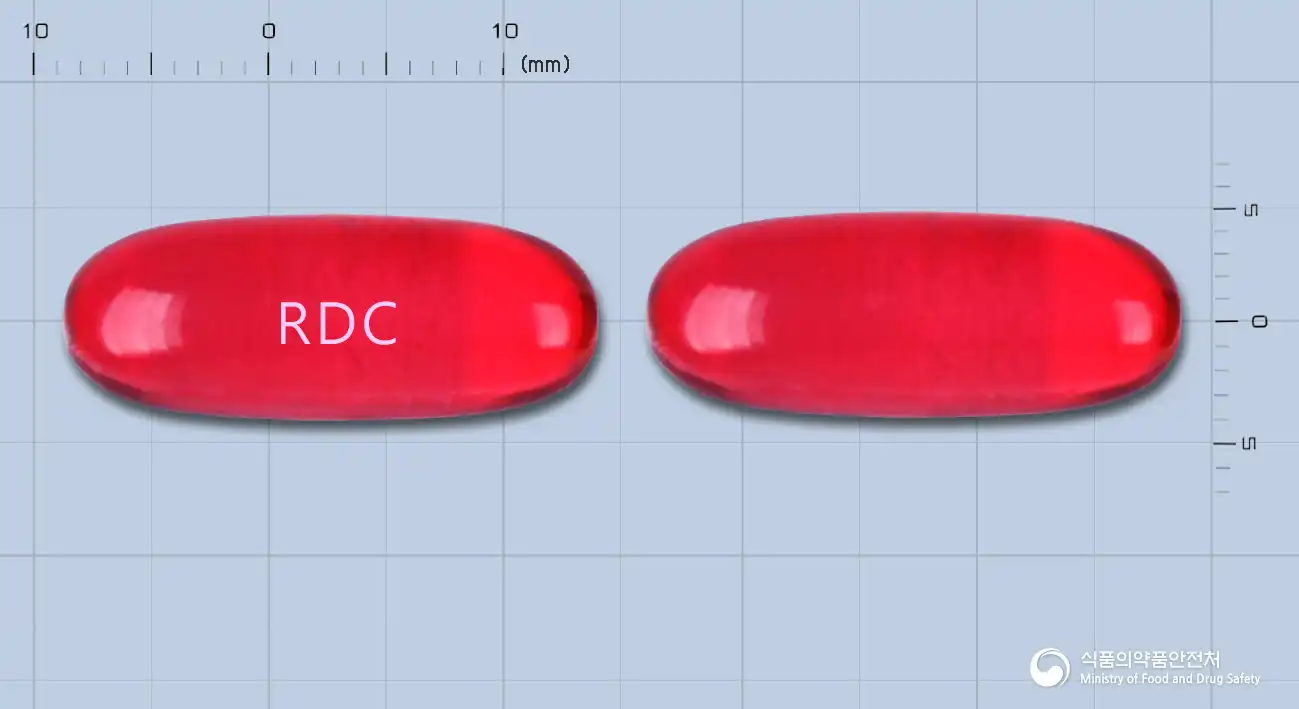 Combination
Acetaminophen 325mg · Pseudoephedrine Hydrochloride 30mg +2 more
Soft capsule · OTC medication · Combination
RPI Bio Co., Ltd.
Acetaminophen · Chlorpheniramine Maleate +2 more
OTC medication · Combination
RP Bio Co., Ltd.
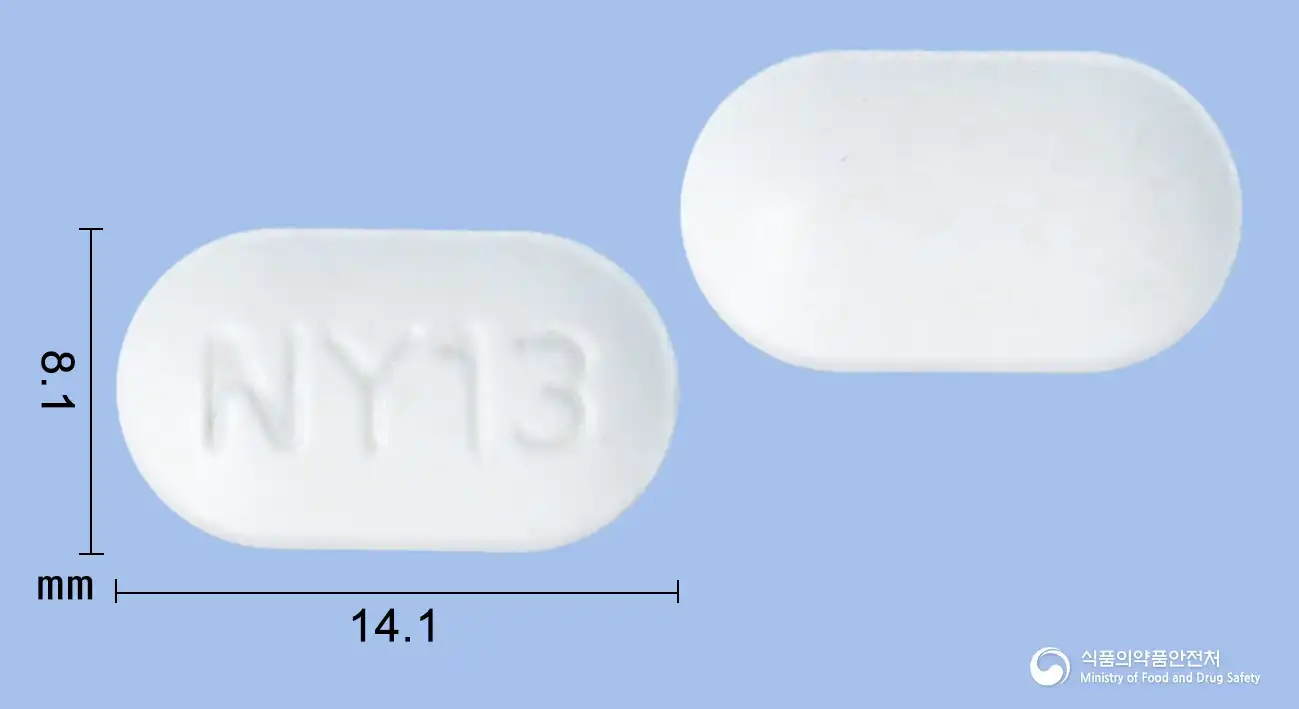 Combination
Acetaminophen 325mg · Pseudoephedrine Hydrochloride 30mg +2 more
Tablet · OTC medication · Combination
Korea Sintex Pharmaceutical Co., Ltd.
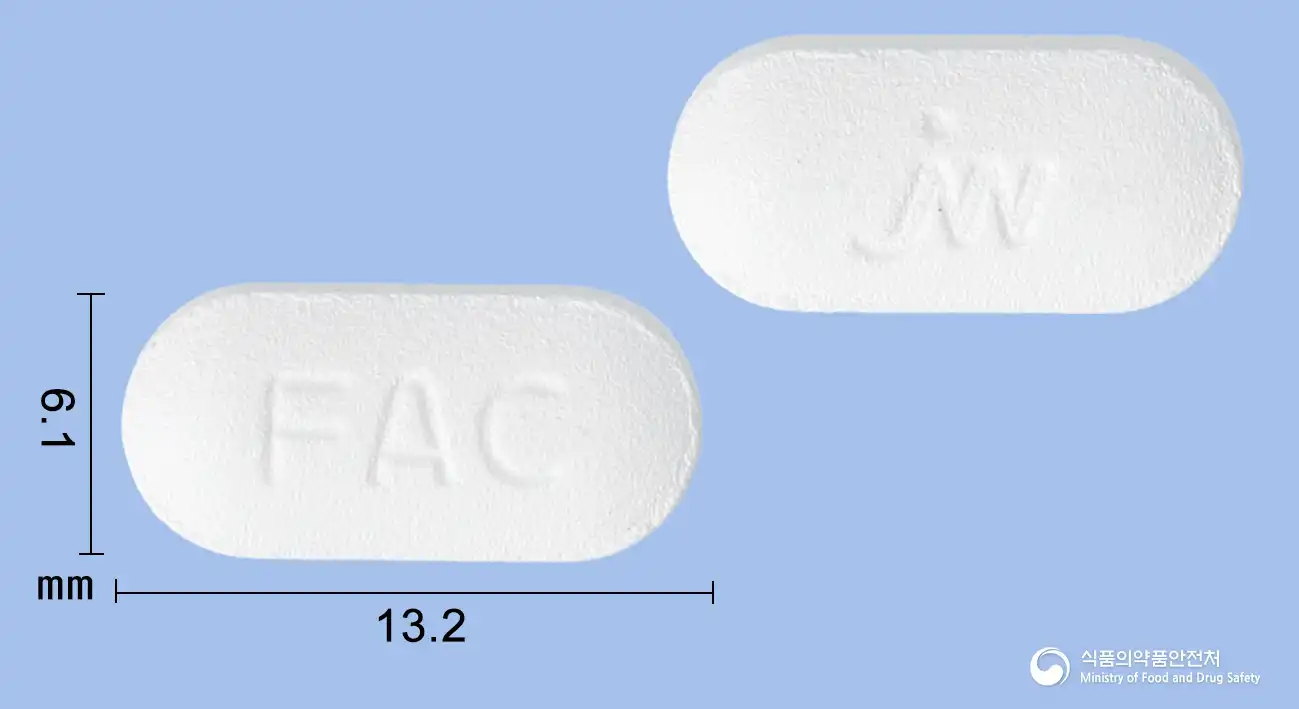 Combination
Acetaminophen 200mg · Pseudoephedrine Hydrochloride 15mg +2 more
Tablet · OTC medication · Combination
JW Pharmaceutical Corp.
Even with the same ingredient, the dose and directions can differ by strength and dosage form. Talk to a doctor or pharmacist before switching from a medication you are already taking.
No questions yet.
For anything that needs medical judgment, consult a doctor or pharmacist.
This drug information is based on data provided by the Korea Ministry of Food and Drug Safety.
Consult a doctor or pharmacist for accurate dosage, administration, and usage instructions.