
 한국어
 English
 日本語
 中文(简体)
Dosage form image
Viewing nowCombinationTelcadin Plus Tablet
Telmisartan 40mg · Hydrochlorothiazide 12.5mg
Tablet · Prescription medication · Combination
Kyungdong Pharm. Co., Ltd.
MFDS item code 201209718 · Approved 2012.12.14
This product's status changed to Expired on 2024.07.01. It may no longer be sold, so consult a doctor or pharmacist before taking it.
Treatment of essential hypertension not controlled by telmisartan alone
This medication is used for the treatment of essential hypertension and is effectively managed when added to patients whose blood pressure is not adequately controlled by telmisartan alone.
Adults For patients whose blood pressure is not adequately controlled with telmisartan alone, take once daily with a drink, with or without food. Before switching to this medicine, which contains fixed doses of each component, it is recommended that the dose of each component be individually adjusted and administered separately. When clinically appropriate, direct conversion from monotherapy to this medicine may also be considered. - The telmisartan/hydrochlorothiazide combination 40/12.5mg may be given to patients whose blood pressure is not adequately controlled with telmisartan 40mg. - The telmisartan/hydrochlorothiazide combination 80/12.5mg may be given to patients whose blood pressure is not adequately controlled with telmisartan 80mg. - The telmisartan/hydrochlorothiazide combination 80/25mg may be given to patients whose blood pressure is not adequately controlled with telmisartan 80mg and hydrochlorothiazide 12.5mg administered as separate medicines or as a combination medicine. Patients with renal impairment No dosage adjustment is necessary in patients with mild to moderate renal impairment. Do not administer this medicine to patients with severe renal impairment (creatinine clearance<30mL/min). Periodic monitoring of renal function is recommended. Patients with hepatic impairment Do not administer more than 40/12.5mg per day of this medicine to patients with mild to moderate hepatic impairment. Do not administer this medicine to patients with severe hepatic impairment. Thiazide diuretics should be administered with caution to patients with impaired liver function. Older adults No dosage adjustment is necessary.
The safety and efficacy of this medicine have not been established in children under 18 years of age.
This medication can cause serious harm to the fetus if taken during pregnancy, especially during the second and third trimesters. It must be discontinued immediately upon confirmation of pregnancy. This medication should not be used by individuals who have allergies to any of its ingredients or excipients, patients with hypersensitivity to sulfonamide drugs, pregnant women in the second or third trimester, nursing mothers, patients with cholestasis or obstructive biliary disease, and those with severe hepatic or renal impairment. Caution is needed when administering this medication to the elderly, patients with hyperkalemia, mild to moderate hepatic impairment, valvular heart disease, or ischemic heart disease, as there may be an increased risk of skin cancer. It is advised to avoid sun exposure and regularly check skin condition. Various side effects, including hypotension, dizziness, insomnia, gastrointestinal disorders, skin rashes, etc., may occur, so consult a healthcare professional immediately if there are abnormal symptoms. Patients with impaired liver or kidney function should consult a physician before taking this medication and regularly monitor electrolyte levels and renal function. This medication may interact with other antihypertensive drugs, diuretics, lithium preparations, non-steroidal anti-inflammatory drugs, etc., so inform the healthcare provider of any other medications being taken. Women who are pregnant or planning to become pregnant are advised to use safer alternative antihypertensive therapy instead, and nursing mothers should avoid using this medication. Overdosage may lead to hypotension, electrolyte imbalances, and dehydration symptoms, so strict adherence to the prescribed dosage is crucial. Seek immediate medical attention if abnormal symptoms occur. This medication is not recommended for children under 18 years of age, as its safety and efficacy have not been established. Elderly individuals should be closely monitored due to the risk of stroke from excessive blood pressure lowering.
Bronchitis, pharyngitis, sinusitis, exacerbation or activation of systemic lupus erythematosus, hypokalemia, hyperuricemia, hyponatremia, anxiety, depression, dizziness, fainting, paresthesia, insomnia, sleep disorders, visual disturbances, temporary blurred vision, vertigo, tachycardia, arrhythmia, hypotension, orthostatic hypotension, dyspnea, pneumonia, pulmonary edema, diarrhea, dry mouth, abdominal distension, abdominal pain, constipation, dyspepsia, vomiting, gastritis, liver dysfunction, liver disorder, angioedema, erythema, pruritus, rash, increased sweating, urticaria, low back pain, muscle cramps, myalgia, arthralgia, limb pain, erectile dysfunction, chest pain, influenza-like illness, pain, increased serum uric acid, increased serum creatinine, increased serum creatine phosphokinase, upper respiratory tract infection, urinary tract infection, sepsis, anemia, eosinophilia, thrombocytopenia, anaphylactic reaction, hypersensitivity, hyperkalemia, hypoglycemia, bradycardia, abdominal discomfort, eczema, drug rash, toxic skin rash, arthrosis, tendinopathy, kidney disorder, asthenia, decreased hemoglobin, sialadenitis, aplastic anemia, hemolytic anemia, bone marrow dysfunction, leukopenia, neutropenia, agranulocytosis, thrombocytopenia, diabetes control failure, appetite loss, decreased appetite, electrolyte imbalance, hypercholesterolemia, hyperglycemia, fluid loss, restlessness, yellow vision, acute myopia, acute angle-closure glaucoma, necrotizing vasculitis, pancreatitis, discomfort in the gastric area, hepatocellular jaundice, cholestatic jaundice, toxic epidermal necrolysis, lupus-like reaction with erythema, cutaneous vasculitis, phototoxic reaction, reactivation of cutaneous lupus erythematosus, weakness, interstitial nephritis, renal dysfunction, diabetes, fever, increased triglycerides, acute respiratory distress syndrome, nausea, gastrointestinal bleeding, esophagitis, headache, tremors, facial flushing, lethargy, fatigue, weight loss, proteinuria, itching, myalgia, floaters, lip and hand tremors, hypersensitivity, gum disease, dry lips, vision impairment, hypoglycemia, hypochloremia, drowsiness, muscle fatigue, nausea, vomiting
Not everyone experiences these, and they can vary from person to person.
This medication should be stored in a tightly closed container to protect it from air and moisture. It is important to maintain the storage temperature between 1 and 30 degrees Celsius. Proper storage ensures the medication's effectiveness and safety over time.
Oval-shaped tablet that is white/pink and may have pink specks on the white layer.
30 tablets (10 tablets/Alu-Alu X 3)
Even with the same ingredient, strength, dosage form and how it is taken can differ.
Telmisartan 40mg · Hydrochlorothiazide 12.5mg
Tablet · Prescription medication · Combination
Kyungdong Pharm. Co., Ltd.
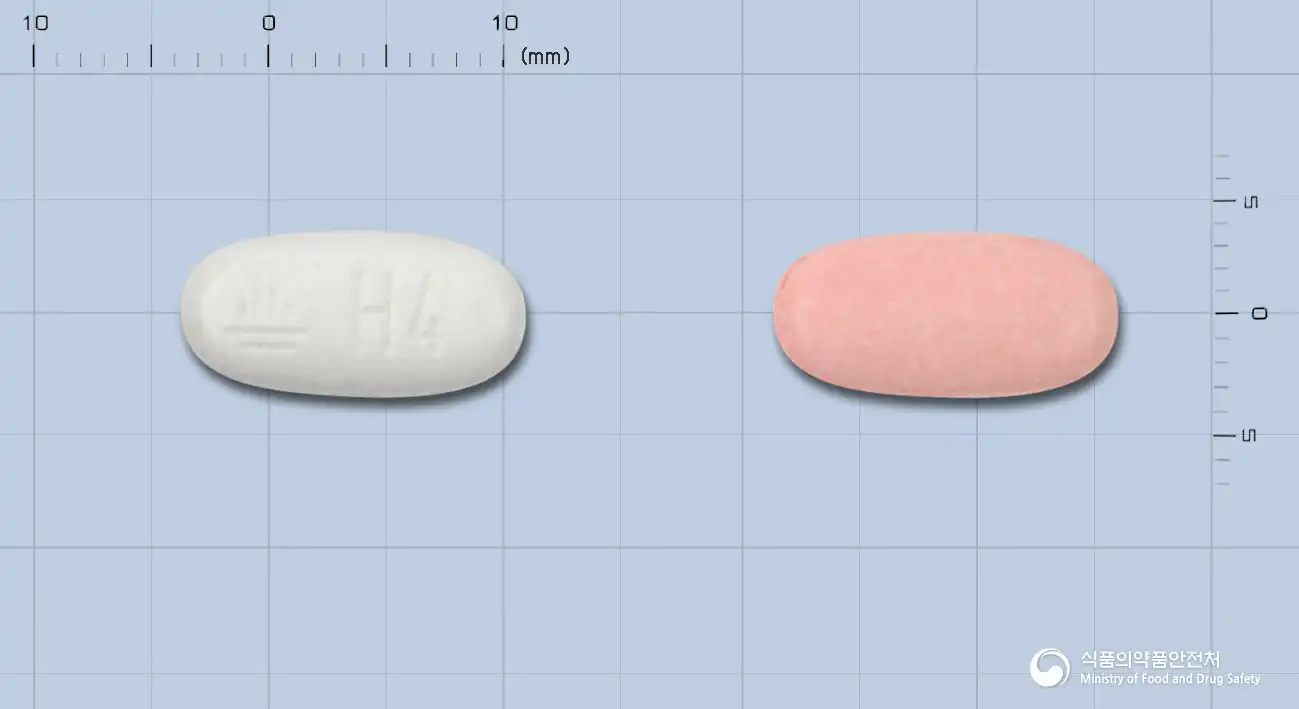 Combination
Telmisartan 40mg · Hydrochlorothiazide 12.5mg
Tablet · Prescription medication · Combination
Boehringer Ingelheim Korea Co., Ltd.
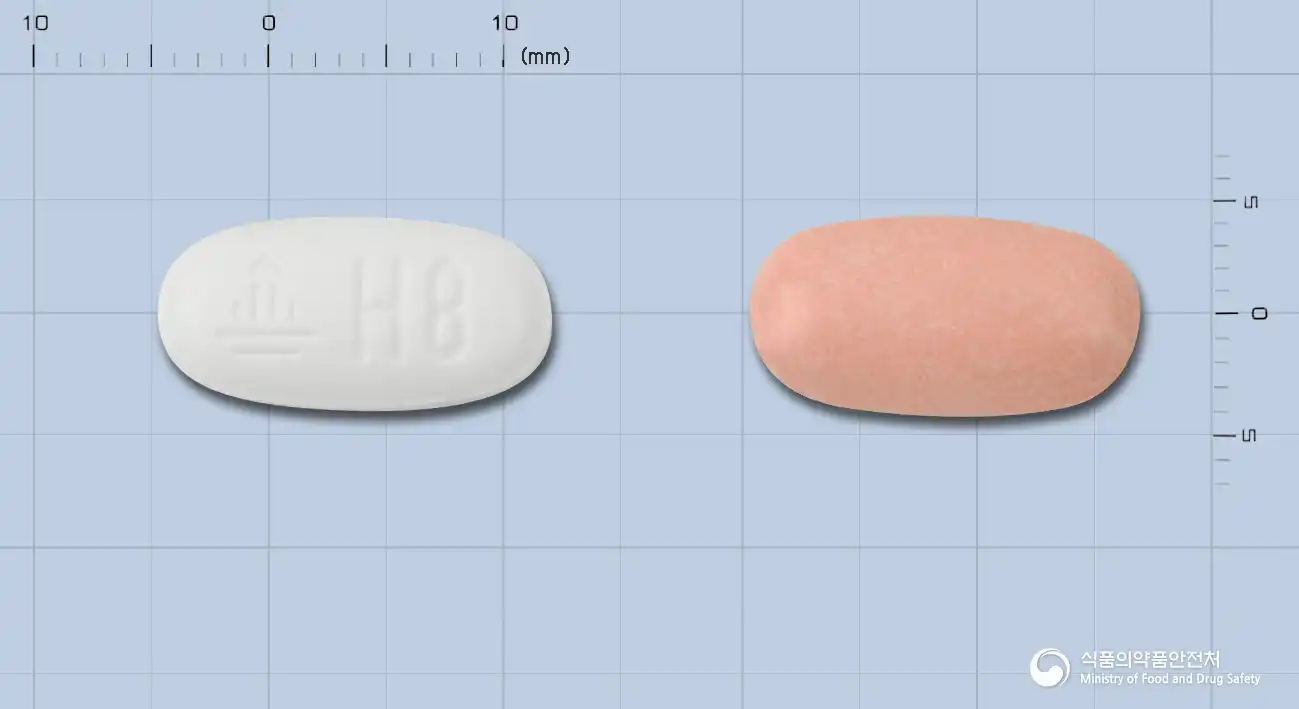 Combination
Telmisartan 80mg · Hydrochlorothiazide 12.5mg
Tablet · Prescription medication · Combination
Boehringer Ingelheim Korea Co., Ltd.
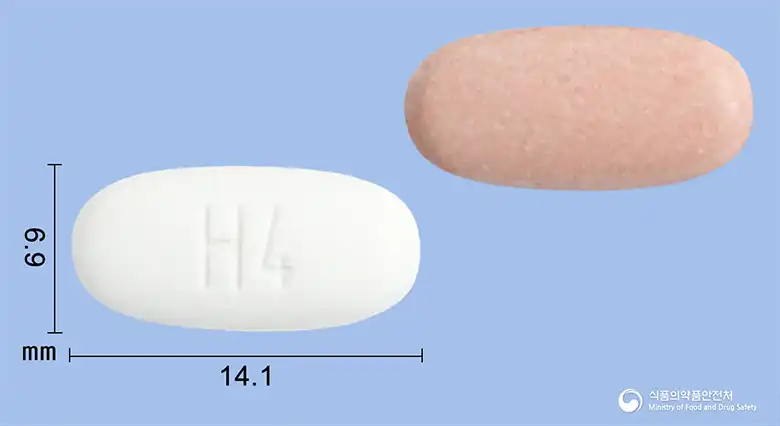 Combination
Telmisartan 40mg · Hydrochlorothiazide 12.5mg
Tablet · Prescription medication · Combination
Kwangdong Pharmaceutical Co., Ltd.
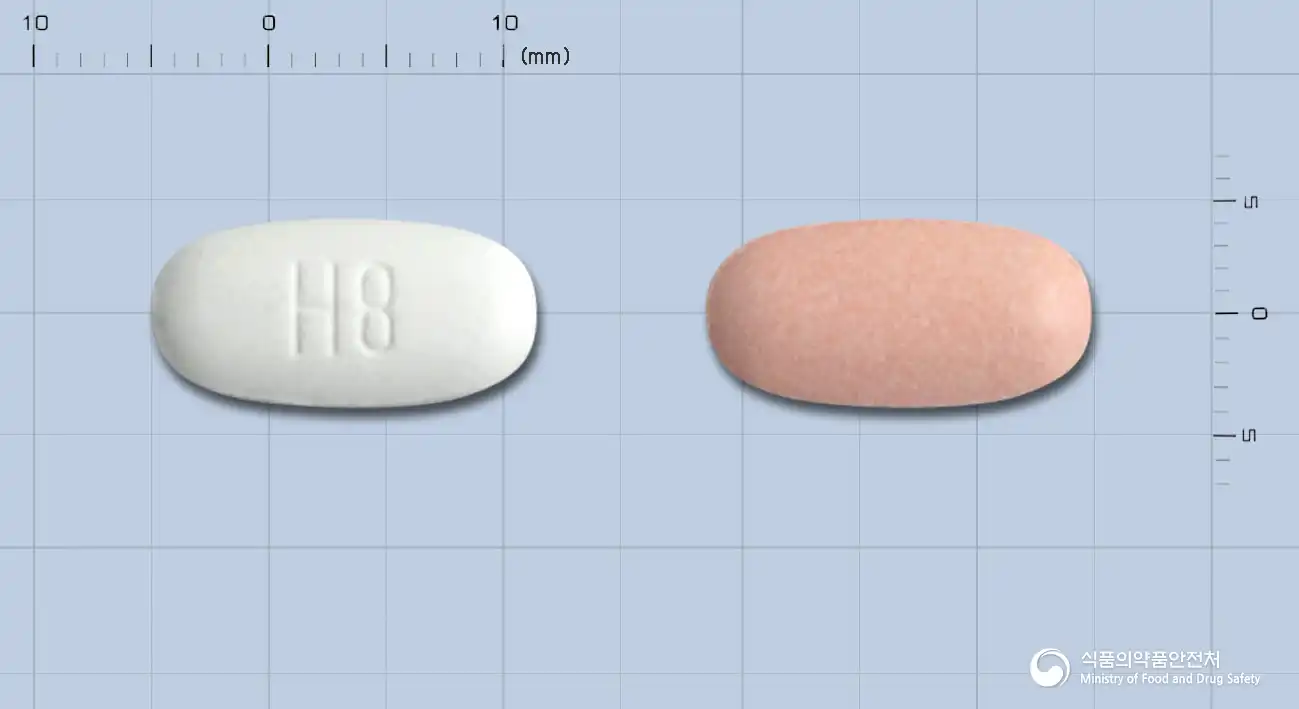 Combination
Telmisartan 80mg · Hydrochlorothiazide 12.5mg
Tablet · Prescription medication · Combination
Kwangdong Pharmaceutical Co., Ltd.
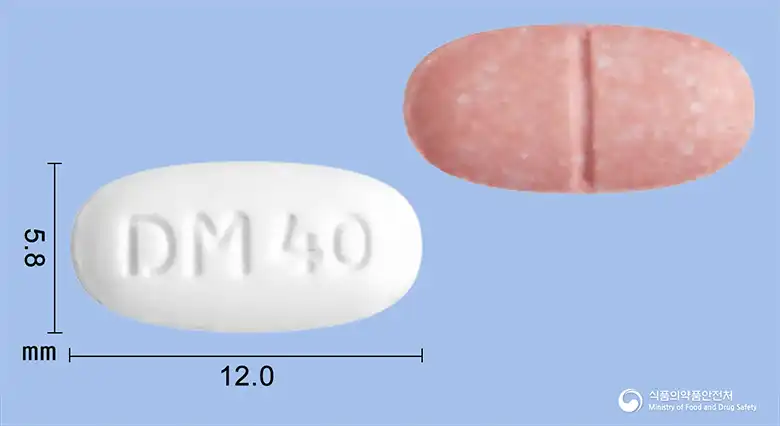 Combination
Telmisartan 40mg · Hydrochlorothiazide 12.5mg
Tablet · Prescription medication · Combination
Dasan Pharmaceutical Co., Ltd.
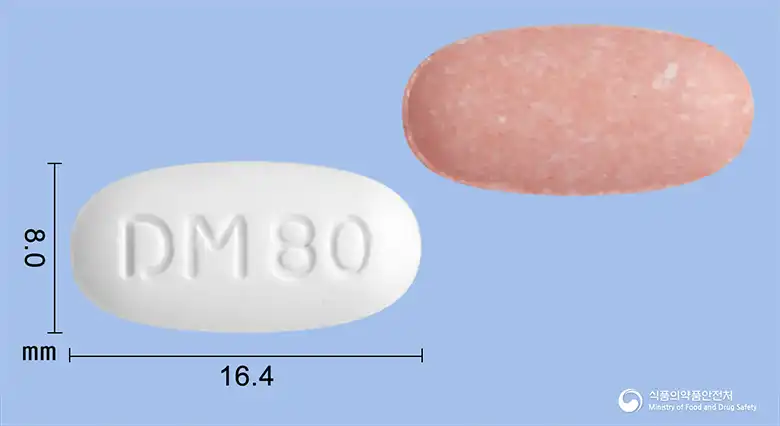 Combination
Telmisartan 80mg · Hydrochlorothiazide 12.5mg
Tablet · Prescription medication · Combination
Dasan Pharmaceutical Co., Ltd.
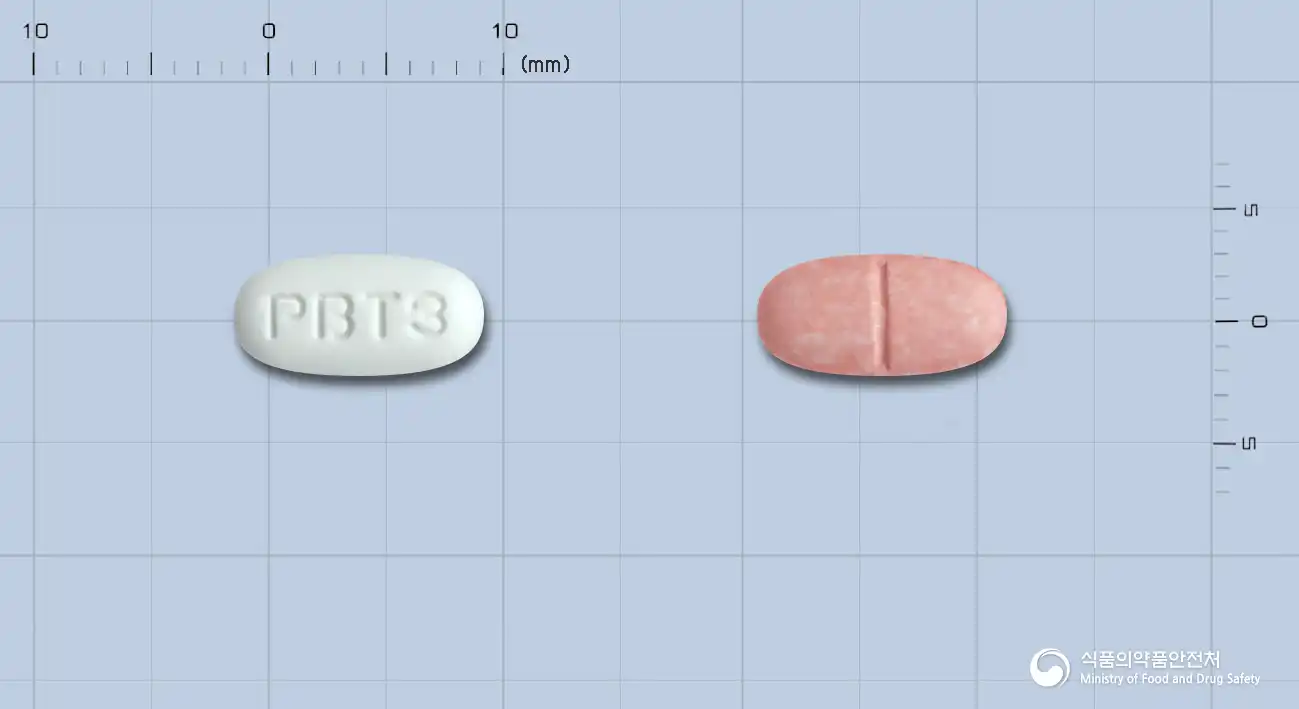 Combination
Telmisartan 40mg · Hydrochlorothiazide 12.5mg
Tablet · Prescription medication · Combination
Hanmi Pharm Co., Ltd.
Even with the same ingredient, the dose and directions can differ by strength and dosage form. Talk to a doctor or pharmacist before switching from a medication you are already taking.
No questions yet.
For anything that needs medical judgment, consult a doctor or pharmacist.
This drug information is based on data provided by the Korea Ministry of Food and Drug Safety.
Consult a doctor or pharmacist for accurate dosage, administration, and usage instructions.