
 한국어
 English
 日本語
 中文(简体)
Dosage form image
Viewing nowKwangdong Clarithromycin Tablet 250mg
Clarithromycin
Prescription medication
Kwangdong Pharmaceutical Co., Ltd.
MFDS item code 201209006 · Approved 2012.11.30
This product's status changed to Expired on 2023.04.01. It may no longer be sold, so consult a doctor or pharmacist before taking it.
Treatment of respiratory and skin infections, mycobacterial infections, and Helicobacter pylori eradication
This medication is used for lower respiratory tract infections such as bronchitis and pneumonia, as well as upper respiratory tract infections including pharyngitis and sinusitis, and is effective for the treatment of skin and skin tissue infections. It also helps in treating mycobacterial infections caused by Mycobacterium avium and Mycobacterium intracellulare. This drug is used for eradicating Helicobacter pylori in patients with duodenal ulcers. It is widely used for the treatment of infections caused by various bacteria, thus aiding in the improvement of infections.
○ Adults: The usual dose of clarithromycin is 250mg (potency) per dose twice daily; for severe infections, administer 500mg (potency) per dose twice daily. The treatment period is usually 7~14 days. In patients with renal failure and a creatinine clearance of 30mL/min or less, the dose should be reduced by half: 250mg (potency) once daily, or, for severe infections, 250mg (potency) per dose twice daily. Do not administer this medicine to these patients for more than 14 days. ○ Mycobacterial infections: Administer 500mg (potency) of this medicine per dose twice daily. In this case, it should be administered concomitantly with other antimycobacterial agents such as ethambutol, clofazimine, and rifampin. ○ Eradication of Helicobacter pylori in patients with duodenal ulcers: Administer 500mg (potency) of this medicine 3 times daily with omeprazole 40mg once daily for 14 days, followed by omeprazole 40mg once daily for 14 consecutive days. That is, administer clarithromycin 500mg (potency) per dose 3 times daily for 14 days (days 1~14), and omeprazole 40mg once daily for 28 days (days 1~28).
Children 12 years and older: Same as adults Children under 12 years: Use clarithromycin dry syrup.
This medication should not be administered to patients who are allergic to certain excipients. Patients with a history of allergy to clarithromycin or similar class antibiotics should not use this medication. It may cause cardiac arrhythmias when taken with certain heart-related medications, so concurrent use should be avoided. Patients with significant cardiac arrhythmias or severely impaired liver function may be at risk if they take this medication. Patients with severely reduced kidney function should avoid certain formulations of this medication. Pregnant or lactating women should not take this medication, and if unavoidable, must discontinue breastfeeding. Administration should also be avoided in patients with central nervous system infections. This medication contains lactose, so patients with lactose intolerance should not take it. Dosing adjustments are necessary for patients with liver or kidney impairment, and those with heart disease should be particularly careful. Elderly patients or those on other antibiotics should also use this medication cautiously. Rarely, serious allergic reactions or skin rashes, liver function abnormalities, gastrointestinal disorders, kidney abnormalities, or central nervous system symptoms may occur; in such cases, the medication should be discontinued immediately and a doctor consulted. To prevent antibiotic resistance, it is important to take this medication only for the necessary duration. If diarrhea persists or abdominal pain worsens, it may indicate a serious condition such as pseudomembranous colitis, so medical personnel should be notified immediately. There are many drug interactions, so it's essential to inform healthcare providers of any concurrent medications, especially heart-related medications, anticoagulants, and hypoglycemic agents. Caution should be exercised when driving or operating machinery as dizziness or confusion may occur. Overdose may lead to gastrointestinal disturbances or mental symptoms, and in such cases, immediate medical treatment is required. This medication must be stored under proper conditions, and special care is needed when taken by children, elderly, or patients with weak liver or kidney function.
Not everyone experiences these, and they can vary from person to person.
This medication should be stored in a dry place to prevent moisture and kept in a tightly sealed container to prevent air exposure. It should also be kept in a dark place, away from light, and at a temperature between 1 degree and 30 degrees Celsius.
Yellow oblong film-coated tablet
30 tablets/bottle, 100 tablets/bottle
Even with the same ingredient, strength, dosage form and how it is taken can differ.
Clarithromycin
Prescription medication
Kwangdong Pharmaceutical Co., Ltd.
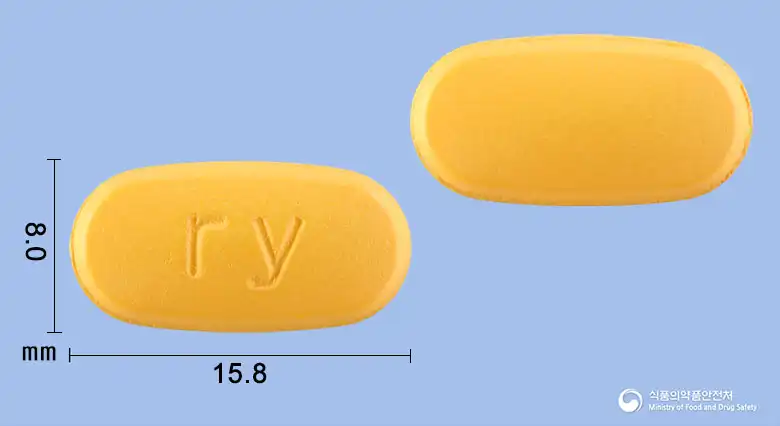
Clarithromycin 250mg
Tablet · Prescription medication
Iyeon Pharmaceutical Co., Ltd.
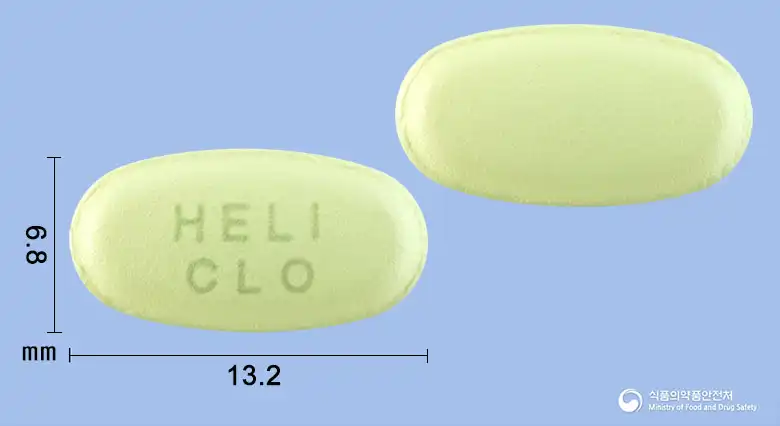
Clarithromycin 250mg
Tablet · Prescription medication
Jongkundang Co., Ltd.
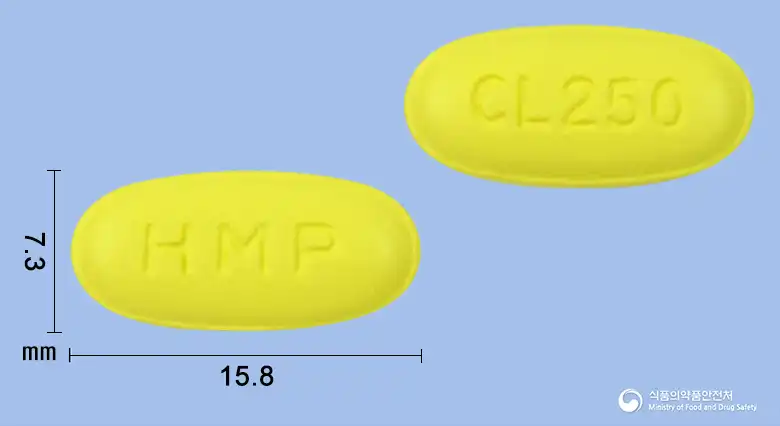
Clarithromycin 250mg
Tablet · Prescription medication
Hanmi Pharmaceutical Co., Ltd.
Clarithromycin 500mg
Prescription medication
Il Sung IS Co., Ltd.

Clarithromycin 250mg
Tablet · Prescription medication
Boryung Co., Ltd.
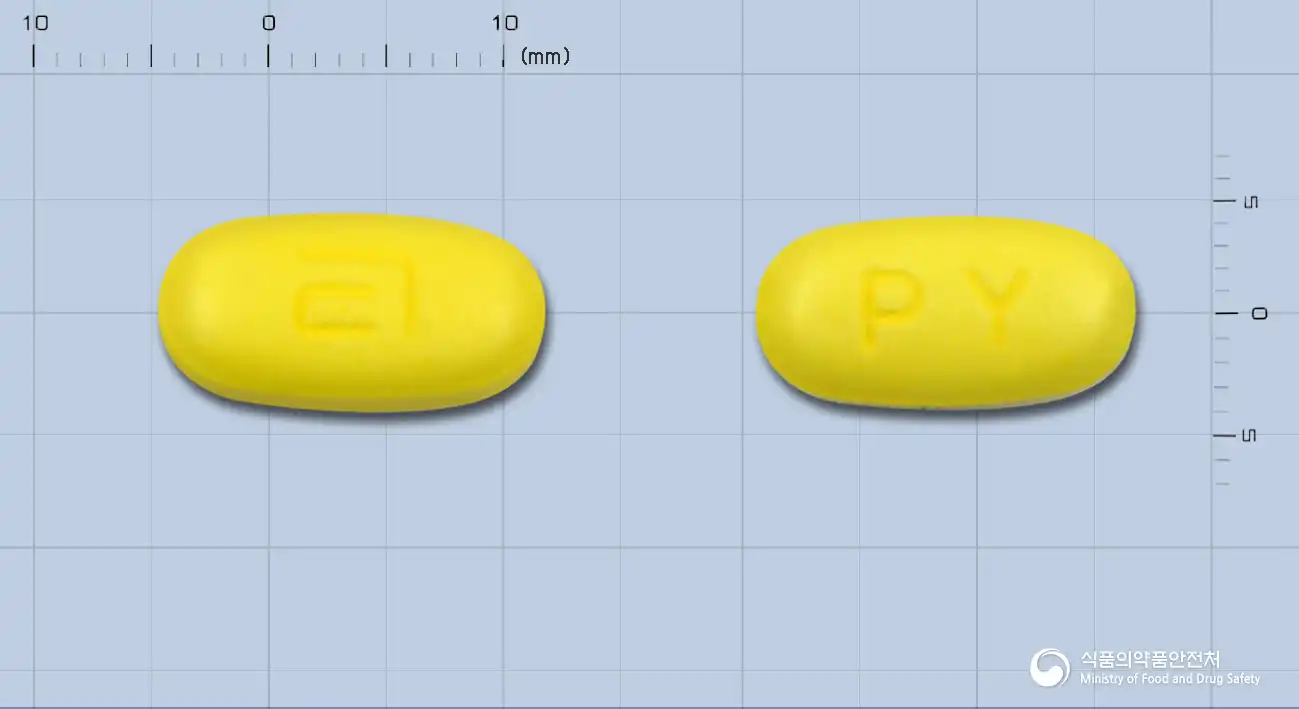
Clarithromycin 250mg
Tablet · Prescription medication
Kyungdong Pharmaceutical Co., Ltd.

Clarithromycin 250mg
Tablet · Prescription medication
Kunil Pharmaceutical Co., Ltd.
Even with the same ingredient, the dose and directions can differ by strength and dosage form. Talk to a doctor or pharmacist before switching from a medication you are already taking.
No questions yet.
For anything that needs medical judgment, consult a doctor or pharmacist.
This drug information is based on data provided by the Korea Ministry of Food and Drug Safety.
Consult a doctor or pharmacist for accurate dosage, administration, and usage instructions.