
 한국어
한국어 English
 日本語
日本語 中文(简体)
Dosage form image
Viewing nowNusartan Tablet 80 mg (Valsartan)
Valsartan 80mg
Tablet · Prescription medication
Austin Pharmaceuticals Co., Ltd.
MFDS item code 201208468 · Approved 2012.11.19
This product's status changed to Expired on 2024.07.01. It may no longer be sold, so consult a doctor or pharmacist before taking it.
Treatment of essential hypertension and heart failure (intolerance to ACE inhibitors), reduction of mortality risk after myocardial infarction.
This medication is used to treat essential hypertension, heart failure (especially when ACE inhibitors cannot be used), and to reduce the risk of death after myocardial infarction. The main indications include improving hypertension by controlling blood pressure, alleviating symptoms of heart failure, and reducing the mortality risk in patients with impaired left ventricular function after myocardial infarction. Appropriate doses should be chosen based on the patient's condition for treatment.
Essential Hypertension: The recommended oral dose is 80 mg of valsartan once daily. For patients not well controlled on blood pressure, the dose can be increased to 160 mg or combined with a diuretic, with a maximum increase up to 320 mg daily. Elderly patients (age 75 and above) and those with kidney impairment or fluid depletion should start at 40 mg once daily. Heart Failure: 40 mg should be administered orally twice daily, and can be increased to 80 mg or 160 mg per dose. If used with diuretics, consider reducing the diuretic dose. The maximum daily dose is capped at 320 mg. This medication is not recommended in triple combination with ACE inhibitors and beta-blockers. Reduction of risk of death after Myocardial Infarction: Treatment may begin within 12 hours of myocardial infarction. Starting dose is recommended at 20 mg orally, twice daily and can be increased over weeks to 40 mg, 80 mg, or 160 mg twice daily depending on tolerance. Consider dose reduction if hypotension or renal failure occurs. This medication can be used in patients treated with other therapies post-myocardial infarction (e.g., thrombolytics, acetylsalicylic acid, beta-blockers, and statins). However, concomitant use with ACE inhibitors is not recommended. For patients with renal impairment: No dose adjustment is needed if creatinine clearance is above 10 mL/min, but there are no experiences using it in those with creatinine clearance below 10 mL/min or in dialysis patients, so this medication should not be given. For liver impairment: For patients with mild to moderate liver impairment, the total daily dose should not exceed 80 mg. If prescribing above this dose, the benefits versus risks should be considered. This medication should not be given to patients with severe liver impairment, cirrhosis, or cholestasis.
Safety and efficacy in children and adolescents under 18 years have not been established.
This medication can cause serious harm to the fetus if taken during pregnancy, especially in the second and third trimesters, so it should be discontinued immediately upon confirmation of pregnancy. People allergic to this medication or its components, pregnant or potentially pregnant women, and nursing mothers should not take this medication. Patients with severe liver dysfunction, severely impaired kidney function, or hereditary angioedema should also avoid this medication. Caution is needed for elderly patients, patients with hyperkalemia or those with easily rising serum potassium levels, and patients with mild to moderate liver impairment when taking this medication. Patients with heart failure, those after myocardial infarction, or pre-operative patients should closely monitor kidney function and blood pressure when taking this medication. When starting this medication, blood pressure may drop sharply, leading to dizziness or fainting, so particularly for patients undergoing dialysis or taking diuretics, it should be initiated at a low dose and gradually increased. This medication may cause potassium levels to rise dangerously when taken with potassium-sparing diuretics or potassium supplements. Caution is also needed when taken with non-steroidal anti-inflammatory drugs (NSAIDs) as it may diminish the blood pressure-lowering effect and worsen kidney function. When used with lithium preparations, lithium levels may increase, leading to toxicity, so monitoring serum levels is necessary. This medication may cause dizziness or drowsiness when driving or operating machinery, so caution is advised. In case of overdose, severe hypotension, reduced consciousness, and shock can occur, and immediate medical assistance is required. Safety and efficacy in children and adolescents have not been established, so use should be avoided. This medication should be kept out of reach of children, and transferring it to other containers may compromise its quality.
Hives, severe swelling (Angioedema), chest tightness, difficulty breathing, cold sweat, pallor, severe rash with fever, blisters, skin peeling, pain in mucous membranes of mouth/eyes, shortness of breath or difficulty breathing, asthma attack, respiratory distress accompanied by cough and fever, yellowing of the skin or eyes (jaundice), extreme drowsiness, sudden and severe headache, lightning-like headache, seizures, confusion of consciousness, vision changes, paralysis,
Not everyone experiences these, and they can vary from person to person.
This medication should be stored in a tightly sealed container to prevent exposure to air and moisture and kept in a cool place below 30 degrees Celsius, away from direct sunlight or high temperatures.
Pink round film-coated tablet
30 tablets/bottle
Even with the same ingredient, strength, dosage form and how it is taken can differ.
Valsartan 80mg
Tablet · Prescription medication
Austin Pharmaceuticals Co., Ltd.
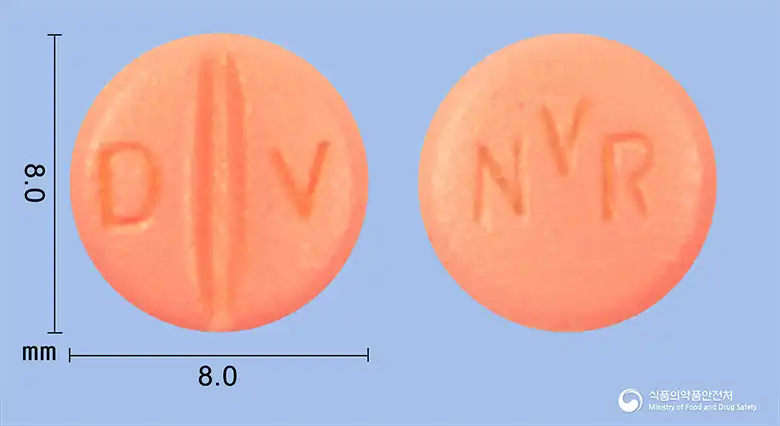
Valsartan 80mg
Tablet · Prescription medication
Novartis Korea Co., Ltd.
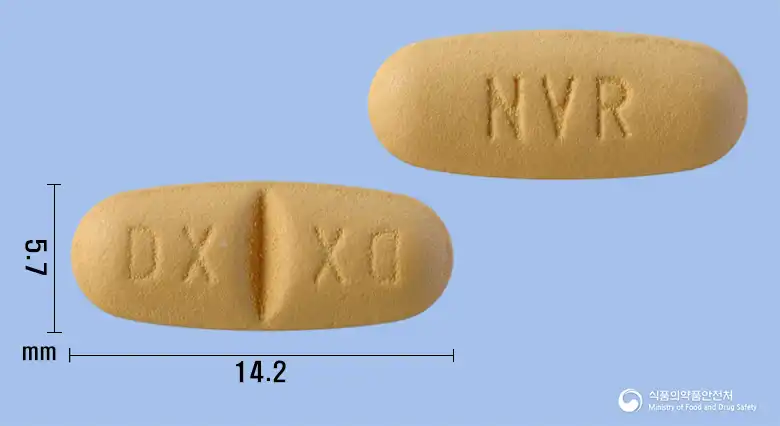
Valsartan 160mg
Tablet · Prescription medication
Novartis Korea Co., Ltd.
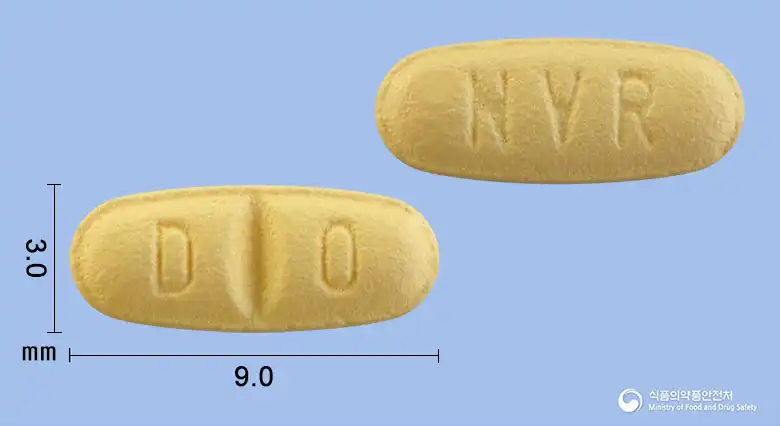
Valsartan 40mg
Tablet · Prescription medication
Samsung Novartis Co., Ltd.
Valsartan
Prescription medication
Korea Sandos Co., Ltd.
Valsartan
Prescription medication
Korea Sandos Co., Ltd.
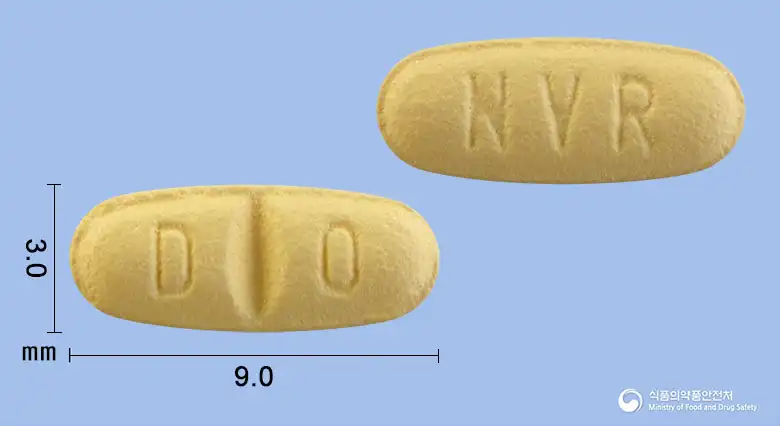
Valsartan
Prescription medication
Korea Sandos Co., Ltd.
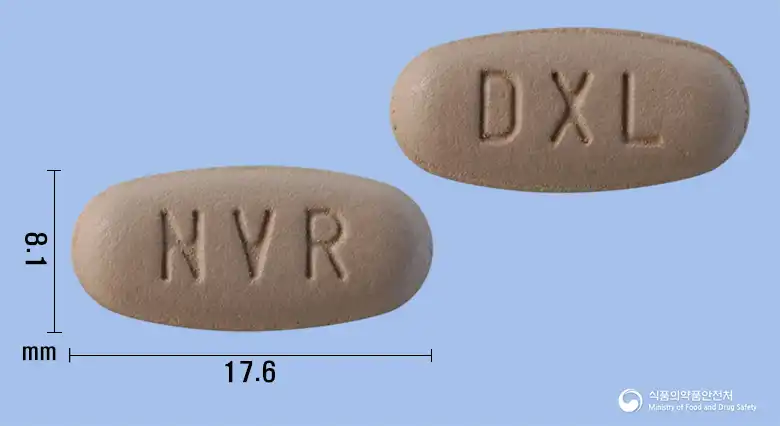
Valsartan 320mg
Tablet · Prescription medication
Novartis Korea Co., Ltd.
Even with the same ingredient, the dose and directions can differ by strength and dosage form. Talk to a doctor or pharmacist before switching from a medication you are already taking.
No questions yet.
For anything that needs medical judgment, consult a doctor or pharmacist.
This drug information is based on data provided by the Korea Ministry of Food and Drug Safety.
Consult a doctor or pharmacist for accurate dosage, administration, and usage instructions.