
 한국어
 English
 日本語
 中文(简体)
Dosage form image
Viewing nowTopical Tacrolimus Ointment 0.1% (Tacrolimus Hydrate)
Tacrolimus Hydrate 1.02mg
Ointment · Prescription medication
Kolon Pharmaceuticals Co., Ltd.
MFDS item code 201207501 · Notified 2012.10.30 · Insurance code 670303471,670303472
Treatment of flares of moderate to severe atopic dermatitis; maintenance therapy and prevention of flares
This medication is used as a second-line treatment for adults and adolescents (aged 16 years and older) suffering from moderate to severe atopic dermatitis. It is particularly suitable for patients who do not respond to or cannot tolerate conventional topical corticosteroid therapy. Furthermore, it is used in maintaining treatment for patients who have shown therapeutic effects, preventing erythema and prolonging symptom-free periods. Therefore, this medication plays a crucial role in improving symptoms of atopic dermatitis and treating erythema.
○ 0.1% 1) Treatment of flares This medicine may be used for short-term treatment and intermittent long-term treatment. It should not be used continuously for a prolonged period. Treatment with this medicine should be started when signs and symptoms first appear. Apply this medicine to each affected area of the skin until the lesions have cleared, almost cleared, or improved. Restart treatment at the first sign of recurrence (flare). Adults and adolescents (16 years of age and older): Adults and adolescents (16 years of age and older) should start with the 0.1% product and apply it to the affected areas twice daily until the lesions have cleared. If symptoms recur, restart treatment with this 0.1% product twice daily. If the clinical condition allows, reduce the frequency of application or try using the lower-strength 0.03% product. Improvement generally begins within 1 week of starting treatment. If there are no signs of improvement after 2 weeks of treatment, other treatment options should be considered. 2) Maintenance therapy Adults and adolescents (16 years of age and older): Suitable for patients who responded to application twice daily for up to 6 weeks (lesions cleared, almost cleared, or improved). To prevent progression to a flare, apply once daily on 2 days per week to areas where atopic dermatitis commonly occurs. Applications should be 2-3 days apart (for example, every Monday and Thursday). If there are signs of a flare recurring, restart application twice daily. After 12 months of treatment, the physician should review the patient's condition and decide whether maintenance therapy should continue, as safety information on maintenance therapy for longer than 12 months is unavailable. ○ Method of application - Apply a thin layer of this medicine only to affected areas or areas where symptoms commonly occur. Use the minimum amount needed to control the patient's symptoms (an amount about the size of a pea squeezed from the tube is enough to cover an area about 5cm in diameter.). - Avoid occlusive dressings, which may promote systemic absorption. This medicine may be applied to any part of the body, including the face, neck, and flexural areas, except the mucous membranes.
Although a clear association with the occurrence of malignant tumors has not been confirmed with long-term use, it is advisable to avoid prolonged continuous use. Particularly, it should not be used in children under 2 years old and in patients with weakened immune function. This medication should only be applied to areas affected by atopic dermatitis and should not be applied to areas with skin damage or ulcers. It is safest for women who are pregnant or may become pregnant to avoid using this medication. Additionally, patients with hypersensitivity to this medication or those undergoing UV treatment, as well as those with specific skin conditions, should avoid its use. During use, side effects such as skin irritation, itching, rashes, and infections may occur, and if symptoms worsen or persist, consultation with a physician is advised. After applying this medication, hands should be washed thoroughly, and the treated areas should not be covered with bandages or wraps; it is also advisable to avoid immediate bathing or swimming. Patients should avoid exposure to sunlight or artificial UV, and wear loose clothing to protect the skin when going outside. This medication is for external use only and should never be ingested. Children and caregivers must wash their hands thoroughly after applying this medication. Pregnant or breastfeeding women should consult a doctor before using this medication, as it may affect the baby during breastfeeding. Elderly patients may experience adverse reactions similar to those in the general adult population, but they should be monitored carefully in case of adverse events. This medication has low systemic absorption, but absorption may increase at sites where the skin barrier is damaged, so caution is required during use. In case of overdose, immediate consultation with a physician is necessary, and it is advisable to discuss potential interactions with other topical medications or prescriptions with healthcare professionals. When storing, keep it in a cool place out of reach of children, avoiding high or low-temperature conditions.
Not everyone experiences these, and they can vary from person to person.
This medication should be stored in a tightly sealed container to protect it from air and moisture. It is best to maintain a storage temperature between 1 and 30 degrees Celsius. Proper storage can help preserve the drug's effectiveness for a long time.
White to yellowish ointment
10g/tube, 30g/tube
Even with the same ingredient, strength, dosage form and how it is taken can differ.
Tacrolimus Hydrate 1.02mg
Ointment · Prescription medication
Kolon Pharmaceuticals Co., Ltd.
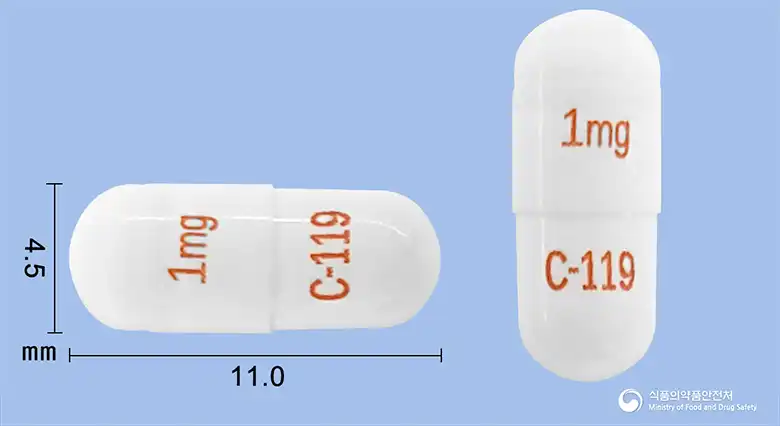
Tacrolimus Hydrate 1.02mg
Hard capsule · Prescription medication
Chongkundang Corporation
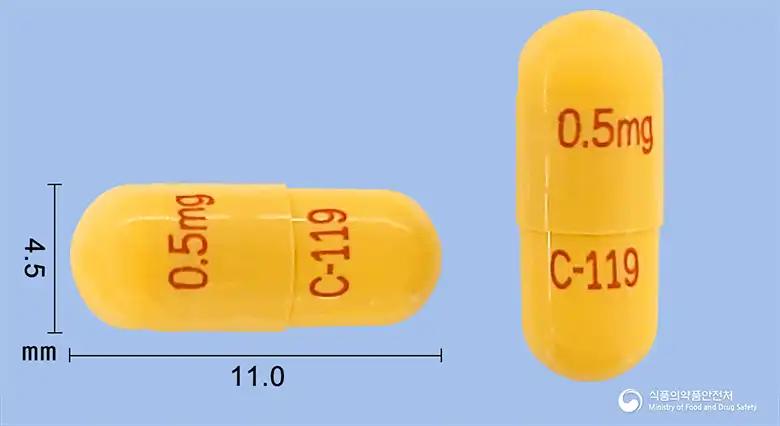 Combination
Tacrolimus Hydrate 0.51mg · Tacrolimus Hydrate 0.51mg
Hard capsule · Prescription medication · Combination
Chongkundang Corporation
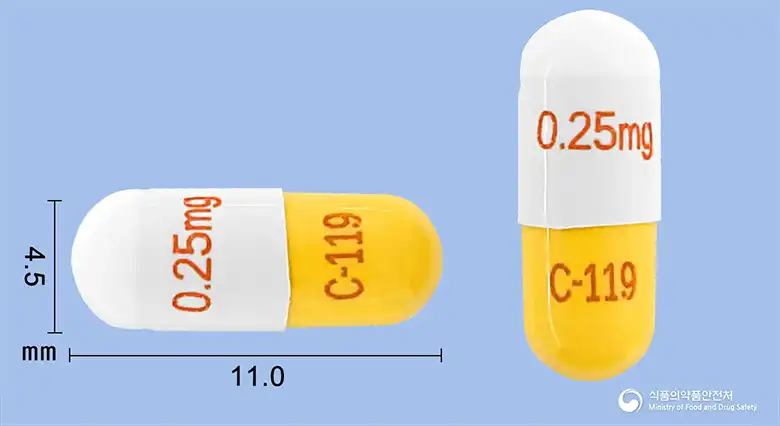
Tacrolimus Hydrate 0.255mg
Hard capsule · Prescription medication
Chongkundang Corporation
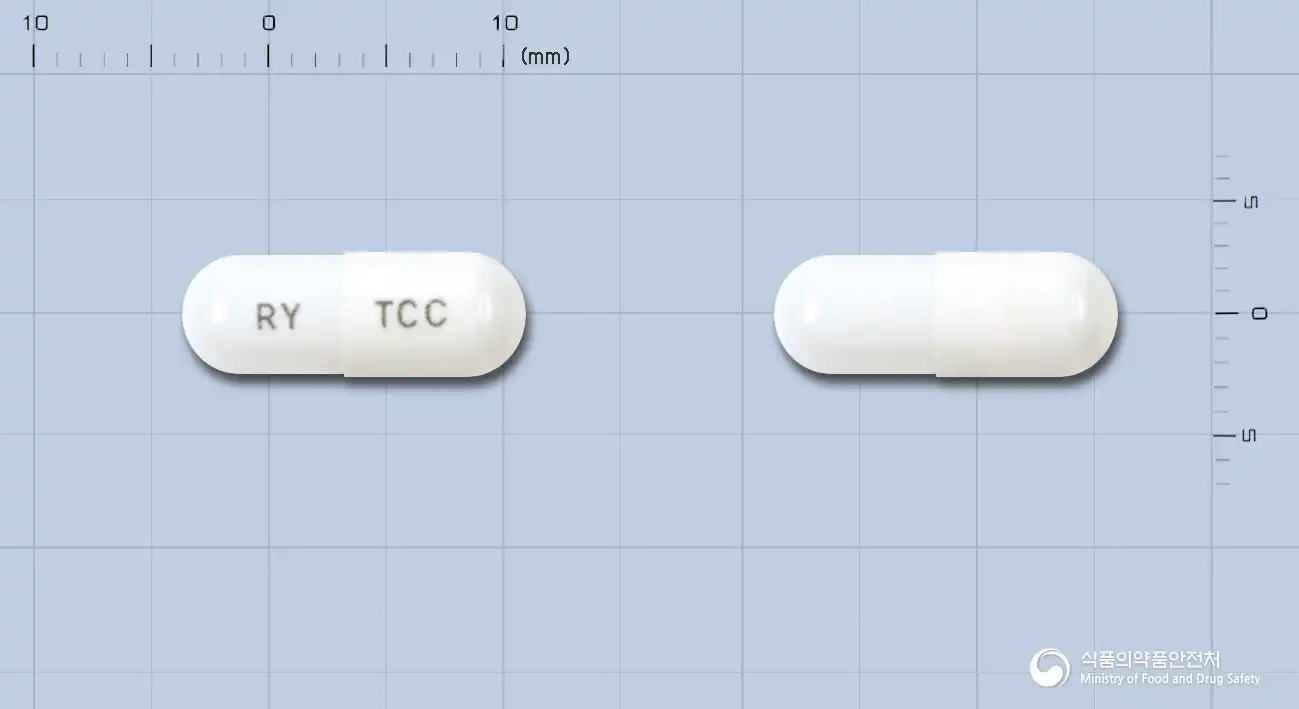
Tacrolimus Hydrate 1.02mg
Hard capsule · Prescription medication
Ilyun Pharmaceutical Co., Ltd.
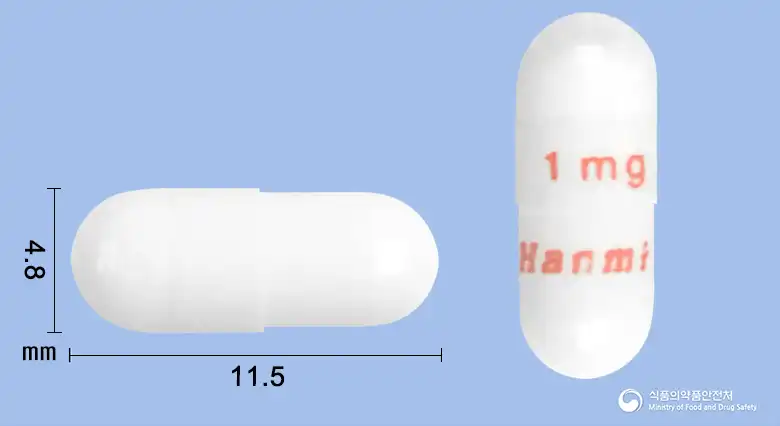
Tacrolimus Hydrate 1.02mg
Hard capsule · Prescription medication
Hanmi Pharmaceutical Co., Ltd.
Tacrolimus Hydrate 5.1mg
Prescription medication
Korea Astellas Pharma Co., Ltd.
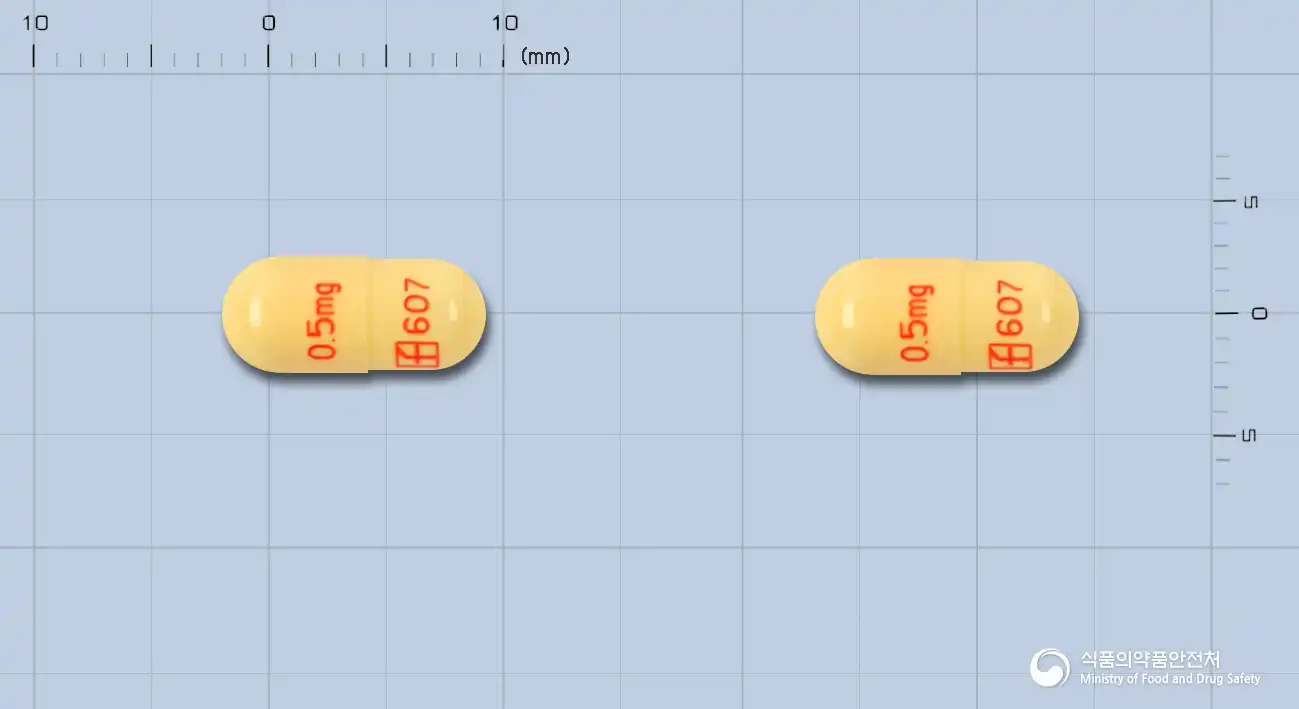
Tacrolimus Hydrate 0.51mg
Hard capsule · Prescription medication
Korea Astellas Pharma Co., Ltd.
Even with the same ingredient, the dose and directions can differ by strength and dosage form. Talk to a doctor or pharmacist before switching from a medication you are already taking.
No questions yet.
For anything that needs medical judgment, consult a doctor or pharmacist.
This drug information is based on data provided by the Korea Ministry of Food and Drug Safety.
Consult a doctor or pharmacist for accurate dosage, administration, and usage instructions.