
 한국어
 English
 日本語
 中文(简体)
 Viewing now
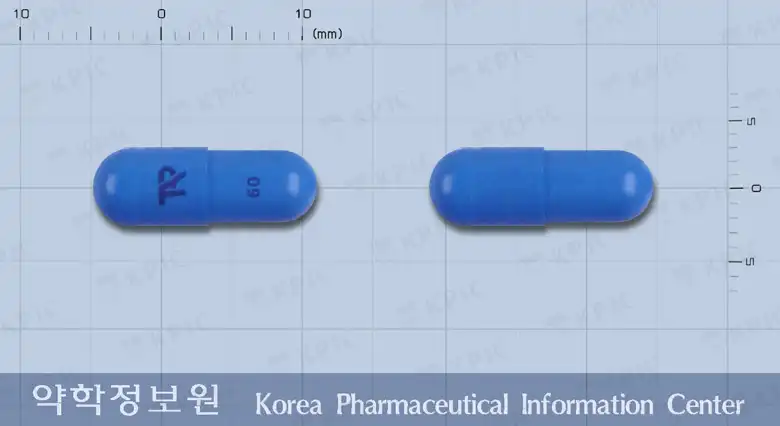
Dexilant DR Capsule 60 mg (Dexlansoprazole)
Dexlansoprazole 45mg
Hard capsule · Prescription medication
Takeda Pharmaceutical Korea Co., Ltd.
MFDS item code 201207344 · Approved 2012.10.22 · Insurance code 696300180
Treatment of erosive esophagitis and maintenance after treatment; treatment of heartburn associated with nonerosive gastroesophageal reflux disease
This medication helps in the treatment and maintenance of erosive esophagitis and is also used for relief of heartburn due to non-erosive gastroesophageal reflux disease. In other words, it effectively improves symptoms of gastrointestinal disorders and helps prevent recurrence of symptoms. This efficacy contributes to enhancing the quality of life for patients.
This medicine may be taken with or without food. Swallow this medicine whole. Patients who have difficulty swallowing the medicine may administer it by one of the following methods. 1) Open the capsule and sprinkle the granules onto 1 tablespoon (15 mL) of applesauce, then administer immediately. The granules must not be chewed. 2) Open the capsule and place the granules in a clean container. Mix with 20mL of water, draw the entire mixture into an oral syringe, and gently shake to prevent the granules from settling. Administer the mixture orally immediately. Do not save the water-and-granule mixture for later use. Then add another 10 mL of water to the syringe, gently shake, and administer orally; repeat this process 2 times. 3) Open the capsule and place the granules in a clean container. Mix with 20mL of water, draw the entire mixture into a catheter-tipped syringe, and gently shake to prevent the granules from settling. Immediately administer the mixture into the stomach through a nasogastric tube (≥16 French). Do not save the water-and-granule mixture for later use. Then add another 10 mL of water to the syringe, gently shake, and administer through the nasogastric tube; repeat this process 2 times. Maintenance of healed erosive esophagitis: For adults, administer dexlansoprazole 30mg orally once daily for up to 6 months. Patients with hepatic impairment: No dose adjustment is necessary in patients with mild hepatic impairment (Child-Pugh Class A). For patients with moderate hepatic impairment (Child-Pugh Class B), 30mg of this medicine may be considered the maximum daily dose. Clinical studies have not been conducted in patients with severe hepatic impairment (Child-Pugh Class C) (see section '9. Administration to patients with hepatic impairment' under Precautions for Use).
Adolescents aged 12 years and older — Treatment of erosive esophagitis: Administer dexlansoprazole 60mg orally once daily for up to 8 weeks. Adolescents aged 12 years and older — Maintenance of healed erosive esophagitis: Administer dexlansoprazole 30mg orally once daily for up to 16 weeks. Adolescents aged 12 years and older — Treatment of symptoms associated with symptomatic non-erosive gastroesophageal reflux disease (Non-Erosive Gastroesophageal Reflux Disease): Administer dexlansoprazole 30mg orally once daily for 4 weeks.
This medication should not be used in patients with hypersensitivity to any of its components. Hypersensitivity reactions can manifest as anaphylaxis, angioedema, bronchospasm, etc., so caution is required. Patients taking antiretroviral drugs should refrain from using this medication concurrently, as it may interact with certain antiretroviral drugs and reduce efficacy. Gastrointestinal symptoms such as diarrhea, abdominal pain, nausea, and vomiting may occur while taking this medication, and if these symptoms are severe, consultation with a healthcare provider is advised. Prolonged use may lead to electrolyte imbalances such as hypomagnesemia and hypocalcemia, and regular blood tests may be necessary. This medication suppresses gastric acid secretion, which may slightly increase the risk of gastrointestinal bacterial infections; thus, if diarrhea persists, medical attention should be sought. During pregnancy, this medication should only be taken if necessary and after consulting a physician, and breastfeeding mothers should also consult a specialist since this medication can be passed into breast milk. Elderly patients or those with liver impairment may require dose adjustment, and use should follow a physician's instructions. If a dose is missed, do not take the missed dose if the next dosing time is near; it is safer to resume the regular dosing schedule. If rashes, hives, or severe allergic reactions occur during use of this medication, it should be discontinued immediately, and a medical institution should be visited. There may be interactions with other medications, so it is essential to inform healthcare providers of any other medications currently being taken. This medication is not recommended for children, especially those under 12 years of age, as safety and efficacy have not been established. In case of overdose, there is no specific antidote, and symptomatic treatment is needed according to medical guidance. This medication should be kept out of reach of children, and changing the storage container is not advisable for quality maintenance.
Anaphylaxis, anaphylactic shock, angioedema, bronchospasm, acute interstitial nephritis, urticaria, diarrhea, abdominal pain, nausea, upper respiratory tract infection, vomiting, distension, anemia, lymphadenopathy, angina pectoris, arrhythmia, bradycardia, chest pain, edema, myocardial infarction, palpitations, tachycardia, ear pain, tinnitus, dizziness, thyroid enlargement, eye irritation, eye edema, abdominal discomfort, abdominal tenderness, abnormal bowel movements, anal discomfort, Barrett's esophagus, gastric stones, abnormal bowel sounds, halitosis, microscopic colitis, colon polyps, constipation, thirst, duodenitis, dyspepsia, dysphagia, enteritis, belching, esophagitis, gastric polyps, gastritis, gastroenteritis, gastrointestinal disorders, gastrointestinal hypermotility disorders, gastroesophageal reflux disease, gastrointestinal ulcers and perforations, hematemesis, blood in stools, hemorrhoids, gastroparesis, irritable bowel syndrome, mucus in stools, oral mucosal vesicles, pain during bowel movements, proctitis, oral sensory disturbances, rectal bleeding, nausea, adverse drug reactions, weakness, chills, abnormal sensations, inflammation, mucosal inflammation, nodules, pain, fever, biliary colic, cholelithiasis, hepatomegaly, hypersensitivity, Candida infection, influenza, nasopharyngitis, oral herpes simplex, pharyngitis, sinusitis, viral infections, vulvar infections, falls, fractures, joint sprains, overdose, progressive pain, sunburn, increased ALP, increased ALT, increased AST, decreased bilirubin, increased bilirubin, increased serum creatinine, increased serum gastrin, increased blood glucose, increased serum potassium, abnormal liver function tests, decreased platelet count, increased total protein, weight gain, changes in appetite, hypercalcemia, hypokalemia, arthralgia, arthritis, muscle cramps, musculoskeletal pain, myalgia, taste changes, seizures, dizziness, headaches, migraines, memory impairment, sensory disturbances, psychomotor hyperactivity, tremors, trigeminal neuralgia, abnormal dreams, anxiety, depression, insomnia, changes in libido, urination disorders, urgency, dysmenorrhea, dyspareunia, menorrhagia, menstrual disorders, aspiration, asthma, bronchitis, cough, dyspnea, hiccups, hyperventilation, airway congestion, sore throat, acne, dermatitis, erythema, pruritus, rash, skin lesions, urticaria, deep vein thrombosis, facial flushing, hypertension, anaphylactic shock, exfoliative dermatitis, hypomagnesemia, hyponatremia, hypocalcemia, hypokalemia, fractures, cerebrovascular accidents, transient ischemic attacks, acute kidney failure, erectile dysfunction, pharyngeal edema, throat tightness, generalized erythema, hypersensitivity vasculitis, Stevens-Johnson syndrome, toxic epidermal necrolysis, drug reactions with eosinophilia and systemic symptoms, acute generalized exanthematous pustulosis, erythema multiforme, Clostridium difficile-associated diarrhea, systemic lupus erythematosus, cutaneous lupus erythematosus
Not everyone experiences these, and they can vary from person to person.
This medication should be stored in a sealed container to protect it from air or moisture. Additionally, it is important to store it in a cool place between 15 to 30 degrees Celsius to maintain its effectiveness.
A hard capsule filled with white or light brown granules, with a blue upper part and a blue lower part.
60 capsules (10 capsules/PTP packaging x 6)/box
Even with the same ingredient, strength, dosage form and how it is taken can differ.
Viewing nowDexlansoprazole 45mg
Hard capsule · Prescription medication
Takeda Pharmaceutical Korea Co., Ltd.
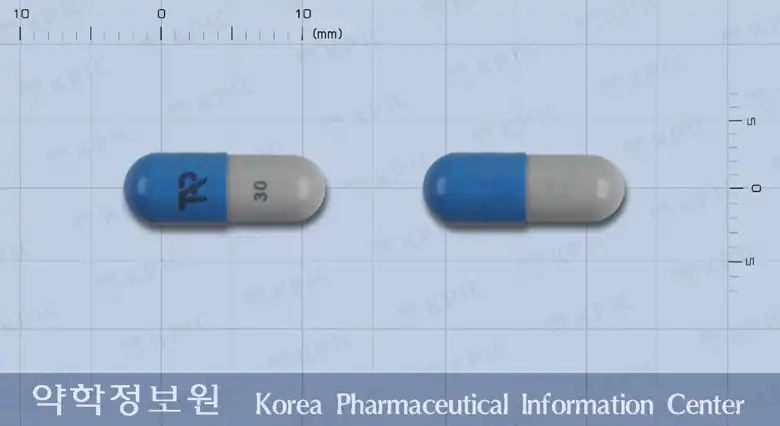
Dexlansoprazole 22.5mg
Hard capsule · Prescription medication
Takeda Pharmaceutical Co., Ltd.
Dexlansoprazole 45mg
Hard capsule · Prescription medication
Yuhan Corporation
Dexlansoprazole 22.5mg
Prescription medication
Yuhan Corporation
Even with the same ingredient, the dose and directions can differ by strength and dosage form. Talk to a doctor or pharmacist before switching from a medication you are already taking.
No questions yet.
For anything that needs medical judgment, consult a doctor or pharmacist.
This drug information is based on data provided by the Korea Ministry of Food and Drug Safety.
Consult a doctor or pharmacist for accurate dosage, administration, and usage instructions.