
 한국어
 English
 日本語
 中文(简体)
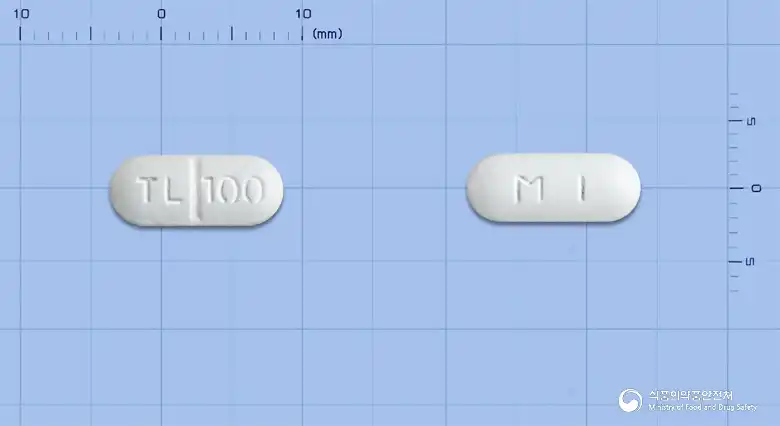 Viewing now
Tralin Tablets 100mg (Sertraline Hydrochloride)
Sertraline Hydrochloride 111.9mg
Tablet · Prescription medication
Myungjin Pharmaceutical Co., Ltd.
MFDS item code 201207003 · Approved 2012.09.28 · Insurance code 651903750
Treatment of mood disorders (e.g., depression), anxiety disorders (e.g., panic disorder), and obsessive-compulsive disorder
This medication is used to treat depression as well as obsessive-compulsive disorder, panic disorder, post-traumatic stress disorder, social anxiety disorder (social phobia), and premenstrual dysphoric disorder in both adults and children.
Depression and obsessive-compulsive disorder : The initial dose is 50 mg of sertraline orally once daily. The maintenance dose is 50-100 mg daily. If the effect is insufficient, the dose may be increased in increments of 50 mg up to a maximum of 200 mg daily. Dose adjustments should be made at intervals of at least 1 week. Panic disorder, post-traumatic stress disorder, and social anxiety disorder : Start with a dose of 25 mg once daily, and increase the dose to 50 mg once daily after 1 week. Although the relationship between dose and effect has not been established, 50-200 mg daily may be administered to achieve a clinical treatment effect. For patients who do not respond to a dose of 50 mg once daily, the dose may be increased up to a maximum of 200 mg daily. Dose adjustments should be made at intervals of at least 1 week. This medicine should be taken once daily, either in the morning or evening. For continued maintenance therapy, adjust the dose to the lowest effective level based on the patient's response. Premenstrual dysphoric disorder : Take a dose of 50 mg once daily either continuously throughout the menstrual cycle or only during the luteal phase. For continuous administration throughout the menstrual cycle, patients who do not respond to 50 mg once daily may have the dose increased by 50 mg starting on the first day of administration in the next menstrual cycle, up to a maximum of 150 mg once daily. For administration only during the luteal phase, patients who do not respond to 50 mg once daily may have the dose increased up to a maximum of 100 mg once daily. In this case, administer 50 mg once daily on days 1~3 of the luteal phase of the menstrual cycle and 100 mg once daily from day 4 until menstruation begins. Elderly patients No special dose adjustment is required. Adjust the dose appropriately according to symptoms. Switching from or to an MAO inhibitor used to treat psychiatric disorders When discontinuing an MAO inhibitor used to treat psychiatric disorders and starting treatment with this medicine, allow an interval of at least 14 days. Conversely, when starting an MAO inhibitor to treat psychiatric disorders, at least 14 days must have elapsed after discontinuing this medicine. Other MAO inhibitors, such as linezolid or methylene blue Patients receiving linezolid or intravenous methylene blue should not start treatment with this medicine because of the increased risk of serotonin syndrome. For patients requiring more urgent treatment for a psychiatric condition, including hospitalization, other interventions should be considered. It may be necessary to urgently administer linezolid or intravenous methylene blue to a patient already receiving this medicine. If there is no alternative to linezolid or intravenous methylene blue and the benefits of treatment with linezolid or intravenous methylene blue are judged to outweigh the risk of serotonin syndrome for a particular patient, discontinue this medicine immediately and administer linezolid or intravenous methylene blue. Monitor the patient for symptoms of serotonin syndrome for 2 weeks after administration of linezolid or intravenous methylene blue, or until 24 hours after the last dose, whichever comes first. Treatment with this medicine may be restarted 24 hours after the last dose of linezolid or intravenous methylene blue. The risk associated with administration of methylene blue by non-intravenous routes (oral tablets or local injection) or with intravenous administration of this medicine at a dose of 1mg/kg or less is unclear. Nevertheless, clinicians should be aware of the possibility of emergency symptoms of serotonin syndrome with these uses.
Patients aged 6-12 years should start treatment at a dose of 25 mg once daily. For pediatric patients who do not respond to 25 mg once daily, the dose may be increased up to a maximum of 200 mg daily. Patients aged 13-17 years should start treatment at a dose of 50 mg once daily. For pediatric patients who do not respond to 50 mg once daily, the dose may be increased up to a maximum of 200 mg daily. In clinical trials demonstrating the effectiveness of Zoloft in pediatric patients aged 6-17 years with obsessive-compulsive disorder, doses in the range of 25-200 mg/day were administered. Given that the elimination half-life of Zoloft is 24 hours, dose adjustments should be made at intervals of at least 1 week. Zoloft should be taken once daily in pediatric patients, either in the morning or evening.
This drug is mainly used as an antidepressant for the treatment of psychiatric disorders such as depression and obsessive-compulsive disorder. During the use of this medication, especially in young patients aged 18 to 24, the risk of suicidal thoughts or behaviors may increase, thus patients and their guardians should carefully monitor symptoms. Additionally, this medication can cause a serious side effect known as serotonin syndrome, which can lead to abnormal symptoms in the nervous and autonomic nervous systems, so if related symptoms occur, immediate consultation with a doctor is needed. This drug should not be taken with certain types of medications known as MAO inhibitors, as life-threatening side effects can occur when used in combination. Interactions can also occur when taken with other medications, particularly those that enhance serotonin activity, so caution is required when combined with these drugs. Patients with severely impaired liver function or those with hypersensitivity to this drug should not take it, and those with slightly impaired liver function should take it with caution. Patients with epilepsy may have an increased risk of seizures, hence they should take this medication under strict medical supervision. Patients with glaucoma should also be cautious as there is a risk of increased intraocular pressure when taking this medication. This drug may cause side effects such as drowsiness, dizziness, headache, and has also been reported to cause sexual dysfunction, bleeding tendency, hyponatremia, and changes in blood sugar levels. While taking this medication, caution should be exercised when driving or operating dangerous machinery, and it is advisable to avoid consuming alcohol. Women who are pregnant or may become pregnant should take this medication with caution after consulting their doctor, and breastfeeding mothers should also consult with professionals as this medication may affect the baby. Use is only approved for the treatment of obsessive-compulsive disorder in children and adolescents, and its safety and efficacy have not been established for other indications. Stopping the medication abruptly may lead to withdrawal symptoms such as dizziness, anxiety, and sleep disturbances; therefore, the dosage should be gradually reduced according to a doctor's instruction. In case of overdose, serious side effects may occur, and immediate emergency treatment is required, as there is no specific antidote; treatment according to the symptoms is necessary. This medication should be kept out of the reach of children and should not be transferred to other containers.
Leukopenia, thrombocytopenia, hypersensitivity, pseudoanaphylactic reaction, hypothyroidism, abnormal secretion of antidiuretic hormone, hyperprolactinemia, decreased appetite, increased appetite, diabetes, hyponatremia, hypoglycemia, hyperglycemia, insomnia, depressive symptoms, decreased libido, agitation, anxiety, hallucinations, aggression, euphoria, confusion, bruxism, psychotic disorder, nightmares, increased suicidal tendency, drowsiness, dizziness, headache, sensory disturbances, muscular hypertonicity, tremors, involuntary muscle contractions, coma, seizures, fainting, extrapyramidal disorder, hyperactivity, restlessness, migraine, sensory loss, serotonin syndrome, abnormal muscle tone, visual impairment, mydriasis, periorbital edema, tinnitus, palpitations, tachycardia, Torsade de Pointes, facial flushing, bleeding, hypertension, cerebral vasoconstriction, yawning, bronchospasm, epistaxis, eosinophilic pneumonia, pulmonary hypertension, diarrhea, dry mouth, nausea, vomiting, abdominal pain, constipation, dyspepsia, gastrointestinal bleeding, pancreatitis, liver damage, rash, hyperhidrosis, urticaria, purpura, pruritus, alopecia, toxic epidermal necrolysis, Stevens-Johnson syndrome, angioedema, exfoliative dermatitis, photosensitive skin reaction, arthralgia, muscle cramps, rhabdomyolysis, trismus, urinary retention, urinary incontinence, hematuria, nocturia, ejaculation disorder, sexual dysfunction, irregular menstruation, priapism, galactorrhea, gynecomastia, postpartum hemorrhage, fatigue, chest pain, lethargy, gait disturbance, facial edema, peripheral edema, fever, weakness, drug withdrawal syndrome, increased alanine aminotransferase, increased aspartate aminotransferase, weight loss, weight gain, abnormal laboratory test results, prolonged QT interval on electrocardiogram, abnormal platelet function tests, increased serum cholesterol, fractures, dizziness, sleep disturbances, anxiety, weakness, hallucinations, fainting, seizures, coma, respiratory arrest, death, drowsiness, gastrointestinal disturbances, tremors, agitation, coma
Not everyone experiences these, and they can vary from person to person.
This medication should be stored in a tightly sealed container to protect it from air and moisture. The storage temperature should be maintained between 1 and 30 degrees Celsius at room temperature. Proper storage will help maintain the drug's efficacy and safety.
White, oval film-coated tablet
30 tablets/bottle, 200 tablets/bottle
Even with the same ingredient, strength, dosage form and how it is taken can differ.
Viewing nowSertraline Hydrochloride 111.9mg
Tablet · Prescription medication
Myungjin Pharmaceutical Co., Ltd.
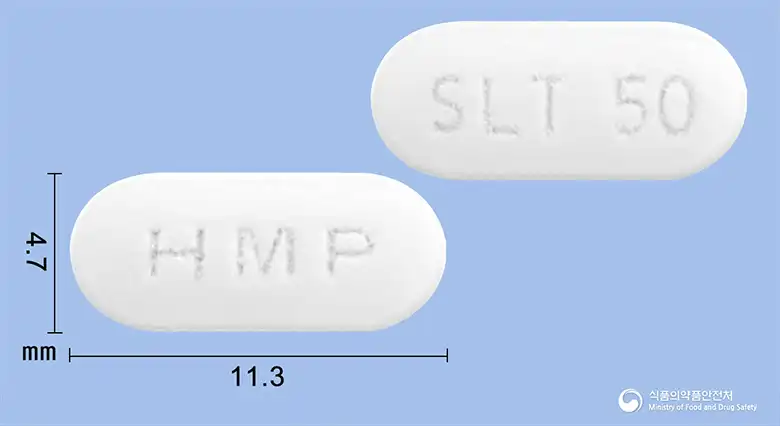
Sertraline Hydrochloride 55.95mg
Tablet · Prescription medication
Hanmi Pharmaceutical Co., Ltd.
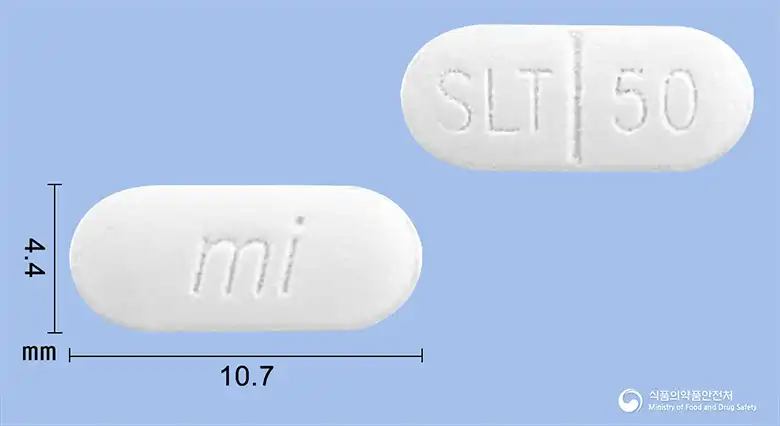
Sertraline Hydrochloride 55.95mg
Tablet · Prescription medication
Myungin Pharmaceutical Co., Ltd.
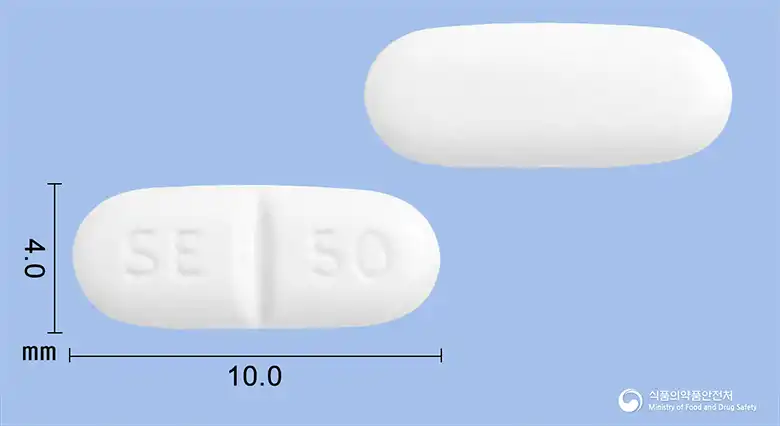
Sertraline Hydrochloride 55.95mg
Tablet · Prescription medication
Samil Pharmaceutical Co., Ltd.
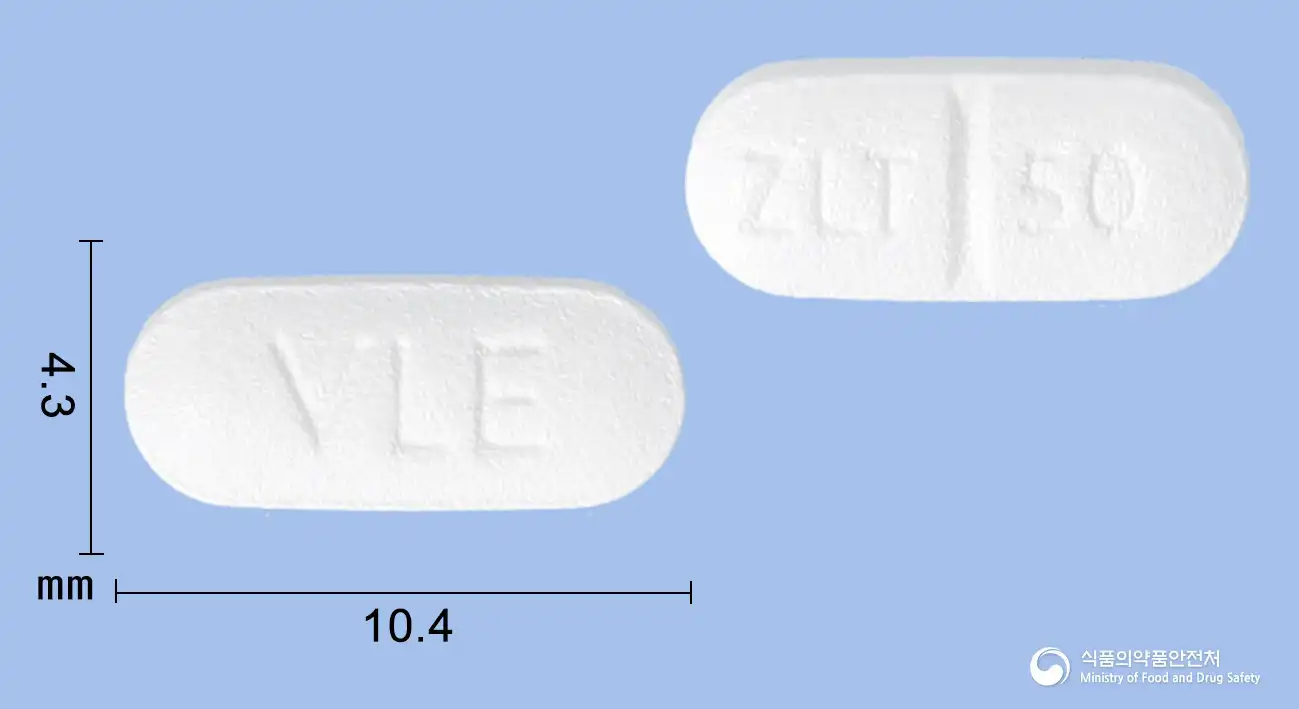
Sertraline Hydrochloride 55.95mg
Tablet · Prescription medication
Viatris Korea Co., Ltd.
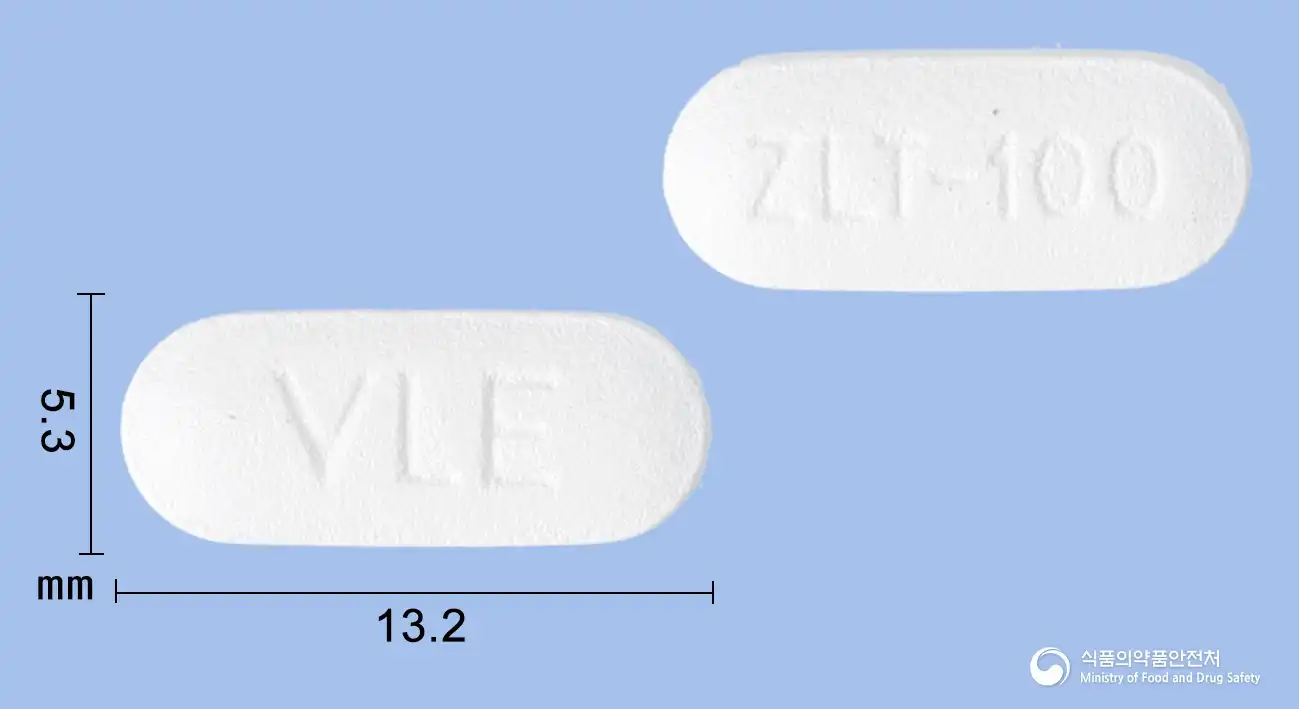
Sertraline Hydrochloride 111.9mg
Tablet · Prescription medication
Viatris Korea Co., Ltd.
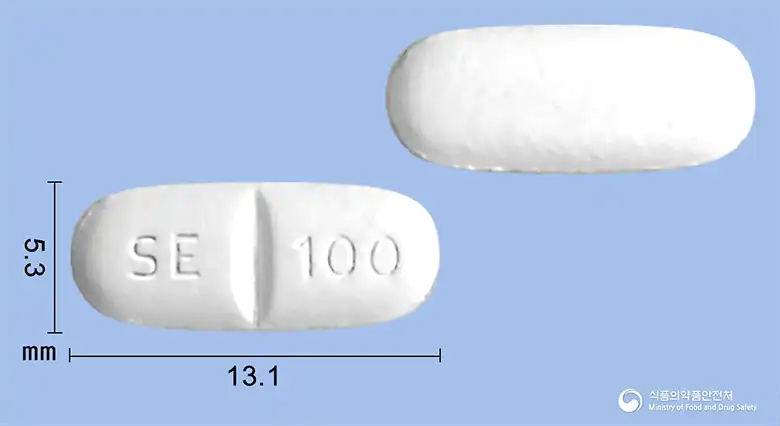
Sertraline Hydrochloride 111.9mg
Tablet · Prescription medication
Samil Pharmaceutical Co., Ltd.
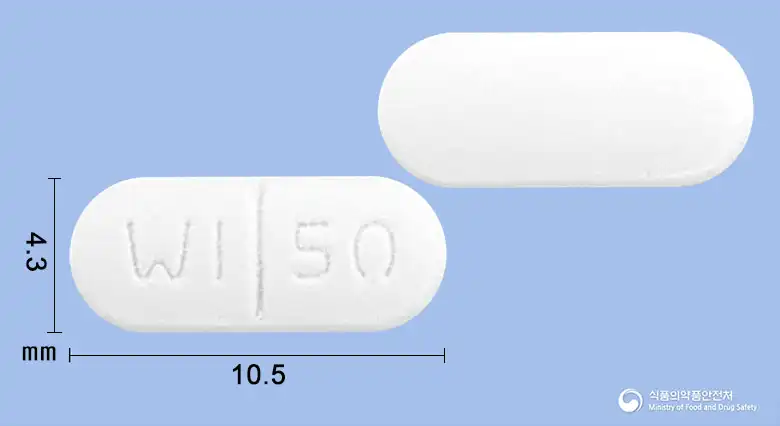
Sertraline Hydrochloride 55.95mg
Tablet · Prescription medication
Han-in Pharmaceutical Co., Ltd.
Even with the same ingredient, the dose and directions can differ by strength and dosage form. Talk to a doctor or pharmacist before switching from a medication you are already taking.
No questions yet.
For anything that needs medical judgment, consult a doctor or pharmacist.
This drug information is based on data provided by the Korea Ministry of Food and Drug Safety.
Consult a doctor or pharmacist for accurate dosage, administration, and usage instructions.