
 한국어
한국어 English
 日本語
日本語 中文(简体)
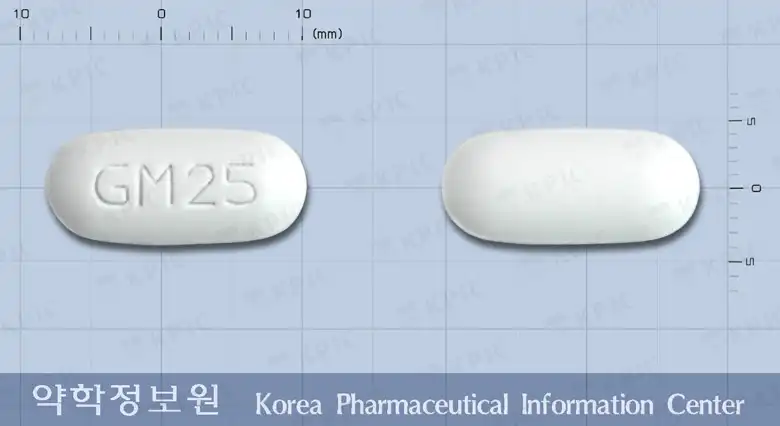 Viewing nowCombination
Glafomin SR Tablet 2/500mg
Glimepiride 2mg · Metformin Hydrochloride 500mg
Tablet · Prescription medication · Combination
Yuhan Corporation
MFDS item code 201206672 · Approved 2012.08.31
Improvement in blood sugar control for type 2 diabetes
This medication is used to help control blood sugar levels in patients with type 2 diabetes by using glimepiride and metformin together. It enhances blood sugar management effects when combined with meal and exercise therapy. Therefore, it is effective as an adjunct therapy for patients needing blood sugar control.
This medication is administered once daily before or together with the main meal in the morning. Even if a dose is missed, the next dose should not exceed the prescribed amount. As this medication is a controlled-release formulation, it should be swallowed whole and not crushed or chewed. The initial dose is 2/500mg glimepiride/metformin hydrochloride per day, and the dosage may be adjusted based on the patient's condition. If necessary, the maximum recommended dosage of glimepiride/metformin can be increased.
This medication can cause severe lactic acidosis or hypoglycemia; therefore, treatment should be stopped and a physician consulted if there is a sudden decrease in kidney function or signs of dehydration. It should not be administered to patients with kidney function below 45 mL/min/1.73m2, and caution is needed when taken with other medications that can affect kidney function in elderly patients. This medication may be associated with increased cardiovascular mortality risk, and the risks and benefits of treatment should be fully understood before taking it. It should not be given to specific patients such as those with type 1 diabetes, acute metabolic acidosis, severe liver function impairment, dialysis patients, congestive heart failure patients, or recent myocardial infarction. During the initial dosing period or in patients at high risk for hypoglycemia (malnutrition, irregular meals, alcohol consumption), special observation for hypoglycemia symptoms is necessary. Gastrointestinal side effects (diarrhea, nausea, etc.) may occur commonly but are usually temporary and can be reduced by taking the medication with meals. If allergic reactions or severe blood abnormalities occur, the physician should be informed immediately, and regular monitoring is necessary due to the risk of vitamin B12 deficiency. This medication should be swallowed whole and not crushed or chewed, and it is normal for the tablet coating to appear in the stool. If hypoglycemia occurs, sugar should be consumed immediately, and in severe cases, medical assistance should be sought. If symptoms of lactic acidosis (fatigue, muscle pain, breathing difficulties, etc.) occur, administration should be stopped immediately, and emergency treatment should be received. Pregnant and nursing women should not take this medication; it is advisable to consult a physician about switching to insulin therapy if blood sugar control is needed. This medication can interact with other drugs, so all currently taken medications should be disclosed to the healthcare provider. In case of overdose, immediate emergency intervention is necessary due to the risk of severe side effects such as hypoglycemia or lactic acidosis. Regular monitoring of blood sugar, kidney function, and hematological tests is required, and any changes in symptoms or condition during treatment should be discussed with a physician. Alcohol consumption may increase the risk of side effects, so it is advisable to avoid it during treatment.
Hives, severe swelling (edema), chest tightness, difficulty breathing, hypoglycemia, lactic acidosis, severe allergic reactions, severe skin adverse reactions, thrombocytopenia (especially accompanied by a platelet count <10,000/㎕), liver abnormalities (including jaundice), severe edema or urinary issues, severe neurological symptoms (confusion, seizures, paralysis, etc.), respiratory issues
Not everyone experiences these, and they can vary from person to person.
This medication can be sensitive to air or moisture; therefore, it should be stored in a tightly sealed container. The storage temperature should be kept between 1 degree and 30 degrees Celsius at room temperature. Proper storage will safely maintain the medication's efficacy.
White oval film-coated tablet
30 tablets/bottle
Even with the same ingredient, strength, dosage form and how it is taken can differ.
Viewing nowCombinationGlimepiride 2mg · Metformin Hydrochloride 500mg
Tablet · Prescription medication · Combination
Yuhan Corporation
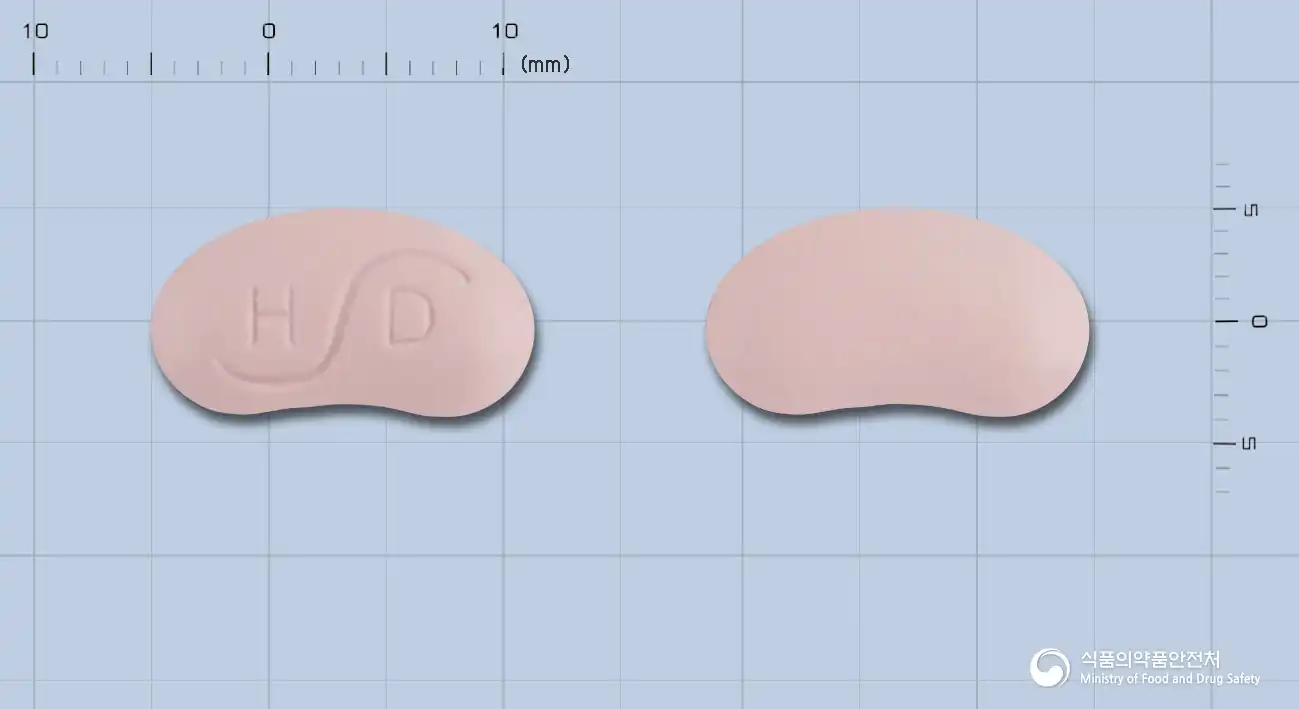 Combination
Metformin Hydrochloride 500mg · Glimepiride 1mg
Tablet · Prescription medication · Combination
Hanmi Pharmaceutical Co., Ltd.
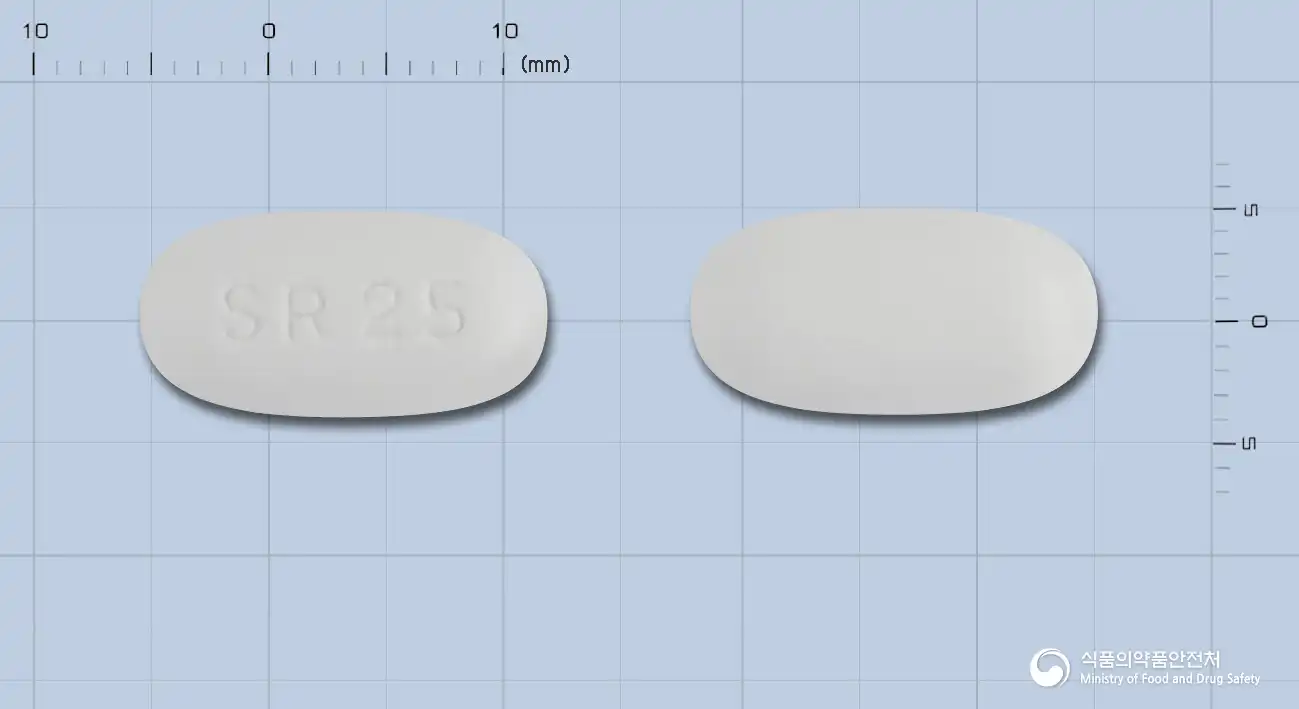 Combination
Metformin Hydrochloride 500mg · Glimepiride 2mg
Tablet · Prescription medication · Combination
Handok Co., Ltd.
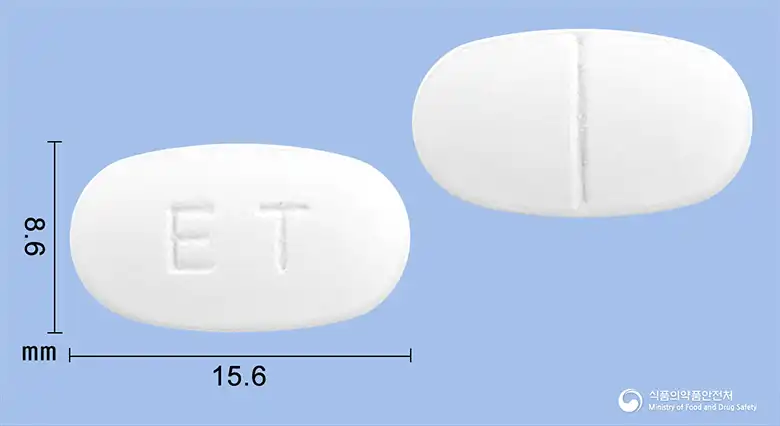 Combination
Metformin Hydrochloride 500mg · Glimepiride 2mg
Tablet · Prescription medication · Combination
Teragen Etex Co., Ltd.
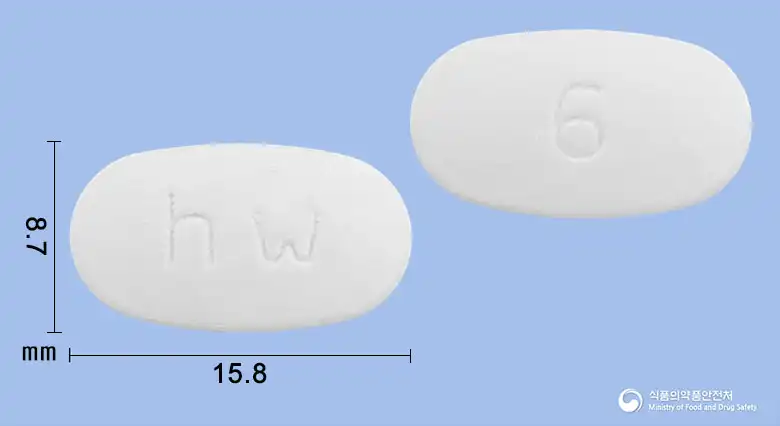 Combination
Glimepiride 2mg · Metformin Hydrochloride 500mg
Tablet · Prescription medication · Combination
Hawon Pharmaceutical Co., Ltd.
Metformin Hydrochloride 500mg · Glimepiride 2mg
Tablet · Prescription medication · Combination
TDS Pharm Co., Ltd.
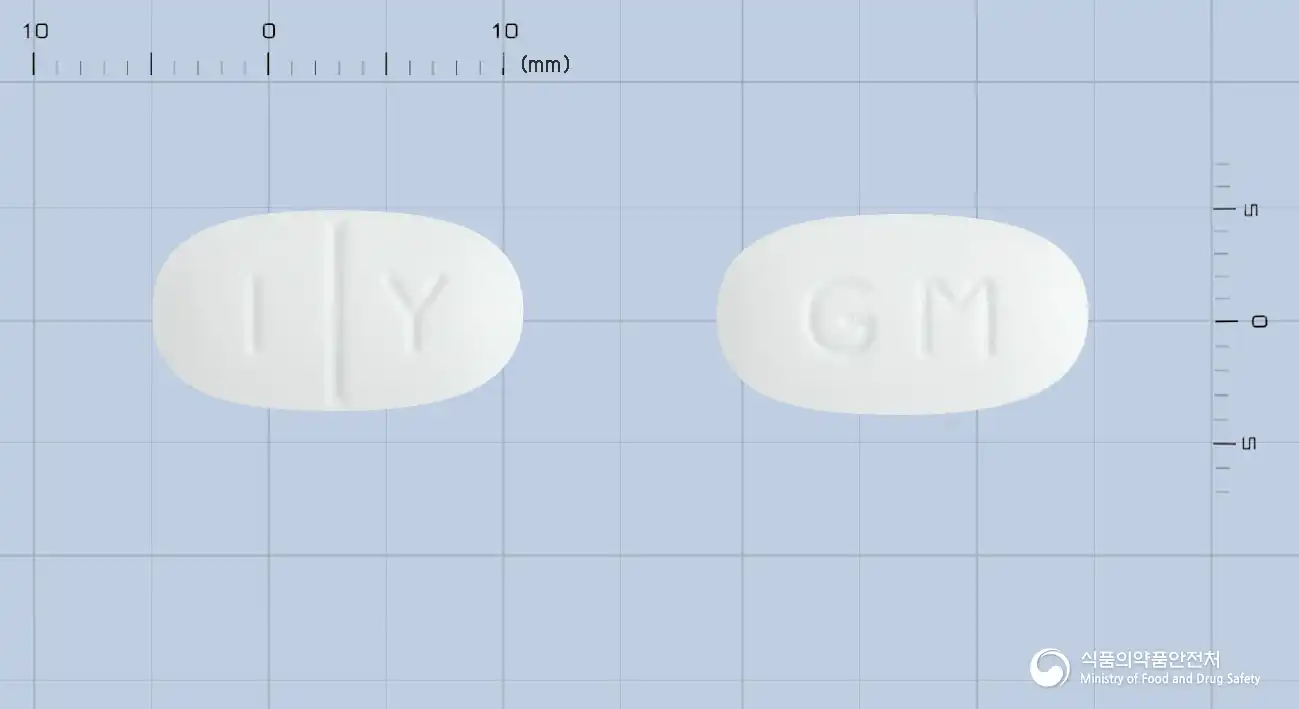 Combination
Glimepiride 2mg · Metformin Hydrochloride 500mg
Tablet · Prescription medication · Combination
Il Yang Pharmaceutical Co., Ltd.
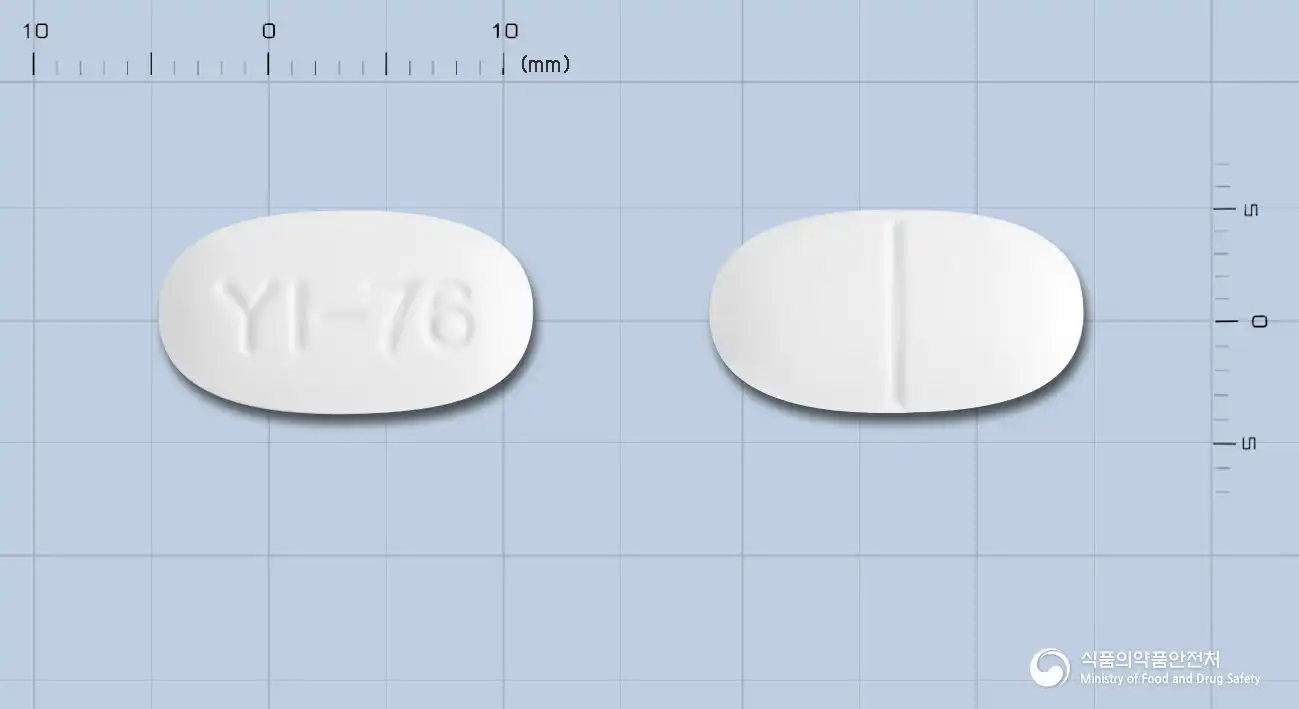 Combination
Glimepiride 2mg · Metformin Hydrochloride 500mg
Tablet · Prescription medication · Combination
Youngil Pharmaceutical Co., Ltd.
Even with the same ingredient, the dose and directions can differ by strength and dosage form. Talk to a doctor or pharmacist before switching from a medication you are already taking.
No questions yet.
For anything that needs medical judgment, consult a doctor or pharmacist.
This drug information is based on data provided by the Korea Ministry of Food and Drug Safety.
Consult a doctor or pharmacist for accurate dosage, administration, and usage instructions.