
 한국어
한국어 English
 日本語
日本語 中文(简体)
Dosage form image
Viewing nowCafka Injection (Caffeine Citrate)
Anhydrous Caffeine 10mg
Injections · Prescription medication
Kolon Pharmaceutical Co., Ltd.
MFDS item code 201206458 · Approved 2012.08.13 · Insurance code 670303570
Treatment of apnea in premature infants
Apnea in premature infants is primarily a cessation of breathing due to an immature nervous system. This medication is used to prevent or treat apnea in premature infants. Through safe and effective treatment, it promotes normal breathing in the baby and helps recovery.
Initial dose: 1mL/kg to be administered intravenously using a syringe pump for over 30 minutes. Maintenance dose: 0.25mL/kg once daily orally or administered intravenously using a syringe pump for over 10 minutes.
Initial dose: 1mL/kg to be administered intravenously using a syringe pump for over 30 minutes. Maintenance dose: 0.25mL/kg once daily orally or administered intravenously using a syringe pump for over 10 minutes.
This medication can lead to a serious intestinal disease known as necrotizing enterocolitis when administered to newborns, so the infant's condition must be closely monitored during administration. In the case of injection, care should be taken when opening the container to avoid foreign glass fragments; it should be handled very carefully, and extra caution should be exercised when used in children or the elderly. Patients who are allergic to any of the components of this medication should not use it, and it should be administered with caution in patients with seizure disorders, cardiovascular diseases, or inadequate liver or kidney function. Various adverse reactions may occur after administration, such as gastrointestinal issues, cardiovascular anomalies, skin rashes, and neurological symptoms, so immediate medical consultation is necessary if symptoms appear. Blood glucose levels should be checked periodically while using this medication, and especially in neonates, caffeine levels in the blood should be monitored regularly to prevent overdose. Drug interactions may occur when used with other medications, so current medications should be reported to healthcare providers, and dosage adjustments may be necessary when used with specific medications. The safety in pregnant women has not been sufficiently established, so caution is advised during pregnancy. In cases of overdose, serious symptoms such as fever, tremors, and seizures may occur, requiring immediate emergency treatment, including possible exchange transfusion or medication therapy. This medication is intended for single use, and any remaining medication must be discarded. It should be stored in a cool place out of the reach of children. While used for treating apnea in premature infants, apnea caused by other factors should be treated first. If apnea persists or gastrointestinal problems and drowsiness appear, consult a physician immediately.
Accidental injury, anorexia, sepsis, gastritis, gastrointestinal bleeding, acidosis, abnormal healing, dry skin, rash, skin rupture, retinopathy in premature infants, hypoglycemia, hyperglycemia, tachycardia, increased left ventricular ejection fraction, increased cardiac output, increased gastric aspiration, gastrointestinal intolerance, increased urinary output, increased creatinine clearance, increased excretion of sodium and calcium, fever, rapid breathing, tremors, excessive muscle tone, arched rigidity, hypertonic convulsions.
Not everyone experiences these, and they can vary from person to person.
This medication should be stored in a sealed container to prevent air or moisture from entering. The storage temperature should be maintained between 15 to 30 degrees Celsius. Proper storage will help maintain the medication's effectiveness for a longer period.
A colorless and transparent liquid contained in a colorless and transparent ampoule for injection.
10 ampoules/box [(1 milliliter/ampoule x 10)]
Even with the same ingredient, strength, dosage form and how it is taken can differ.
Anhydrous Caffeine 10mg
Injections · Prescription medication
Kolon Pharmaceutical Co., Ltd.
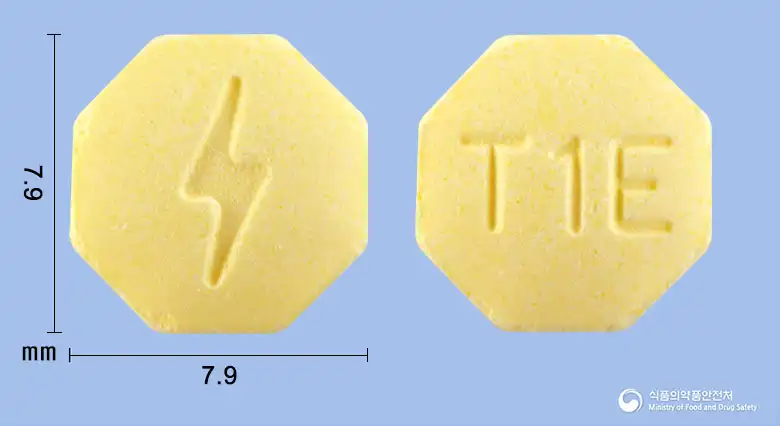
Anhydrous Caffeine 50mg
Tablet · OTC medication
GEL Pharma Co., Ltd.
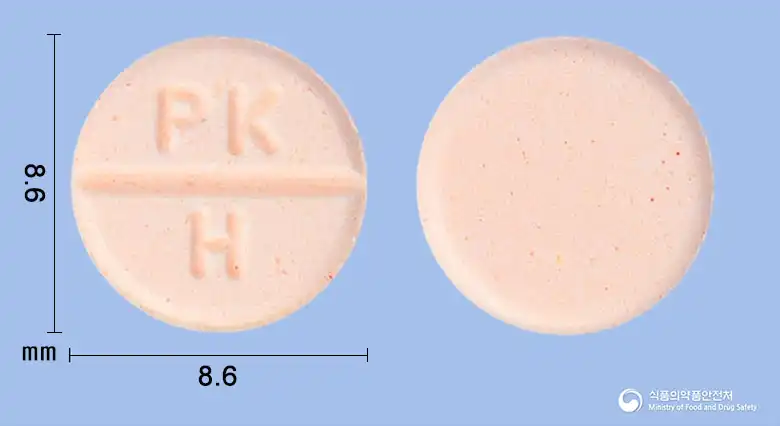
Anhydrous Caffeine 50mg
Tablet · OTC medication
Korea Pavis Pharmaceutical Co., Ltd.
Even with the same ingredient, the dose and directions can differ by strength and dosage form. Talk to a doctor or pharmacist before switching from a medication you are already taking.
No questions yet.
For anything that needs medical judgment, consult a doctor or pharmacist.
This drug information is based on data provided by the Korea Ministry of Food and Drug Safety.
Consult a doctor or pharmacist for accurate dosage, administration, and usage instructions.