
 한국어
 English
 日本語
 中文(简体)
 Viewing now
Youngproma Tablet (Procyclidine Hydrochloride)
Procyclidine Hydrochloride 5mg
Tablet · Prescription medication
Youngjin Pharmaceutical Co., Ltd.
MFDS item code 201206444 · Notified 2012.08.13 · Insurance code 642403550
Relief of Parkinson's disease and antipsychotic-induced extrapyramidal symptoms
This medication is used to improve tremor, rigidity, fatigue, weakness, and lethargy symptoms caused by sequelae of encephalitis, atherosclerotic and idiopathic Parkinson's disease. Additionally, it helps alleviate extrapyramidal symptoms such as dystonia, abnormal movements, and akathisia induced by antipsychotic medications, such as phenothiazines and reserpine. It is used to effectively address a variety of neuro-motor disturbance symptoms.
1. Parkinson's disease The dosage should be determined individually, as the optimal dose varies from patient to patient. Younger adult patients and patients with postencephalitic parkinsonism may require higher doses than elderly patients and patients with arteriosclerotic parkinsonism. 1) Patients not receiving other drug therapy: Initially, administer 2.5 mg of procyclidine hydrochloride orally 3 times daily after meals. If the patient tolerates it well, the dose may be gradually increased to 5 mg per dose 3 times daily, or 5 mg may be given only with the final dose. In some cases, a lower dose may provide a better therapeutic effect. Patients who occasionally have difficulty adhering to bedtime dosing should preferably take the medication during the day, with the daily dose divided evenly, rather than taking it at bedtime. To minimize the occurrence of adverse reactions, it is preferable to take the medication during or after meals. 2) Switching from another drug regimen to procyclidine hydrochloride therapy In patients who have been receiving other medications, gradually switch all or part of the other medication to this drug, starting with 2.5 mg per dose 3 times daily. The dose of this drug should be gradually increased to the required level while the dose of the other medication is reduced correspondingly or the medication is discontinued, completing the switch. 2. Extrapyramidal symptoms caused by antipsychotics (phenothiazines, reserpine, etc.) When treating extrapyramidal symptoms caused by antipsychotics during treatment of patients with mental disorders, adjust the dose according to the severity of adverse reactions associated with the antipsychotic. In general, the higher the antipsychotic dose, the more severe symptoms such as rigidity and tremor may be. Therefore, adjust the dose to meet each patient's needs and reduce symptoms as much as possible. To establish the daily dose of this drug, begin by administering 2.5 mg per dose 3 times daily and increase by up to 2.5 mg per day until symptoms are relieved. In most cases, excellent effects are achieved with a daily dose of 10~20 mg of this drug.
This medication may not be suitable for certain patients. For instance, it should not be administered to individuals allergic to this medication or its components, patients with eye problems such as narrow-angle glaucoma, individuals with urinary retention, those with gastrointestinal blockage, severely weakened muscles, patients with severe colitis, individuals with tardive dyskinesia, those with initial dementia symptoms or dementia patients, individuals with impaired bowel function, and those struggling with addiction to alcohol or certain drugs. Furthermore, patients with heart disease or impaired liver or kidney function, as well as individuals experiencing rapid heartbeat, should exercise caution when using this medication. Elderly patients may be at risk for mental confusion or hallucinations and should be treated more cautiously. This medication may cause side effects such as dry mouth or blurred vision, and symptoms like dizziness, nausea, and constipation may also occur. Occasionally, patients may experience mental anxiety or confusion, as well as reported skin rashes, reduced sweating, and urinary retention. It is advisable to avoid driving or operating machinery while taking this medication. Additionally, combining it with other neurological medications may exacerbate side effects, so consultation with a physician is essential. Women who are pregnant or breastfeeding should carefully consider the risks and benefits of using this medication, and especially while breastfeeding, it is recommended to discontinue breastfeeding. Children and the elderly may be more sensitive to this medication, thus their dosage should be adjusted or administered with caution. In cases of overdose, severe heart problems, coma, hallucinations, high fever, and muscle weakness can occur, warranting immediate medical attention, with treatment tailored to the symptoms. This medication should be stored out of reach of children, and care should be taken not to transfer it to other containers as it may adversely affect product quality.
Not everyone experiences these, and they can vary from person to person.
This medication may be sensitive to air or moisture and should be stored in a tightly sealed container. It is advisable to maintain a storage temperature between 1 to 30 degrees Celsius. This helps ensure the medication's effectiveness and safety over time.
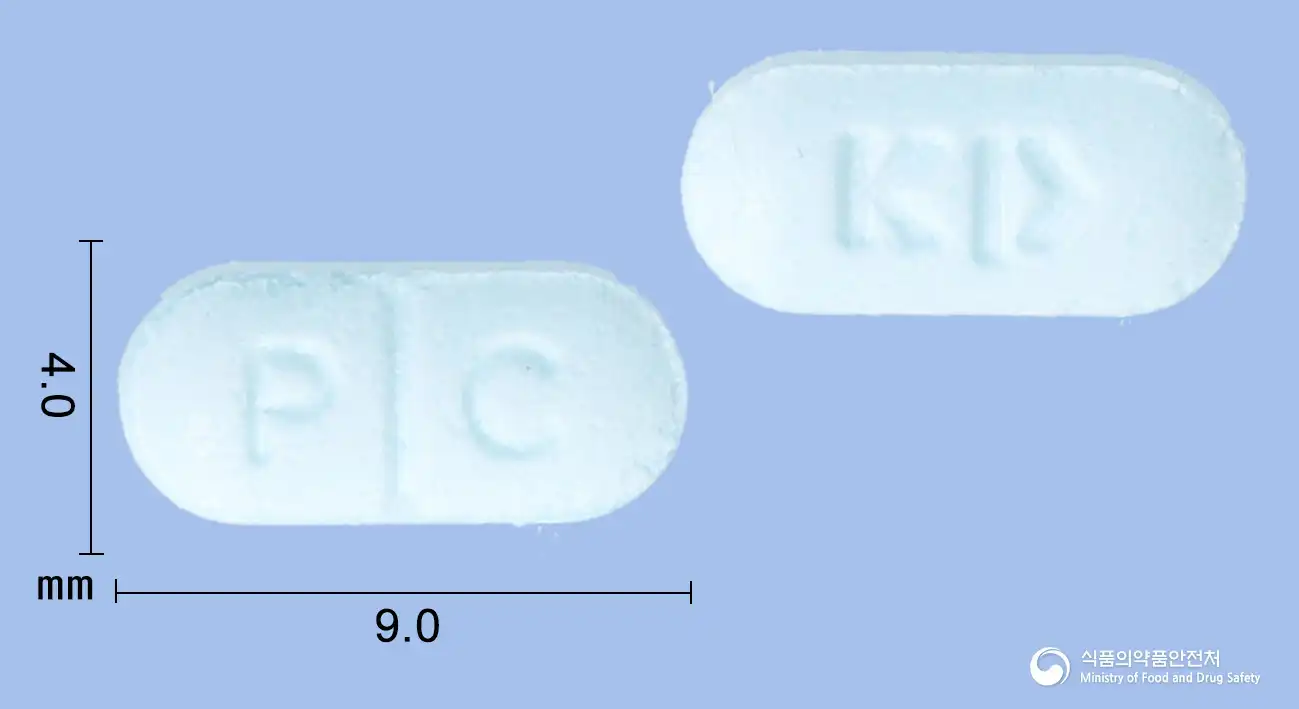
Pale blue oval tablet
30 tablets/bottle. 500 tablets/bottle
Even with the same ingredient, strength, dosage form and how it is taken can differ.
Viewing nowProcyclidine Hydrochloride 5mg
Tablet · Prescription medication
Youngjin Pharmaceutical Co., Ltd.
Procyclidine Hydrochloride 5mg
Tablet · Prescription medication
Huons Lifescience Co., Ltd.
Procyclidine Hydrochloride 5mg
Tablet · Prescription medication
Korea Pharma Co., Ltd.
Even with the same ingredient, the dose and directions can differ by strength and dosage form. Talk to a doctor or pharmacist before switching from a medication you are already taking.
No questions yet.
For anything that needs medical judgment, consult a doctor or pharmacist.
This drug information is based on data provided by the Korea Ministry of Food and Drug Safety.
Consult a doctor or pharmacist for accurate dosage, administration, and usage instructions.