
 한국어
한국어 English
 日本語
日本語 中文(简体)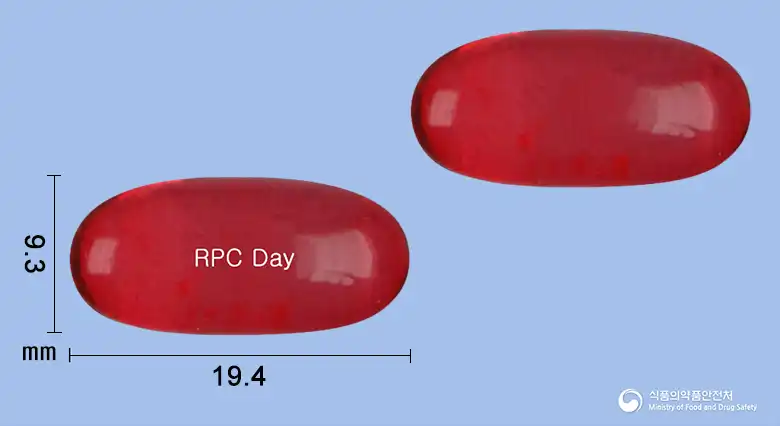
Summary
- Main use
- Relief of cold-related symptoms (respiratory, systemic)
- Who takes it
- Adults
- Adult dose
- (Daytime) Ages 15 and older: Take 2 capsules twice a day, 30 minutes after meals. (Nighttime) Take the following dosage after 6 hours of taking the daytime medication. Ages 15 and older: Take 2 capsules once a day, 30 minutes after meals.
Ingredients
- Acetaminophen200mg
- Guaifenesin40mg
- Phenylephrine Hydrochloride5mg
- Dextromethorphan Hydrobromide Hydrate8mg
- DL-Methylephedrine Hydrochloride10mg
- Diphenhydramine Hydrochloride20mg
- Manufacturer
- (주)유한양행
Efficacy & effects
Relief of cold-related symptoms (respiratory, systemic)
- Runny nose
- nasal congestion
- sneezing
- sore throat
- cough
- phlegm
- chills
- fever
- headache
- joint pain
- muscle pain
View approved original textHide original text
The daytime medication is used to relieve various symptoms of colds, including runny nose, nasal congestion, sneezing, throat pain, cough, phlegm, chills, fever, headache, joint pain, and muscle pain. The nighttime medication also helps alleviate these same cold-related symptoms. Both products are designed to effectively relieve cold symptoms according to their respective time periods, reducing discomfort for the patient.
How to take
Adult dose
(Daytime) Ages 15 and older: Take 2 capsules twice a day, 30 minutes after meals. (Nighttime) Take the following dosage after 6 hours of taking the daytime medication. Ages 15 and older: Take 2 capsules once a day, 30 minutes after meals.
Precautions
This medication may cause liver damage in individuals who regularly consume more than three servings of alcohol daily, so it is essential to consult a physician or pharmacist before taking it. This medication contains acetaminophen, which can rarely cause severe skin rash or life-threatening skin reactions like blisters. If any abnormal skin symptoms occur, discontinue use immediately. The maximum daily dosage of acetaminophen is set at 4,000 mg, so care should be taken to avoid exceeding this amount, including any other products containing acetaminophen. Individuals with allergies or who have experienced asthma, infants under three months old, and those currently taking or who have recently stopped taking MAO inhibitors such as certain antidepressants or antipsychotics should not take this medication. During treatment, it is advisable not to take cough medications, other cold medications, analgesics, sedatives, antihistamines, etc., that overlap with symptoms. Children suspected to have chickenpox or influenza, those with allergies, or individuals with multiple conditions affecting the liver, kidneys, or heart should consult a physician or pharmacist before taking this medication. If any unusual symptoms such as rash, itching, vomiting, dizziness, or difficulty breathing occur during use, stop taking the medication and consult a healthcare provider immediately. It is generally safe not to administer this medication to children under the age of two unless in special cases. Always adhere to the prescribed method and dosage, avoid prolonged use, and supervise children while taking the medication. Avoid alcohol while taking this medication, and be cautious as it may cause drowsiness; thus, refrain from driving or operating machinery. Care is needed when taken with certain antibiotics such as flucloxacillin due to the rare risk of metabolic acidosis.
Side effects and when to seek care immediately
Serious side effects
- Hives, severe swelling, chest tightness, difficulty breathing, cold sweat, paleness
- Severe rash with high fever, blisters, skin peeling, pain in the mouth/eye mucosa
- Asthma attacks
- Jaundice (yellowing of skin or eyes), extreme lethargy
- Respiratory abnormalities accompanying cough and fever
- Severe swelling or urinary abnormalities
Mild side effects
- Rash
- redness (flushing)
- itching
- nausea
- vomiting
- loss of appetite
- constipation
- swelling
- dizziness
- persistent or severe dry mouth
Show 1 moreCollapse
- drowsiness
Not everyone experiences these, and they can vary from person to person.
Interactions
Drug interactions
Do not take this medication with oral drugs containing cough suppressants, other cold medications, antipyretic analgesics, sedatives, or antihistamines. Additionally, do not take it with products containing diphenhydramine. Consult a physician or pharmacist when taken with barbiturates, tricyclic antidepressants, diabetes medications, gout medications, arthritis medications, anticoagulants, or steroid medications.
Food interactions
Avoid alcoholic beverages while taking this medication.
Storage
This medication should be stored in a tightly closed container as it may be sensitive to air and moisture. It is recommended to maintain a storage temperature between 1 and 30 degrees Celsius. Proper storage will help preserve the medication's effectiveness over time.
Appearance and packaging
Appearance
Daytime: Red transparent oblong soft capsules containing pale yellow to light red liquid content Nighttime: Blue transparent oblong soft capsules containing pale yellow to light blue liquid content
Package unit
10 capsules (10 capsules/PTP packaging x 1)
Questions about this medicine
No questions yet.
For anything that needs medical judgment, consult a doctor or pharmacist.