
 한국어
 English
 日本語
 中文(简体)
 Viewing now
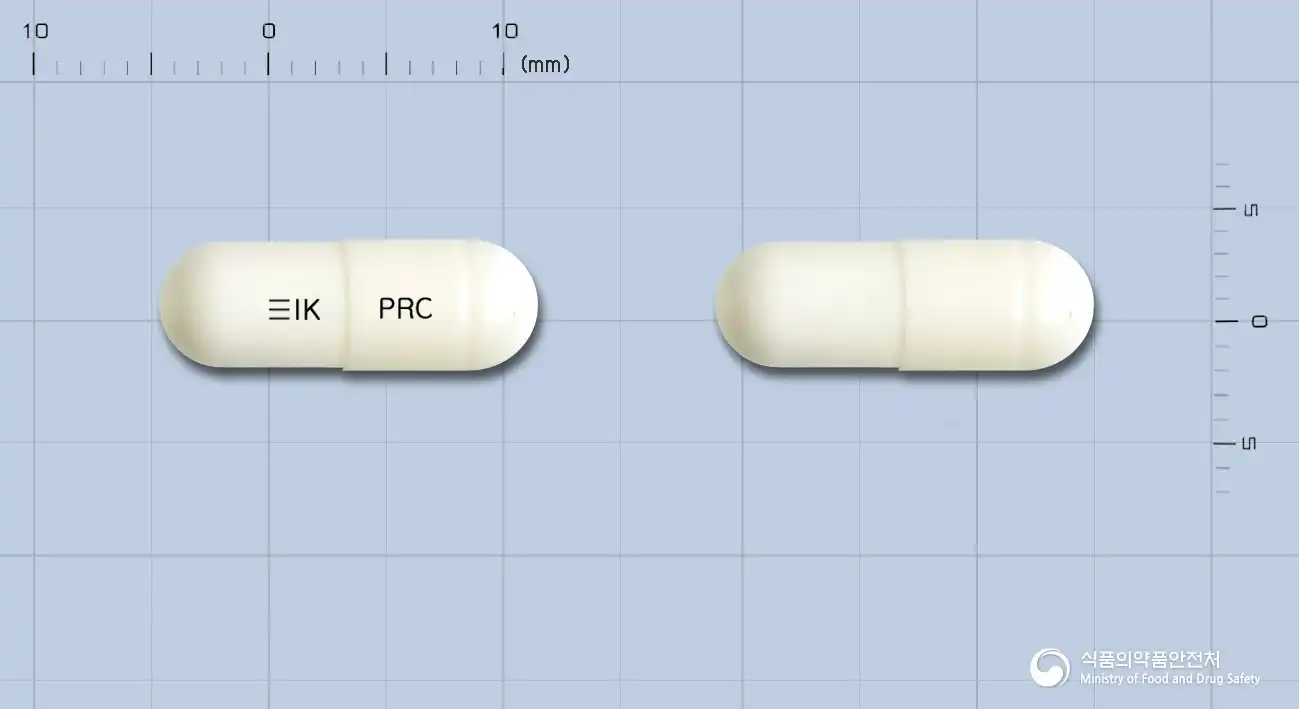
Silica Capsule 150mg (Pregabalin)
Pregabalin 150mg
Hard capsule · Prescription medication
Samik Pharmaceutical Co., Ltd.
MFDS item code 201205828 · Approved 2012.06.22 · Insurance code 644003230
Treatment of neuropathic pain and fibromyalgia; adjunctive treatment of partial-onset seizures
This medication is used for the treatment of peripheral and central neuropathic pain in adults. It is also used as an adjunct for partial seizures in patients with epilepsy, regardless of the presence of secondary generalized symptoms. Furthermore, it is effective in the treatment of fibromyalgia, aiding in pain management. It is widely used for various nerve and muscle-related disorders and plays an important role in improving patient symptoms.
This medicine is administered orally as pregabalin, with the total daily dose divided into 2 doses, regardless of food. Because this medicine is primarily excreted by the kidneys, the dose should be adjusted in patients with impaired renal function. (See section ‘5. Patients with Renal Impairment’.) 1. Neuropathic Pain 1) Peripheral Neuropathic Pain Adults: This medicine may be administered at an initial dose of 150 mg/day. Based on the response and tolerability of each patient, the dose may be increased to 300 mg/day after 3 to 7 days. If necessary, the dose may subsequently be increased at 7-day intervals up to a maximum of 600 mg/day. 2) Central Neuropathic Pain Adults: This medicine may be administered at an initial dose of 150 mg/day. Based on the response and tolerability of each patient, the dose may be increased to 300 mg/day after 1 week. After an additional 1 week, the dose may be increased to the target daily dose of 600 mg. If the target daily dose is not tolerated, dose reduction may be considered. (See section ‘4. Discontinuation of Treatment’.) 2. Epilepsy Adults: This medicine may be administered at an initial dose of 150 mg/day. Based on the response and tolerability of each patient, the dose may be increased to 300 mg/day after 1 week. If necessary, the dose may subsequently be increased at 7-day intervals up to a maximum of 600 mg/day. 3. Fibromyalgia The recommended dose of this medicine for fibromyalgia is 300 mg-450 mg/day. The starting dose is 75 mg twice daily (150 mg/day), and based on efficacy and tolerability, the dose may be increased within 1 week to 150 mg twice daily (300 mg/day). For patients who do not experience sufficient benefit at a dose of 300 mg/day, the dose may be increased within 1 week to 225 mg twice daily (450 mg/day). Clinical studies were also conducted at a dose of 600 mg/day; however, there is no evidence of additional benefit or adequate tolerability at this dose. In view of dose-dependent adverse reactions, doses exceeding 450 mg/day are not recommended. 4. Discontinuation of Treatment Based on current clinical experience, if treatment with this medicine is discontinued, it should be withdrawn gradually over at least 1 week. 5. Patients with Renal Impairment After entering the systemic circulation, this medicine is primarily excreted by the kidneys unchanged. Because the clearance of this medicine is directly affected by creatinine clearance, dose reduction in patients with impaired renal function should be individualized based on creatinine clearance. Creatinine clearance [Table 1] is determined using the formula below. For women, multiply the result obtained from the above calculation by 0.85. This medicine is effectively removed from plasma by hemodialysis (approximately 50% within 4 hours). In patients undergoing hemodialysis, the daily dose of pregabalin should be adjusted based on renal function. In addition to the daily dose based on renal function, a supplemental dose should be administered promptly after each 4-hour hemodialysis session. [Table 1]. Pregabalin dosing based on renal function Creatinine clearance (CLcr), (mL/min) ≥60: Starting dose 150 (mg/day), maximum dose 600 (mg/day), BID or TID ≥30-<60: Starting dose 75 (mg/day), maximum dose 300 (mg/day), BID or TID ≥15-<30: Starting dose 25-50 (mg/day), maximum dose 150 (mg/day), QD or BID <15: Starting dose 25 (mg/day), maximum dose 75 (mg/day), QD Supplemental dose after hemodialysis: 25, 100, single dose b TID = total daily dose divided into 3 doses BID = total daily dose divided into 2 doses QD = once daily a: The total daily dose (mg/day) should be divided as specified under the method of administration. b: A supplemental dose refers to an additional dose administered as a single dose. 6. Patients with Hepatic Impairment No dose adjustment is necessary in patients with hepatic impairment. 8. Elderly Patients (65 years of age or older) Dose reduction may be necessary in elderly patients with impaired renal function.
7. Pediatric and Adolescent Patients Children under 12 years of age: Administration is not recommended because there are insufficient data on safety and efficacy. Adolescent patients aged 12-17 years: Administration is not recommended because there are insufficient data on safety and efficacy.
This medication may increase the risk of suicidal thoughts or behaviors; therefore, mood or behavioral changes should be closely monitored during use. Individuals allergic to pregabalin or any of its components should not take this medication. Patients with lactose intolerance or certain genetic metabolic disorders should also avoid this medication. Diabetic patients may need to adjust the dosage of blood sugar control medications due to weight gain. If symptoms of angioedema appear, the medication should be stopped immediately, and symptoms such as swelling around the face or neck may occur. Elderly patients should exercise caution due to the risk of falls caused by dizziness or drowsiness associated with this medication. Blurred vision or changes in vision may occur, and if symptoms arise, consultation with a physician is advised. Abrupt discontinuation of this medication may result in withdrawal symptoms such as insomnia, headaches, and anxiety, so it should be gradually reduced according to a physician's instructions. There is a risk of drug abuse, so special caution is needed for patients with a history of substance abuse. Patients with impaired kidney function may require dosage adjustment. Patients with severe heart disease should use this medication cautiously as heart failure symptoms may worsen. Caution should be taken when used with opioid analgesics due to the potential for central nervous system depression. Patients with respiratory diseases or kidney disorders may face a risk of severe respiratory depression and may require dosage adjustment. Pregnant women should avoid this medication due to the risk of fetal malformation, and women of childbearing age should use effective contraceptive methods. Nursing mothers should consider discontinuing nursing or the medication, as this drug can be passed into breast milk. Before driving or operating hazardous machinery, it should be verified whether this medication causes dizziness or drowsiness. Severe skin reactions can rarely occur; if symptoms such as skin rash or swelling develop, the medication should be stopped immediately, and a physician should be consulted. In case of overdose, symptoms such as drowsiness, confusion, and depression may appear, and treatment such as dialysis may be necessary. Children and the elderly should take special care regarding the effects this medication can have on the body. This medication is not significantly metabolized in the body and is mainly excreted through urine, so dosage adjustment is essential for patients with decreased kidney function. While there is little pharmacokinetic interaction between this medication and other drugs, extra caution is warranted when taken with central nervous system depressants.
Suicidal impulses, suicidal behavior, depression, abnormal changes in mood and behavior, angioedema, facial swelling, swelling around the mouth, upper airway swelling, dizziness, drowsiness, loss of consciousness, confusion, mental disorders, blurred vision, changes in vision, insomnia, headaches, nausea, anxiety, diarrhea, influenza-like syndrome, restlessness, depression, suicidal thoughts, pain, seizures, hyperhidrosis, misuse, abuse, dependence, congestive heart failure, respiratory depression, rhinitis, neutropenia, increased appetite, decreased appetite, hypoglycemia, confusion, directional disturbance, irritability, feeling of well-being, decreased libido, depersonalization, sexual arousal disorder, restlessness, mood fluctuations, emotional blunting, emotional elevation, difficulty finding appropriate terms, hallucinations, abnormal dreams, increased sexual desire, panic attacks, inability to restrain, numbness, ataxia, abnormal movement coordination, balance disturbance, amnesia, attention disorders, memory disorders, tremors, speech impairment, sensory abnormalities, sensory reduction, sedation, hypersomnolence, cognitive impairment, nystagmus, language disorders, macroglossia, diminished reflexes, movement abnormalities, psychomotor agitation, position-induced dizziness, hypersensitivity, burning sensation, activity tremor, syncope, confusion, motor retardation, olfactory abnormalities, loss of taste, writing impairment, diplopia, vertigo, auditory hypersensitivity, first-degree AV block, tachycardia, bradycardia, tachyarrhythmia, hypotension, hypertension, flushing, facial flushing, peripheral coldness, dyspnea, epistaxis, cough, nasal congestion, rhinitis, snoring, pharyngeal tension, nasal dryness, vomiting, abdominal distention, constipation, dry mouth, bloating, excessive salivation, gastroesophageal reflux disease, oral sensory reduction, ascites, dysphagia, pancreatitis, sweating, papular rash, urticaria, cold sweat, muscle cramps, arthralgia, back pain, limb pain, cervical spasms, joint swelling, myalgia, muscle spasms, neck pain, muscle rigidity, rhabdomyolysis, urination disturbances, urinary incontinence, decreased urination, renal failure, erectile dysfunction, delayed ejaculation, sexual dysfunction, dysmenorrhea, amenorrhea, mastalgia, nipple discharge, gynecomastia, peripheral edema, edema, gait abnormalities, falls, feeling of intoxication, altered sensations, fatigue, chest tightness, generalized edema, pain, fever, chills, weakness, thirst, weight gain, increased alanine aminotransferase, increased creatine phosphokinase in blood, increased aspartate aminotransferase, increased blood sugar, decreased platelet count, decreased potassium in blood, weight loss, increased creatinine in blood, decreased white blood cell count, irritability, allergic reactions, headaches, keratitis, pulmonary edema, nausea, diarrhea, tongue swelling, itching, Stevens-Johnson syndrome, toxic epidermal necrolysis, urinary retention, gynecomastia, lethargy, delirium, paralysis (facial paralysis), affective disorder, drowsiness, state of confusion, agitation, restlessness, aggravation of seizures, ataxia, verbal disturbances, blood in stool, increased BUN, dysuria, tinnitus, skin disorders
Not everyone experiences these, and they can vary from person to person.
This medication should be stored in a tightly sealed container to prevent exposure to air or moisture, ideally at room temperature between 15 to 30 degrees Celsius. This will help maintain the effectiveness of the drug and prevent degradation.
White hard capsule filled with white powder
30 capsules/bottle, 100 capsules/bottle, 300 capsules/bottle
Even with the same ingredient, strength, dosage form and how it is taken can differ.
Viewing nowPregabalin 150mg
Hard capsule · Prescription medication
Samik Pharmaceutical Co., Ltd.
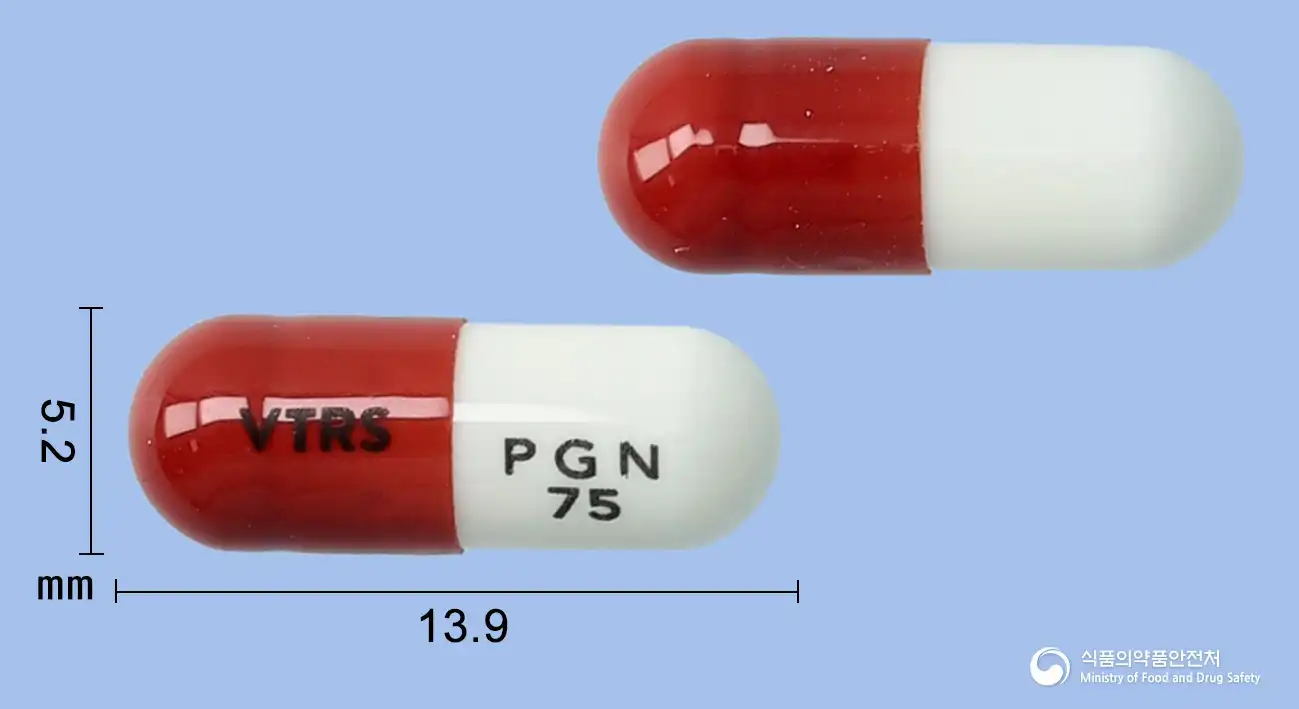
Pregabalin 75mg
Hard capsule · Prescription medication
Viatris Korea Co., Ltd.
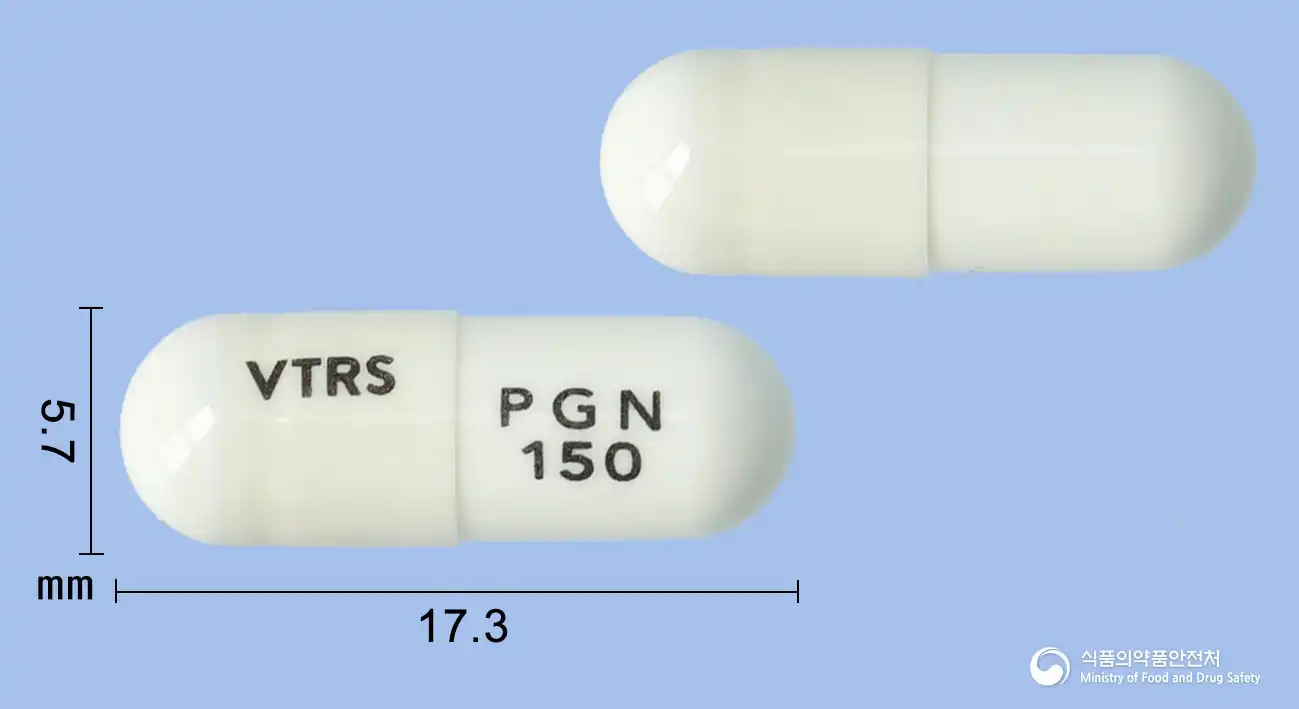
Pregabalin 150mg
Hard capsule · Prescription medication
Viatris Korea Co., Ltd.
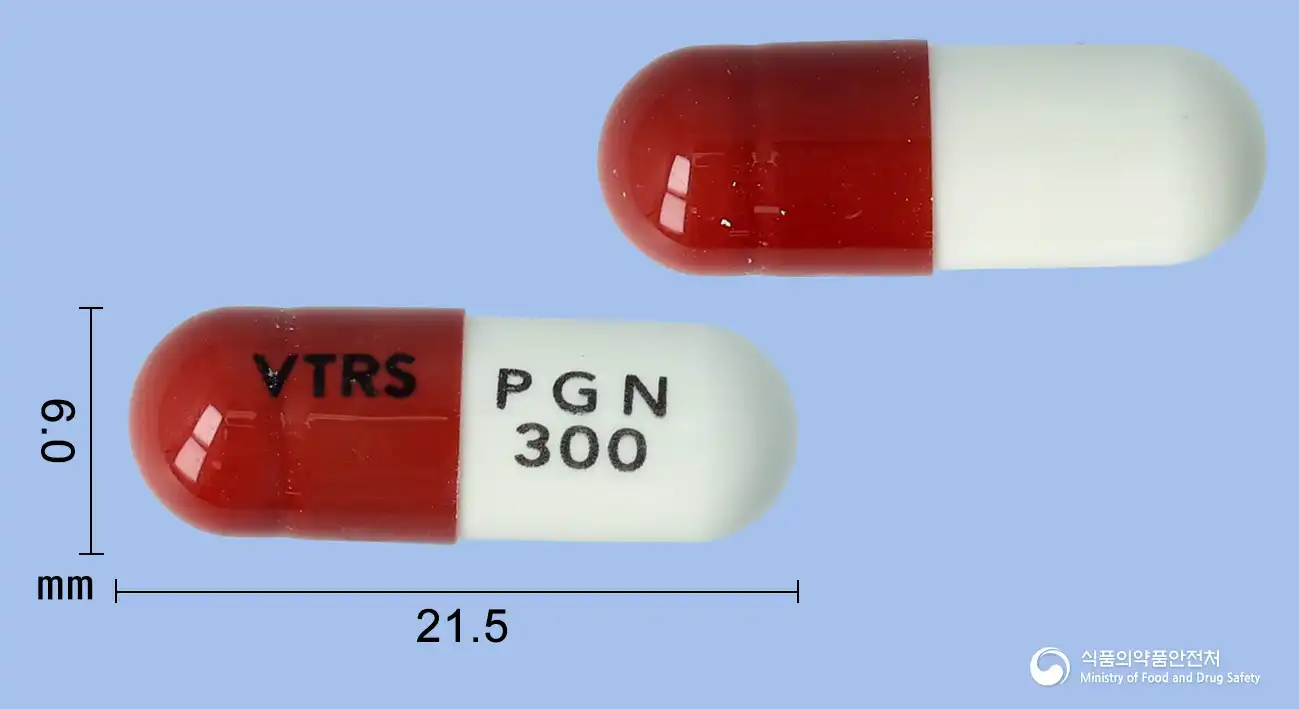
Pregabalin 300mg
Hard capsule · Prescription medication
Viatris Korea Co., Ltd.
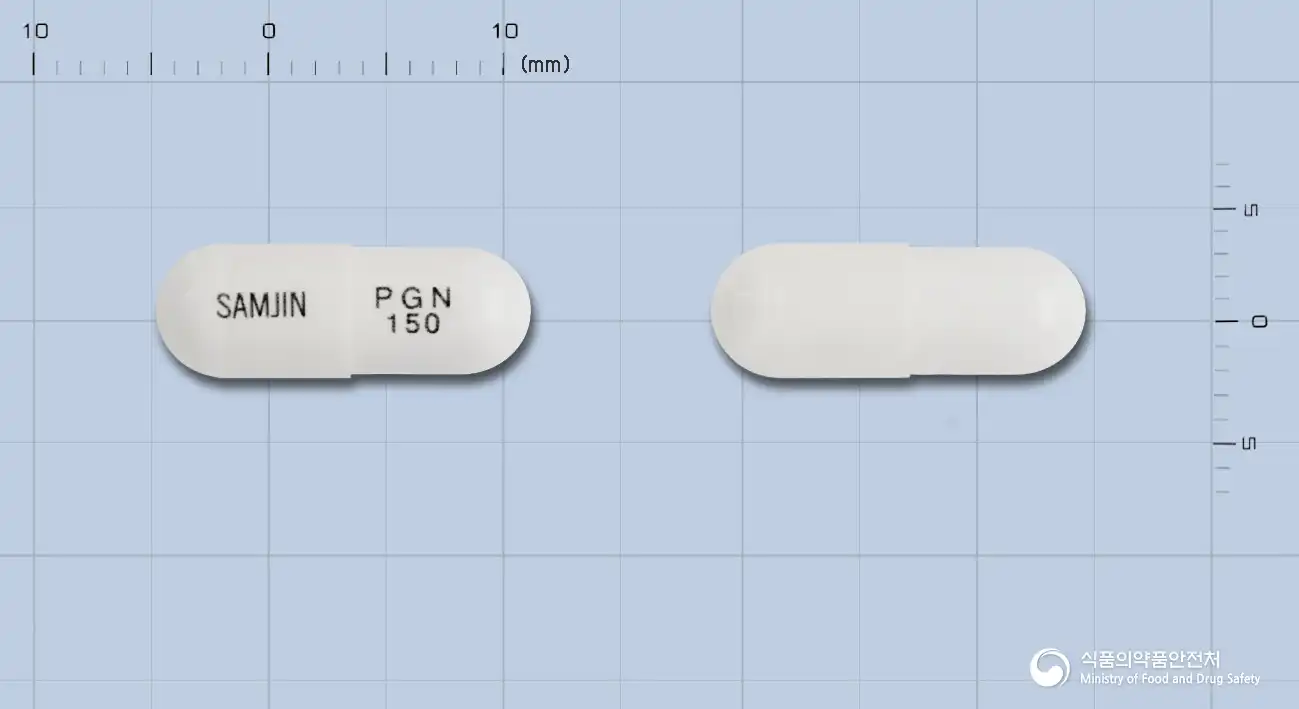
Pregabalin 150mg
Hard capsule · Prescription medication
Samjin Pharmaceutical Co., Ltd.
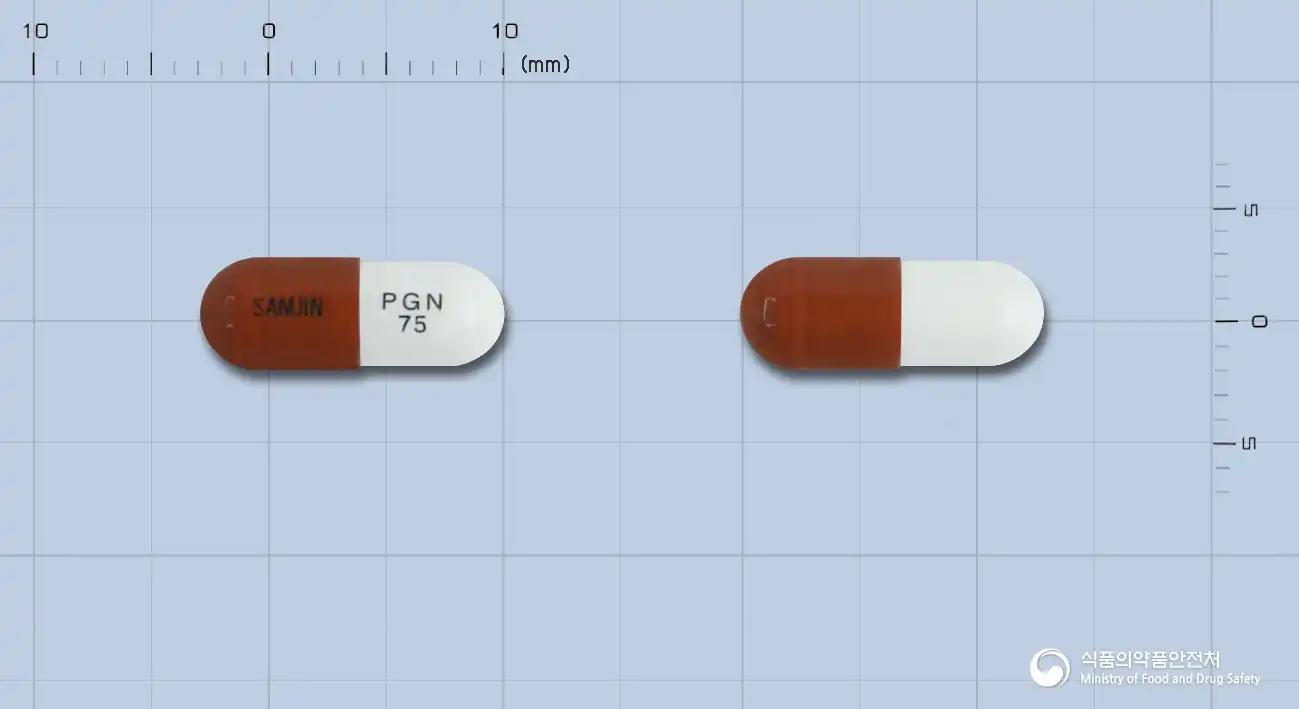
Pregabalin 75mg
Hard capsule · Prescription medication
Samjin Pharmaceutical Co., Ltd.
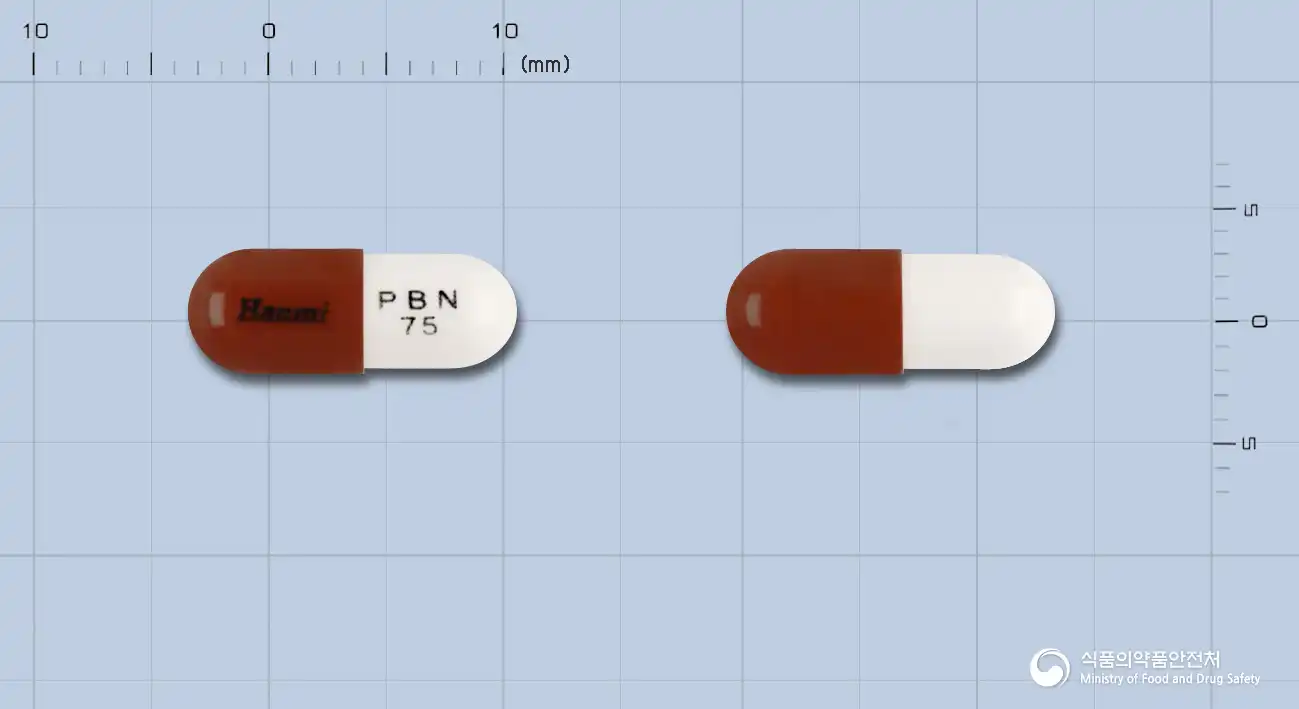
Pregabalin 75mg
Hard capsule · Prescription medication
Hanmi Pharm. Co., Ltd.
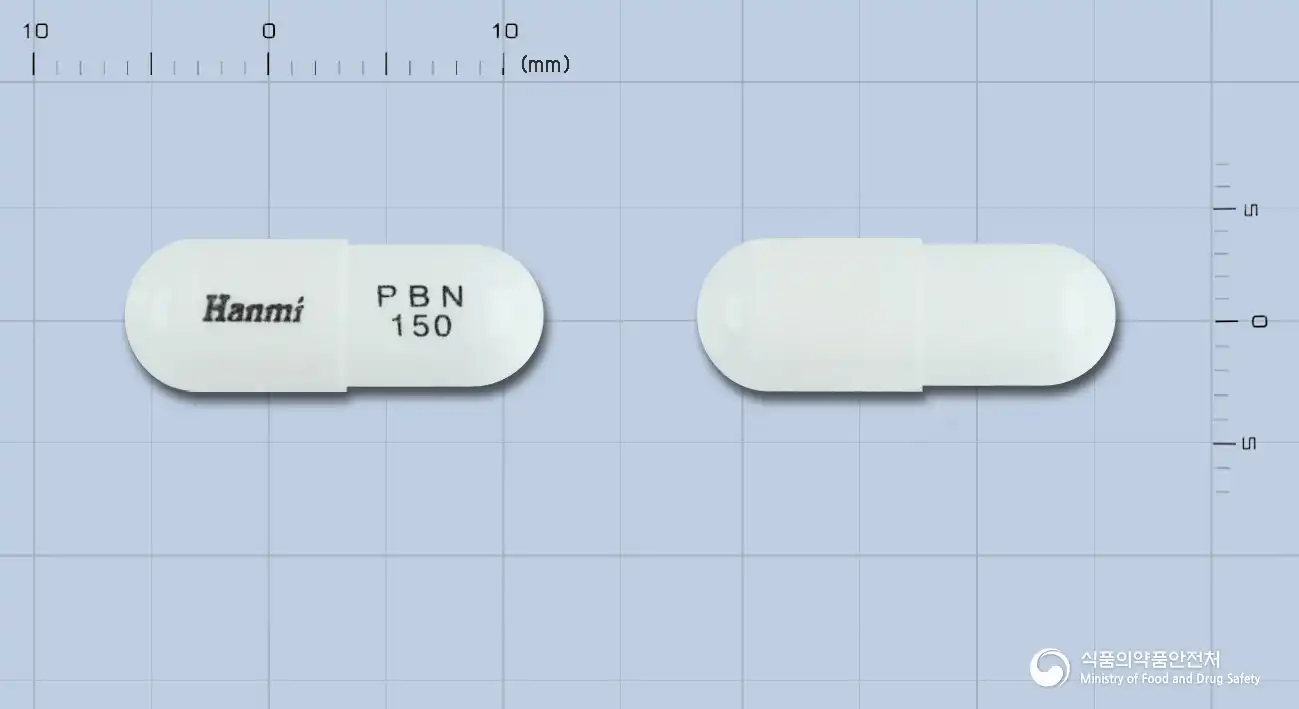
Pregabalin 150mg
Hard capsule · Prescription medication
Hanmi Pharmaceutical Co., Ltd.
Even with the same ingredient, the dose and directions can differ by strength and dosage form. Talk to a doctor or pharmacist before switching from a medication you are already taking.
No questions yet.
For anything that needs medical judgment, consult a doctor or pharmacist.
This drug information is based on data provided by the Korea Ministry of Food and Drug Safety.
Consult a doctor or pharmacist for accurate dosage, administration, and usage instructions.