
 한국어
한국어 English
 日本語
日本語 中文(简体)
 Viewing nowCombination
Bonamax Plus D Tablet
Sodium Alendronate Hydrate 91.37mg · Cholecalciferol Concentrate Powder 53.33mg
Tablet · Prescription medication · Combination
Korea United Pharmaceutical Co., Ltd.
MFDS item code 201203101 · Approved 2012.04.23 · Insurance code 644308330
Improvement of osteoporosis in postmenopausal women and men
This medication is used for the treatment of osteoporosis in postmenopausal women and men.
Once a week, take 1 tablet (70 mg/2800 IU or 70 mg/5600 IU) in the morning with a sufficient amount of water at least 30 minutes before ingesting food, beverages, or other medications. To ensure the drug reaches the stomach quickly, it should be swallowed with a sufficient amount of water (170-230 mL), and one should not lie down for at least 30 minutes after taking it and until after the first food intake.
Children and adolescents (under 18 years): Safety and efficacy in children and adolescents have not been established.
This medication may cause irritation to the gastrointestinal tract, particularly the esophagus, which can lead to problems such as esophagitis, esophageal ulcers, and esophageal erosions. If these symptoms occur, discontinue use immediately and consult a physician. When taking this medication, it should be taken with a sufficient amount of water, and one should not lie down for at least 30 minutes after taking it. This helps to reduce the risk of side effects by ensuring the medication does not remain in the esophagus for too long. Patients with esophageal diseases or upper gastrointestinal disorders such as gastritis, duodenitis, or ulcers should use this medication cautiously. Patients with esophageal strictures, achalasia, hypocalcemia, and those allergic to any ingredient in this medication should not be administered this drug. Additionally, patients with certain genetic conditions should not use this medication if it contains lactose. Common gastrointestinal adverse reactions may include abdominal pain, nausea, dyspepsia, constipation, and diarrhea, as well as musculoskeletal pain, headache, and dizziness. Rarely, prolonged use may lead to osteonecrosis of the jaw or severe musculoskeletal pain, so consult a physician if unusual symptoms occur. Calcium or vitamin D deficiencies should be supplemented, and patients at high risk of vitamin D deficiency should consider taking additional supplements. This medication may pose risks to the fetus during pregnancy, hence women who are pregnant or may become pregnant should consult a physician before taking it. Nursing women also need to exercise caution when taking this medication, and it is not recommended for children. This medication is not recommended for patients with severely impaired renal function. There may be interactions with other medications, especially calcium supplements, antacids, aspirin, and non-steroidal anti-inflammatory drugs, so it is necessary to space out the doses. In case of overdose, symptoms of hypocalcemia or gastrointestinal irritation may occur, and one should contact a medical institution immediately for appropriate actions. Finally, keep this medication out of reach of children and be careful not to transfer it to other containers.
Hives, severe swelling (including angioedema), esophagitis, esophageal ulcers, esophageal erosions, esophageal obstruction, perforation, esophageal stricture, asthma attacks, difficulty breathing, chest tightness, severe allergic reactions, severe skin reactions (Stevens-Johnson syndrome, toxic epidermal necrolysis), rarely symptoms of hypocalcemia, jaundice (yellowing of the skin or eyes), severe neurological symptoms (seizures, altered consciousness), severe swelling, increased blood pressure,
Abdominal pain, nausea, dyspepsia, constipation, diarrhea, flatulence, acid reflux, esophageal ulcers, vomiting, difficulty swallowing, abdominal distension, gastritis, musculoskeletal (bone, muscle, or joint) pain, muscle cramps, headache, dizziness, taste disorders, esophagitis, rash, itching, hair loss, nasopharyngitis
Not everyone experiences these, and they can vary from person to person.
This medication is sensitive to air and moisture, so it should be stored in a tightly closed container. Additionally, it should be kept away from direct sunlight and stored at room temperature between 1°C and 30°C.
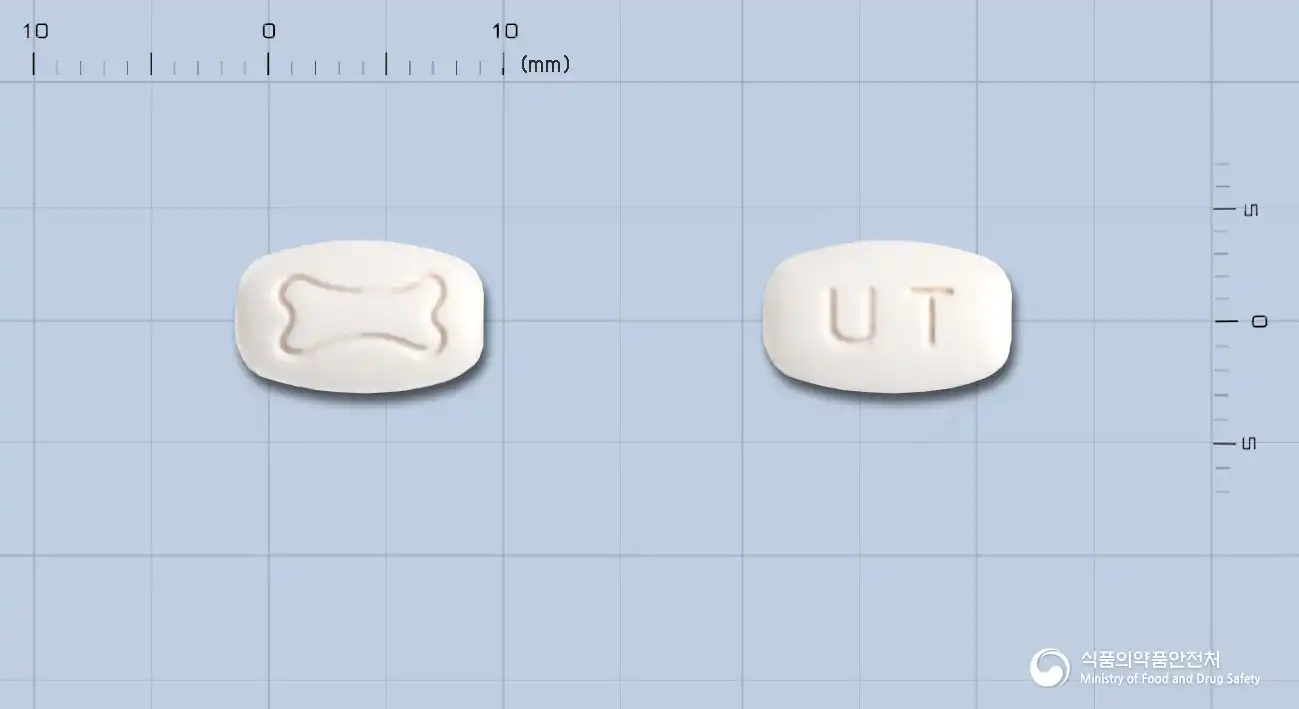
White to grayish-white rectangular tablets, one side engraved with UT, and the other side depicting a bone.
4 tablets (4 tablets/PTPX1)
Even with the same ingredient, strength, dosage form and how it is taken can differ.
Viewing nowCombinationSodium Alendronate Hydrate 91.37mg · Cholecalciferol Concentrate Powder 53.33mg
Tablet · Prescription medication · Combination
Korea United Pharmaceutical Co., Ltd.
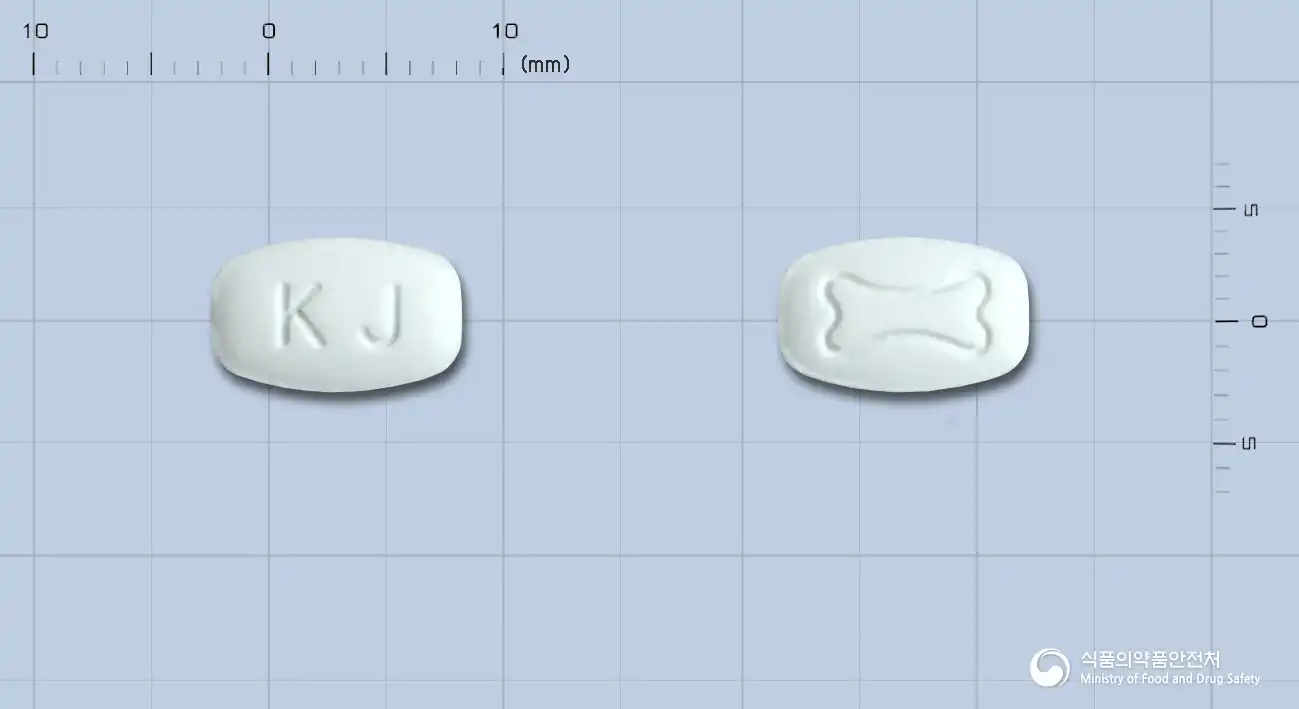 Combination
Sodium Alendronate Hydrate 91.37mg · Cholecalciferol Concentrate Powder 53.33mg
Tablet · Prescription medication · Combination
International Pharmaceutical Co., Ltd.
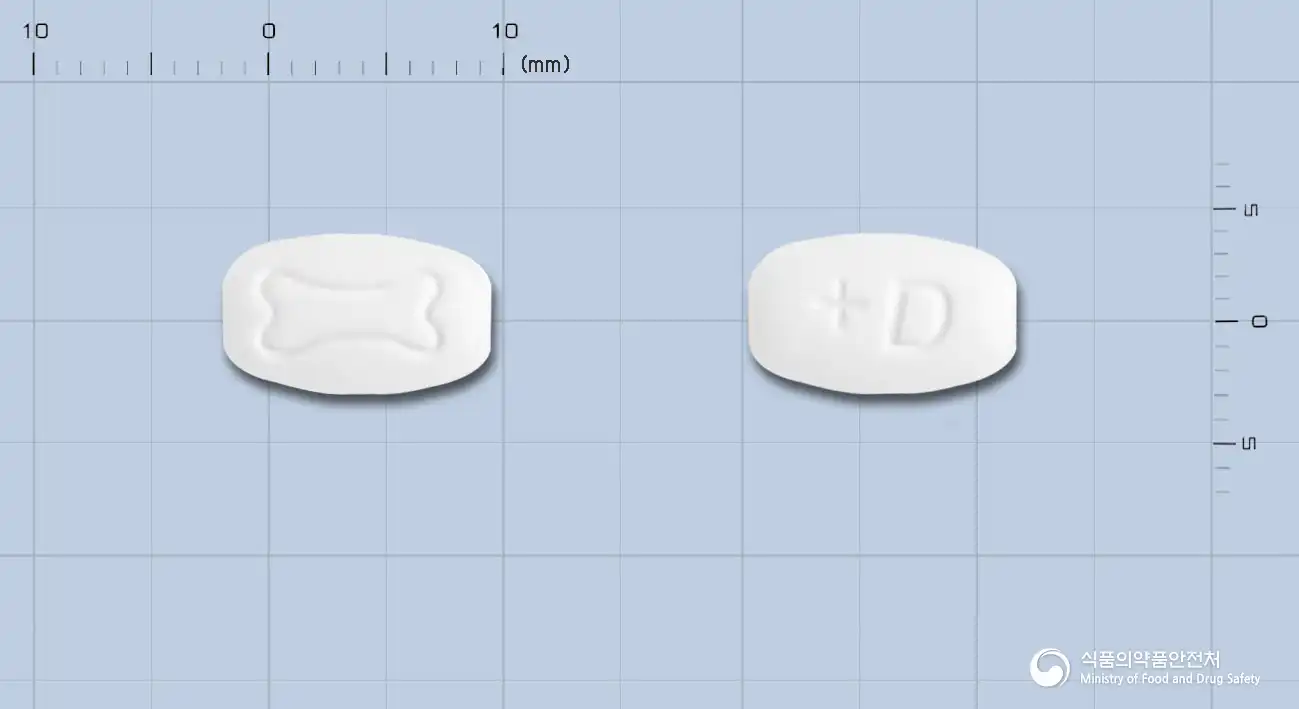 Combination
Sodium Alendronate Hydrate 91.37mg · Cholecalciferol Concentrate Powder 53.33mg
Tablet · Prescription medication · Combination
Hanol Bio Pharma Co., Ltd.
Even with the same ingredient, the dose and directions can differ by strength and dosage form. Talk to a doctor or pharmacist before switching from a medication you are already taking.
No questions yet.
For anything that needs medical judgment, consult a doctor or pharmacist.
This drug information is based on data provided by the Korea Ministry of Food and Drug Safety.
Consult a doctor or pharmacist for accurate dosage, administration, and usage instructions.