
 한국어
한국어 English
 日本語
日本語 中文(简体)
Dosage form image
Viewing nowCombinationSsangpae Won Nose Liquid
Licorice 0.5g · Ginger 0.165g +8 more
Solution · OTC medication · Combination
Jeongwoo Pharmaceutical Co., Ltd.
MFDS item code 201202817 · Notified 2012.04.12
Relief of cold symptoms (runny nose, nasal congestion, etc.)
This medication is used to relieve various symptoms of a cold. It improves nasal symptoms such as runny nose, nasal congestion, and sneezing, as well as systemic symptoms like sore throat and chills. Additionally, it effectively reduces uncomfortable symptoms such as fever, headache, joint pain, and muscle pain. Therefore, it helps to alleviate cold symptoms overall.
Typically, adults take 1 pouch (bottle) (single dosage) 3 times a day, 30 minutes after meals. The dosing interval is 4 hours.
This medication can affect the liver, so people who drink more than three glasses of alcohol daily should consult a doctor or pharmacist before use. The acetaminophen included in this medication can rarely cause serious skin reactions, so if any abnormal symptoms such as rash or itching occur, you should stop taking it immediately. Exceeding the maximum daily dosage of acetaminophen can cause liver damage, so do not take this medication with other medications that contain acetaminophen. People who are allergic to this medication or its ingredients, those with a history of asthma attacks, infants under 3 months old, and those taking certain antidepressants or antipsychotics should not take this medication. While taking this medication, it is advisable not to take cough medicine, other cold medicines, antipyretics, sedatives, or antihistamines. Children suspected of having chickenpox or influenza, individuals with allergic tendencies, liver or kidney diseases, hypertension, diabetes, and other chronic diseases should consult a healthcare professional before taking this medication. If symptoms such as rash, vomiting, dizziness, anxiety, tremors, severe allergic reactions, skin damage, asthma attacks, or liver function abnormalities occur while taking this medication, stop taking it immediately and consult a healthcare professional. Children under 2 years old should generally not take this medication unless absolutely necessary and under a doctor's supervision. When taking the medication, adhere to the prescribed dosage and frequency, do not use it for an extended period, and avoid alcohol during use. The risk of side effects may increase when taken with certain medications, so it is important to consult a healthcare professional if taking other medications. Store this medication out of the reach of children, in a cool and dry place away from direct sunlight. Additionally, for quality maintenance, it is advisable not to transfer it to another container.
Rash, redness, itching, nausea, vomiting, loss of appetite, constipation, swelling, dizziness, anxiety, tremors, insomnia, high anion gap metabolic acidosis (HAGMA)
Not everyone experiences these, and they can vary from person to person.
Do not take with oral medications that contain cough suppressants, other cold medicines, antipyretics, sedatives, or antihistamines. Consult a doctor or pharmacist if taken with barbiturates, tricyclic antidepressants, potassium-containing preparations, licorice-containing preparations, glycyrrhizin or its salt preparations, loop diuretics, thiazide diuretics, diabetes medications, gout medications, arthritis medications, anticoagulants, or steroids.
Do not consume alcohol while taking.
This medication should be stored in a sealed container to avoid exposure to air or moisture. The storage temperature should be maintained at room temperature between 1°C and 30°C.
A pouch or glass bottle containing a thick brown liquid
1 pouch (100mL), 10 pouches (1 pouch (100mL) × 10EA)
Even with the same ingredient, strength, dosage form and how it is taken can differ.
Licorice 0.5g · Ginger 0.165g +8 more
Solution · OTC medication · Combination
Jeongwoo Pharmaceutical Co., Ltd.
Peony Root 1.67g · Licorice 1g +8 more
Solution · OTC medication · Combination
Gyeongnam Pharmaceutical Co., Ltd.
Licorice 0.48g · Ginger 0.16g +8 more
Solution · OTC medication · Combination
Hanwha Sintax Pharmaceutical Co., Ltd.
Peony Root 1.67g · Licorice 1g +8 more
Solution · OTC medication · Combination
Gyeongjin Pharmaceutical Co., Ltd.
Licorice 1g · Ginger 0.33g +8 more
Solution · OTC medication · Combination
Kyungbang Pharmaceutical Co., Ltd.
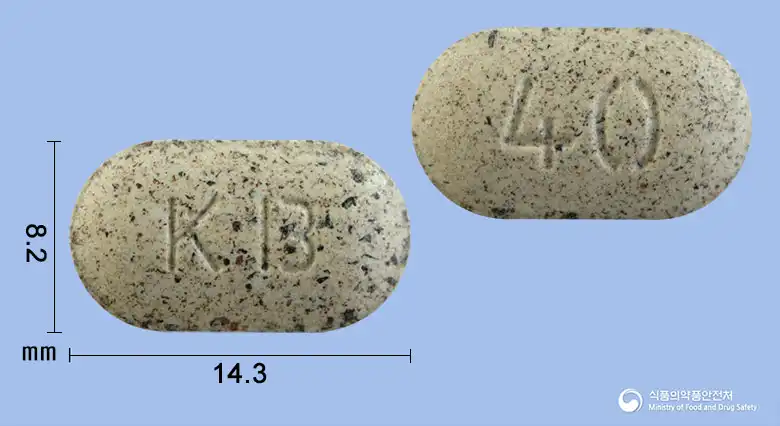 Combination
Licorice 0.168g · Ginger 0.056g +8 more
Tablet · OTC medication · Combination
Kyungbang Pharmaceutical Co., Ltd.
Licorice 0.45g · Ginger 0.15g +8 more
Solution · OTC medication · Combination
Kyungjin Pharmaceutical Co., Ltd.
Licorice · Ginger 0.165g +8 more
Solution · OTC medication · Combination
Wonkang Pharmaceutical Co., Ltd.
Even with the same ingredient, the dose and directions can differ by strength and dosage form. Talk to a doctor or pharmacist before switching from a medication you are already taking.
No questions yet.
For anything that needs medical judgment, consult a doctor or pharmacist.
This drug information is based on data provided by the Korea Ministry of Food and Drug Safety.
Consult a doctor or pharmacist for accurate dosage, administration, and usage instructions.