
 한국어
 English
 日本語
 中文(简体)
 Viewing nowCombination
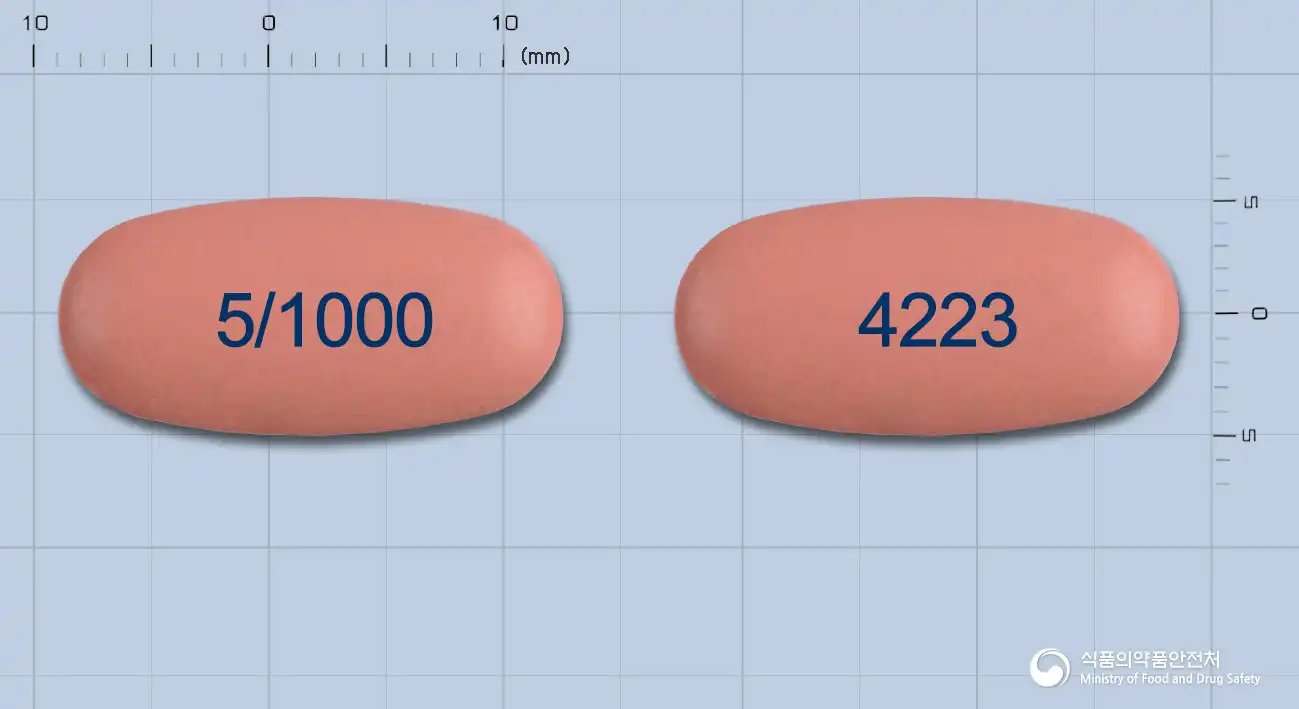
Combiglyze XR 5/1000 mg
Metformin Hydrochloride 1000mg · Saxagliptin Hydrate 5.29mg
Tablet · Prescription medication · Combination
AstraZeneca Korea Co., Ltd.
MFDS item code 201202806 · Approved 2012.04.12 · Insurance code 650700910
Improves blood glucose control in type 2 diabetes
This medication helps patients with type 2 diabetes improve their blood glucose control as a complement to dietary and exercise therapy. It is used to enhance blood glucose levels effectively through the combined action of Saxagliptin and Metformin. In other words, it aids in smoother blood glucose management to assist in diabetes treatment.
The dose of this medicine should be individualized based on the patient's current treatment regimen, efficacy, and tolerability. This medicine is generally administered once daily with the evening meal, and the dose is adjusted gradually to reduce gastrointestinal adverse reactions associated with metformin. - For patients who are not currently being treated with metformin and require saxagliptin 5mg, the recommended starting dose of this medicine is one saxagliptin 5mg/metformin 500mg extended-release tablet once daily; adjust the dose gradually to reduce gastrointestinal adverse reactions associated with metformin. - For patients being treated with metformin, the recommended dose of saxagliptin is 5mg once daily, and the dose of this medicine should provide the dose of metformin the patient was taking or an appropriate dose therapeutically close to it. When switching from immediate-release metformin to an extended-release formulation, glycemic control should be closely monitored and the dose adjusted appropriately. - For patients switching from combination therapy with saxagliptin and metformin to this medicine, the dose of this medicine may be started at the doses of saxagliptin and metformin previously administered. When switching from immediate-release metformin to an extended-release formulation, glycemic control should be closely monitored and the dose adjusted appropriately. - Patients who require saxagliptin 2.5mg in combination with extended-release metformin may take this medicine at 2.5mg/1000mg. Patients who require saxagliptin 2.5mg but are not being treated with metformin, or who require more than 1000mg of metformin, should take the individual component formulations. The maximum recommended daily dose is saxagliptin 5mg and extended-release metformin 2000mg. The safety and efficacy of this medicine have not been specifically evaluated in patients switching to it from another antihyperglycemic agent. Because this may cause changes in glycemic control, any changes in the treatment of patients with type 2 diabetes should be made under careful monitoring. This medicine must be swallowed whole and must never be crushed, cut, or chewed. Occasionally, inactive ingredients (excipients) in this medicine may be excreted in the stool as a soft, hydrated mass resembling a tablet. Strong CYP3A4/5 inhibitors: When coadministered with strong CYP3A4/5 inhibitors (e.g., ketoconazole, atazanavir, clarithromycin, indinavir, itraconazole, nefazodone, nelfinavir, ritonavir, saquinavir, telithromycin), the maximum recommended daily dose of saxagliptin is 2.5mg. In these patients, limit the dose of this medicine to 2.5/1000mg once daily. Concomitant administration with insulin or insulin secretagogues (such as sulfonylureas): When this medicine is administered with insulin or insulin secretagogues (such as sulfonylureas), lower doses of insulin and insulin secretagogues may be required to minimize the risk of hypoglycemia.
This medication contains Metformin and Saxagliptin and is primarily used for the treatment of type 2 diabetes. During treatment with this medication, there is a risk of a rare but fatal metabolic complication called lactic acidosis, so patients with poor kidney function should not use it. Patients with moderately reduced kidney function or acute renal impairment should not use this medication. Additionally, patients who have had hypersensitivity reactions to this medication or to biguanide class medications, as well as those with metabolic acidosis such as lactic acidosis or diabetic ketoacidosis, should avoid taking this medication. This medication should also not be used in patients who have rapidly worsening kidney function due to conditions such as cardiovascular collapse, acute myocardial infarction, or sepsis. If iodinated contrast agents used in radiological examinations are administered intravenously, there is a risk of worsening kidney function; therefore, use of this medication should be stopped at least 48 hours before such tests, and resumed only after kidney function is confirmed to be normal. Patients scheduled for surgery and those with restrictions on food and fluid intake should stop taking this medication 48 hours before surgery and should not resume until kidney function has recovered post-surgery. Pregnant women, women who may become pregnant, and nursing mothers should also avoid taking this medication. While on this medication, hypoglycemic symptoms may occur; therefore, dose adjustments may be necessary when used in combination with insulin or sulfonylureas to reduce the risk of hypoglycemia. Side effects such as diarrhea, nausea, vomiting, headache, and upper respiratory infections may occur, and in rare cases, signs of acute pancreatitis or heart failure may develop, so any unusual symptoms should be reported immediately to a healthcare professional. Moreover, this medication may lower vitamin B12 levels, so regular monitoring of vitamin B12 levels is recommended for long-term use. Alcohol consumption may increase the risk of side effects from this medication, so excessive drinking should be avoided while on this medication. Elderly patients have a higher likelihood of reduced kidney function, so regular kidney function tests should be conducted and caution should be exercised while taking this medication. In case of overdose, appropriate treatment and possibly dialysis may be necessary for drug removal, so adhering to the prescribed dose is crucial. Keep this medication out of reach of children and store it in the original container to maintain quality.
Not everyone experiences these, and they can vary from person to person.
This medication may be sensitive to air and moisture, so it should be stored in a tightly sealed container. The recommended storage temperature is between 1 degree and 30 degrees Celsius. This will help safely preserve the effectiveness of the medication.
Pink, double convex, capsule-shaped film-coated tablet
28 tablets (7 tablets × 4) / box
Even with the same ingredient, strength, dosage form and how it is taken can differ.
Viewing nowCombinationMetformin Hydrochloride 1000mg · Saxagliptin Hydrate 5.29mg
Tablet · Prescription medication · Combination
AstraZeneca Korea Co., Ltd.
 Combination
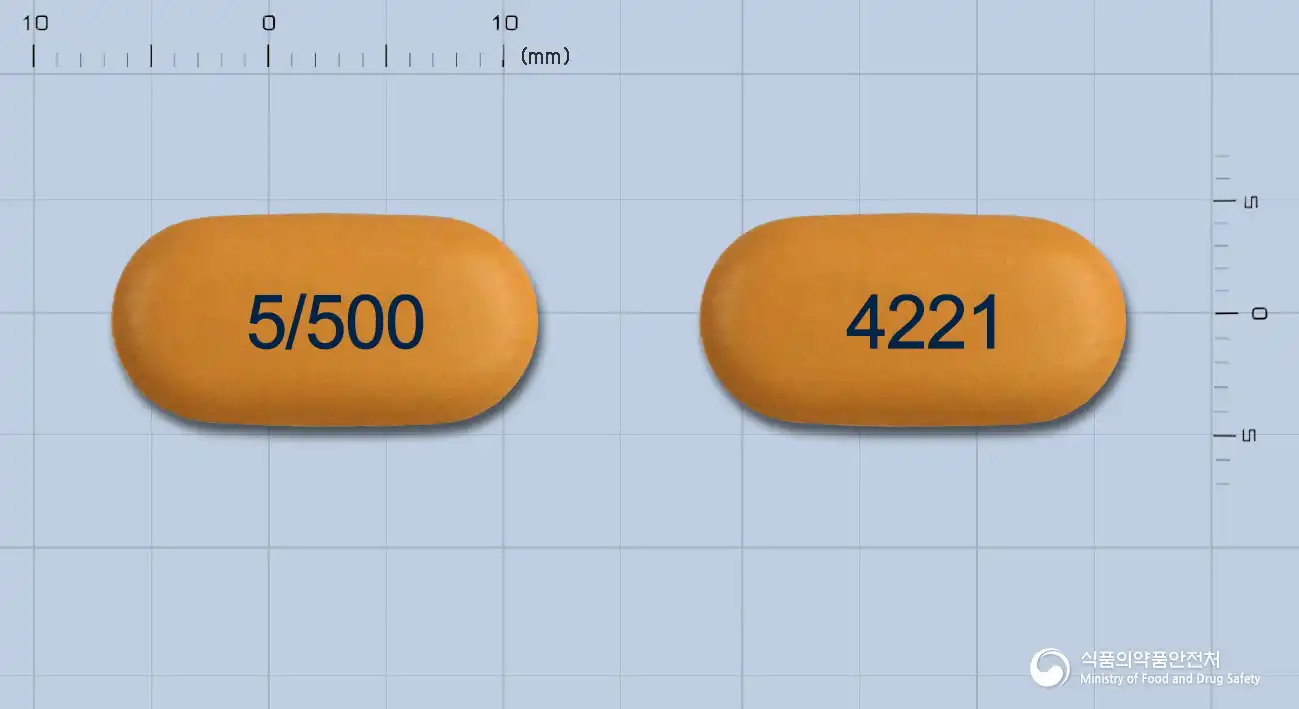
Metformin Hydrochloride 500mg · Saxagliptin Hydrate 5.29mg
Tablet · Prescription medication · Combination
AstraZeneca Korea Co., Ltd.
Even with the same ingredient, the dose and directions can differ by strength and dosage form. Talk to a doctor or pharmacist before switching from a medication you are already taking.
No questions yet.
For anything that needs medical judgment, consult a doctor or pharmacist.
This drug information is based on data provided by the Korea Ministry of Food and Drug Safety.
Consult a doctor or pharmacist for accurate dosage, administration, and usage instructions.